Inside: You’re busy. Freezer meals feel unappealing. I get it. Meal prep, though, is a homemaker’s secret weapon for making busy days much easier.
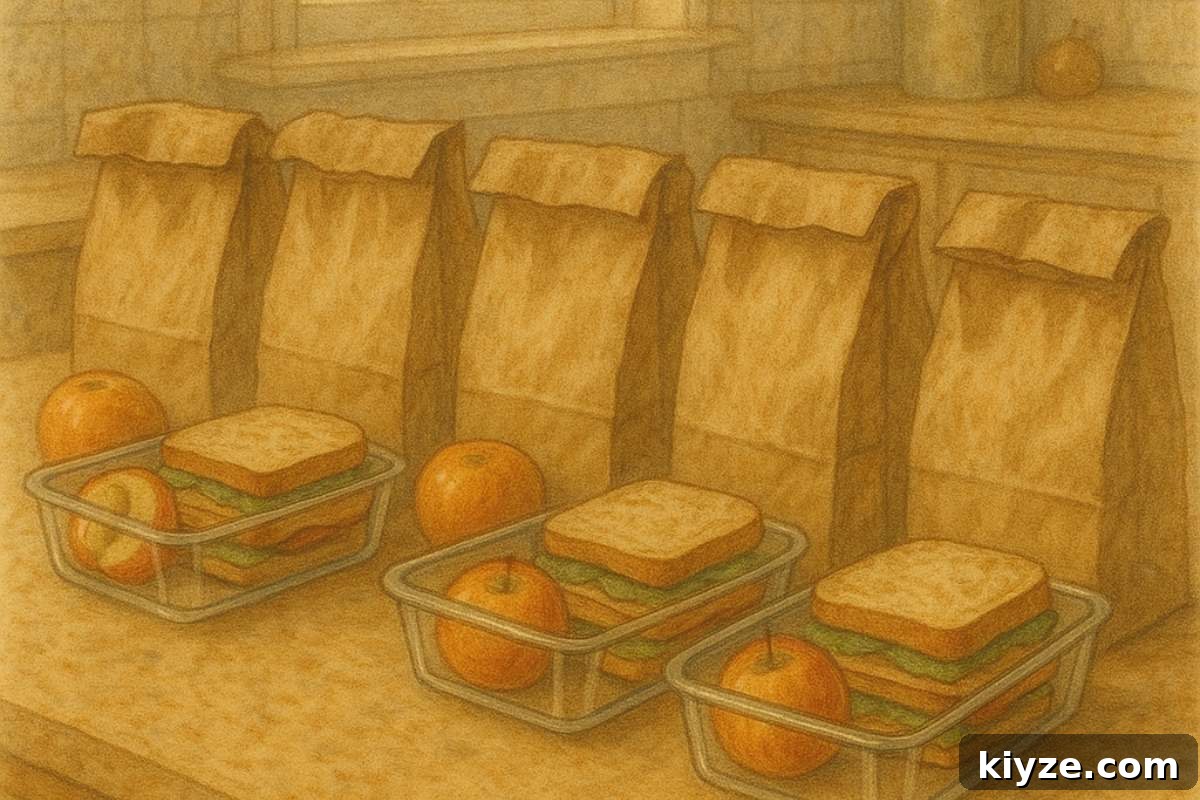
Hate freezer meals? Same. The good news is meal prep goes far beyond frozen casseroles or rows of divided containers. It can be practical, simple, and tailored to what your household actually eats.
The goal isn’t to add work to your week — it’s to reduce daily friction. The busier you are, the more helpful a few small, consistent prep habits become. Below are approachable strategies that add up to smoother, less stressful mealtimes.
Remember: Think Outside the Box + Step by Step
Meal prep doesn’t always mean make-ahead frozen meals. Sometimes it’s a hot dish you freeze, and sometimes it’s as small as portioning snacks or prepping a salad bag. Little efforts compound into real savings of time and stress.
If you manage a household, you’re essentially a part-time chef for everyone under your roof. Meal prep is a time-management strategy: it feels like more work at first, but it saves time and prevents last-minute scrambling. Take it one step at a time and build a routine that fits your life.
Note: Some sites use affiliate programs that earn commissions on purchases. Choose tools and products you trust and that genuinely help your routine.
Strategy 1: Wash and Prechop All Produce for the Week
One small habit with a big payoff is washing and chopping produce as soon as you get home. When fruits and vegetables are ready to use, you’re more likely to grab them instead of letting them go to waste.
Store prepped produce in airtight containers or resealable bags, and tuck a paper towel inside to absorb extra moisture. That keeps items crisp longer and makes the fridge visually inviting instead of cluttered with plastic bags.
Specific Tasks to Prep Produce:
- Leafy Greens: Wash, spin dry, and tear or chop into salad-ready pieces.
- Snacking Veggies: Slice carrots, cucumbers, bell peppers, and celery into sticks for easy grab-and-go snacks.
- Stir-Fry Veggies: Chop broccoli, cauliflower, zucchini, and snap peas and store them separately for quick cooking.
- Salad Toppings: Dice tomatoes, cucumbers, and red onion and keep them in small containers for assembly.
- Herbs: Store herbs upright in a jar of water in the fridge to extend freshness.
- Onions and Garlic: Dice or mince for recipes you plan to use within a week; avoid prepping these too far in advance.
Strategy 2: Plan for Leftovers
Leftovers often get a bad rap, but using them well saves time, money, and effort. Treat leftovers as part of your weekly plan rather than an afterthought.
Try scheduling two leftover nights each week: one where you simply reheat and eat, and another where you repurpose leftovers into a new meal — think burritos, salads, or casseroles that use cooked meats and vegetables.
When you plan how leftovers will be used, they’re far less likely to languish in the back of the fridge. For example, roasted vegetables can easily become soup, pasta mix-ins, or a frittata filling.
Specific Ideas for Pre-Planned Leftovers:
- Grilled or roasted meats: toss into tacos, wraps, or salads.
- Cooked grains and pasta: turn into cold salads with vinaigrette and chopped veggies or stir-fry with add-ins.
- Cooked vegetables: fold into scrambled eggs, pasta dishes, or grain bowls.
Strategy 3: Prep Your Snacks
Prepping snacks saves money and prevents late-day convenience-store or prepackaged purchases. Spend an hour once a week portioning items your family already likes.

- Portion packaged snacks into smaller bags when you get home from the store to avoid over-snacking and messiness.
- Bake muffins or cookies and freeze them individually for quick snacks; label and store in a “snack” container.
- Yogurt parfaits: layer yogurt, fruit, and granola in jars for grab-and-go breakfasts or snacks.
- Pre-cubed cheese: portion a small amount for easy access without extra prep.
Start with what your family already eats and prep modest amounts. That makes it more likely the food will be used instead of wasted.
My Favorite Meal Prep Tools
- Rubbermaid Brilliance storage containers — clear, leakproof containers that work well for fridge storage and transport.
- Mason jar lids for making parfaits, dressings, and single-serve containers.
- Shallow, compartment-style containers for lunches you take away from home.
- Produce keepers for extending the life of fruit and greens in the fridge.
Strategy 4: Batch Cooking (For the Fridge)
Batch cooking means preparing larger quantities of food at once and using portions across several meals. It’s efficient because you invest cooking time up front and reap benefits all week.
Choose recipes that scale well and suit your family’s tastes. Soups, stews, and chicken salad are versatile options that usually reheat and repurpose well without feeling repetitive.
You don’t need to batch cook every week, but on weeks with heavy schedules, having several ready-to-eat meals in the fridge is a real relief.
Strategy 5: Freezer Meals
Freezer meals aren’t glamorous, but they’re useful. Keep a few soups, stews, casseroles, or smoked meats frozen for sick days or nights when cooking isn’t an option.
Cool food completely before freezing, use freezer-safe containers or bags, remove excess air to reduce freezer burn, and label everything with contents and date. You’ll save time and avoid guessing later.
Strategy 6: Make-Ahead Breakfasts
Busy mornings are easier with breakfast items prepped ahead. Even if you don’t always eat breakfast, having options ready for kids or others in the household reduces morning stress.
- Overnight oats
- Breakfast burritos or wraps, premade and frozen
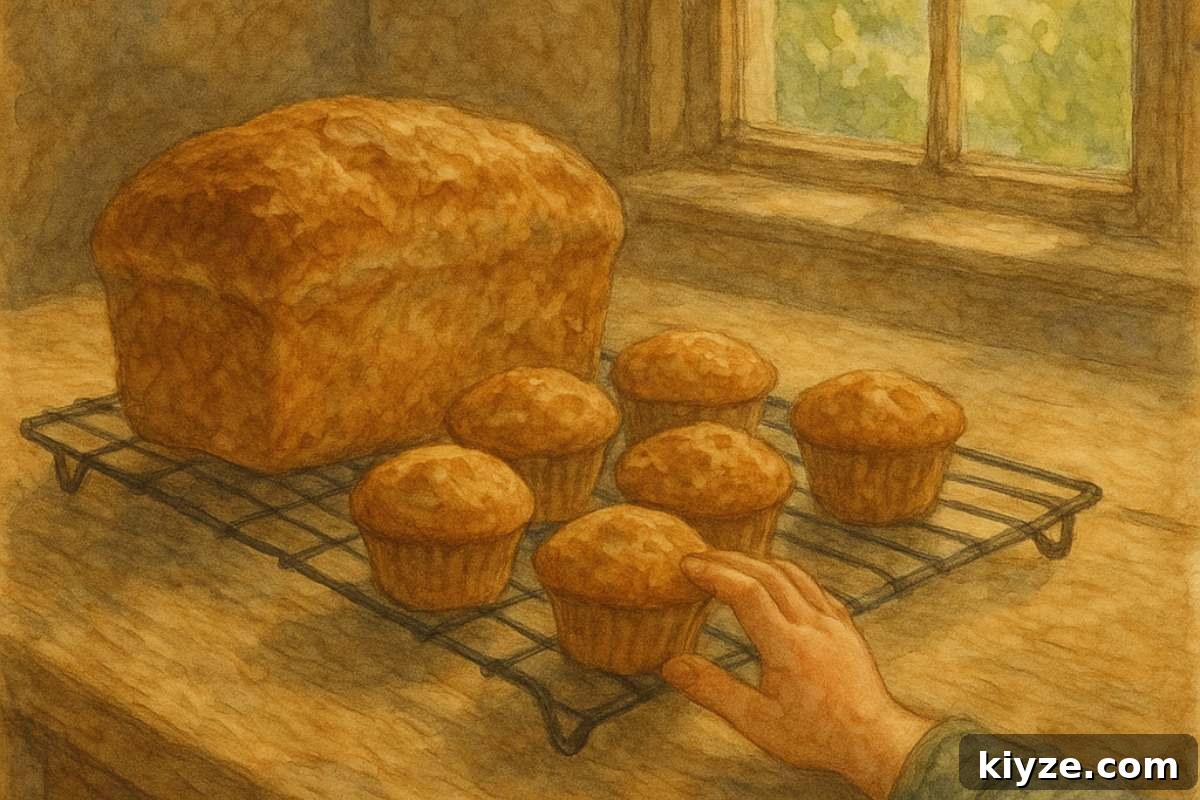
- Baked goods like quick breads or muffins, sliced or wrapped for grab-and-go
- Pre-portioned smoothie packs with fruit and add-ins
Prep a few of these so weekday mornings aren’t another task to tackle from scratch.
Strategy 7: Prepping Food Ahead of Time for Cooking Later
Prepping ingredients ahead saves time when it’s cooking time. Think of these as meal kits you assemble once and use repeatedly.
- Slow cooker bags: assemble protein, vegetables, and spices in a bag and freeze. When you’re ready, dump into the slow cooker.
- Deep-fryer prep: bread proteins, flash-freeze them, then store in bags for fast frying later.
- Marinated proteins: double your marinade and freeze fresh meat in the marinade for future meals.
Having components ready makes dinner feel far less daunting.
Going Deeper
Meal prep can be as simple or as involved as you need. Start with produce and snacks, then add one more habit at a time. Some weeks will go smoothly; others will be chaotic. That’s normal. Persist a little, adjust for what your family actually eats, and you’ll find the time and stress savings add up. You’ll be glad you started.

Go in order and begin with tasks that feel manageable. Over time, meal prep will become a habit that saves you daily decision-making and keeps meals predictable and nourishing.