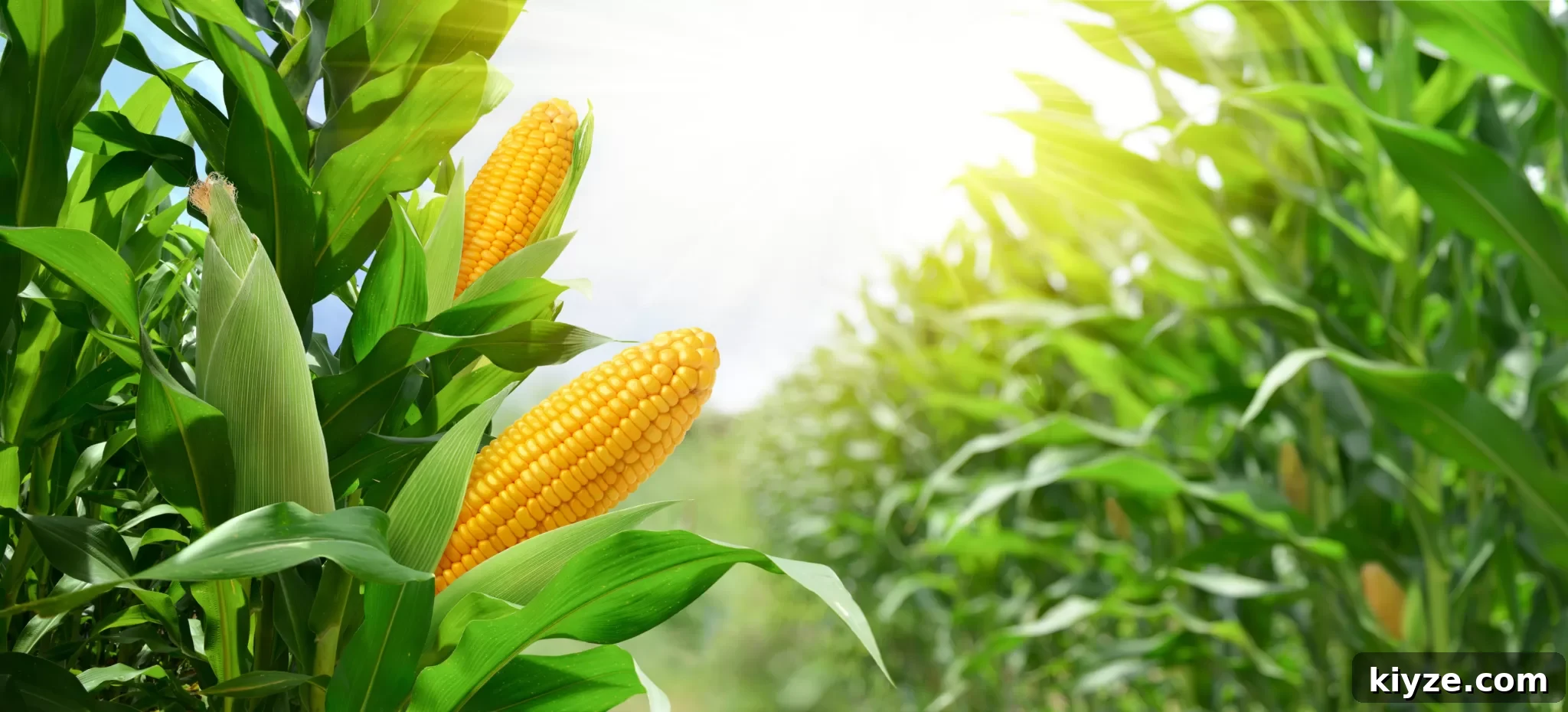
Corn is the top crop grown in the United States, so there’s a good chance something you ate or drank today contained a corn-based ingredient.
This versatile plant can be considered a fruit, a vegetable, and a grain depending on how it’s classified. Below we explain how corn meets each of these definitions and when each label applies.
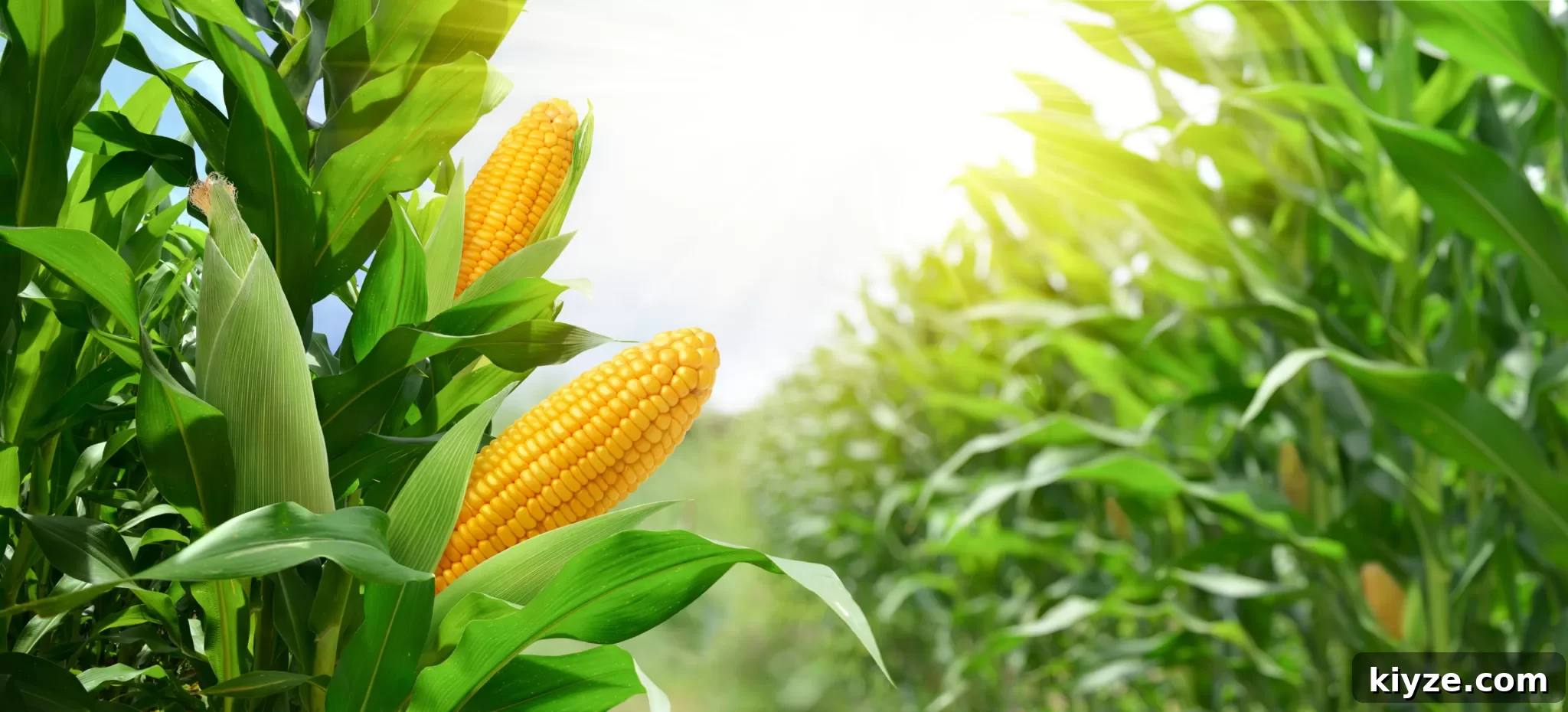
Is corn a fruit?
Although it may seem surprising, botanically speaking corn is classified as a fruit. Each corn kernel develops from the ovary of the corn flower and contains a seed, which fits the botanical definition of a fruit. Planting a viable kernel under the right conditions can produce a new corn plant, just as planting apple or avocado seeds can grow new trees.
In culinary terms, however, corn is rarely treated as a fruit. The way we prepare and serve corn—on the cob, as kernels, or in savory dishes—aligns it more with vegetables in everyday cooking. Other foods that are botanically fruits but commonly called vegetables in the kitchen include tomatoes, peppers, cucumbers, zucchini, and many types of squash.
Does corn fit the vegetable bill as well?
Botanically corn is a fruit, but in culinary and dietary contexts fresh corn is considered a vegetable. According to the United States Department of Agriculture, fresh corn—whether served on the cob, shucked, frozen, or canned—is classified as a starchy vegetable.
Vegetables contain carbohydrates in the form of starch, fiber, and natural sugars. Starchy vegetables have more starch and therefore more carbohydrates than non-starchy vegetables. For example, one cup of corn kernels contains about 27 grams of carbohydrates, while one cup of chopped carrots contains about 12 grams. The higher carbohydrate content of corn reflects its greater starch content.
…isn’t corn also considered a grain?
Yes. When corn is harvested at full maturity and dried, it is classified as a grain. Dried corn can be milled into cornmeal, corn flour, and cornstarch for use in items such as tortillas, cornbread, and breading. Popcorn kernels are also grains; popcorn is a whole grain because it retains the germ, endosperm, and bran.
Whole grains tend to be more nutrient-dense than refined grains because they preserve fiber, protein, and other nutrients. Corn is also processed into many ingredients—including sweeteners such as corn syrup—and appears widely in baked goods, cereals, and processed foods. In the United States, corn is the most used grain for both human food and animal feed, so it commonly appears on ingredient lists.
Is corn a gluten-free grain?
Corn itself is naturally gluten-free, making it a popular choice for people who avoid gluten due to celiac disease or sensitivity. However, corn-based products can be combined with ingredients that contain gluten, so the finished product might not be safe for a gluten-free diet. Always check ingredient lists and labeling if you need to avoid gluten.
Corn nutrition facts
Values for one cup of yellow corn kernels (USDA):
| Calories | Total fat | Total carbohydrates | Total sugars | Dietary fiber | Protein |
| 125 | 2 g | 27 g | 9 g | 2.9 g | 4.7 g |
FAQs:
Some corn products are whole grains and others are refined. Whole-grain corn products retain the germ, bran, and endosperm, while refined products like cornstarch contain primarily the endosperm.
Yes—cornstarch is derived from corn and does not come from animal sources, so it is considered vegan.