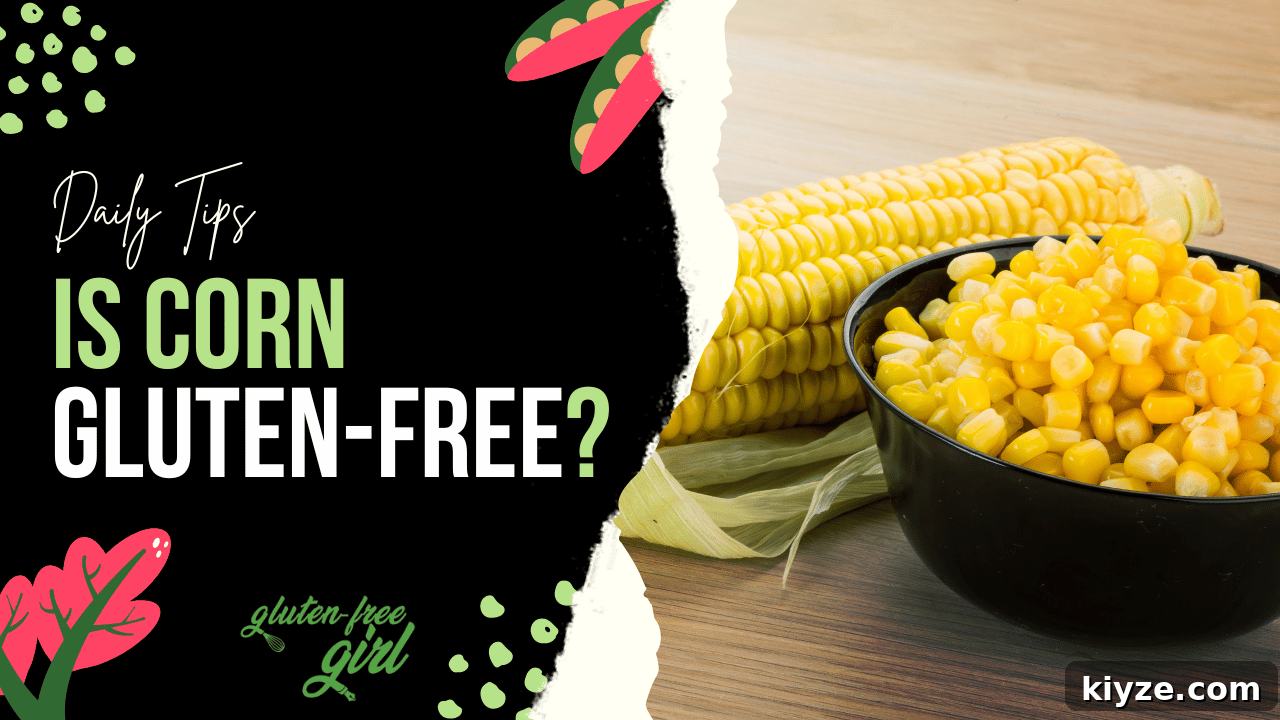
Yes, corn is gluten-free. Corn is naturally free of gluten proteins that are found in wheat, barley, and rye. As the seed of Zea mays, a grass species, corn provides versatile nutrition without containing gliadin or glutenin — the proteins responsible for triggering celiac disease and many forms of gluten sensitivity. Because corn does not contain gluten, it is generally safe for people who must follow a gluten-free diet.
Celiac disease is an autoimmune condition in which eating gluten damages the small intestine. In the words of leading researchers, celiac disease is an immune-mediated disorder triggered by dietary gluten in genetically susceptible people. When someone with celiac disease consumes gluten, the immune response harms the intestinal lining and impairs nutrient absorption, producing a wide range of gastrointestinal and systemic symptoms. For that reason, avoiding gluten-containing grains is essential; corn provides a safe alternative carbohydrate source for most affected individuals.
Corn plays an important role in many gluten-free eating patterns. Whole and processed corn products — including cornmeal, masa harina, polenta, popcorn, and cornstarch — are commonly used in gluten-free cooking and baking. Cornstarch, produced from the endosperm of corn kernels, is widely used as a gluten-free thickener in sauces, soups, and gravies. When labeled and handled correctly, these corn-based ingredients help create reliable gluten-free meals.
It’s important to note that the protein in corn — sometimes referred to as “corn protein” or “corn gluten” — is not the same as the gluten proteins found in wheat, barley, and rye and does not provoke the same immune response in people with celiac disease. That said, the chief concern with corn products is not their intrinsic protein content but the risk of cross-contamination during growing, processing, storage, or preparation.
Can a Patient with Celiac Eat Corn?
Yes. Patients with celiac disease can generally eat corn and corn products, provided those items are free from cross-contamination with gluten-containing grains. Because gluten damages the small intestine in celiac disease, avoiding wheat, barley, rye, and any foods containing their proteins is necessary. Corn, in its pure form, does not contain those proteins and serves as a safe staple in many gluten-free diets.
Corn’s gluten-free status makes it a valuable source of carbohydrates, fiber, and other nutrients for people managing celiac disease. The grain appears in many adapted recipes and products specifically formulated for gluten-free eating.
What Gluten-Free Recipes Can You Cook with Corn?
Here are common gluten-free recipes that use corn:
- Corn tortillas: Made from masa harina (nixtamalized corn flour), corn tortillas are a gluten-free wrap option for tacos and enchiladas.
- Cornbread: Traditional cornbread made from pure cornmeal can be gluten-free when no wheat flour is added.
- Corn and black bean salad: A fresh, naturally gluten-free dish combining sweet corn, beans, and vegetables.
- Polenta: Coarse or fine cornmeal cooked into a creamy porridge or set and sliced; a versatile gluten-free base for savory toppings.
- Corn chowder: A hearty soup where corn contributes both flavor and body; ensure all stock and thickeners are gluten-free.
- Vegetable and corn stir-fry: Corn adds sweetness and crunch to mixed vegetable dishes and is naturally gluten-free when sauces and seasonings are chosen accordingly.
How Is Corn Gluten-Free?
Corn is gluten-free because its protein makeup does not include the specific gluten proteins (gliadin and glutenin) that cause reactions in people with celiac disease or gluten sensitivity. Corn belongs to a different protein family than wheat, barley, and rye, so it lacks the viscoelastic gluten complex that gives wheat dough its elasticity. This difference makes corn a safe grain alternative for most people avoiding gluten.
Common corn forms used in gluten-free cooking include cornmeal, corn flour, masa harina, popcorn, sweet corn, polenta, and cornstarch. Each of these, when pure and uncontaminated, offers a gluten-free option for baking, frying, thickening, or serving as a main ingredient.
Is Cornstarch Gluten-Free?
Yes. Cornstarch is naturally gluten-free because it is derived from the starch of corn kernels. It is widely used as a gluten-free thickener for sauces, puddings, and gravies. As with all processed ingredients, purchasing cornstarch labeled “gluten-free” adds a layer of safety by confirming production controls to avoid cross-contact with gluten-containing grains.
How Do You Keep Corn Dishes Gluten-Free?
Follow these practices to minimize cross-contamination:
- Buy products labeled gluten-free when possible, especially cornmeal, masa, and packaged corn flours.
- Use clean utensils, pots, pans, and surfaces that haven’t been used with gluten-containing foods.
- Store gluten-free ingredients separately from wheat, barley, and rye to avoid accidental transfer.
- Check all added ingredients — broths, seasonings, sauces, and baking agents — for gluten.
- Avoid bulk bins where scoops may transfer gluten particles between products.
- Be vigilant when dining out: ask about preparation methods and whether corn items share surfaces or oil with gluten-containing foods.
Cross-contamination can occur when gluten-free corn is fried in the same oil as breaded items, or when the same cutting board and knife are used for gluten-containing bread and then for corn without thorough cleaning. Careful preparation and separation are essential for maintaining safety.
Do Corn Chips Have Gluten?
Plain corn chips made only from corn, oil, and salt can be gluten-free, but not all commercial corn chips are safe. Some brands add flavorings, binders, or ingredients that contain gluten, and cross-contact can occur during processing. Look for corn chips explicitly labeled gluten-free if you need to avoid gluten.
Are Carbonated Beverages Gluten-Free?
Many non-alcoholic carbonated beverages like plain sodas and sparkling waters are gluten-free because their basic ingredients—water, carbonation, sweeteners, and flavorings—typically don’t contain gluten. However, some flavored drinks or alcoholic beverages may include gluten-containing additives (for example, malt from barley) or be produced in facilities that handle gluten grains. Beer made from barley commonly contains gluten, though there are gluten-free beers brewed from corn, sorghum, rice, or other gluten-free grains and labeled accordingly.
How Can Corn Become Contaminated with Gluten?
Corn itself does not contain gluten, but contamination can happen at several stages:
- Processing and manufacturing: shared equipment, conveyors, or storage silos that also handle wheat, barley, or rye can introduce gluten particles.
- Agricultural practices: shared fields, crop rotation, or harvest equipment can mix grains on the farm.
- Additives and ingredients: some processed corn products include wheat-based binders, malt flavoring, or other gluten-containing additives.
- Food processing aids: enzymes or agents derived from gluten-containing sources can contaminate final products.
- Packaging and handling: mixing products or using the same packaging lines without proper cleaning can cause cross-contact.
How Can You Prevent Gluten Cross-Contamination in Dishes Using Corn?
To prevent cross-contamination, choose certified gluten-free corn products, store them away from gluten-containing items, and clean work surfaces and utensils thoroughly before preparing gluten-free food. Maintain separate cookware and serving utensils when possible, and avoid boiling or frying gluten-free and gluten-containing foods in the same pots, pans, or oil. Always check seasonings, sauces, and condiments for hidden gluten, and ask questions when eating out about shared equipment or preparation methods.
Are Corn-Based Desserts Gluten-Free?
Many desserts made from pure corn ingredients are gluten-free. Examples include polenta cakes, cornmeal muffins made without added wheat flour, and sweet tamales made with masa harina. However, some recipes mix cornmeal or corn flour with wheat flour for texture or binding, which introduces gluten. Always check ingredient lists or use certified gluten-free products to ensure desserts are safe for those with celiac disease.
Are Chips Made from Corn Gluten-Free?
Many corn chips are gluten-free, especially when brands process them separately and label them accordingly. Still, some flavored varieties or manufacturing processes introduce gluten, so read labels and choose products identified as gluten-free if you must avoid gluten strictly.
Is Cake Made from Corn Gluten-Free?
Cakes made using pure corn flour or corn-based gluten-free baking mixes can be gluten-free. Several manufacturers produce gluten-free corn flours and mixes intended for baking. When preparing or buying corn-based cakes, always verify that every ingredient is gluten-free and that cross-contact was prevented during production.
Are All Corn Food Products Gluten-Free?
No. While pure corn and many corn products are inherently gluten-free, some corn-based foods contain gluten due to added ingredients, flavorings, processing methods, or cross-contamination. Examples include flavored corn snacks with wheat-based seasoning, pre-mixed cornbread containing wheat flour, or products processed on shared equipment. Reading ingredient lists and selecting products labeled gluten-free helps avoid hidden gluten.
Is Corn Flour Gluten-Free?
Yes. Pure corn flour, made from milled corn, is gluten-free. It behaves differently from wheat flour in baking because it lacks gluten’s binding and elasticity, so it is often combined with other gluten-free flours (such as rice, almond, or tapioca flour) and binders to achieve desirable texture in baked goods.
Is Cornmeal Gluten-Free?
Yes. Cornmeal, produced from ground dried corn, is naturally gluten-free and used in polenta, cornbread (when no wheat is added), coatings for frying, and various baked goods. As with other corn products, verify processing and packaging to avoid cross-contact.
Is Hominy Gluten-Free?
Yes. Hominy — corn treated by nixtamalization — remains gluten-free. The alkaline treatment used in nixtamalization does not introduce gluten, and hominy can be used safely in many gluten-free recipes when handled properly.
Is Maltodextrin from Corn Gluten-Free?
Yes. Maltodextrin derived from corn is considered gluten-free. Maltodextrin is a carbohydrate used as a thickener, filler, or stabilizer in many foods and beverages. When sourced from corn, it does not contain wheat gluten, but always confirm the source if you need to follow a strict gluten-free diet.