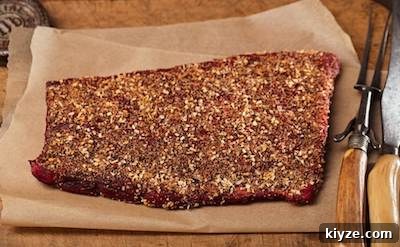
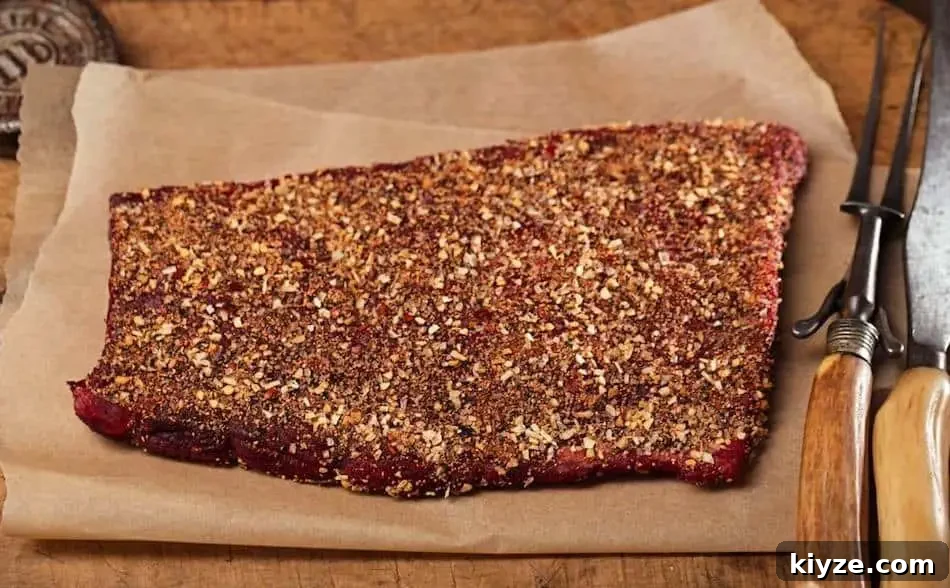
The rub is a crucial element of a smoked brisket. It adds flavor, helps build the desirable bark, and can define the overall character of the finished cut. With countless brisket rub recipes available online and many quality pre-made blends on store shelves, choosing the right rub can be overwhelming. To help narrow the field, this guide highlights trusted homemade recipes from top barbecue experts and recommends a handful of pre-made rubs favored by competitive pitmasters.
Top homemade options include Meathead Goldwyn’s Big Bad Beef Rub and the simple, pantry-friendly mix from Townsend Spice & Supply, which has been endorsed by pitmaster Malcolm Reed. Brisket authority Aaron Franklin demonstrates that simplicity works too—he uses only kosher salt and a coarse café-ground black pepper on his smoked briskets. Below you’ll find practical advice on making and applying rubs, selecting binders, and which commercial rubs are worth trying.
Key Points
- The rub contributes essential flavor and helps form the bark on a smoked brisket.
- There are countless homemade and store-bought brisket rubs; choosing one often means trying a few and learning what you like.
- Meathead Goldwyn’s Big Bad Beef Rub and Townsend Spice & Supply’s recipe are widely respected homemade options.
- Aaron Franklin’s two-ingredient rub—kosher salt and coarse black pepper—shows that less can be more.
- This guide covers making rubs, choosing binders, and the best pre-made rubs used by pitmasters.
- Several popular commercial rubs come from well-known competitors and barbecue creators, and they’re reliable starting points if you prefer ready-made blends.
The Best Pre-Made Dry Rubs on The Market
Experimentation is part of the fun with brisket. If you prefer ready-made blends, look for rubs that come from competition winners or receive strong praise in the barbecue community. Below are several reputable options to get you started.
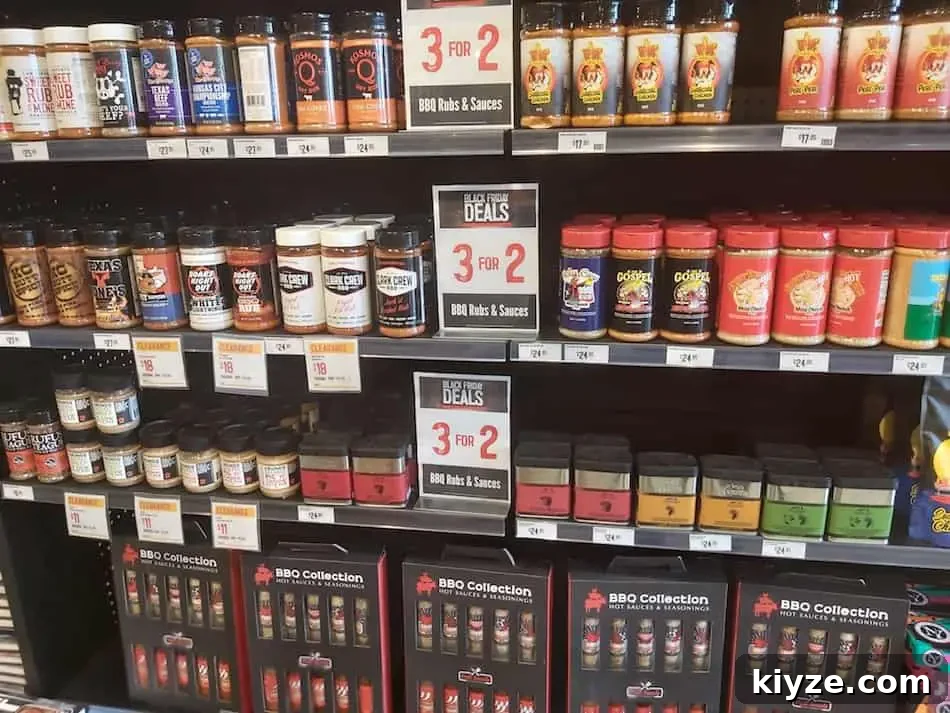
Malcolm Reed’s ‘Killer Hogs’ Brisket Rub
Malcolm Reed, the creator of the popular How To BBQ Right channel, produces the Killer Hogs line of rubs. With years on the competition circuit, Reed’s blends are designed for bold barbecue flavors and consistent results on brisket.
Harry Soo’s ‘Slap-Yo-Daddy’ Brisket Rub
Harry Soo is a multiple-time smoked brisket champion and a familiar face from BBQ Pitmasters. His Slap-Yo-Daddy rubs are based on formulas developed during his competition career and are a dependable choice for brisket enthusiasts.
Butcher BBQ by David Bouska
David Bouska is a multi-time champion and creator of the Butcher BBQ product line. His rubs and injection marinades are developed from competition experience and are aimed at delivering strong, consistent flavors for brisket cooks seeking competition-style results.
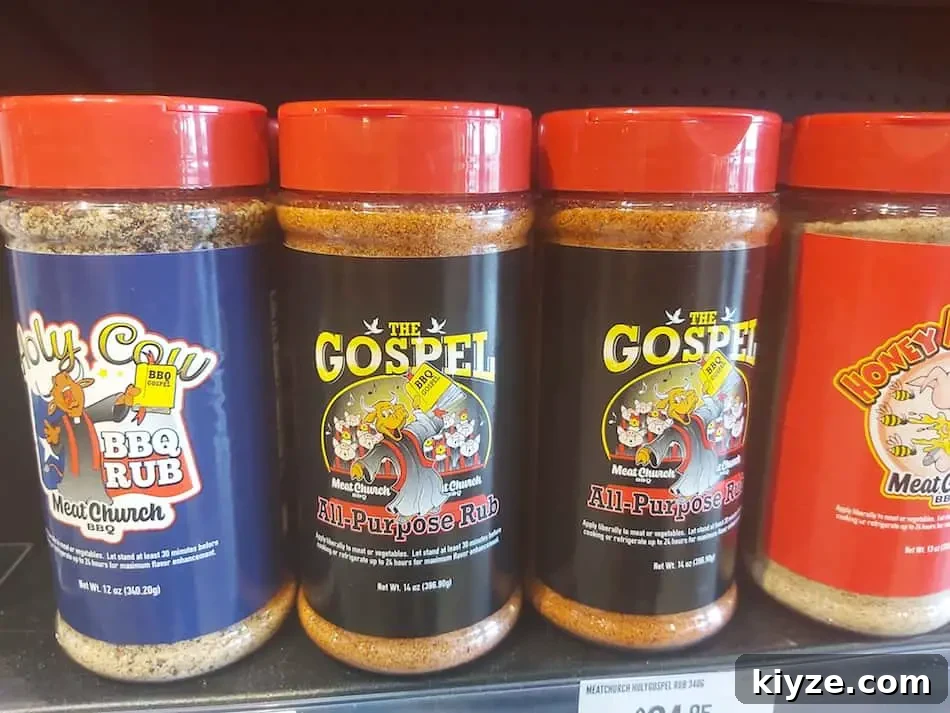
Meat Church Rubs
Meat Church is widely respected in the smoking community for producing high-quality rubs. Their Gospel and Holy Gospel blends work well on beef and are often recommended for brisket.
McCormick Montreal Steak Seasoning
Montreal Steak Seasoning is a practical, widely available option many pitmasters use. Its blend of coarse salt, garlic, onion, pepper, paprika and red pepper translates well to brisket for cooks who want convenience and familiar flavors.
Homemade Rub Recipes – Make Championship Rubs Yourself
After smoking a few briskets you’ll realize how much rub you use and may prefer to mix your own. Basic brisket rubs are easy to assemble from common pantry spices. The most reliable recipes come from experienced pitmasters—below are a few standout homemade options worth trying.
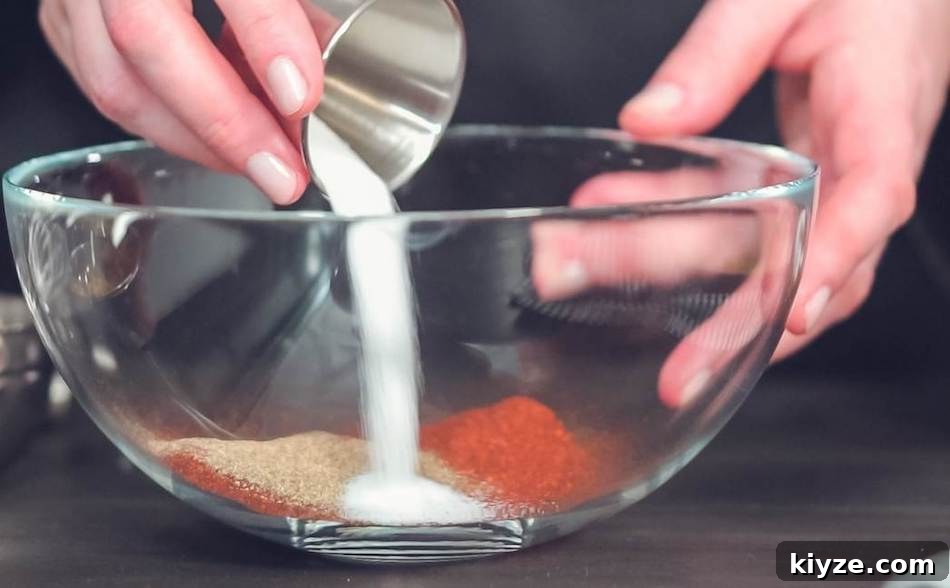
Meathead’s Famous Big Bad Beef Rub Recipe
Meathead Goldwyn of Amazing Ribs is one of the most trusted voices in barbecue. His Big Bad Beef Rub is a balanced blend that emphasizes pepper and savory spices to complement beef.
Big Bad Beef Rub
- Ground black pepper – 3 tbsp
- Granulated white sugar – 1 tbsp
- Onion powder – 1 tbsp
- Garlic powder – 2 tsp
- Mustard powder – 2 tsp
- Chili powder – 2 tsp
- Cayenne powder – 1 tsp
Big Bad Beef Rub Variation
Some cooks vary Meathead’s formula by adjusting salt separately and increasing the pepper for a bolder crust. Adjustments like these help you dial in flavor and salt levels for your personal taste.
Linn Brothers BBQ Rub Recipe
The Linn brothers from Townsend Spice & Supply shared a straightforward rub that uses common pantry spices. Their recipe earned praise from Malcolm Reed and is a reliable, easy-to-make brisket blend.
What Brisket Rub Does Aaron Franklin Use?
Aaron Franklin, a leading authority on Texas-style brisket, relies on a minimalist rub: kosher salt and coarse café-ground black pepper. His approach highlights smoke and quality meat while still producing an excellent bark and flavor.
Aaron Franklin’s Rub Recipe
- Kosher salt – ¼ cup
- Ground black pepper (16-mesh “café grind”) – ¼ cup
- Mustard or hot sauce (optional) used as a binder
Franklin emphasizes using a coarse, robust pepper because with only two primary seasonings, the pepper plays a major role in texture and flavor.
Standard Barbecue Rub
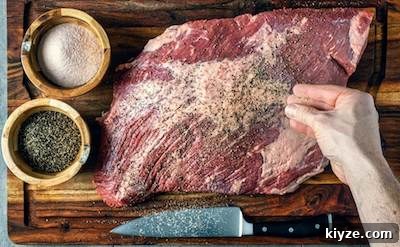
This is a versatile rub inspired by Townsend Spice & Supply. Adjust quantities to taste and store the mix for easy use on brisket and other cuts.
10 minutes
10 minutes
Ingredients
- – ½ Cup Paprika
- – ½ Cup Salt
- – ½ Cup Sugar
- – ½ Cup Granulated Garlic
- – ¼ Cup Granulated Onion
- – ¼ Cup Chili
- – ¼ Cup Cumin
- – 2 Tablespoons Black Pepper
- – 2 Tablespoons Dry Mustard
- – 1 Tablespoon Cayenne Pepper
Instructions
- Combine all the spices in a large bowl until evenly mixed.
- Store the rub in airtight containers or rub shakers for easy use.
Applying The Rub – Do You Need A Binder?
Using a binder helps the rub adhere to the brisket and encourages even bark formation. The binder doesn’t significantly change flavor, so choose based on convenience and preference. Common binders include yellow mustard (the most popular), mayonnaise, olive oil, or hot sauce. Apply just enough to make the surface tacky so the rub will stick without making the meat overly wet.
When Do You Add The Brisket Rub?
Apply rub at least 30 minutes before smoking. Some cooks rub the night before, but herbs and spices mainly act on the surface, so extended time isn’t required unless you are dry-brining with salt. If you dry-brine overnight, add the rest of the spices just before cooking.
How To Sprinkle Rub – How to Apply Rub To Brisket
Cover the entire brisket with a consistent layer. After applying a binder, sprinkle rub over the back, front, and sides, pressing gently so it adheres. If presentation matters, save the best-facing side for last so it receives the freshest, most even coating.
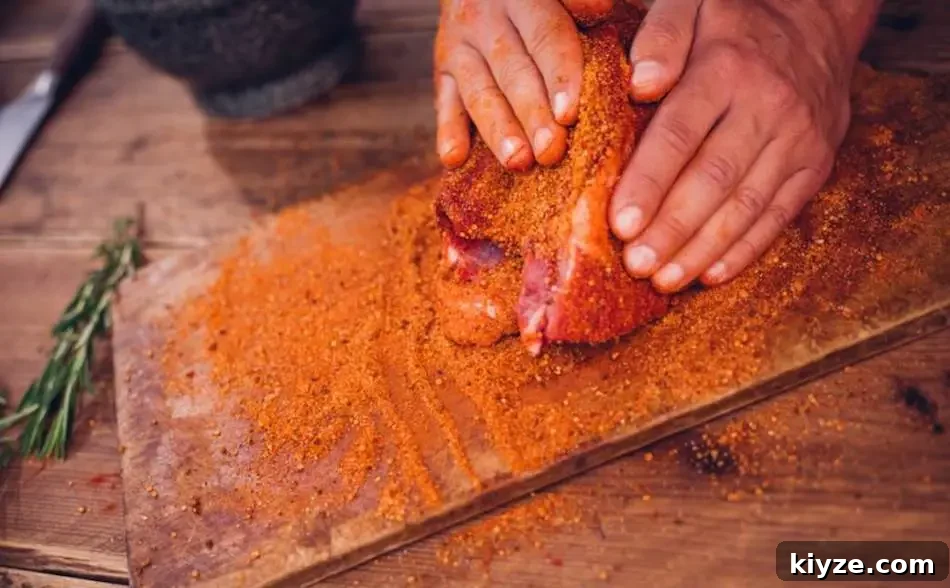
- Apply the binder evenly across the brisket surface.
- Sprinkle rub on the bottom side, pressing to help it stick to the binder.
- Turn the brisket on its side and repeat until all sides are covered.
- Finish with the presentation side last, adding a final even layer and pressing gently.
Use A Rub Shaker
Invest in a few rub shakers to make seasoning easier. Plastic shakers are affordable, while stainless steel models are more durable. Store-bought shakers let you apply rub evenly and speed up prep when you’re seasoning large cuts.
Beware of Sugar in Rub
For beef, favor savory rubs over sweet. Sugar is commonly used to help create a crust, but high-sugar rubs are better suited to pork. Check labels on commercial blends—if a rub is very sweet, consider using it on pork rather than beef.
Go Easy On The Salt in Rub
Many commercial rubs contain significant salt. If you plan to dry-brine with kosher salt separately, choose a low-salt rub or control salt yourself to avoid an overly salty result. Controlling salt gives you more consistent, balanced brisket seasoning.
Dry Brine Brisket With Salt Separately
Salt added ahead of cooking helps the brisket retain moisture during the long, low-temperature cook and seasons the interior. If you’re dry-brining, apply the salt in advance and add the rest of the rub closer to cook time so surface spices remain fresh.
What is a Dry Rub? Why is it Important?
A dry rub is a blend of spices and seasonings applied to the surface of meat. On brisket, the rub combines with rendered fat and smoke to create the bark. Brisket tolerates bold flavors, so rubs often include ingredients like cumin, onion and garlic powders, paprika, kosher salt, and black pepper. Try variations and tweak to suit your taste.
How to Store Homemade Rub
Mix larger batches for convenience and store them in airtight containers in a cool, dry, dark place. Properly stored rubs will keep for several months; avoid moisture and sunlight to preserve flavor and potency.
Related Articles:
Should I Inject Brisket? The Complete Brisket Marinade Guide
9 Ways To A Crispy Brisket Bark – Never Have Soft Bark Again
How To Smoke Tri-Tip Like A BBQ Pitmaster
Should I Brine Brisket? The Step-By-Step Guide