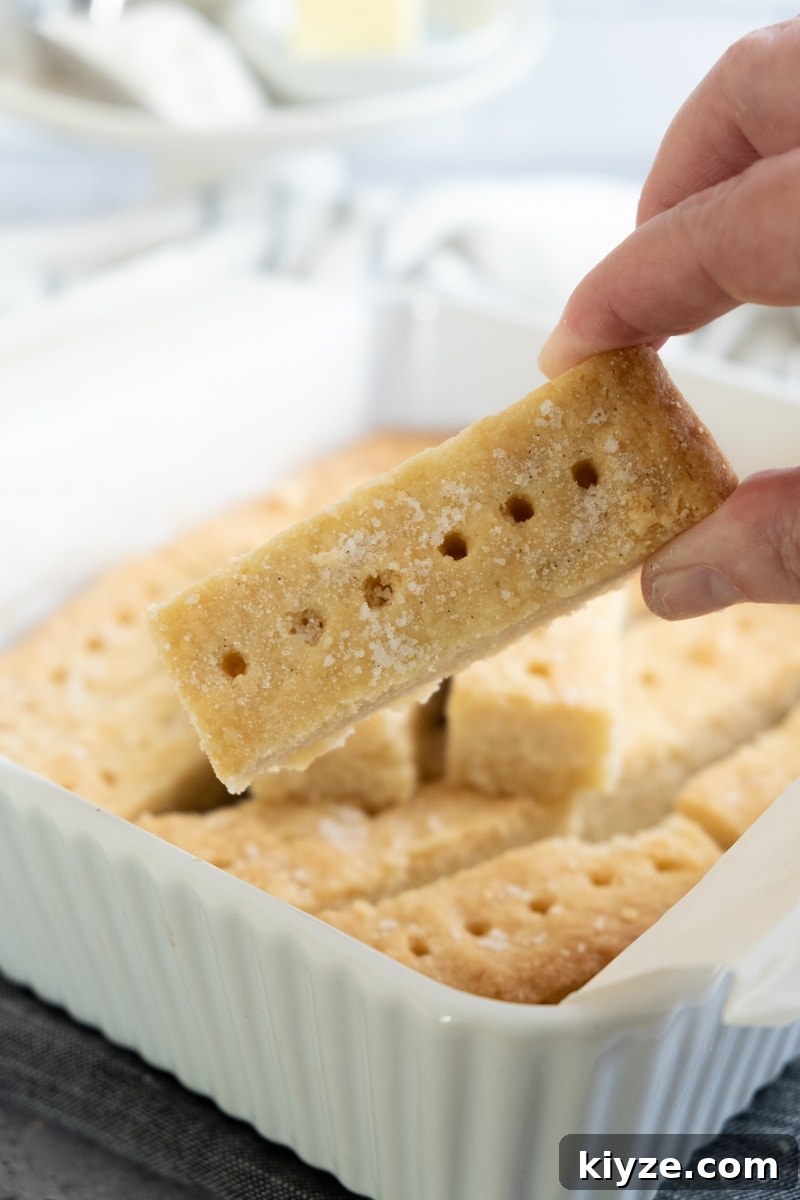
If you love the crisp, crumbly, buttery texture of Walker’s shortbread, you’ll enjoy this simple traditional Scottish shortbread recipe. It uses just three basic ingredients and yields rich, melt-in-your-mouth cookies or bars.
With butter, sugar, and flour you can make classic shortbread that’s perfect for afternoon tea, gift boxes, or any time you want an easy, elegant cookie without eggs.
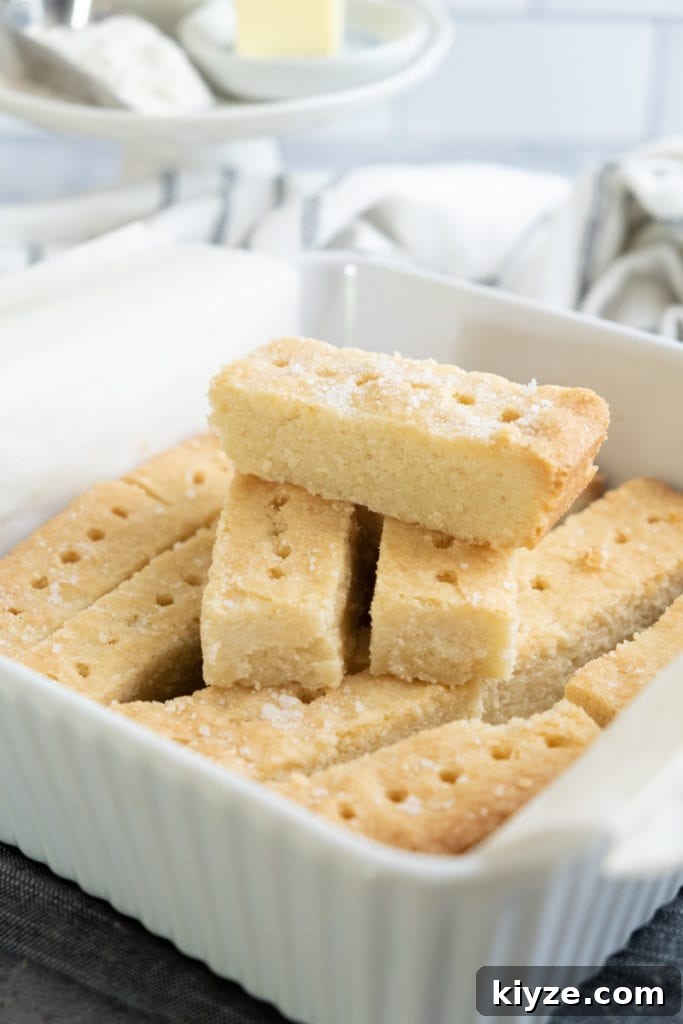
High-quality ingredients make all the difference in shortbread. Whether you shape it into thick bars or roll it thin for crispy rounds, the buttery flavor is the star.
Over the years I’ve tested many variations—different sugars, butters, chilling methods, thicknesses, and baking times—to land on this reliable, delicious version.
This recipe works well for special occasions like showers and tea parties, as a simple after-dinner treat, or for celebrating National Shortbread Day with a proper cup of tea.
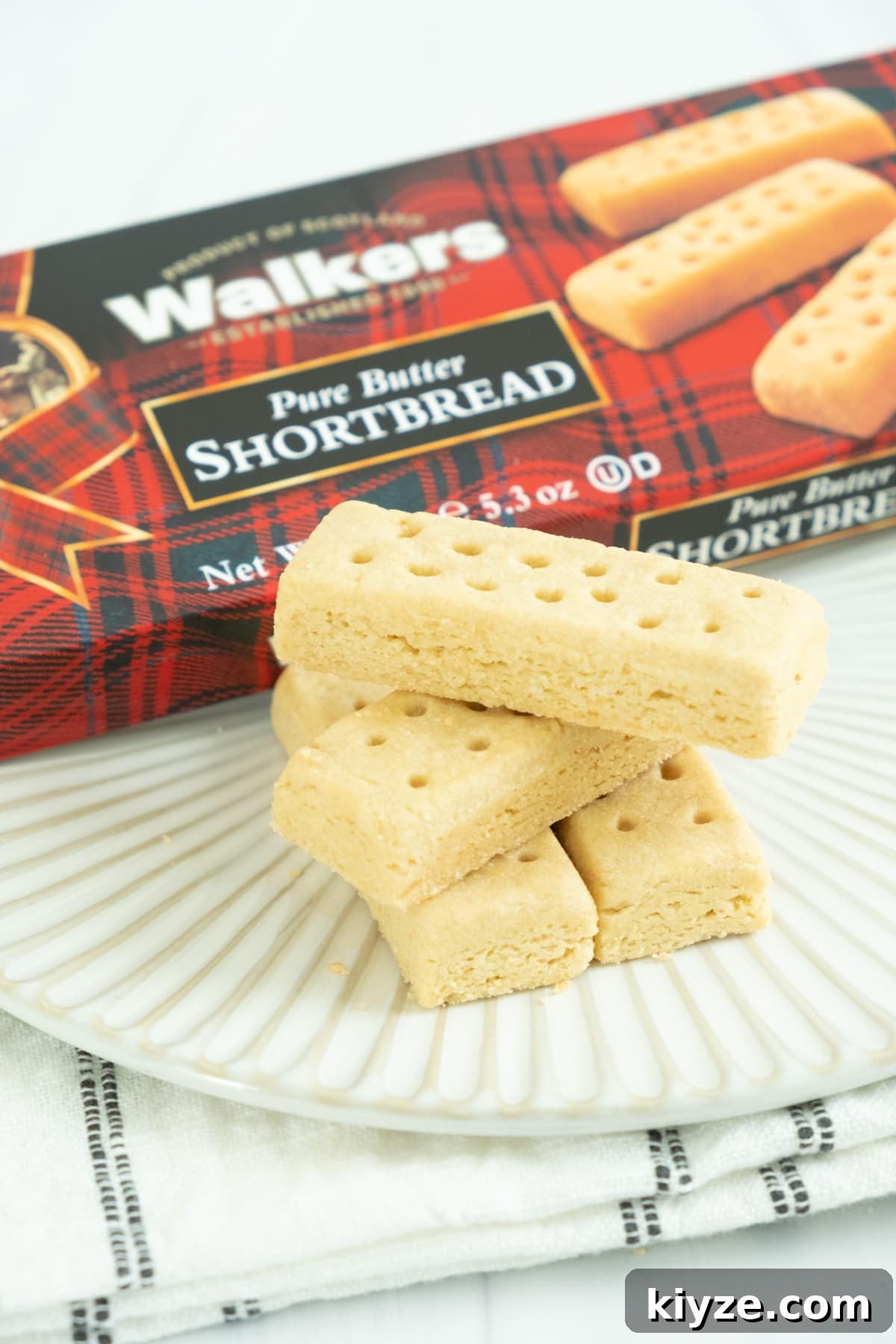
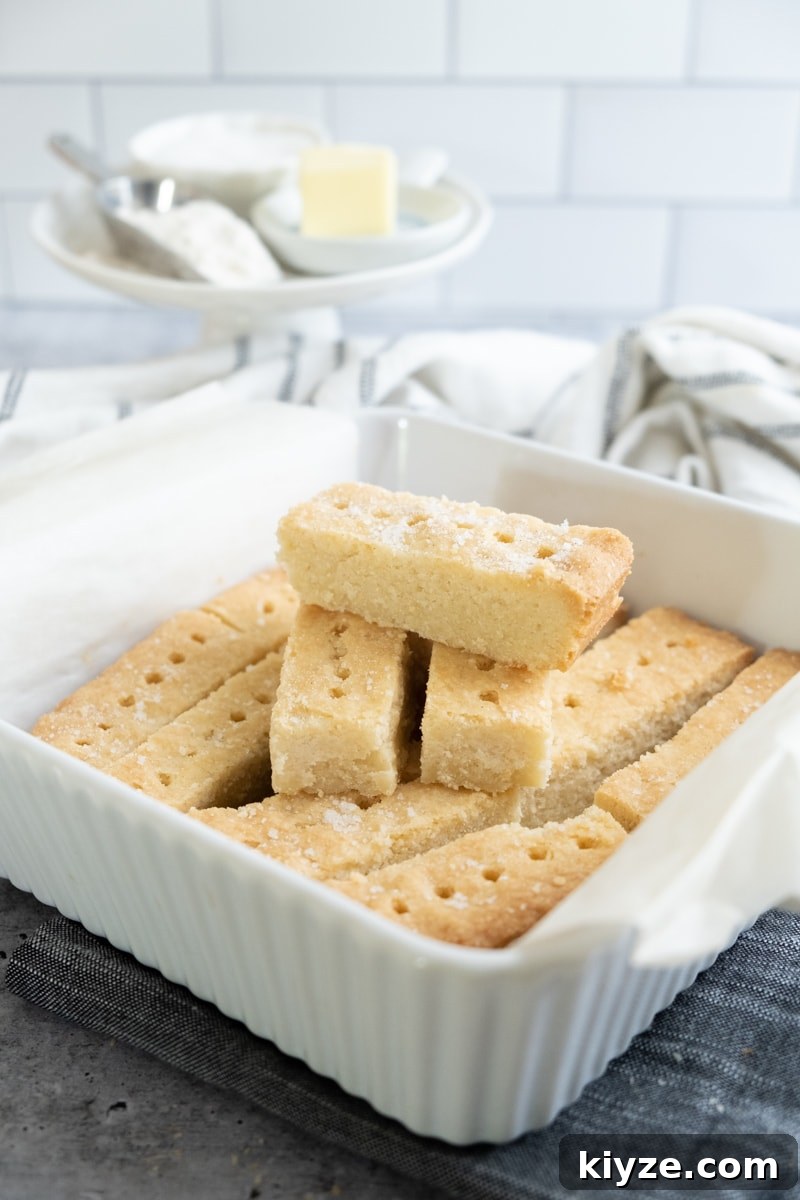
About This Recipe
This is an easy, traditional shortbread recipe that consistently pleases. I often make it as bars because they’re quick and transport well, but you can also roll and cut the dough for thinner, crisp cookies.
Common variations I tested include:
- Granulated, brown, or powdered (confectioner’s) sugar
- Salted butter versus unsalted plus added salt
- Different regional butters (Irish/European vs American)
- Chilling the dough or baking immediately
- Different baking temperatures and times
- Making bars or cookies and adjusting thickness
Sometimes I keep to the three essential ingredients; other times I add vanilla extract or vanilla bean caviar for extra depth. A light sprinkle of fleur de sel and vanilla sugar on top adds a lovely crunch and flavor contrast.
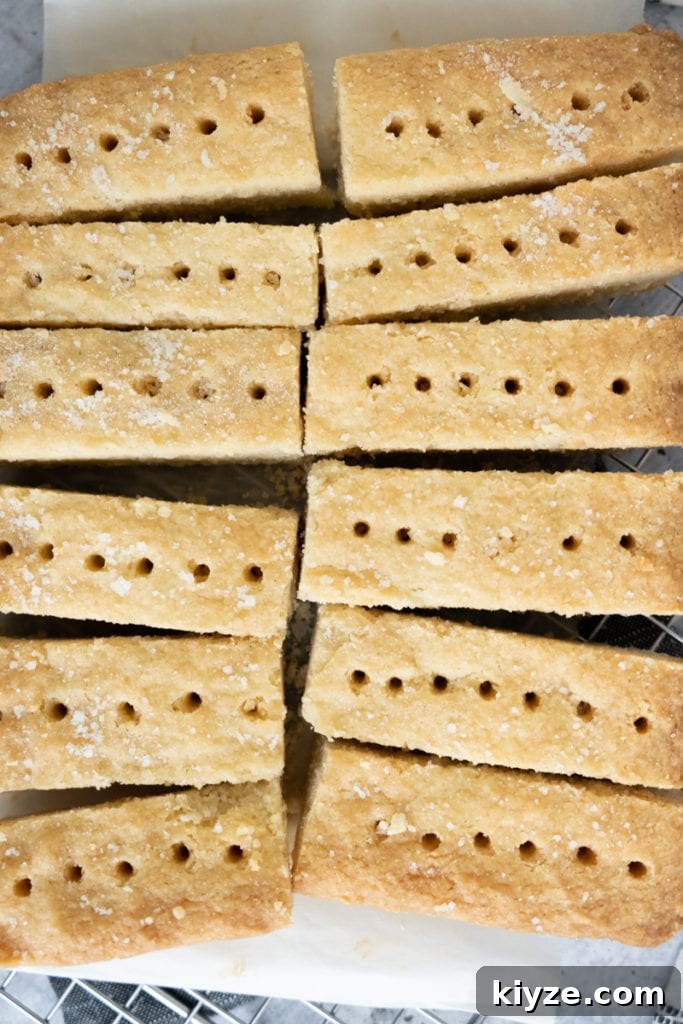
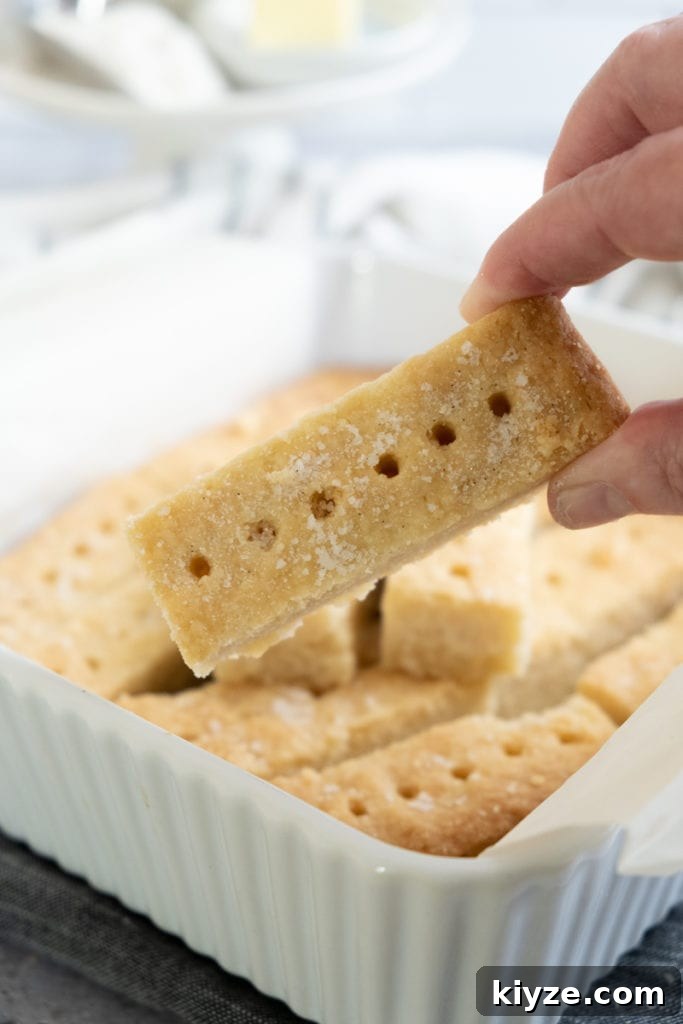
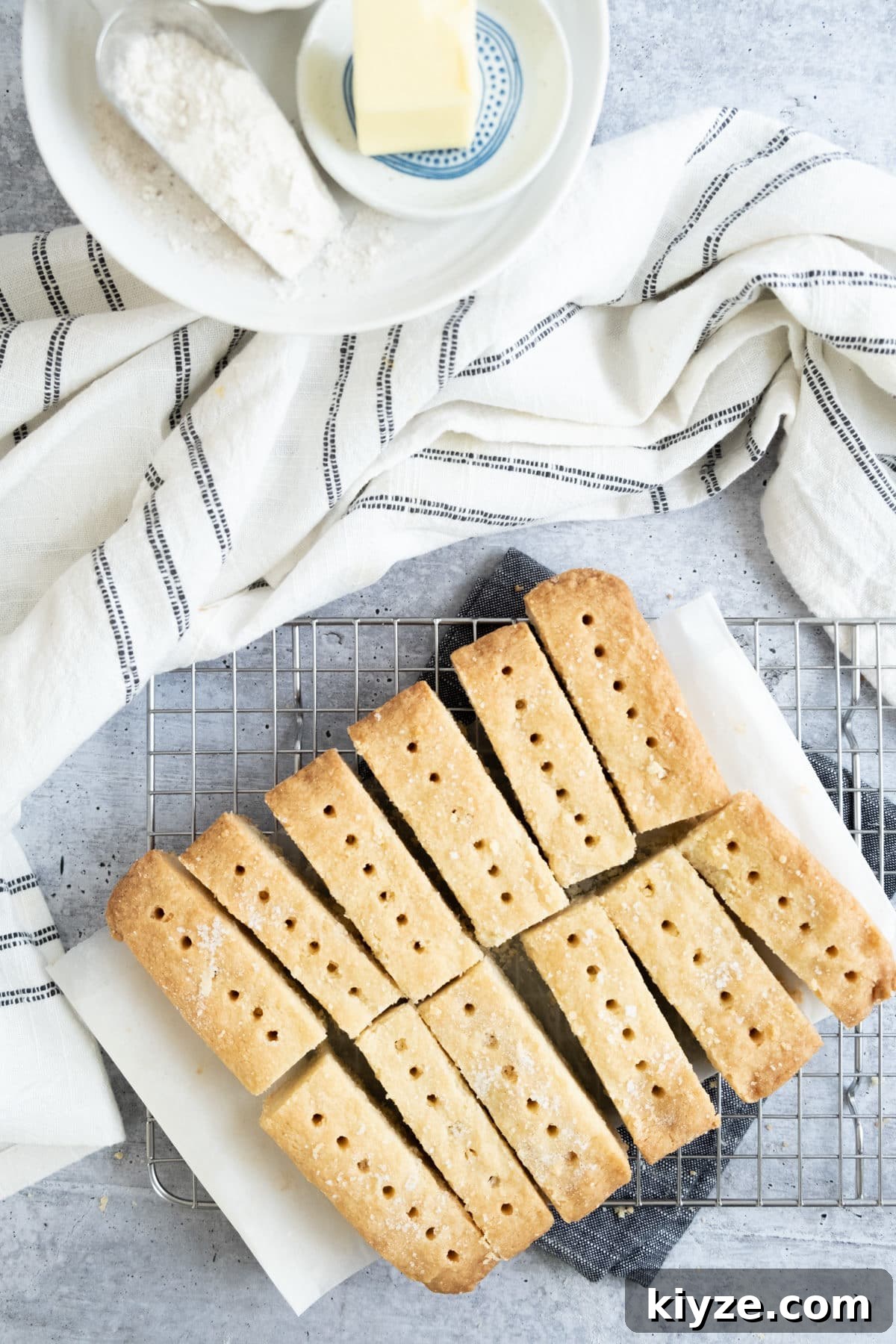
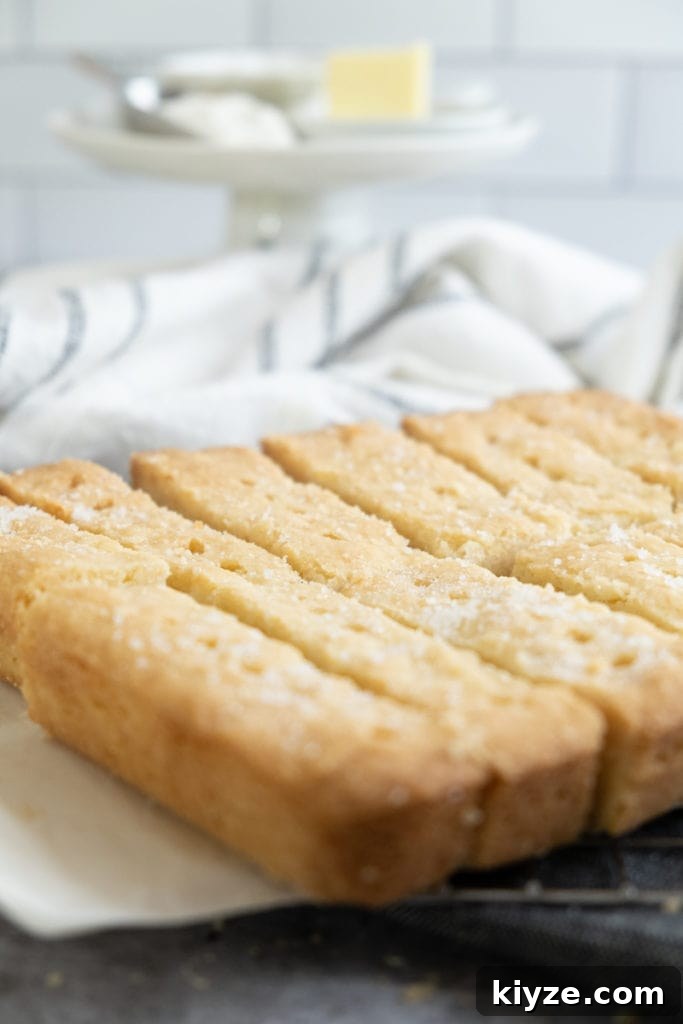
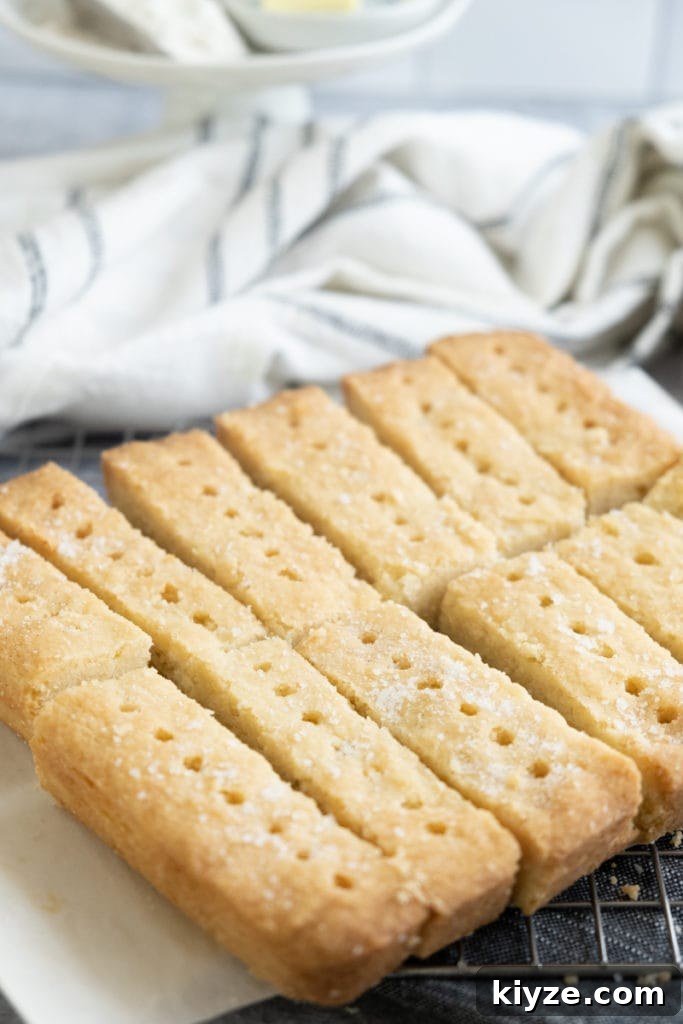
The photos show shortbread fingers, but the instructions include how to make crisp round cookies as well.
FAQ
Do I need rice flour?
No. You can use all-purpose flour for excellent results. Some recipes substitute part of the flour with rice flour for a slightly different texture, but it’s not required.
Can I use unsalted butter?
Yes—add 1/4 to 1/2 teaspoon salt when creaming the butter and sugar. I prefer salted butter for a slightly better flavor, but both work.
Should I use Irish or European butter?
Irish or European-style butter often gives the best flavor and a crisper texture because of its higher fat content. If you have access to it, use it; if not, good-quality American butter still makes tasty shortbread.
Which sugar is best?
I prefer powdered (confectioner’s) sugar for its fine texture and tenderness, though granulated or castor sugar also work. Brown sugar will change the flavor and texture and is my least favorite for traditional shortbread.
Do I need a food processor?
No. A bowl and a hand mixer (or stand mixer) are sufficient.
What You Need to Make This Recipe
Ingredients:
- Salted butter – room temperature; Irish or European butter recommended for best flavor
- Powdered sugar – preferred for tender texture; granulated or castor sugar can be used
- All-purpose flour – you can substitute part with rice flour if desired
- Fleur de sel and vanilla sugar – optional for sprinkling
Equipment:
- Mixing bowl and hand mixer (or stand mixer)
- Spatula
- 8×8 inch square baking pan lined with parchment
- Cooling rack
- Small knife for scoring and a long knife for slicing
- Baking tray lined with parchment or a silicone mat (for the second bake)
- Chopstick, toothpick, or fork to pierce the dough
- Airtight container for storage
- Bench scraper (optional, for rolling dough)
Recipe Variations, Notes & Tips
- Use soft, room-temperature butter. Cold butter won’t cream properly; if short on time, soften in 5-second microwave bursts or cut into small pieces so it comes to temperature faster.
- Measure flour accurately. Spoon flour into the measuring cup and level it off, or use a kitchen scale for consistency.
- Avoid overmixing. Mix only until the dough comes together to keep the shortbread tender.
- For crispier fingers: use higher-fat butter, chill the dough for at least 30 minutes, and perform the recommended “second bake.”
- To make cookies: roll the dough on a lightly floured surface, cut shapes, chill, and bake for a shorter time.
- Enhancements: dip cooled shortbread in chocolate, sprinkle with chopped nuts or dried fruit, or stir in vanilla bean, lemon zest, herbs, or small chocolate chips.
How to Make the Best Classic Shortbread
Preheat the oven to 325°F (162°C).
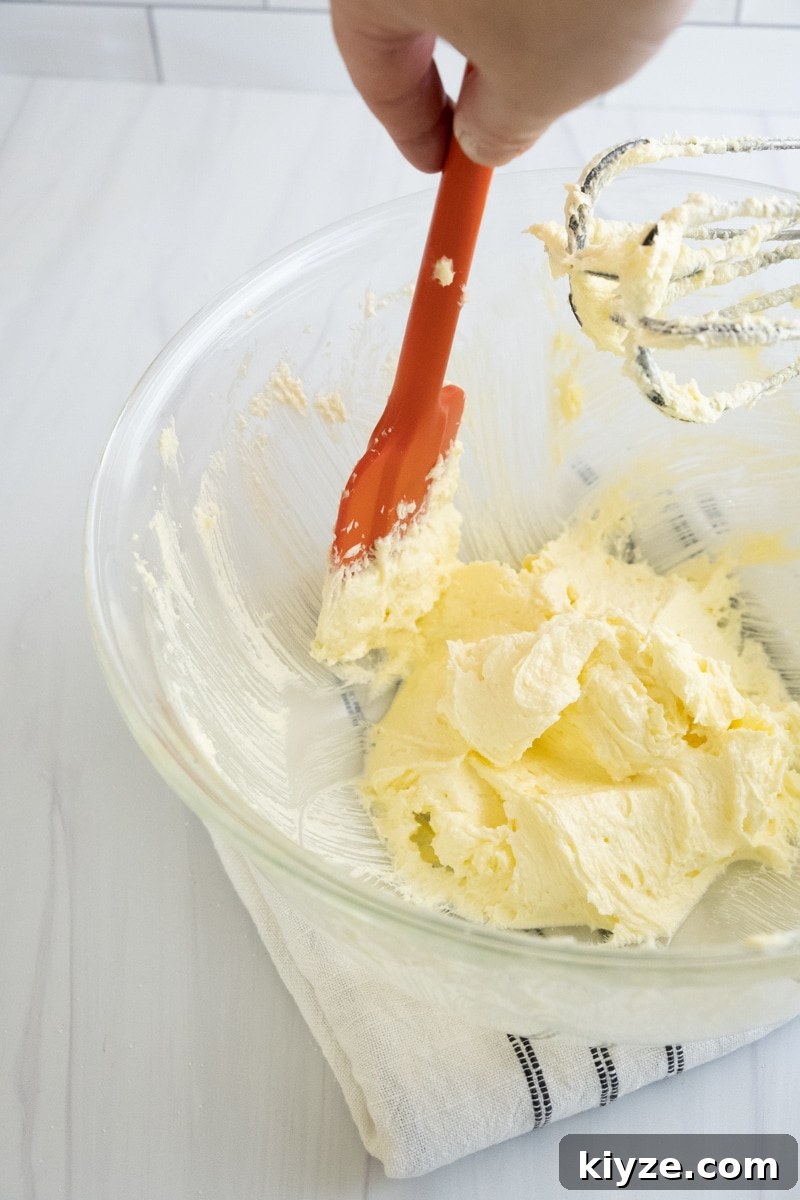
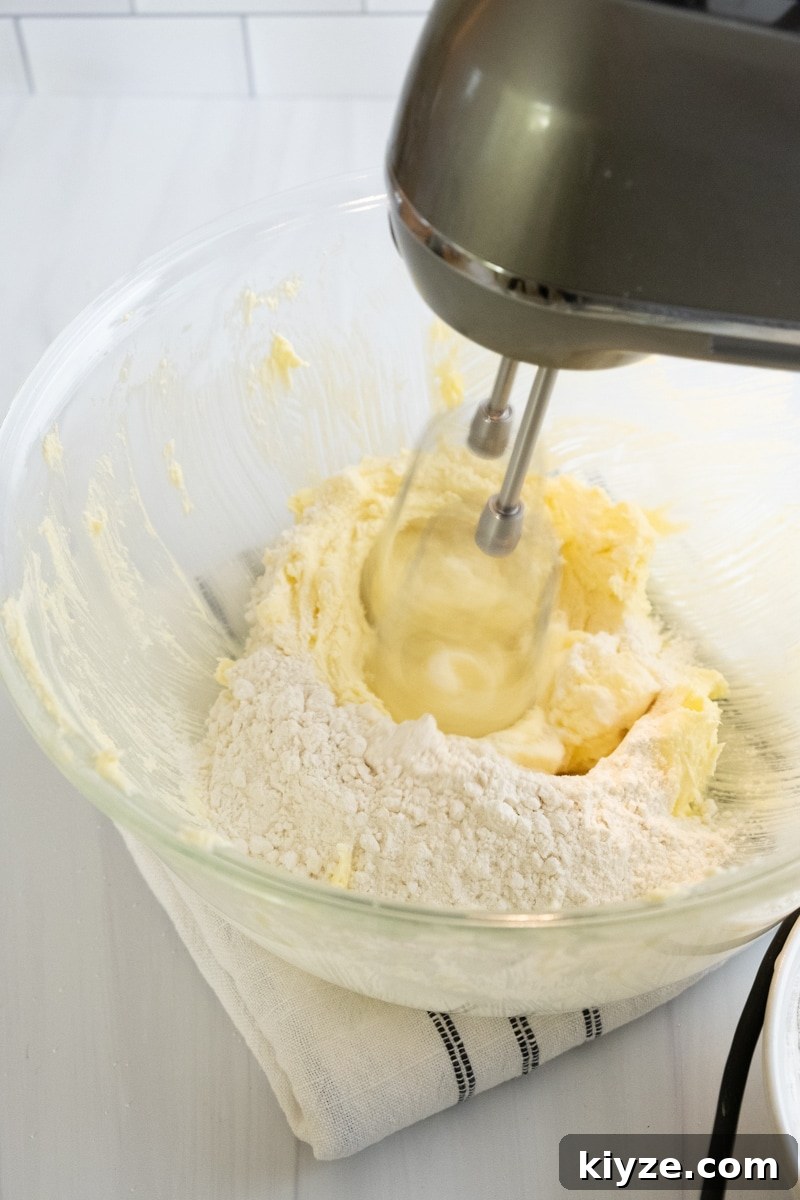
Cream room-temperature butter and the sugar until light and fluffy. If using unsalted butter, add 1/4–1/2 teaspoon salt while creaming. Scrape the bowl as needed.
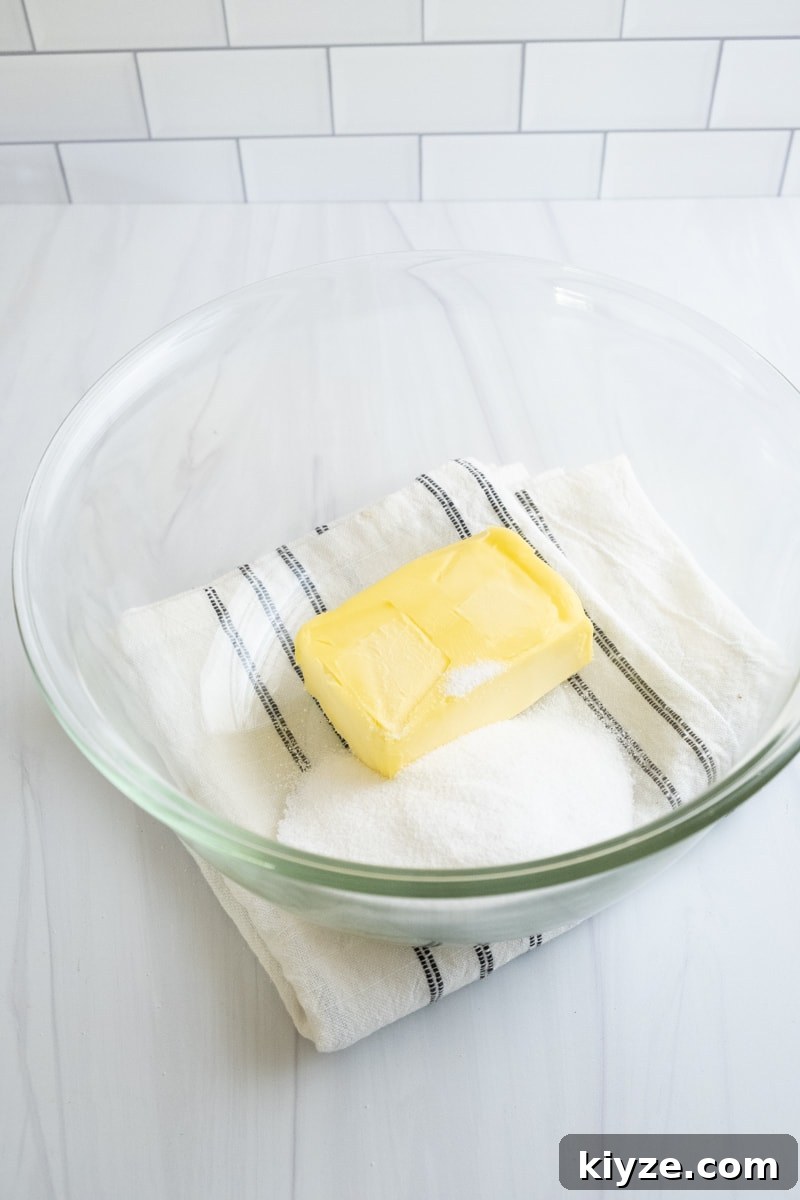
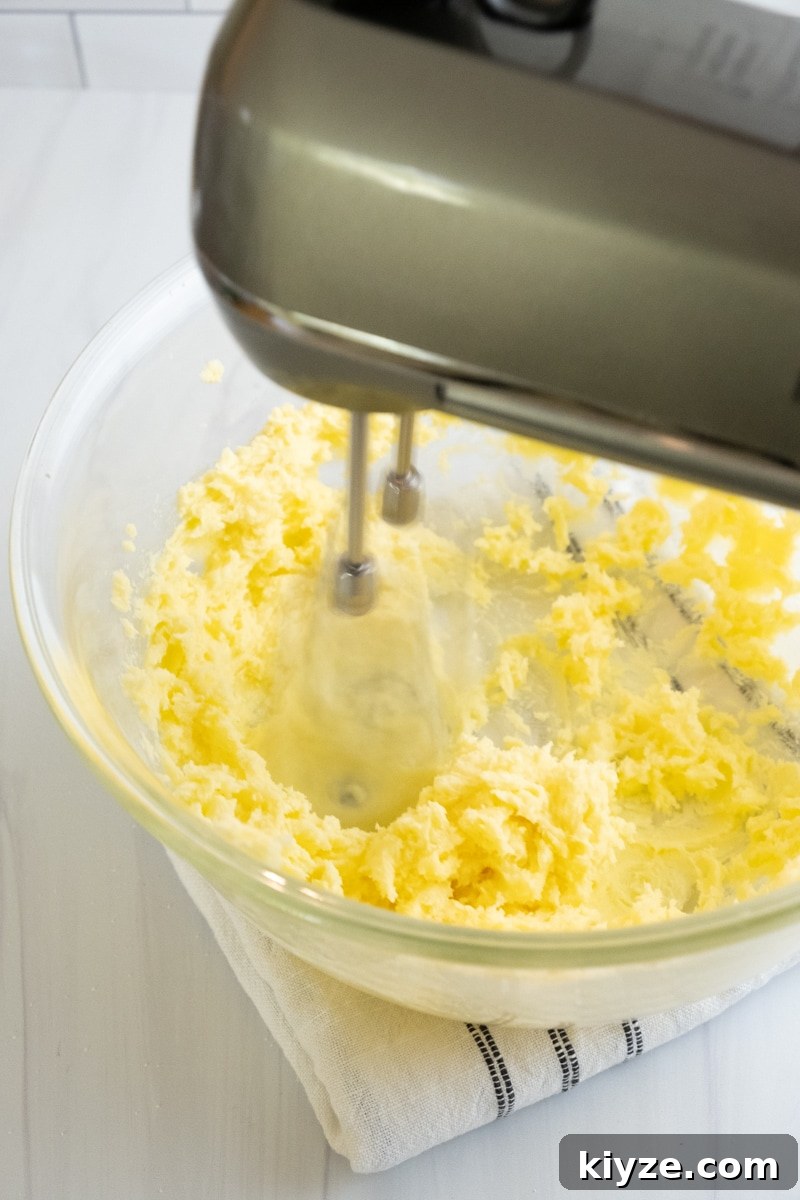
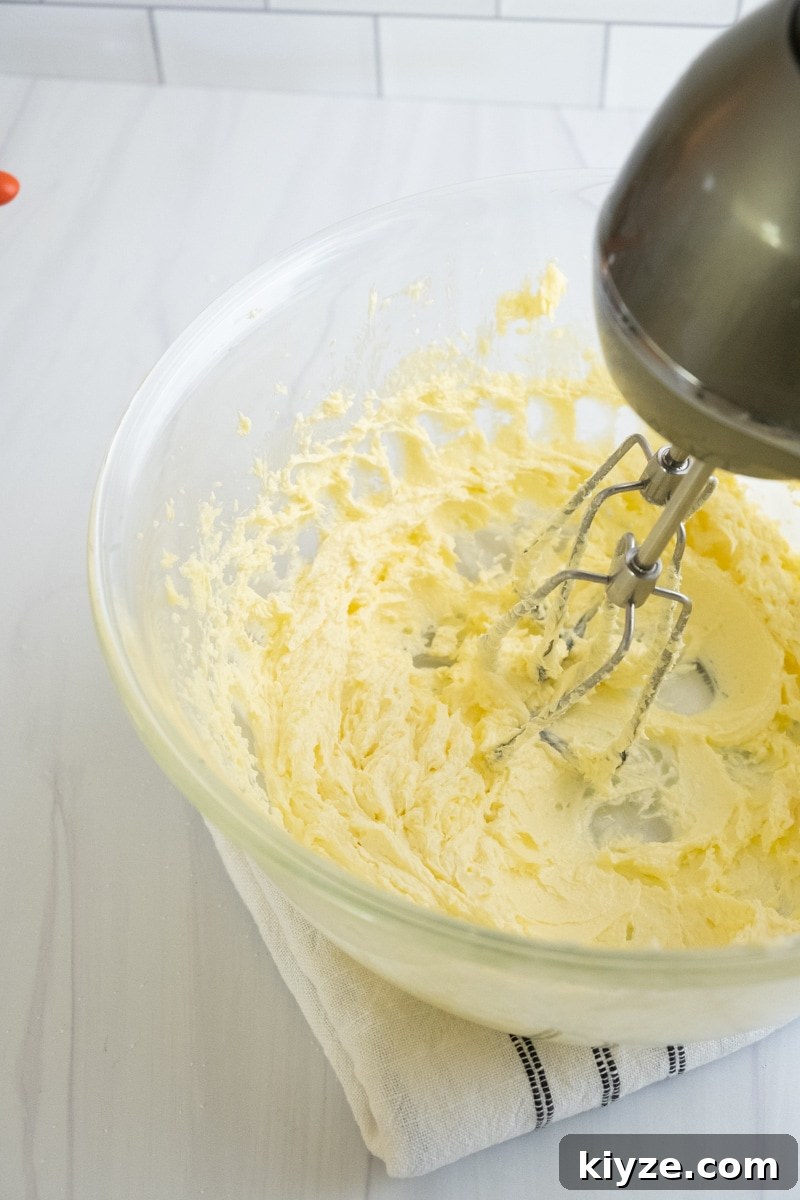
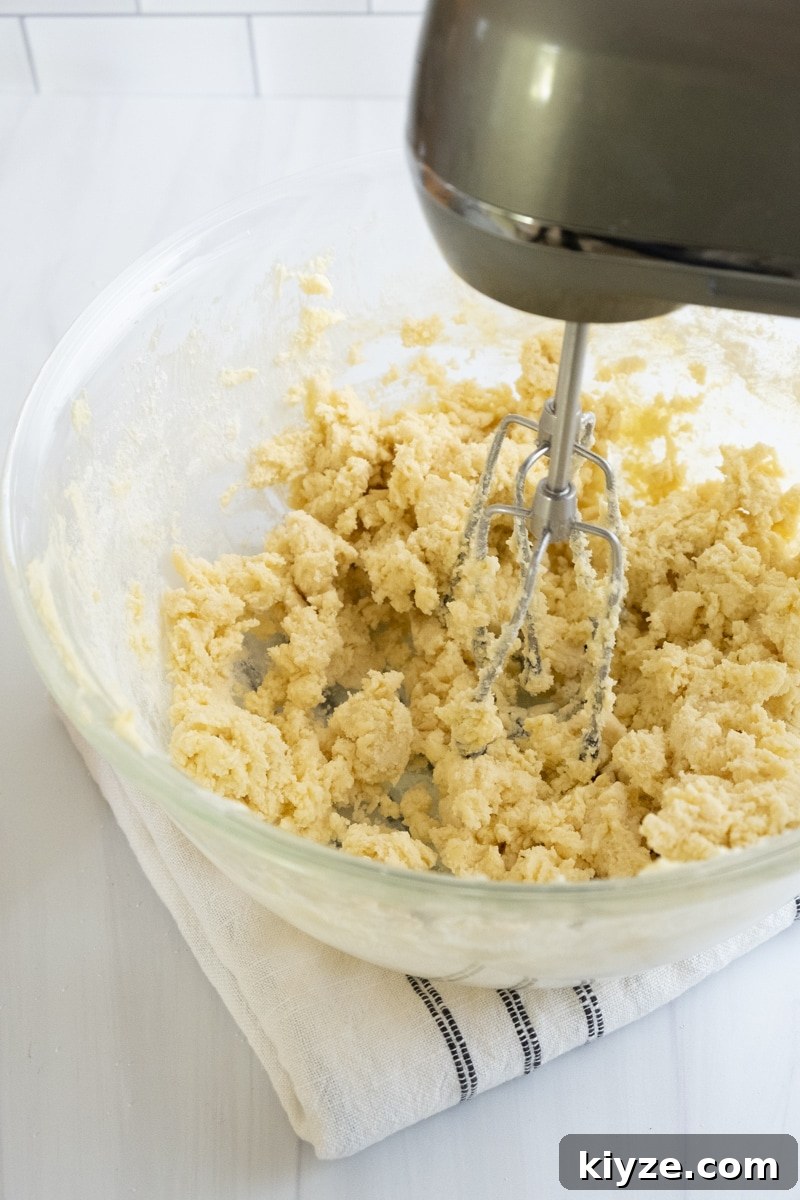
Add the flour and mix on low until the mixture is just combined. It will look crumbly at first, then come together into a soft dough.
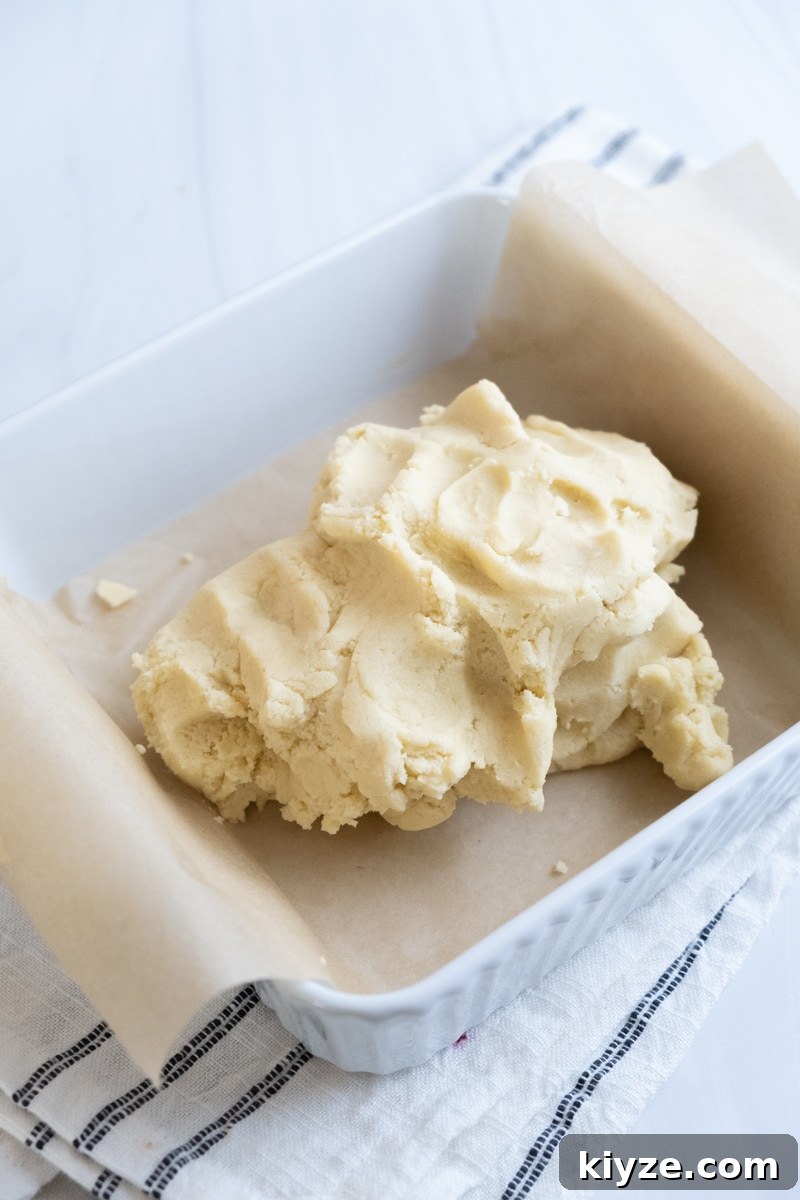
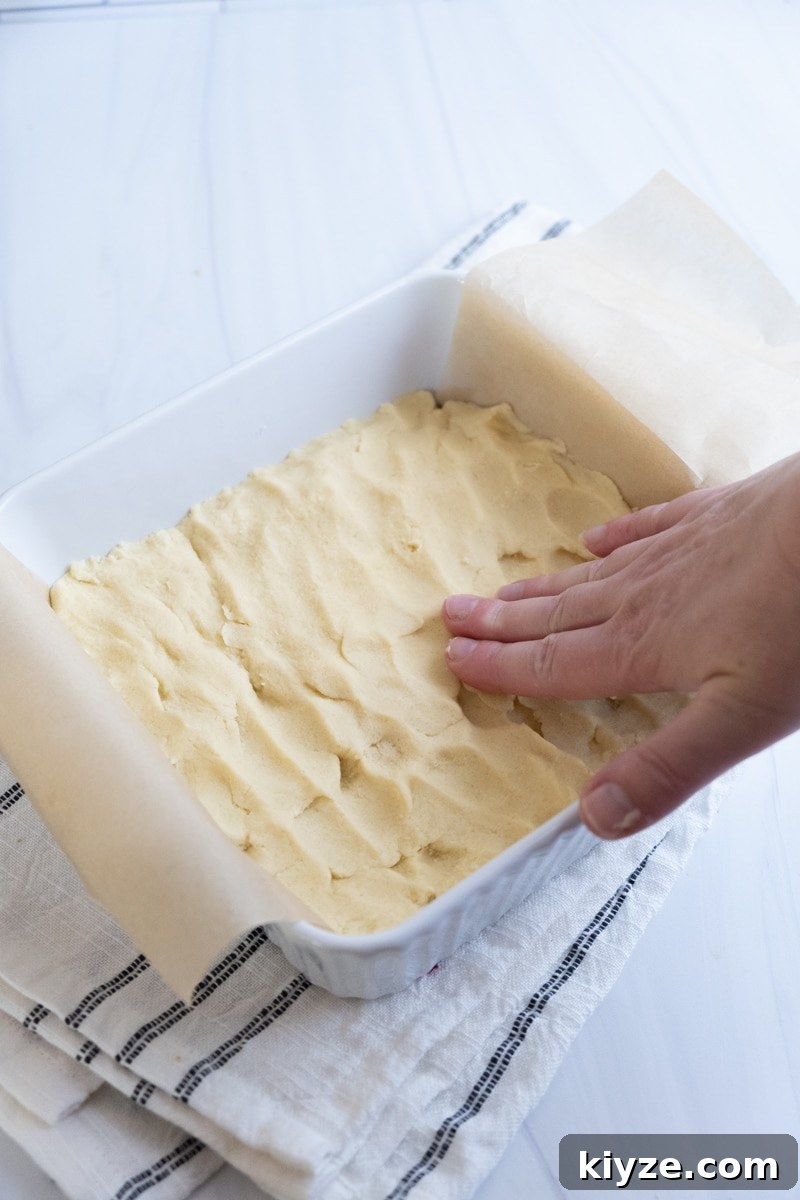
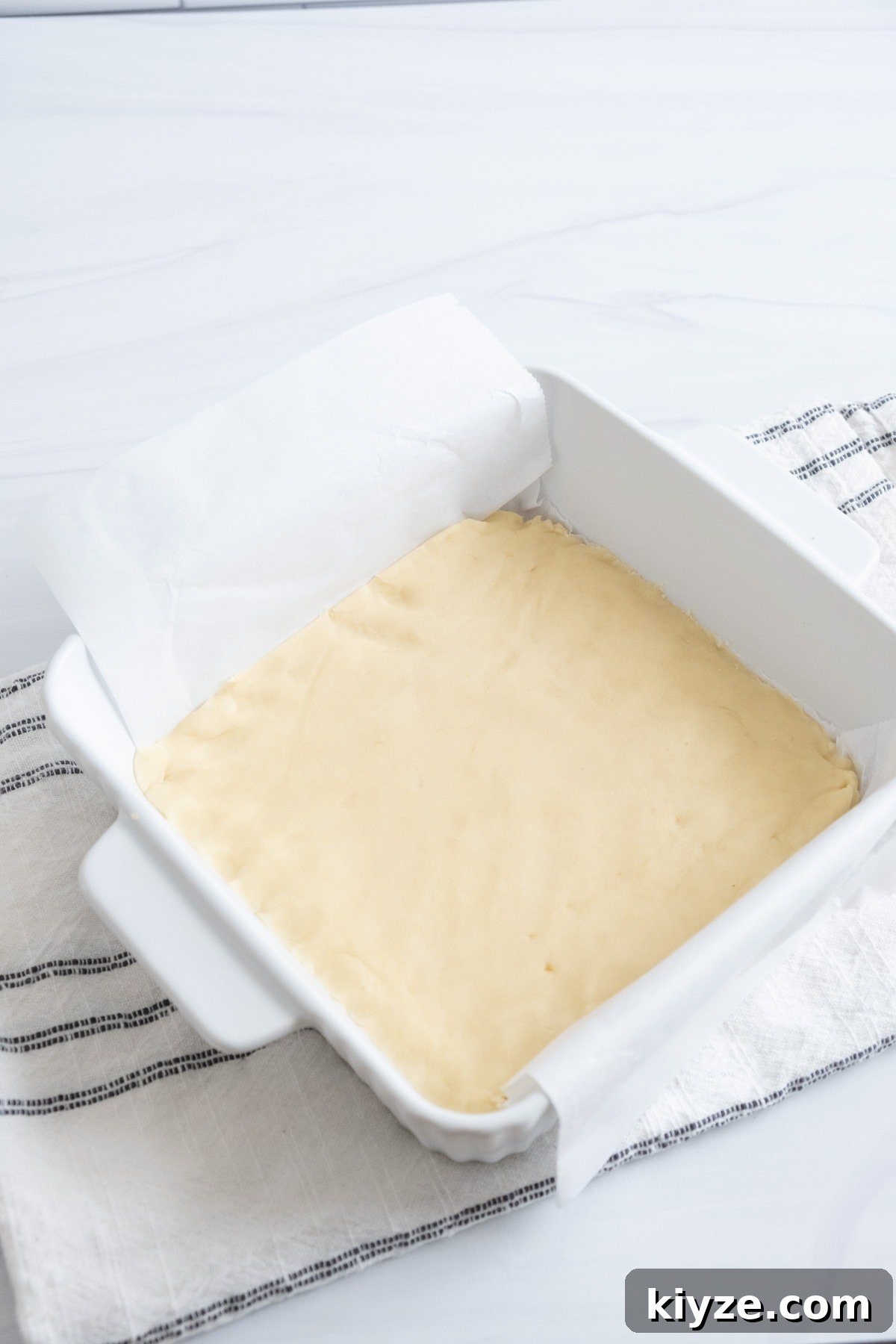
Press the dough evenly into a parchment-lined 8×8 inch (20×20 cm) pan. To smooth the surface, fold parchment over the dough and press with your fingers.
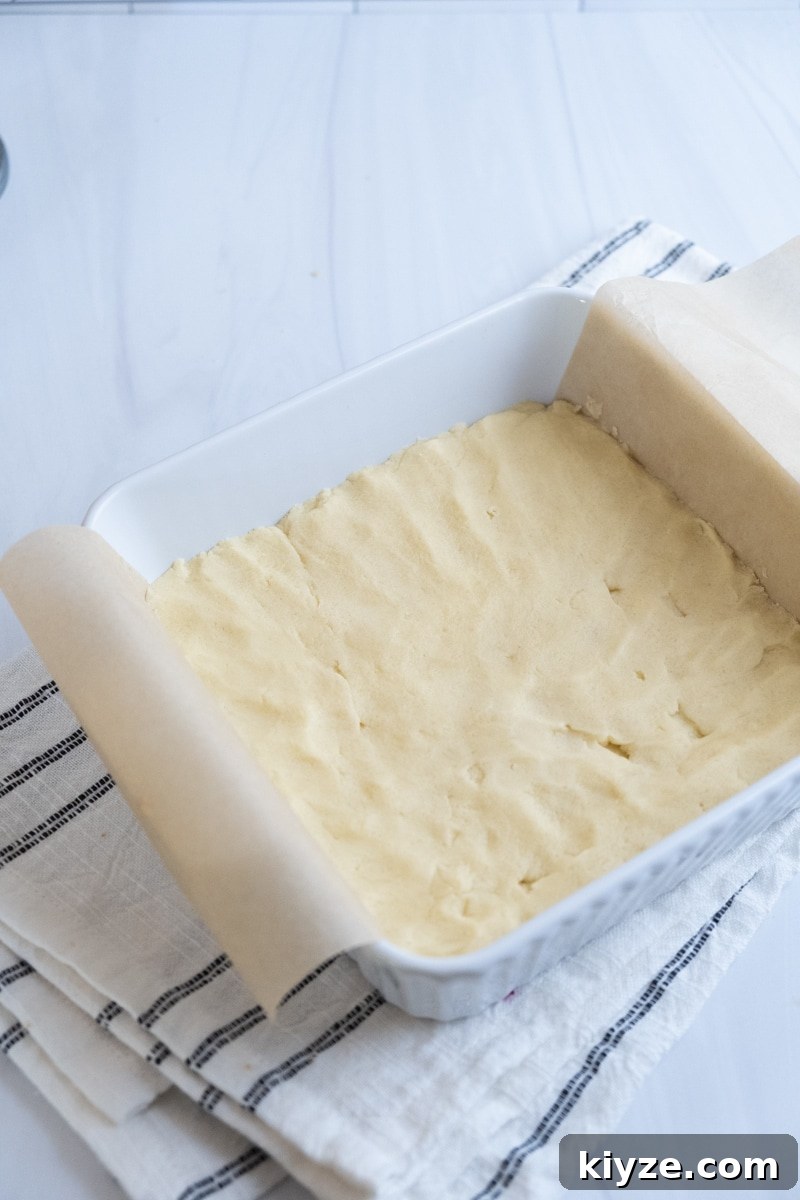
Cover with plastic wrap and chill for at least 30 minutes. Chilling firms the dough and helps create a crisper final texture.
Score the chilled dough into 12 bars: divide the square into four equal squares, then slice each square into three bars. Use a chopstick, toothpick, or fork to make small holes in each bar to allow steam to escape while baking. Sprinkle with vanilla sugar and fleur de sel if desired.
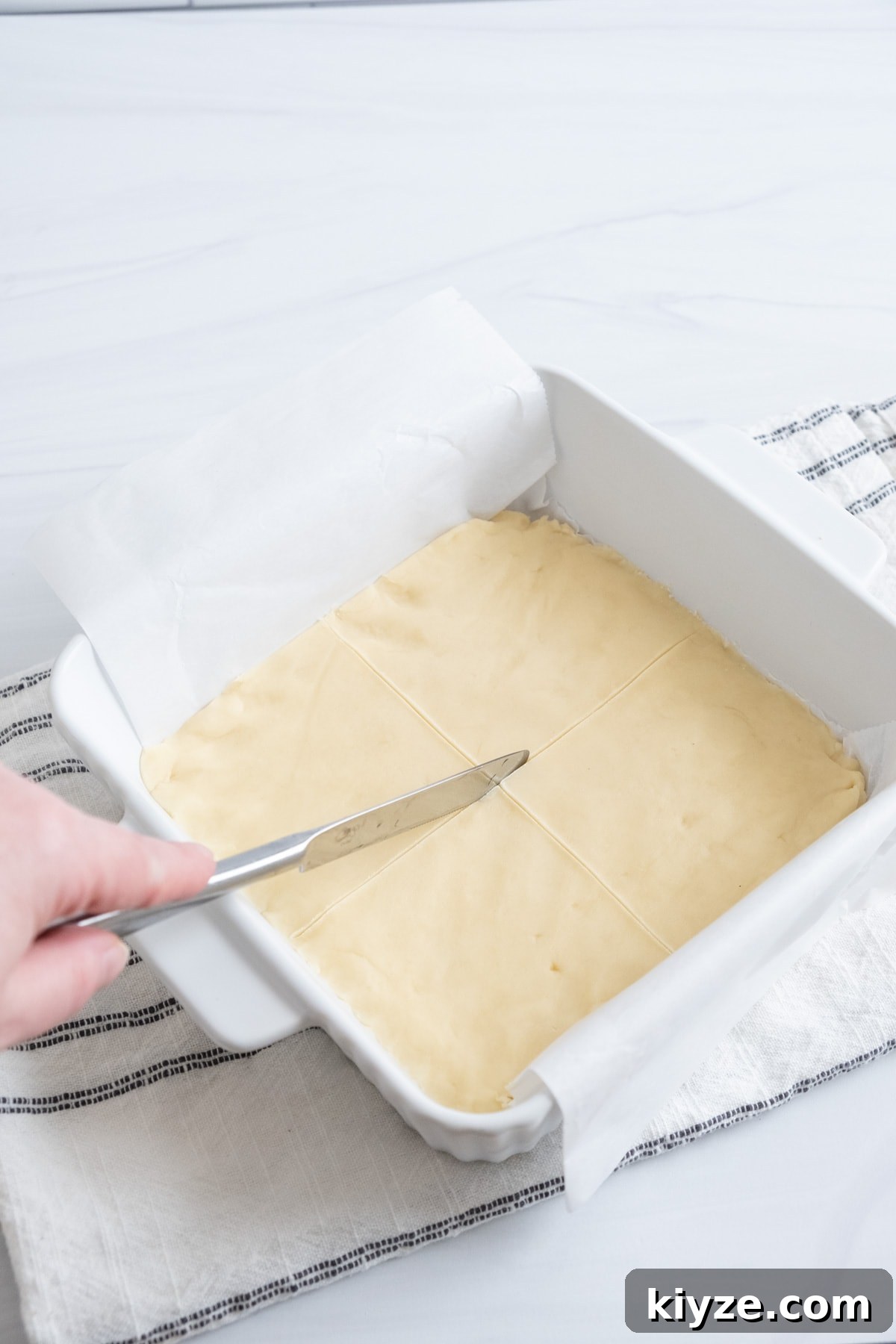
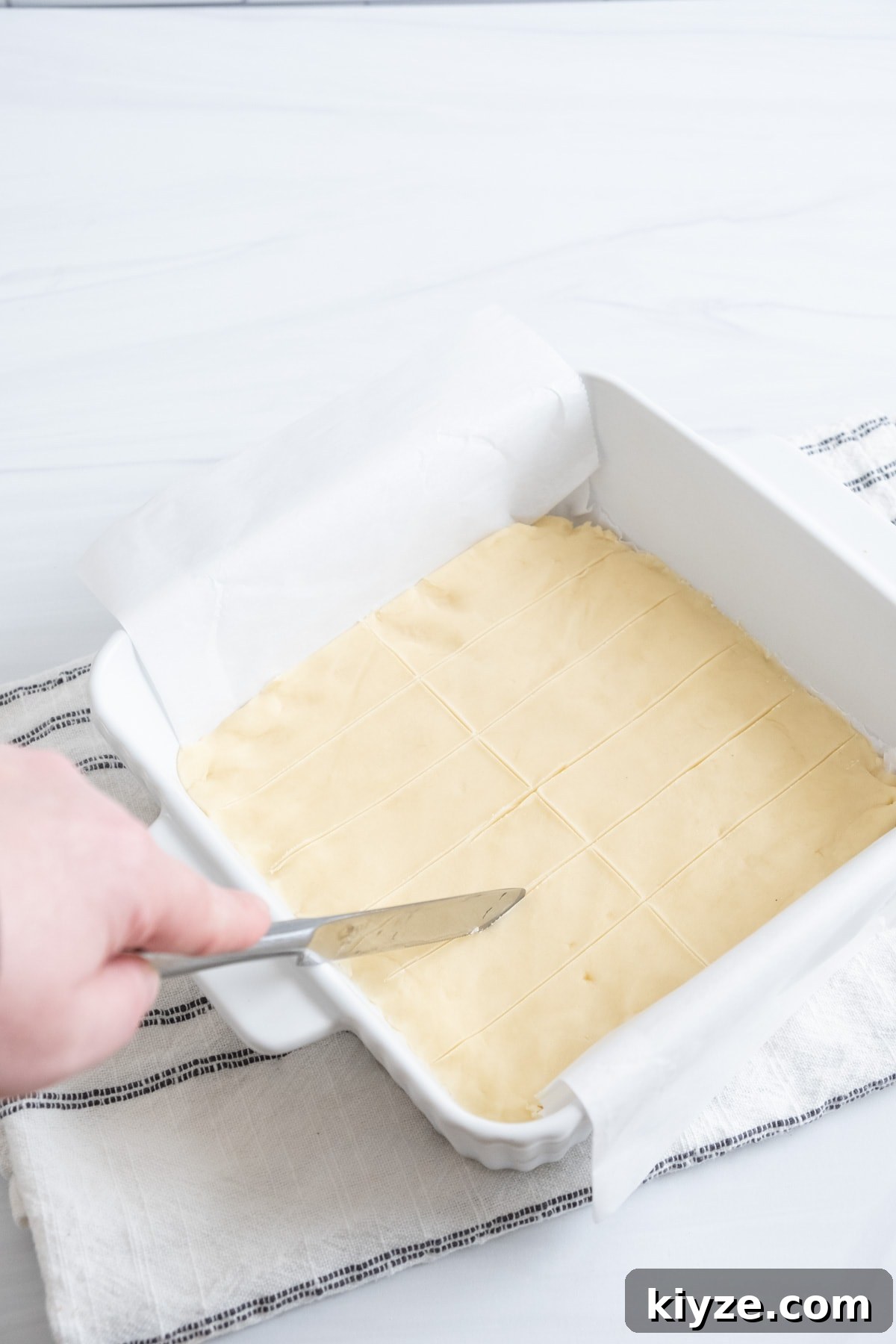
Bake at 325°F (162°C) for 40–45 minutes, until pale golden and the edges have begun to brown. The shortbread will be delicate when it comes out—let it rest in the pan briefly, then lift out using the parchment and transfer to a wire rack.
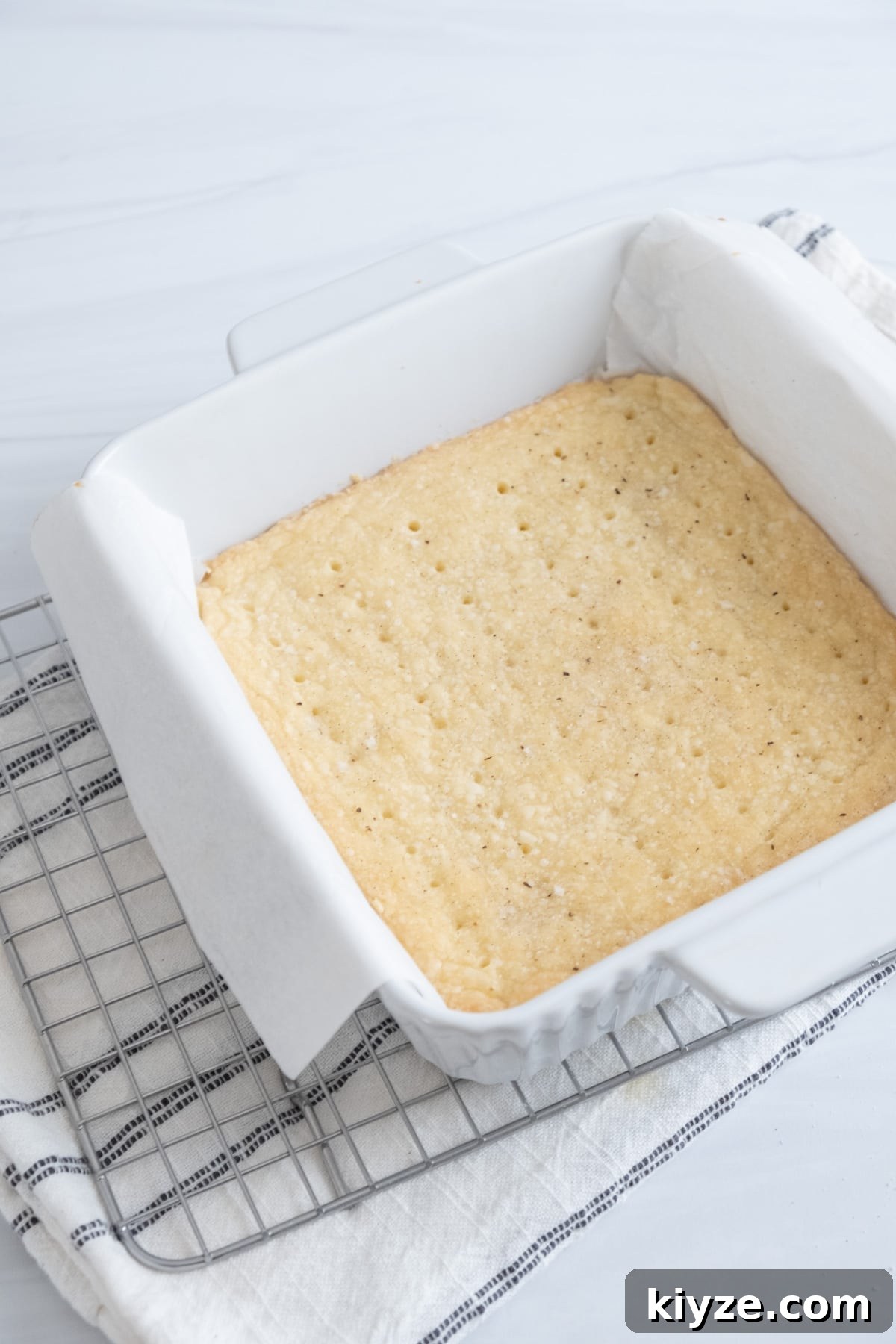
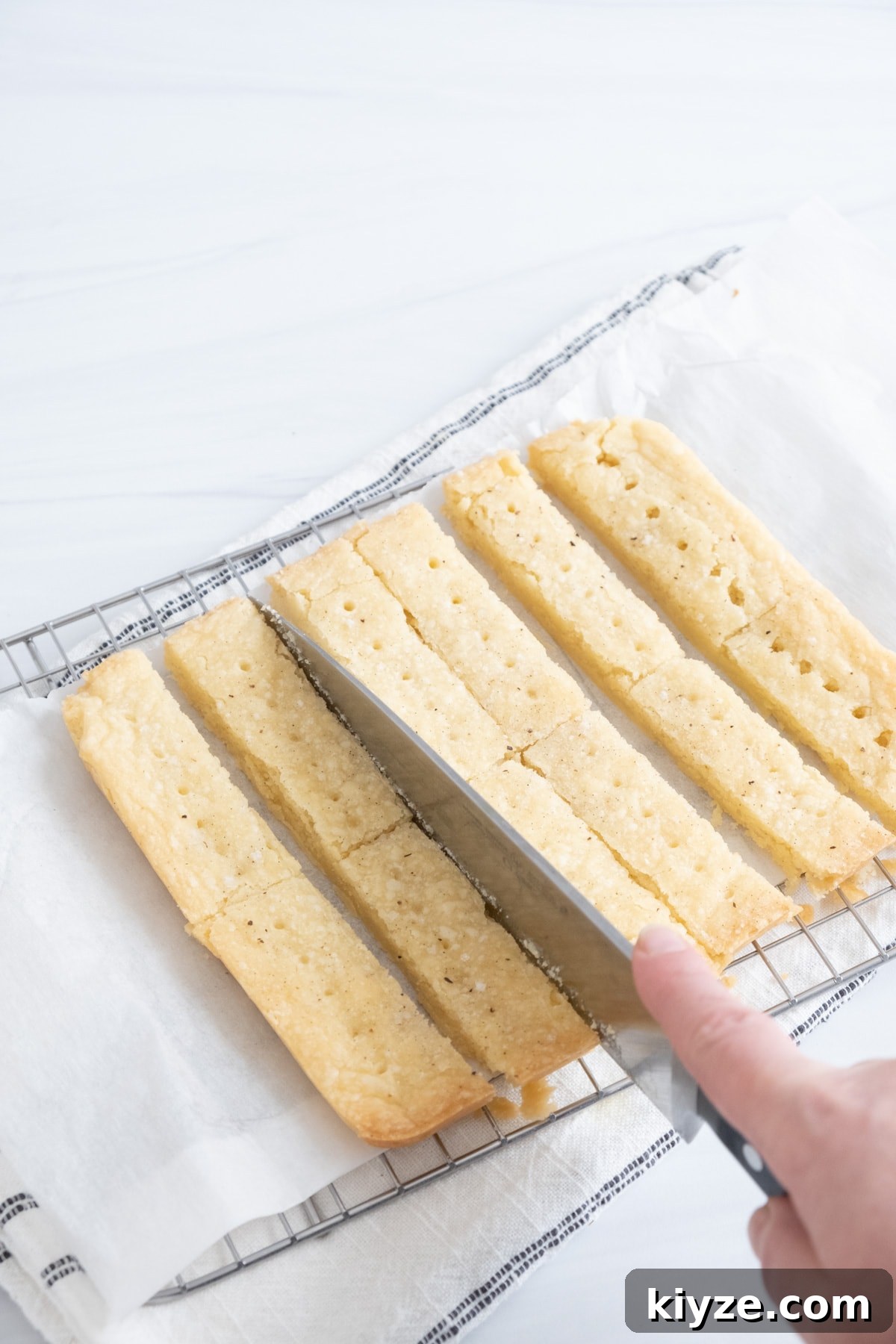
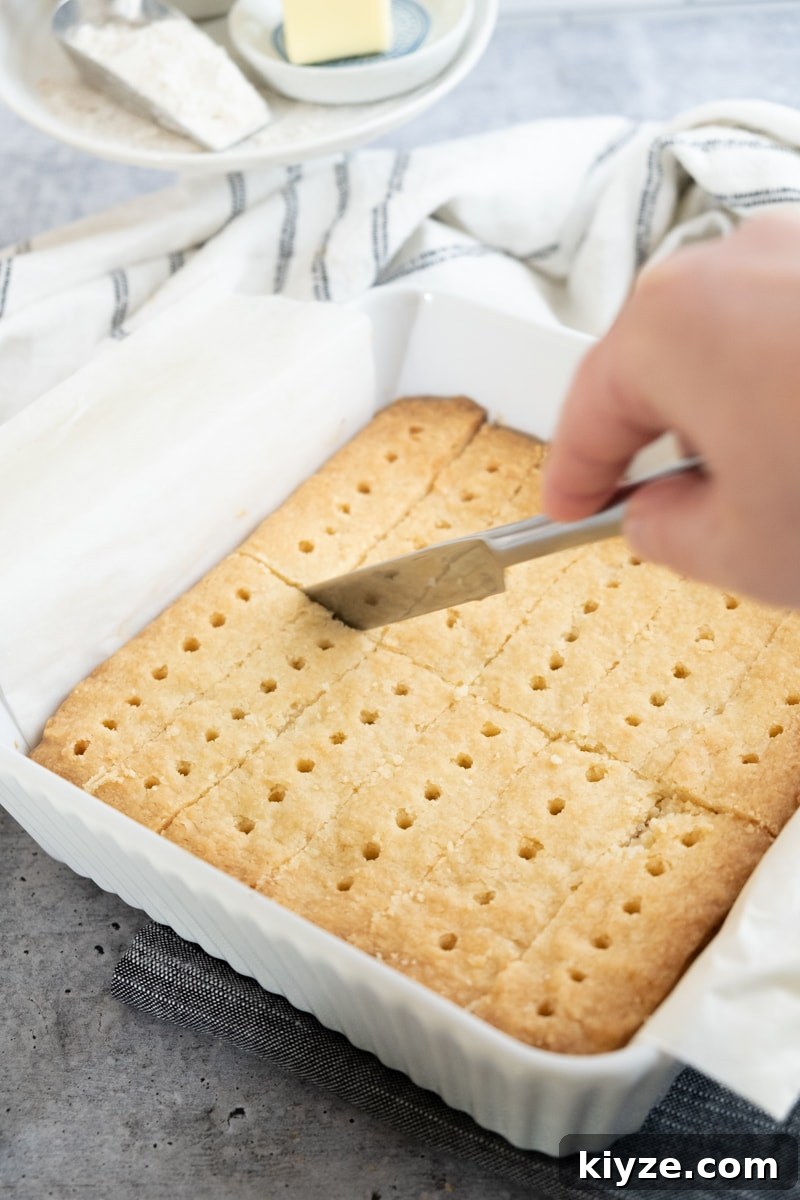
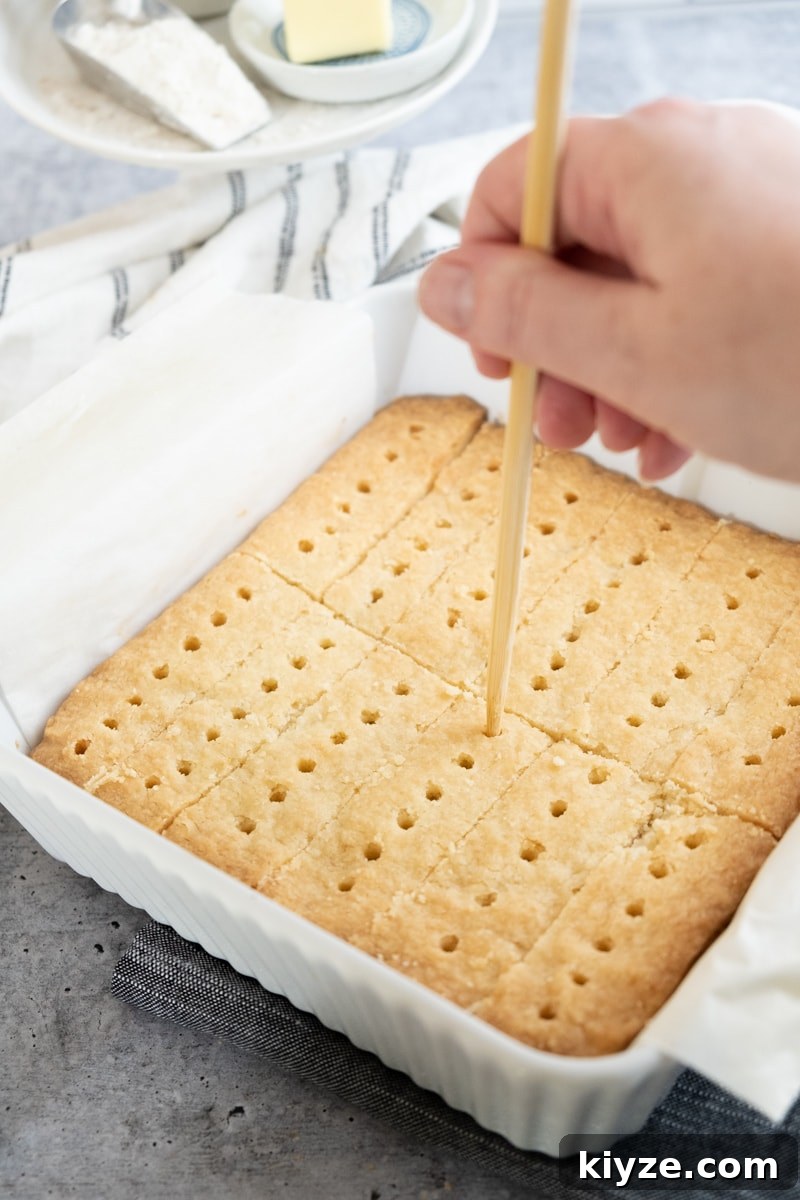
While still warm, use a long knife to cut along the score marks into 12 bars. Separate them slightly so air can circulate as they cool. If needed, re-poke the holes you made before baking.
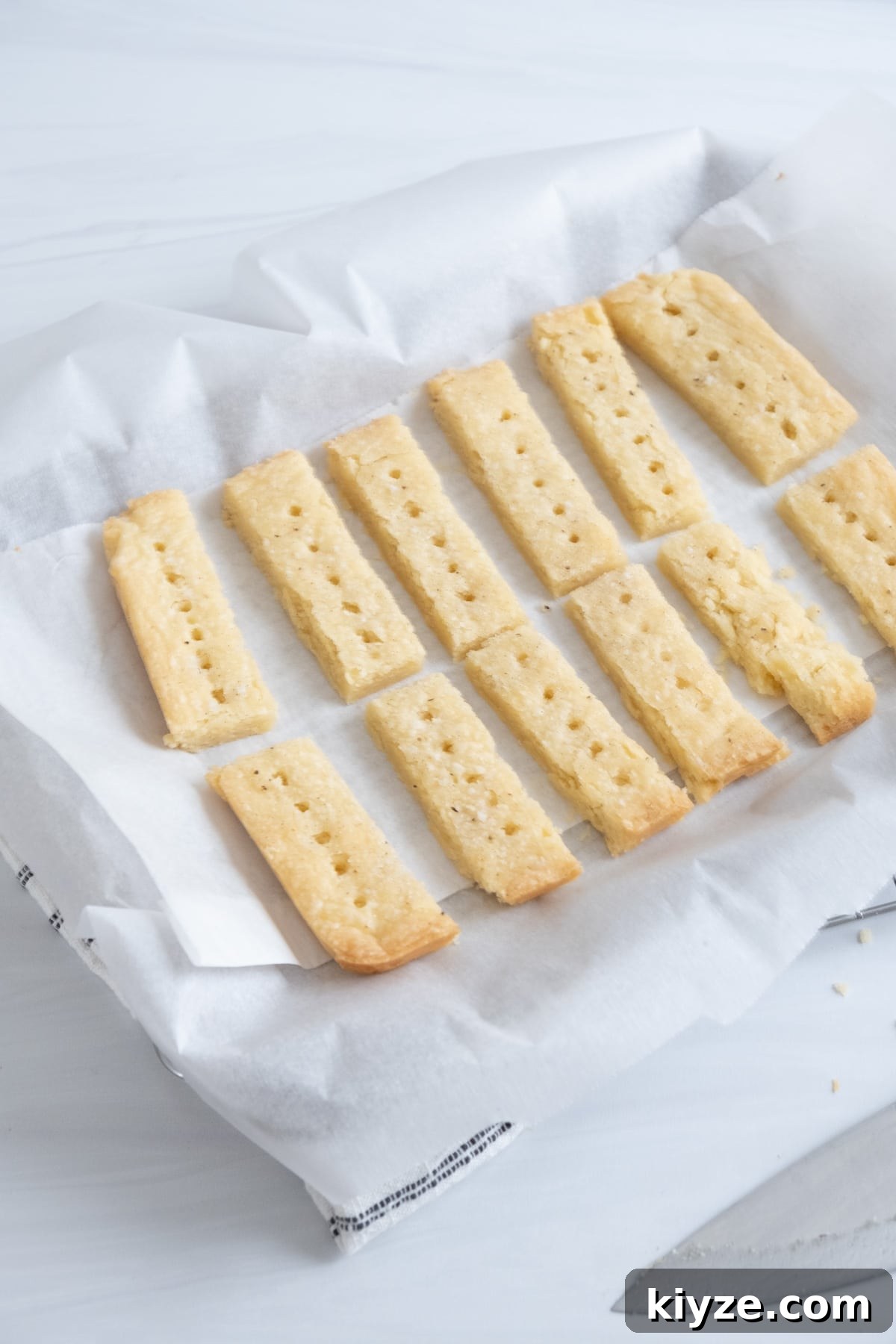
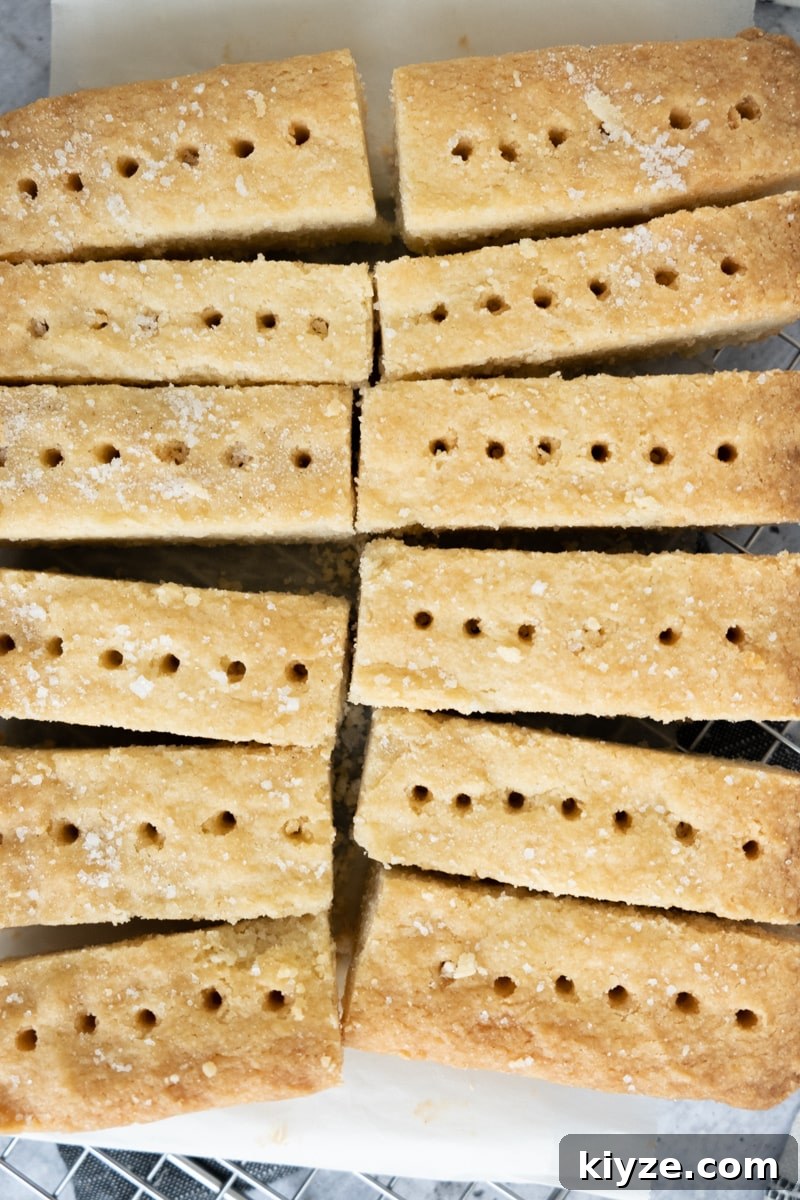
Cool the fingers on a wire rack for 15–20 minutes. For extra crispness, arrange them on a lined baking tray with space between the pieces, place the tray in the oven, and turn the oven off. After 20 minutes remove the tray and let the shortbread cool completely.
Sprinkle additional vanilla sugar or fleur de sel if you like. Store shortbread in an airtight container at room temperature, or freeze tightly wrapped for up to a couple of months.
How to Make Crispy Shortbread Cookies
- Roll dough on a lightly floured surface to about 1/8 inch (0.3 cm).
- Cut shapes with cookie cutters or a small jar and place on a lined baking tray.
- Cover with plastic wrap and chill at least 30 minutes.
- Bake at 325°F (162°C) for about 15 minutes.
- For extra crispness: let cookies rest 20 minutes with the oven on, then turn the oven off and return the cookies to the warm, turned-off oven for another 20 minutes.
- Remove and cool completely on a wire rack.
Easy Traditional Scottish Shortbread
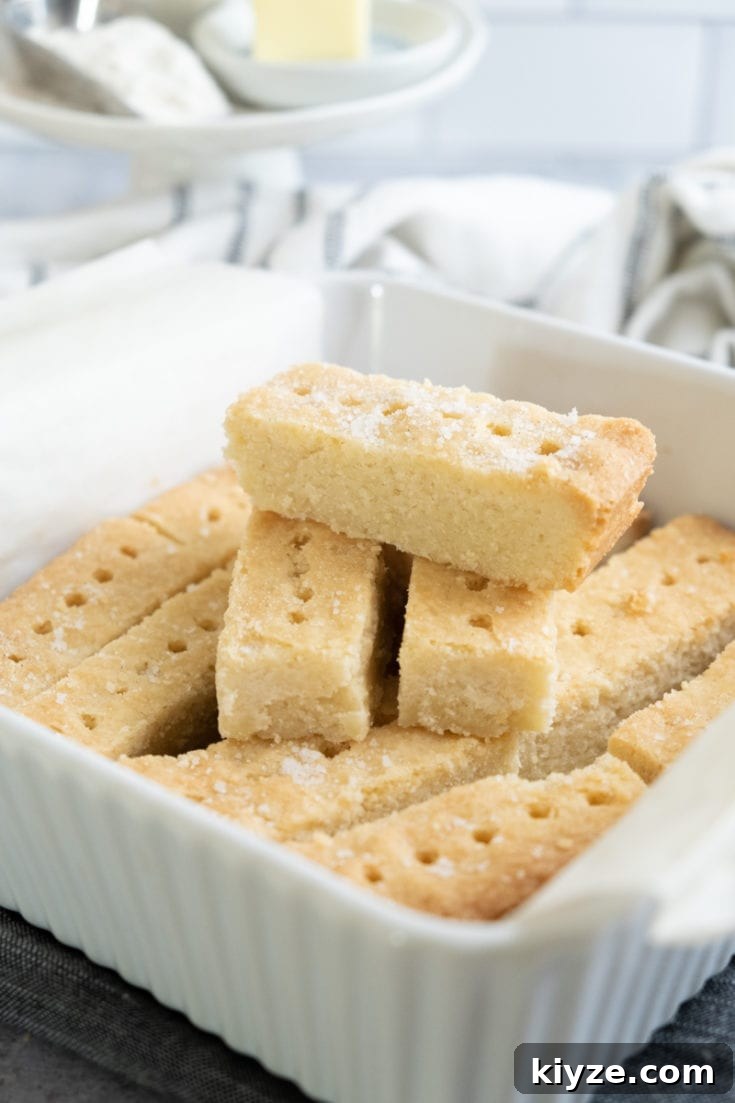
You only need three simple ingredients to make this classic shortbread.
10 minutes
40 minutes
20 minutes
1 hour 10 minutes
Ingredients
- 1 cup (8 oz / 226 g) salted butter, room temperature
- 1 cup (113 g) powdered sugar
- 2 cups (240 g) all-purpose flour
- Fleur de sel (optional)
- Vanilla sugar (optional)
Instructions
- Preheat oven to 325°F (162°C).
- Cream the room-temperature butter and powdered sugar until light and fluffy. If using unsalted butter, add 1/4–1/2 teaspoon salt.
- Add the flour and mix on low until a soft dough forms.
- Press the dough evenly into a parchment-lined 8×8 inch (20×20 cm) pan.
- Cover and chill for 30 minutes or longer.
- Score the chilled dough into 12 bars and poke holes in each bar with a chopstick, toothpick, or fork.
- Sprinkle with fleur de sel and vanilla sugar, if using.
- Bake for 40–45 minutes, until pale golden.
- Let the shortbread cool briefly in the pan, then lift onto a wire rack and cut into 12 bars while warm. Re-poke the holes if needed.
- For a crisper result, place the bars on a lined tray, put them in the oven, and turn the oven off. After 20 minutes remove and cool completely.
- Store in an airtight container at room temperature.
Notes
How to Make Crispy Shortbread Cookies:
- Roll dough to 1/8 inch and cut shapes.
- Chill on a lined tray for at least 30 minutes.
- Bake at 325°F (162°C) for about 15 minutes.
- Let cool 20 minutes with the oven on, then turn the oven off and return cookies to the warm oven for another 20 minutes.
- Cool completely on a rack.
Looking for More British & Irish Recipes?
- Easy homemade Golden Syrup
- No-fail British Scones
- How to make perfect Clotted Cream at home
- Easy Irish Soda Bread
- Best-ever Mini Mince Pies