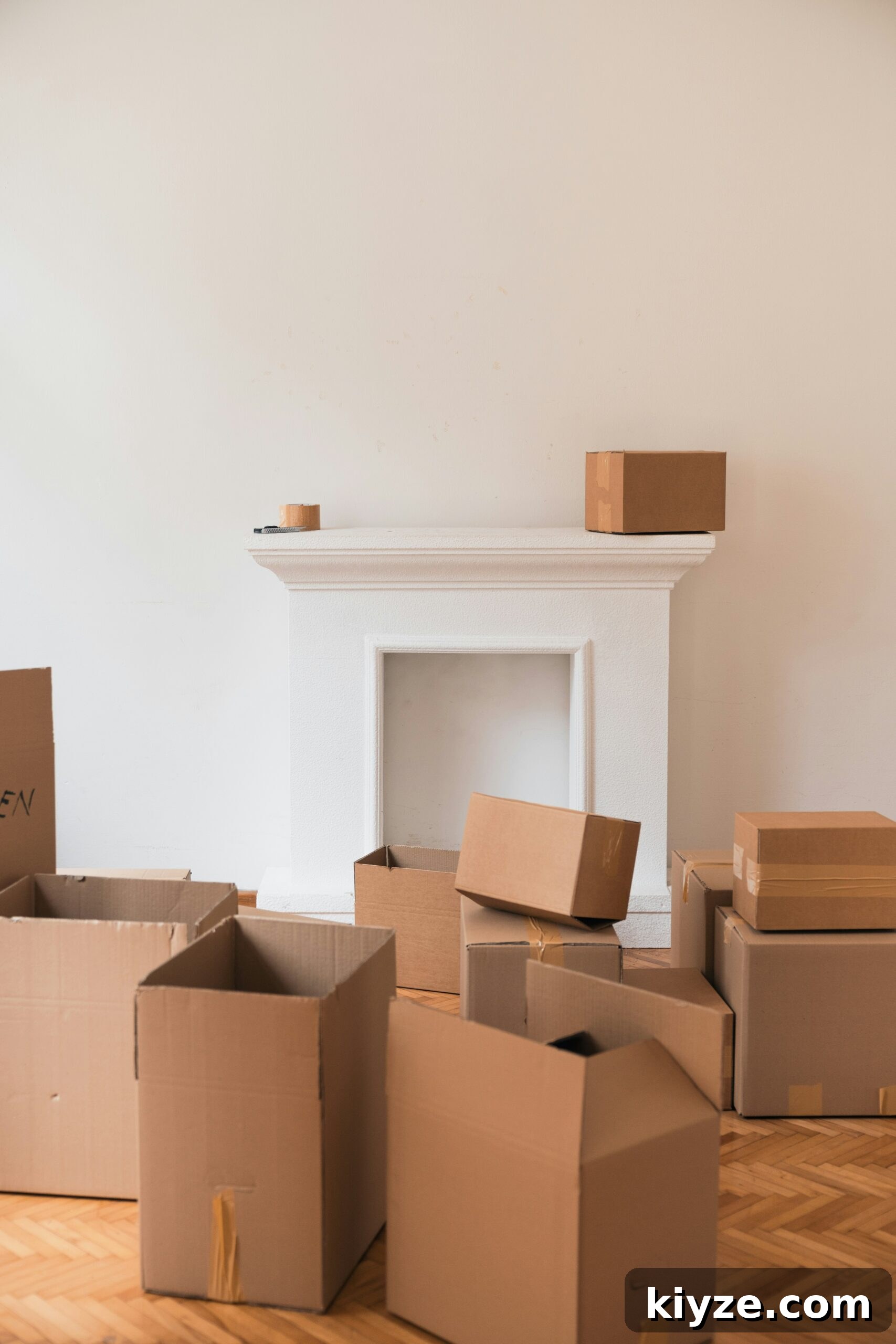
Want to pack less and start fresh? Here are 10 essential areas to declutter before a move to save time, money, and energy as you settle into your new home.
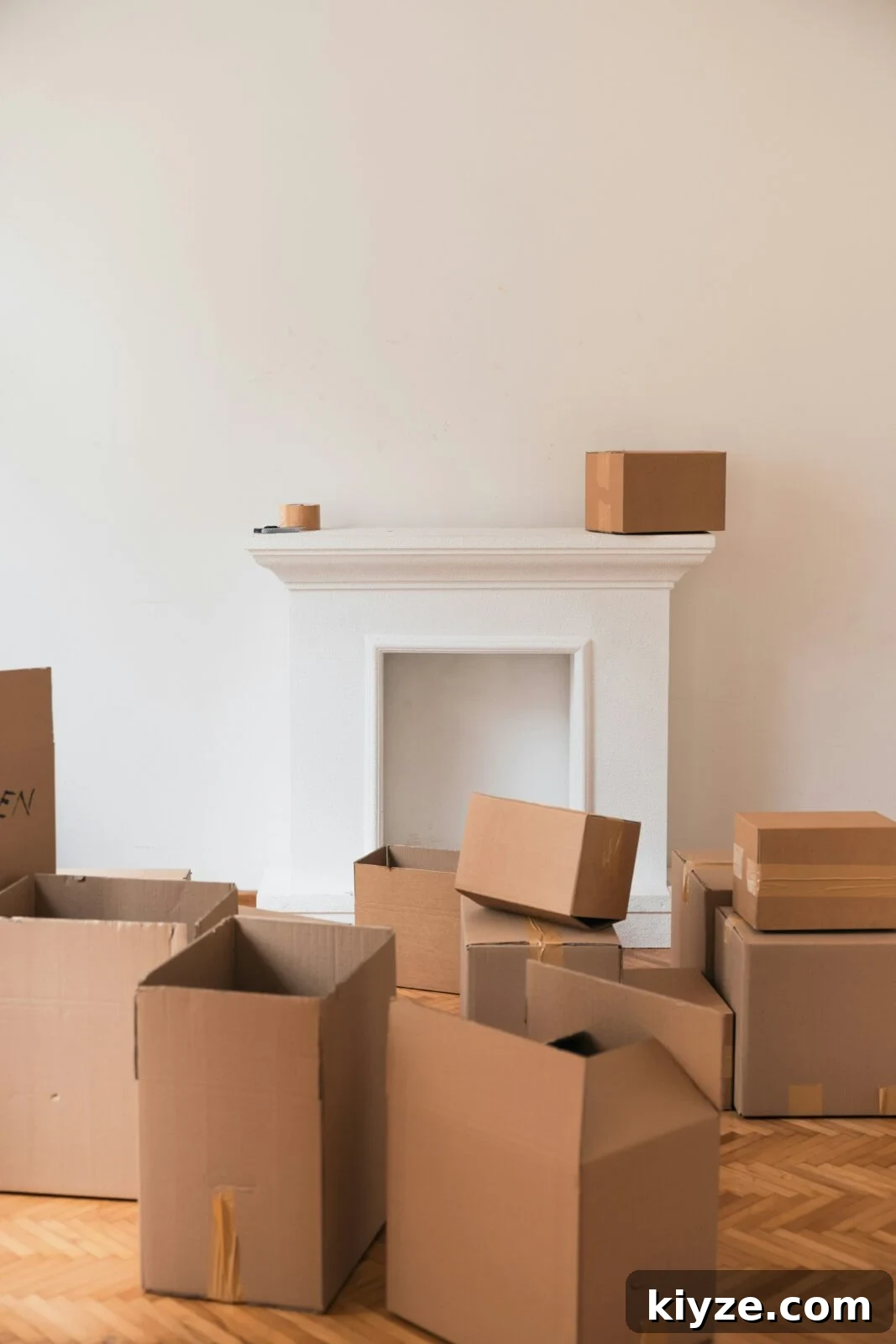
We’re in the middle of a move right now, and nothing forces you to face your belongings like packing them into boxes. Over the past few months we’ve been decluttering closets, cabinets, bookshelves, and the basement. Already we’ve let go of too-small ski gear, books we never finished, and toys the kids haven’t touched in more than a year.
Decluttering for a move isn’t always enjoyable, but it’s worth the effort. Beyond making packing and unpacking easier, it gives you a lighter start in your new place and saves time, money, and energy down the road.
If you’re preparing to move, this article will guide you through 10 key areas to declutter so you can lighten the load and create more breathing room in your next home.
Benefits of Decluttering for a Move
Decluttering before a move is more than having fewer boxes. It reduces what you need to store, clean, and organize, and it lowers the number of decisions and possessions that will demand your time and money later. Key benefits include:
- Less to pack, unpack, and maintain: Every item you let go of now saves time later.
- Lower moving costs: Especially if movers charge by the hour, box, or volume.
- Extra cash: Selling unneeded items can offset moving expenses or new-home purchases.
- Everything has a place: Keeping only what you truly use makes it easier to organize your new space.
- A fresh start: A simpler setup makes your new home easier to manage from day one.
1. Kitchen
The kitchen collects extras—duplicate utensils, seldom-used gadgets, stray condiment packets, and unopened specialty ingredients you never used. Decluttering here reduces fragile items to pack and frees up cabinet space for the tools and ingredients you actually use.
Focus on decluttering:
- Duplicate utensils and tools
- Novelty or single-use gadgets
- Small appliances you rarely use
- Extra mugs, travel cups, and water bottles
- Food storage containers missing lids
- Expired pantry items, spices, or baking supplies
- Cookbooks you haven’t opened in years
2. Living room or family room
The living room often becomes a catchall—throw pillows, stacks of magazines, baskets of toys, and decor you’ve stopped noticing. If an item doesn’t fit your style, function, or new layout, consider letting it go now.
Focus on decluttering:
- Books, magazines, and DVDs you won’t revisit
- Decor, knick-knacks, and wall art that no longer suit you
- Worn or stained rugs, blankets, and pillows beyond repair
- Extra furniture that won’t fit or work in the new space
- Toys and games missing pieces or rarely used
Decluttering tip: Ask yourself whether you would include an item if you were decorating the room from scratch. Toss stray toy pieces into a bin to make later sorting easier.
3. Closets
Closets attract “maybes”—clothes that might fit someday, items kept for nostalgia, or pieces that no longer match your style. Decluttering before moving prevents packing clothes you won’t wear and creates more useful closet space in your new home.
Focus on decluttering:
- Clothes that don’t fit or reflect your current style
- Stained or damaged items beyond repair
- Shoes you haven’t worn in over a year
- Accessories you rarely use (scarves, belts, costume jewelry)
- Out-of-season items you skipped last year
- Formal or “backup” pieces kept out of guilt
Decluttering tip: If you wouldn’t pack it for a two-week trip, consider leaving it behind.
4. Bedrooms
Bedrooms can become dumping grounds for items without a home—extra furniture, piles of laundry, and clothes waiting to be altered. Use the move to reset these rooms so they feel calm and functional from day one.
Focus on decluttering:
- Overstuffed dressers with unworn clothes
- Worn-out, mismatched, or excess linens (aim for two sets per bed)
- Extra pillows or throws you don’t use
- Nightstand clutter such as old cords, receipts, and unused items
- Furniture or decor you no longer love or need
Kids’ bedrooms
Kids’ rooms fill quickly with outgrown clothes and toys. Moving is a great time to clear what they no longer use so their new space is calmer and more functional.
Focus on decluttering:
- Outgrown or worn clothing and shoes
- Toys, books, and games they’ve lost interest in
- Broken toys or sets with missing pieces
- Furniture they’ve outgrown like toddler beds or changing tables
Decluttering tip: Involve kids when possible. Short, regular decluttering sessions with a small reward can build decision-making skills and reduce resistance. Keep a bin for loose toy pieces to make sorting easier later.
5. Bathrooms
Bathrooms hold half-used products, expired medications, and travel-size toiletries that pile up. Clearing these out now prevents packing items you’ll likely toss after the move.
Focus on decluttering:
- Expired medications, vitamins, and first-aid supplies
- Beauty products you didn’t like
- Dried-out nail polish, makeup, or skincare
- Unused hair products or accessories
- Worn towels and washcloths
- Extra travel-size items and hotel toiletries
- Duplicate items you don’t need in every bathroom
Decluttering tip: Keep a small basket for items you want to finish before the move, and store extras separately so you don’t accidentally pack duplicates.
6. Garage, attic, basement, or storage areas
These out-of-sight spaces collect “someday” items—tools you haven’t used, forgotten bins, and gear for hobbies you no longer pursue. Tackling them early can significantly reduce your moving load.
If you’re unsure about an item, ask: Would I buy this again today? If the answer is no or you forgot it existed, it’s probably not worth packing.
Focus on decluttering:
- Unused tools and equipment
- Seasonal decorations you don’t use
- Old paint cans, leftover project supplies, and chemicals
- Sports gear, camping equipment, or hobby supplies you no longer use
Decluttering tip: Break these areas into small sessions—tackle one or two boxes or bins a week to avoid overwhelm. Anything you let go of now saves time, money, and energy later.
7. Paperwork and documents
Paper clutter accumulates quietly: old bills, expired warranties, school papers, and manuals. Moving is the perfect time to discard non-essential papers and start fresh with a lean filing system.
Focus on decluttering:
- Outdated tax records, bills, and pay stubs you no longer need
- Old insurance documents, medical bills, and irrelevant paperwork
- Receipts, coupons, and loyalty cards you never use
- Instruction manuals for items you no longer own or can find online
- Schoolwork and artwork—keep just the highlights
Decluttering tip: Shred or recycle what you don’t need and digitize important documents with a scanner app so you don’t have to keep every paper copy.
8. Kids’ items and toys
From toys to gear, kids generate a lot of stuff. Moving is the ideal time to sort broken, outgrown, or unloved items so their new space stays tidy and functional.
Focus on decluttering:
- Broken toys or games with missing pieces
- Duplicate items
- Toys they’ve outgrown or never enjoyed
- Outgrown gear like baby tubs, booster seats, or bulky strollers
- Books, puzzles, or craft supplies they no longer use
Decluttering tip: Match up sets using your bin of loose pieces, discard incomplete games, and donate complete items your kids have outgrown.
9. Sentimental items
Sentimental items are often the hardest to sort. Keepsakes and heirlooms carry meaning, but not everything needs to be kept. Sometimes a photograph or written memory preserves the feeling without keeping the object.
Focus on decluttering:
- Gifts kept from guilt rather than love
- Items from past life stages that no longer reflect you
- Duplicate sentimental items
- Things you can photograph to preserve the memory without keeping the object
- Inherited items you don’t use, display, or enjoy
Decluttering tip: Invite a friend or family member to help; having someone there can make decisions easier and less emotional.
10. Digital clutter
Digital clutter doesn’t fill boxes, but it can slow you down during a move. Getting organized digitally helps when collecting quotes, coordinating repairs, and tracking purchases or important information.
Focus on getting digitally organized for your move:
- Recycle old electronics, cords, or devices you no longer use
- Create a “Move” folder in email and cloud storage with subfolders for quotes, receipts, floor plans, utility info, and manuals
- Digitize paperwork you might need to reference
- Set up a shared calendar or to-do list for move-related tasks and appointments
- Clear downloads and desktop clutter weekly so important info doesn’t get buried
Organizing tip: A few simple digital systems—like a dedicated move folder and shared calendar—make staying organized much easier when life is chaotic.
What to Do With Unwanted Items
Don’t let unwanted items become a burden. Here are practical ways to pass them on responsibly:
- Sell: Items with resale value—furniture, baby gear, sports equipment, or designer clothing—can be sold through local marketplaces or consignment shops to earn extra cash.
- Donate: Drop off gently used items at shelters or donation centers, or share them in local community groups. Check acceptance guidelines first so you’re not turned away.
- Recycle: Electronics, batteries, paint, and mattresses often require special disposal—contact local recycling centers for guidance.
Tips to Help You Declutter Before Moving
- Start early: Begin 3–6 months ahead if possible. Ten to twenty minutes several times a week adds up. If time is tight, focus on big-ticket items first: furniture, gear, and toys.
- Work one room or category at a time: Complete one area before moving to the next. For large spaces, break the task into 10–20 minute sessions.
- Use a clear sorting system: Keep, donate, toss, sell, recycle. Make quick, honest choices to keep momentum.
- Consider your new home: Think about where an item will live in the new layout. If you can’t picture a place for it, you probably don’t need it.
- Let go of guilt: Keep what’s useful, loved, or meaningful to you now—not what you feel obligated to keep.
Was this helpful?
If you’re ready to keep going, looking into specific room-by-room guides can help you tackle each area efficiently and thoughtfully.