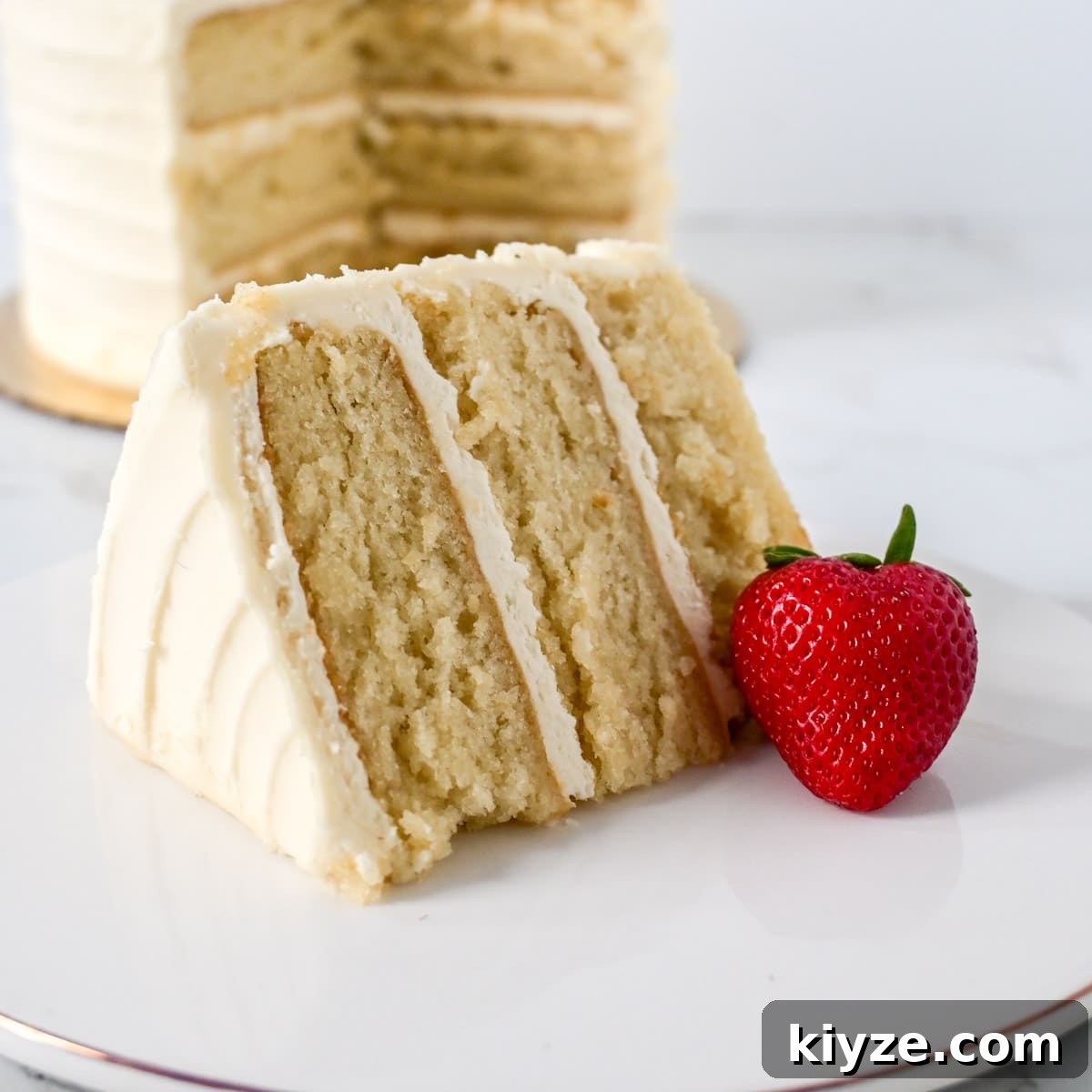
Learn how to bake the best vanilla cake from Amycakes Bakery using the reverse creaming method. This reverse creaming vanilla cake recipe is packed with vanilla flavor and is simple to make at home — it yields a tender, moist cake every time.
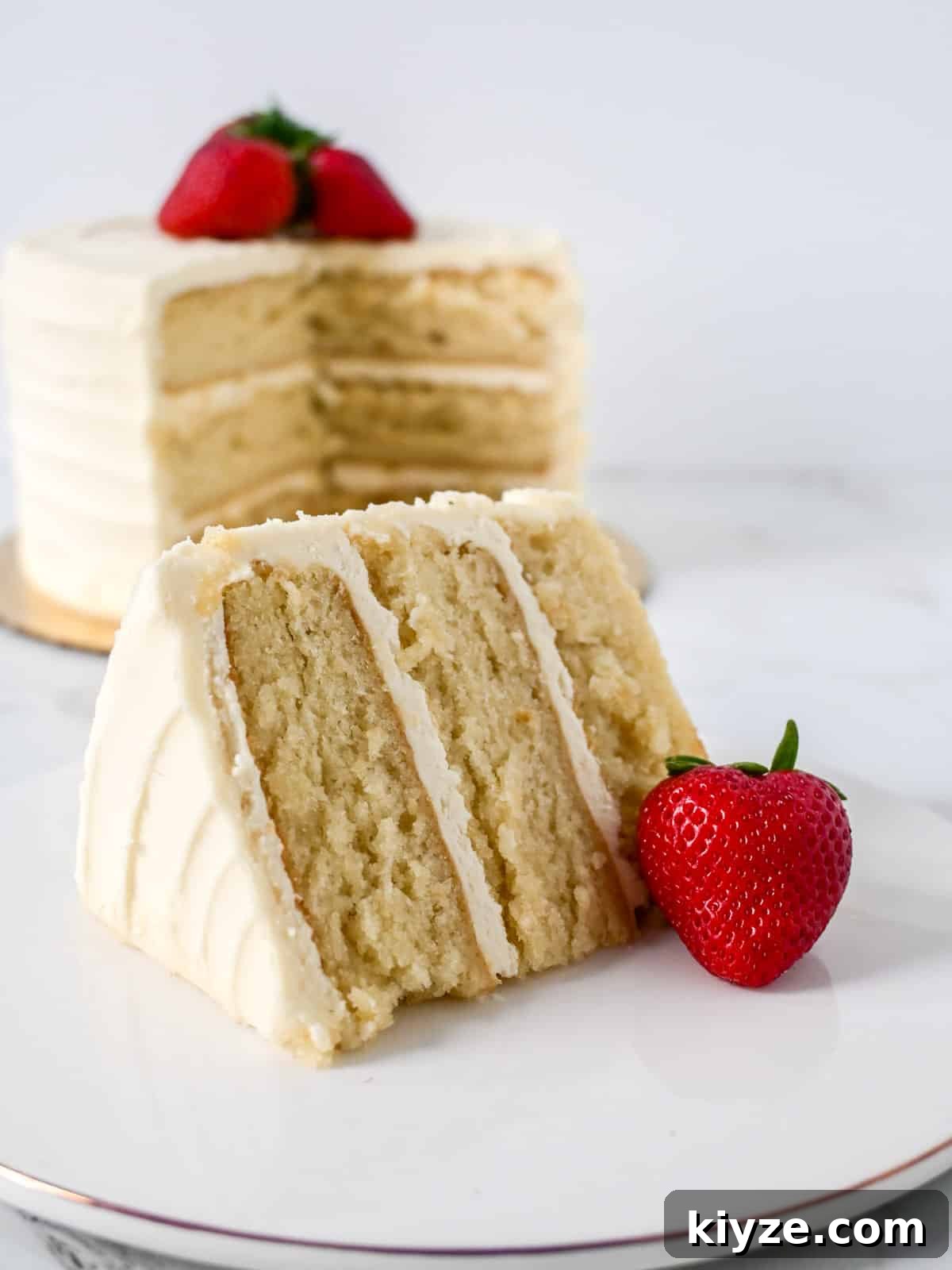
If you’ve made my vanilla almond cake before, you know how light and fluffy that version is — the almond lift pairs perfectly with vanilla. My usual approach was the traditional creaming method, which can be tricky for new bakers and occasionally results in a sunken cake.
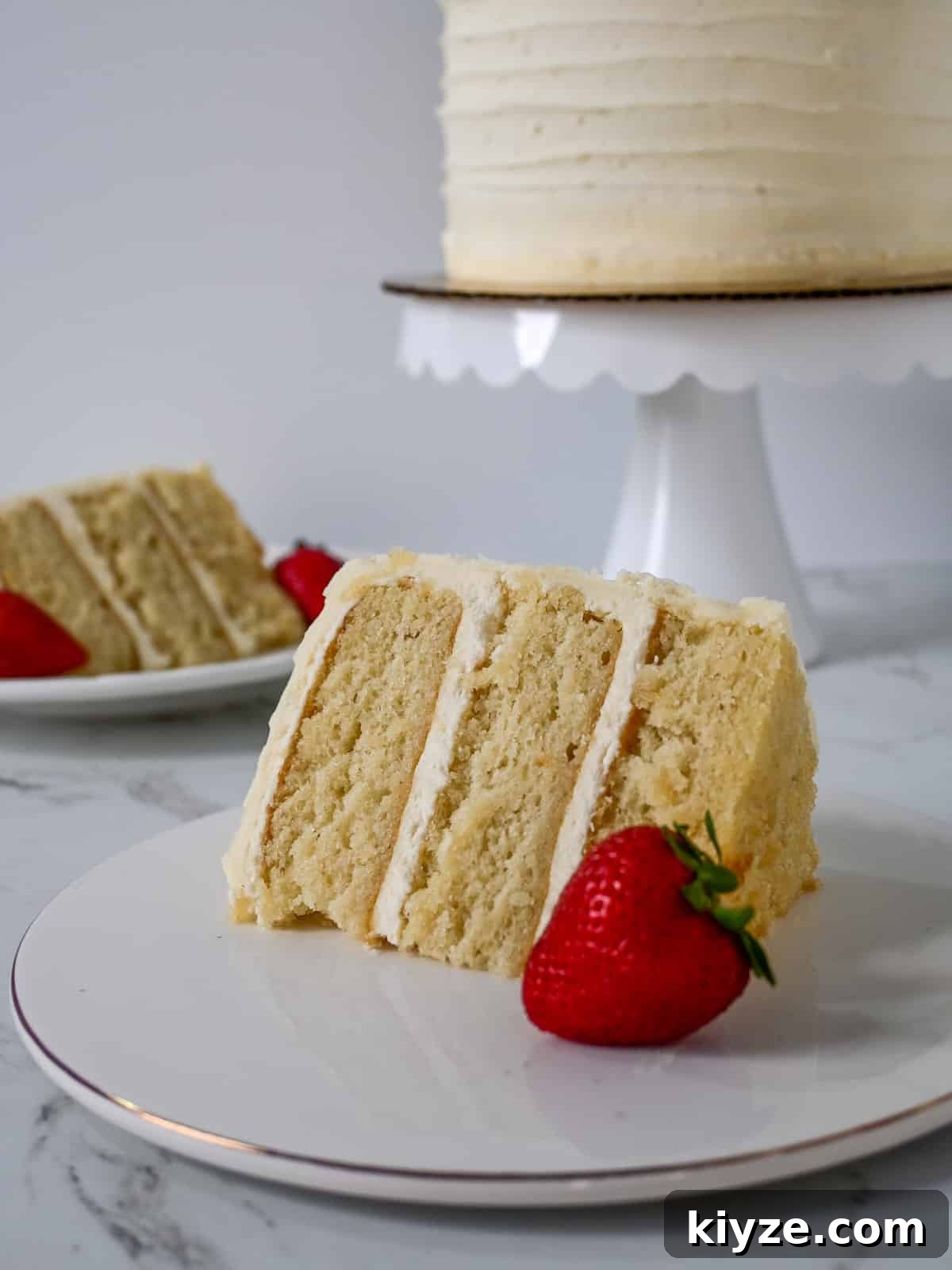
The reverse creaming method solves those issues: it’s faster, easier to master, and far less likely to produce a collapsing cake. The finished cake remains soft, moist, and reliably tall — great for celebrations or everyday baking.
Equipment Checklist
Essential tools to make this vanilla cake:
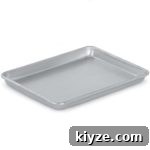
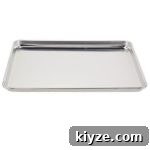
¼ sheet pan (for 1x recipe)
Most single-batch recipes fit a ¼ sheet pan. For larger batches, use a half sheet.
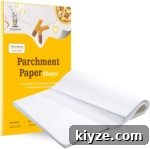
Parchment paper
Makes removing the cake quick and clean for cutting and stacking.
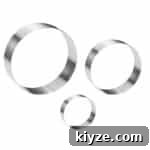
Cake rings
If you use the Cut and Stack method, cake rings help cut even layers from sheet-baked cake.
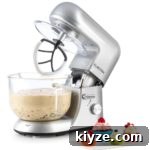
Stand mixer with paddle attachment
A stand mixer is convenient for this method, though a hand mixer will work too.
Why You’ll Love This Reverse Creaming Vanilla Cake Recipe
- More consistent results – The reverse creaming method reduces the risk of collapse and gives you a taller, more even crumb.
- A twist on a classic – This is an easier variation of my popular vanilla almond cake, ideal for birthdays, weddings, and showers.
- Versatile base – The cake pairs beautifully with many fillings and frostings: berry compotes, fluffy vanilla buttercream, stabilized whipped cream, and more.
Ingredients
For moist, tender results this recipe uses Instant Clearjel (or vanilla instant pudding mix), buttermilk, a combination of butter and oil, plus a touch of corn syrup. Exact measurements and full directions are in the recipe card below.
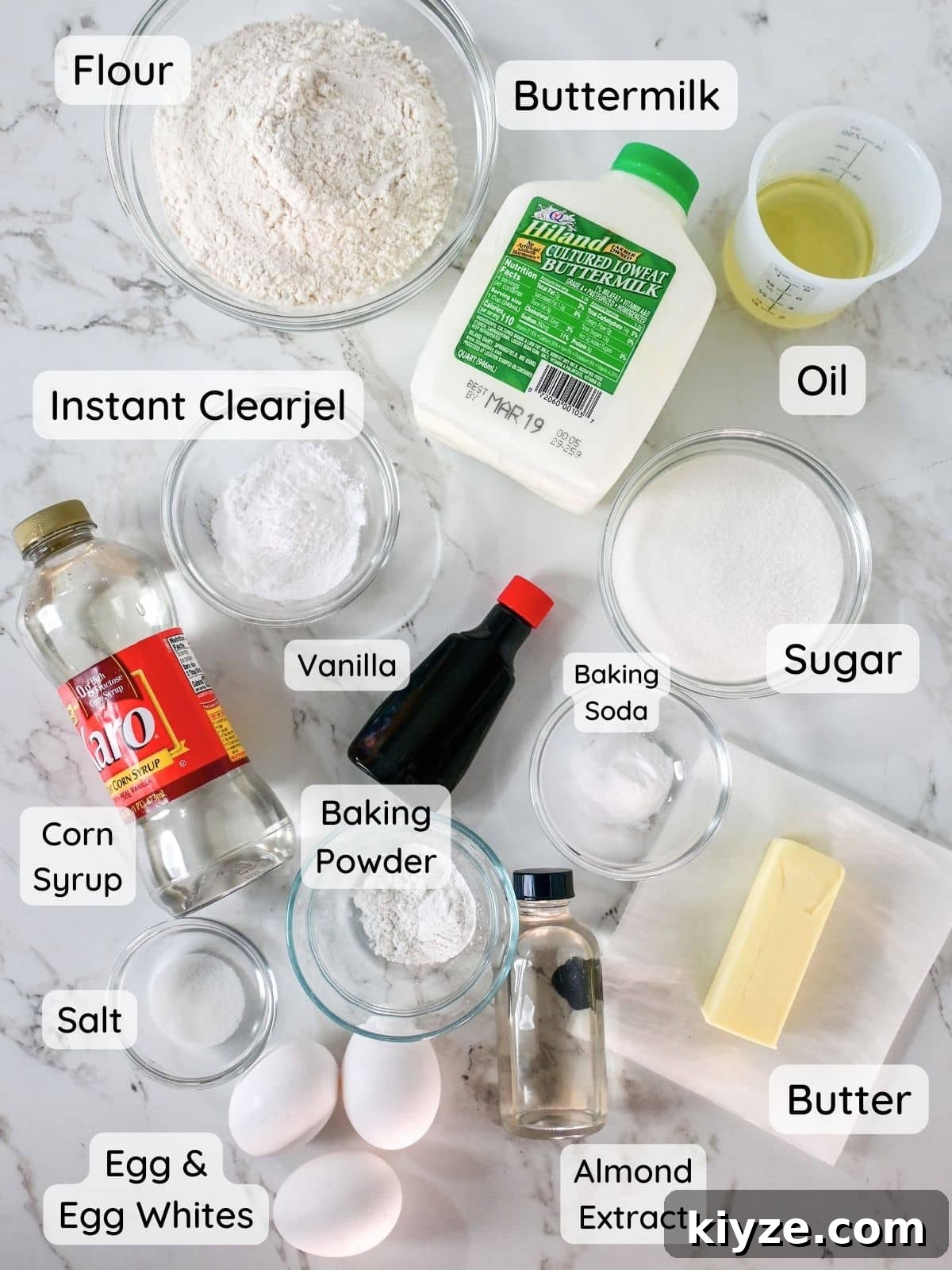
Dry ingredients
- All-purpose flour (no need for cake flour)
- Instant Clearjel or vanilla instant pudding mix
- Baking powder
- Baking soda
- Salt
- Sugar
The key to reverse creaming is combining the dry ingredients with softened salted butter first. Coating the flour with butter limits gluten development and produces a finer, more tender crumb.
Wet ingredients
- Buttermilk
- Water
- Vanilla extract
- Almond extract
- Vegetable oil
- Light corn syrup
Beat the eggs and egg whites separately and add them near the end of mixing for the best texture.
Pro Tip
Use salted butter for a bit more flavor in the finished cake.
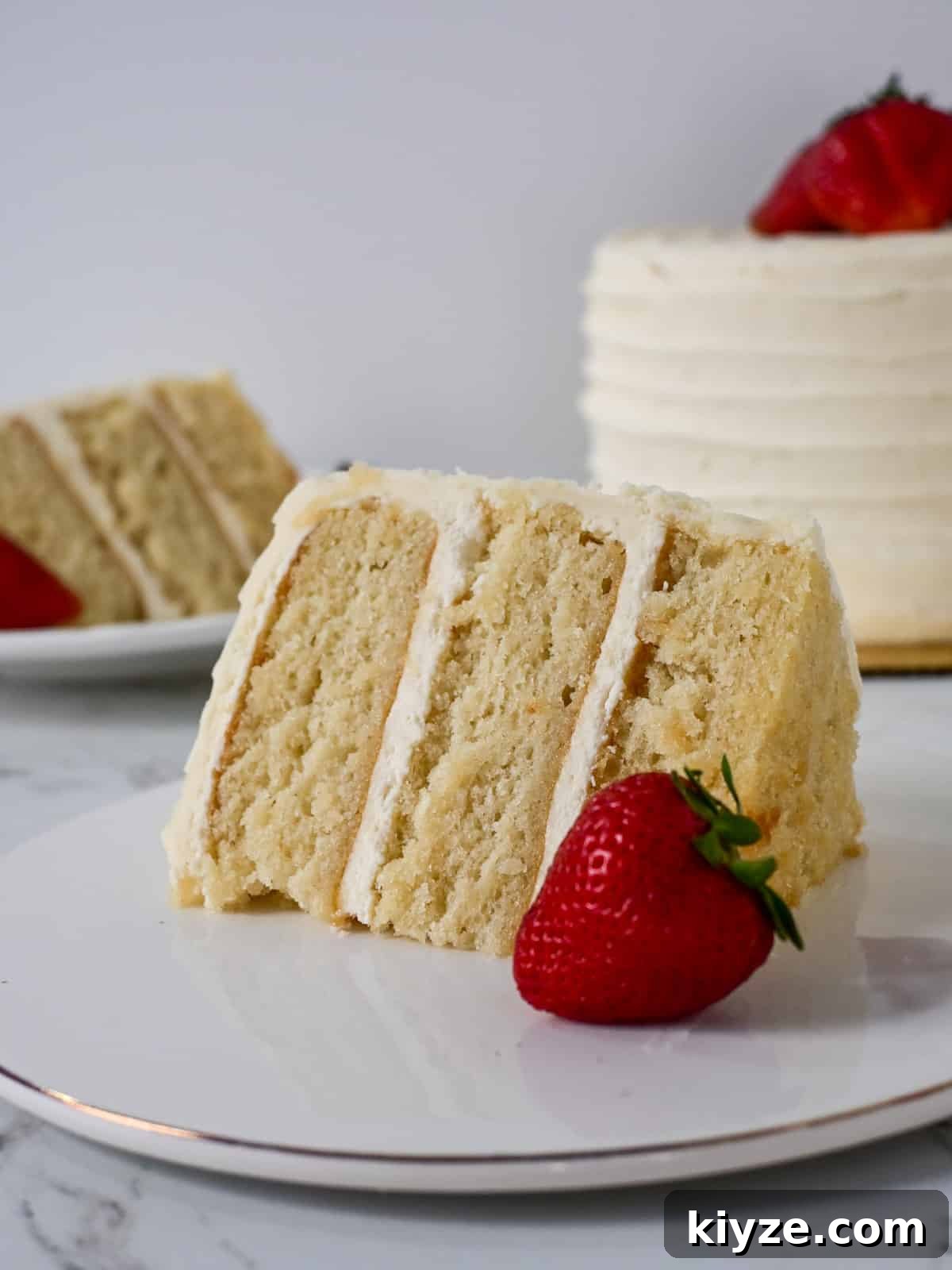
Variations
This recipe scales well — use the 2x or 3x options in the recipe card to make larger layered cakes or mini cakes. Try these popular variations:
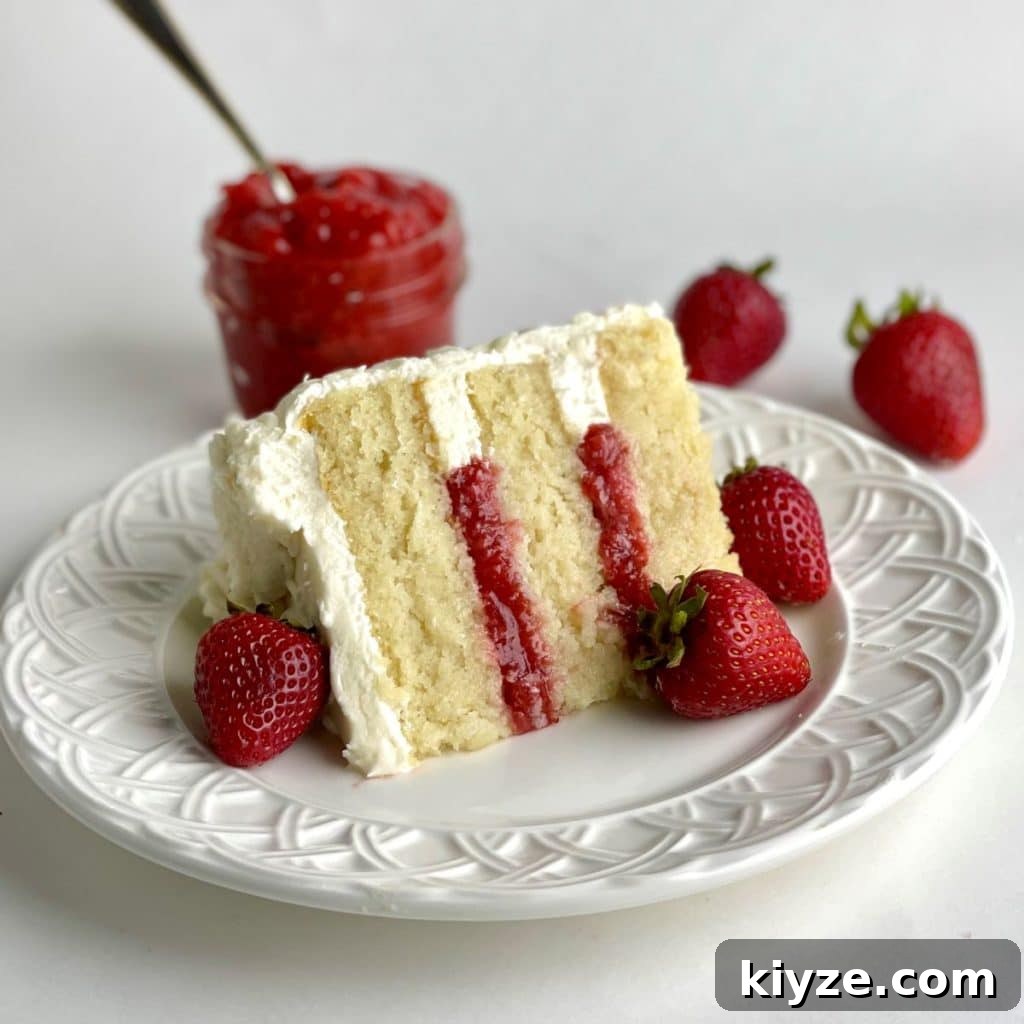
Moist Vanilla Cake with Strawberry Filling
Layer this white cake with strawberry compote and finish with a classic buttercream for a bright, crowd-pleasing dessert.
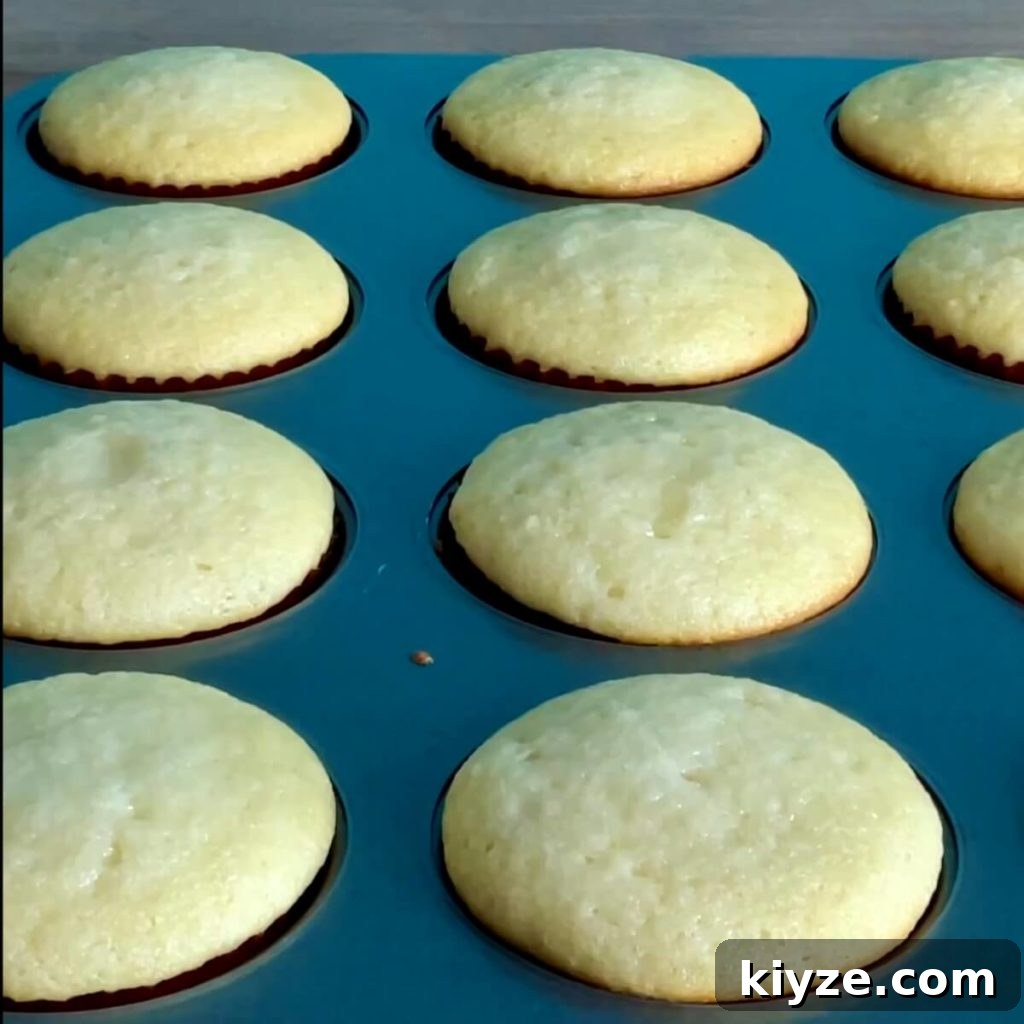
Vanilla Cupcakes
Scoop batter into muffin tins and bake for cupcakes that pair beautifully with vanilla buttercream or stabilized whipped cream.
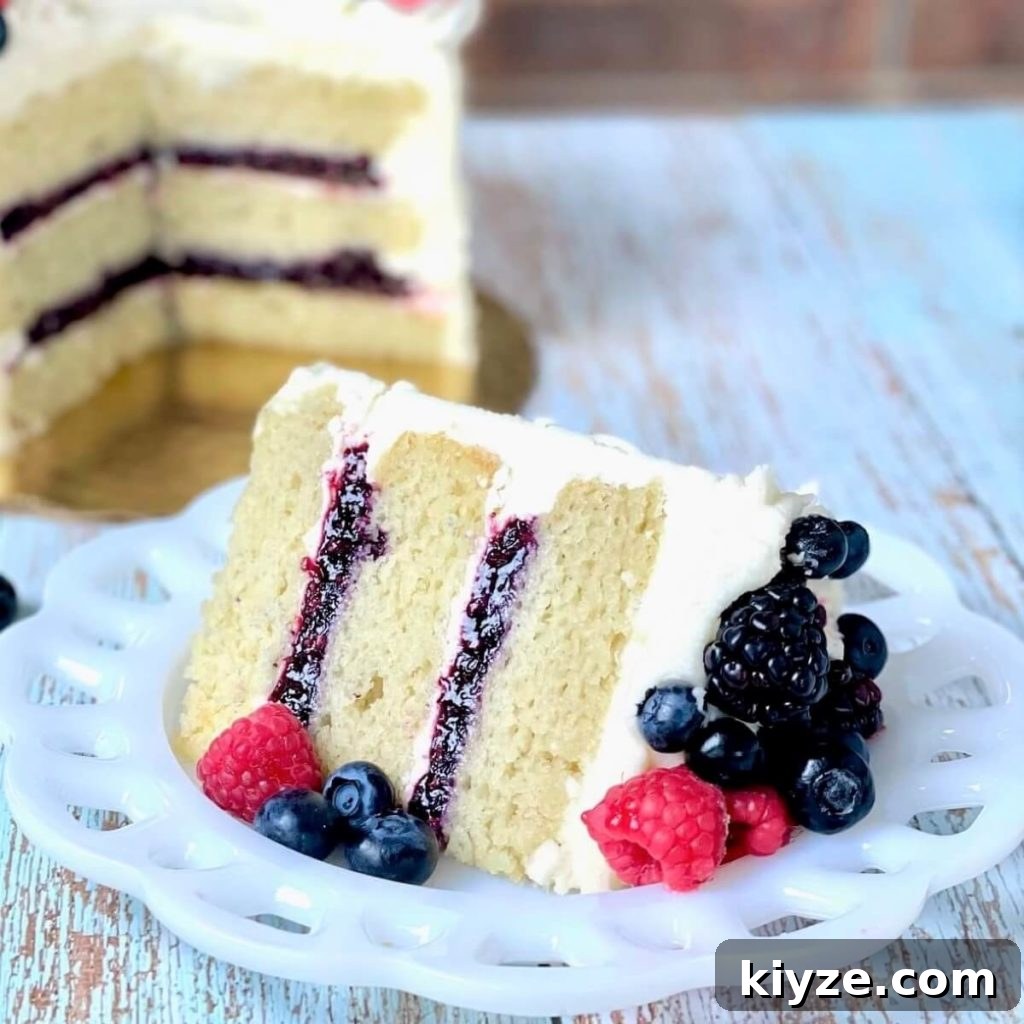
Berries ‘n’ Cream Cake
Separate layers with a triple berry compote and garnish with fresh berries for an elegant celebration cake.
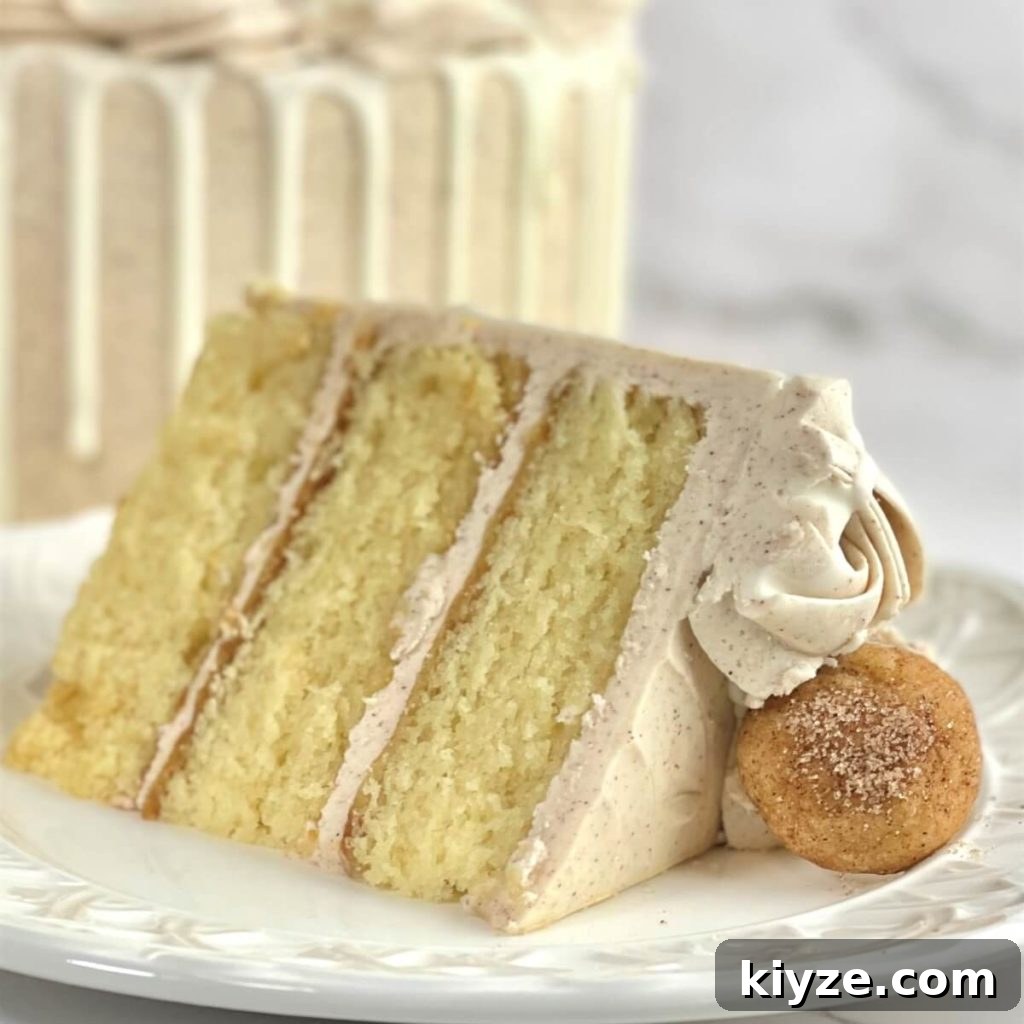
Snickerdoodle Cake
Add extra almond extract and pair with a cinnamon buttercream for a cozy, seasonal take.
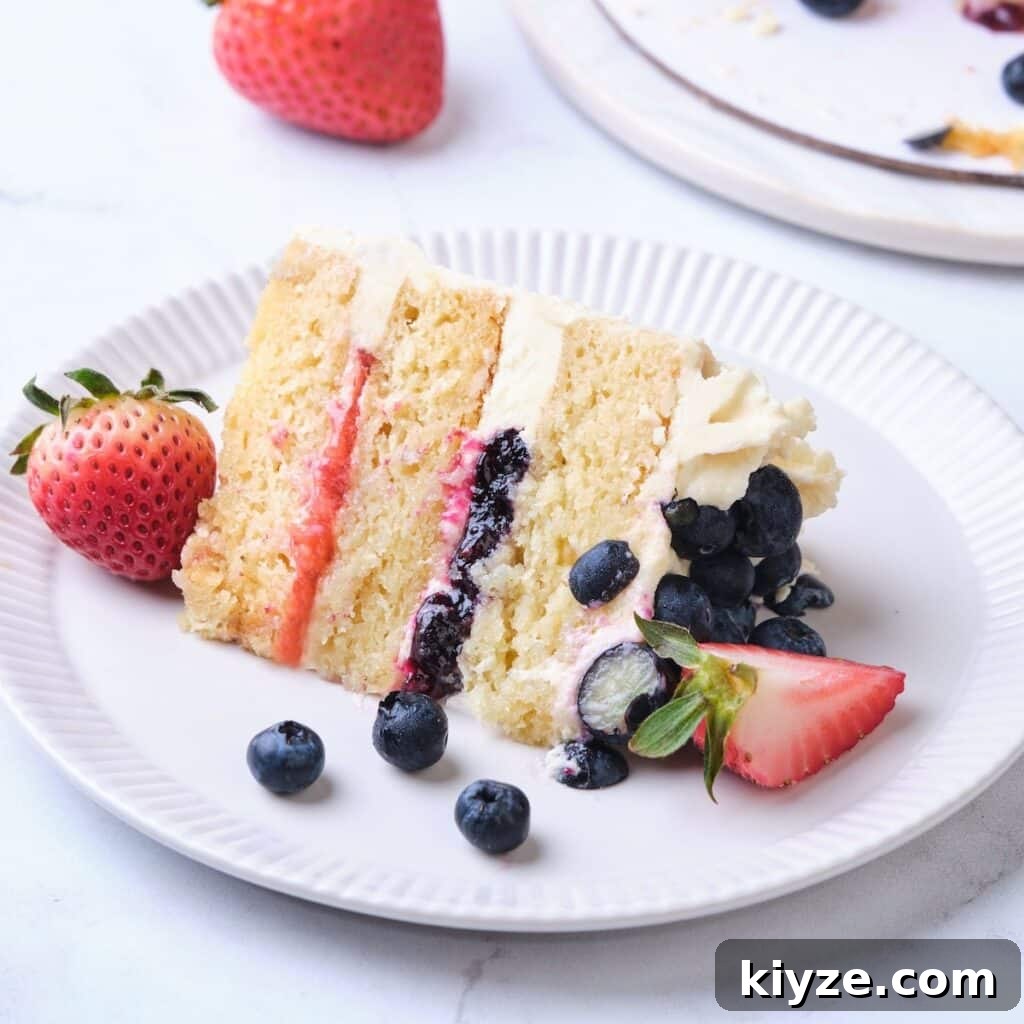
Strawberry and Blueberry Cake
Layer one layer with strawberry compote and another with blueberry compote for a festive red, white, and blue presentation.
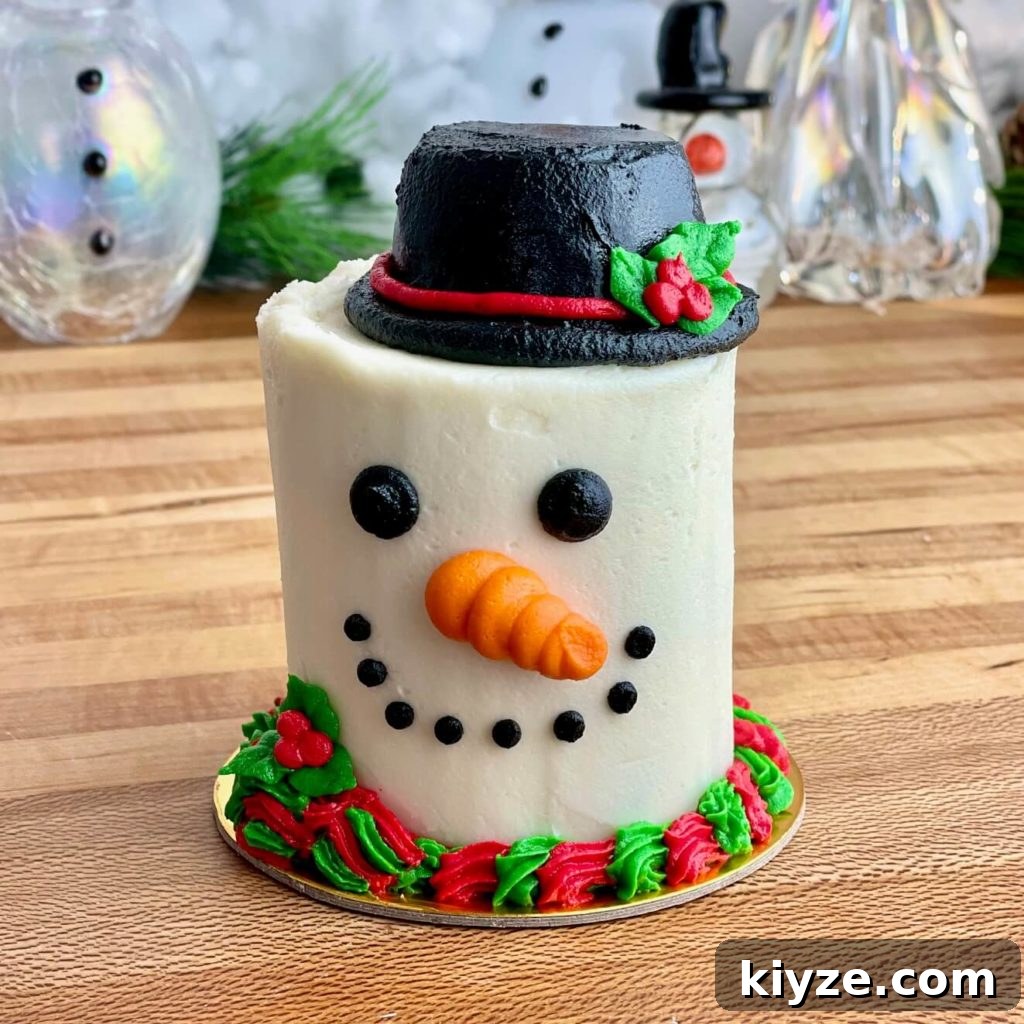
Mini Snowman Cakes
Use small rounds from this base to build festive mini cakes for holiday decorating.
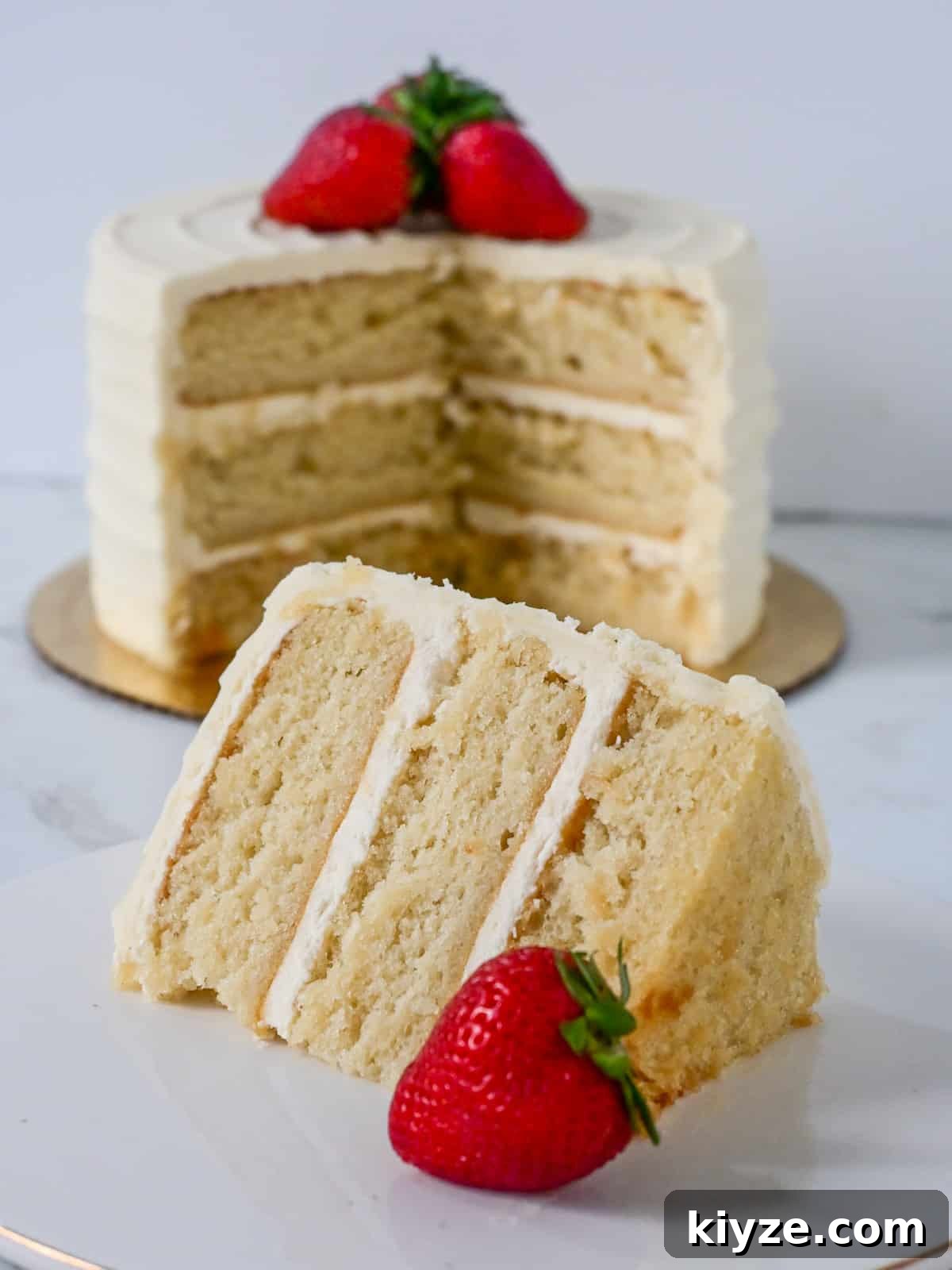
Storage
Store the cake at room temperature for up to 24 hours. After that, wrap it tightly in plastic and refrigerate. For longer storage, freeze whole cakes or individual slices wrapped in several layers of plastic wrap for up to a few weeks.
Pro Tip
Chilled cake will be firmer because of the butter. For the best texture and flavor, bring slices to room temperature for 2–3 hours before serving.
Key Recipe Notes
- Use a sheet pan or follow a recommended pan chart so you don’t overfill pans — the reverse creaming cake is delicate and works best with moderate batter depth.
- This cake is easiest to layer from frozen using the Cut and Stack method. Baking on a sheet pan and cutting with rings creates neat, even layers that are simple to handle.
Related Recipes
If you like this cake, consider trying other bakery-style recipes that pair well with similar fillings and frostings.
-
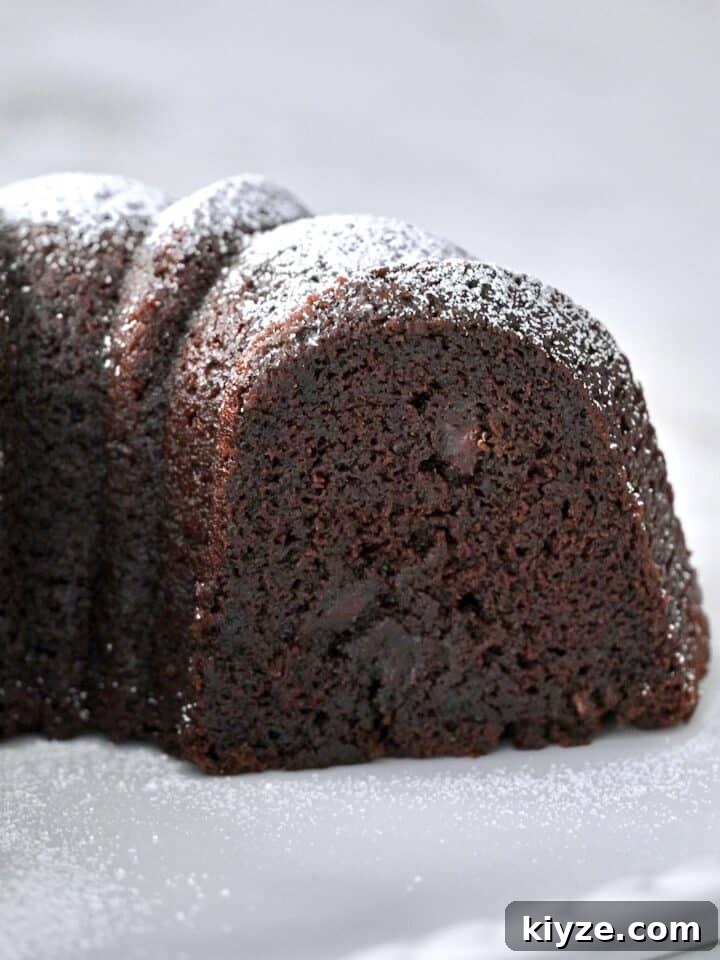
Moist Chocolate Chocolate Chip Bundt Cake
-
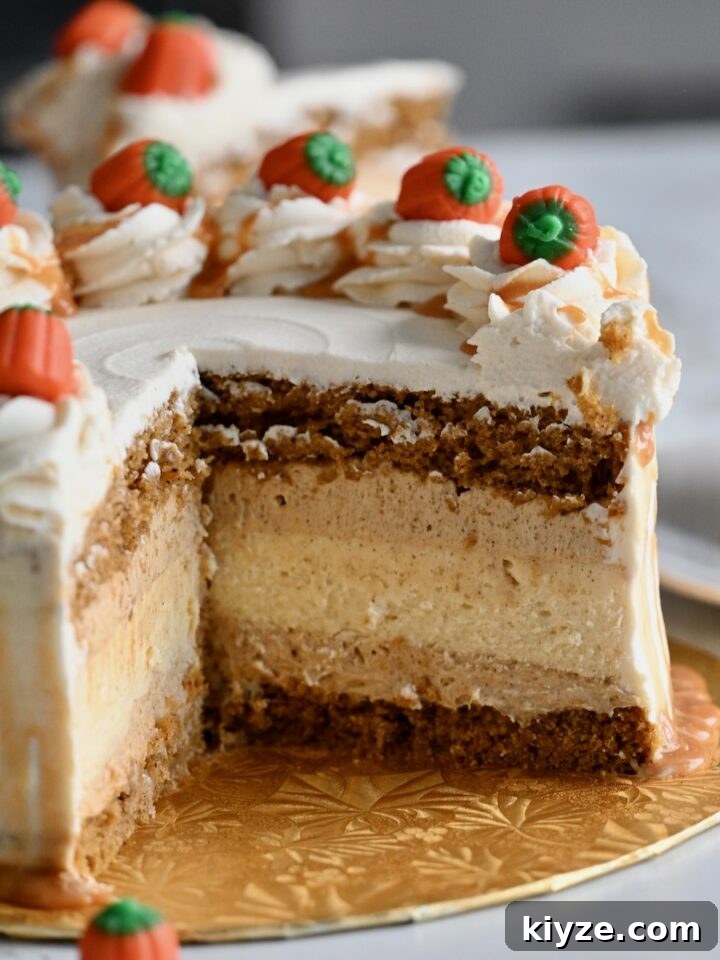
The Best Pumpkin Cheesecake Cake: a Bakery-Tested Recipe
-
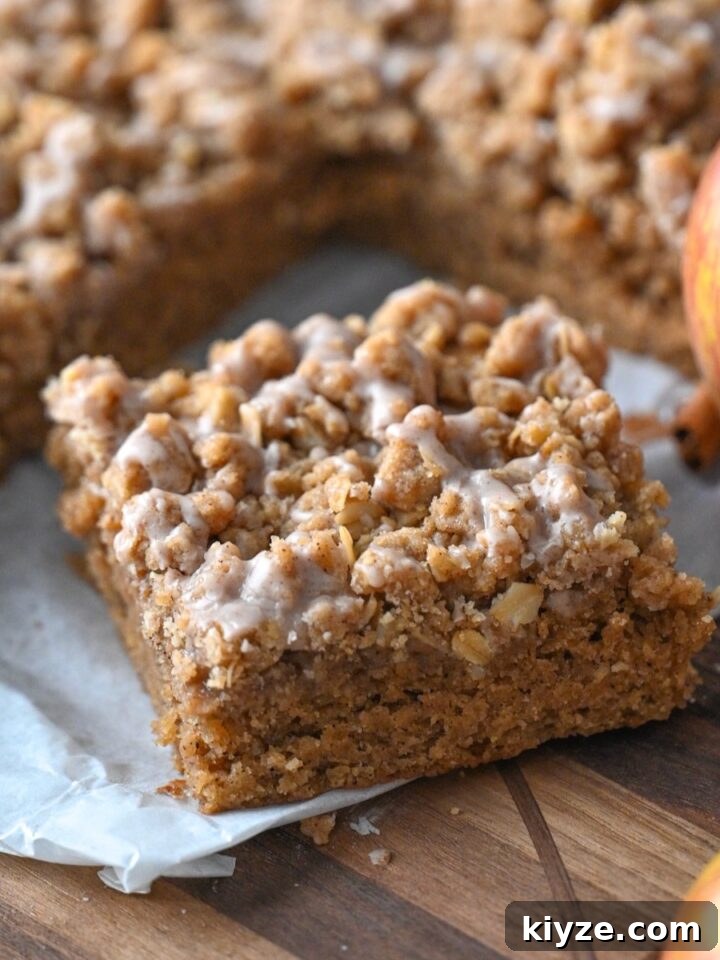
Moist Applesauce Crumb Cake (the Perfect Coffee Cake!)
-
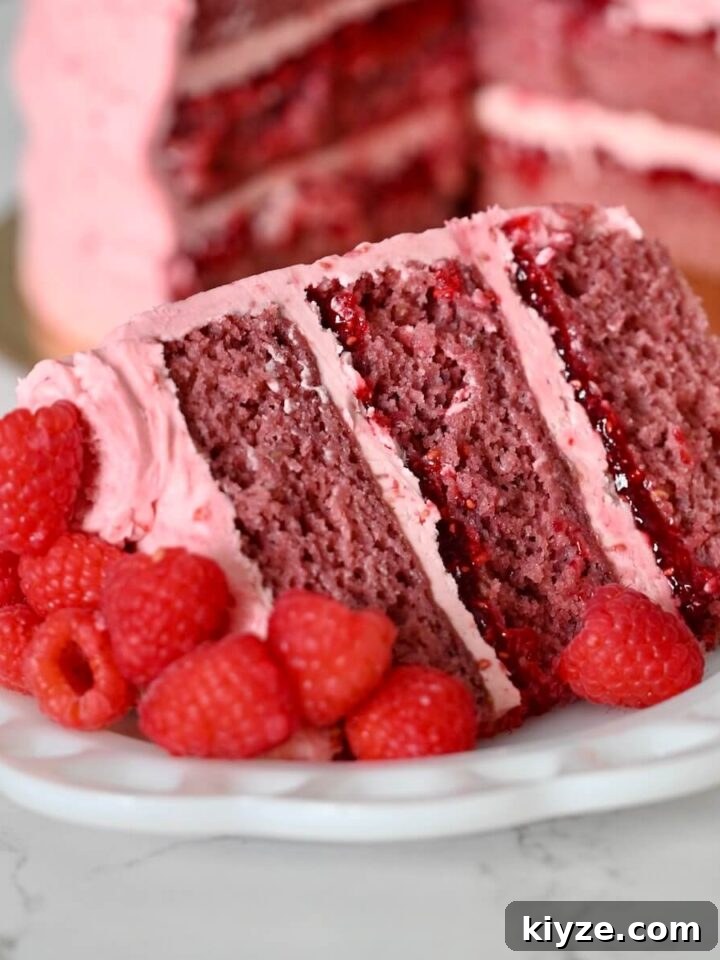
The Best Fresh Raspberry Layer Cake Recipe
I hope you enjoy baking this moist reverse creaming vanilla cake. Share your results on social media with your favorite baking handle and subscribe for more bakery-tested recipes!
Thanks for reading. ❤️

📖 Recipe & Step-by-Step Instructions
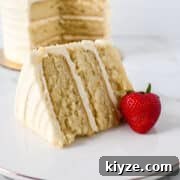
Moist Vanilla Cake (Reverse Creaming Method)
For the most accurate results, weigh ingredients in grams with a kitchen scale.
Equipment

Ingredients
Dry Ingredients
- 233 grams (1 ¾ cups) All-Purpose Flour
- 2 Tablespoons Instant Clearjel (or vanilla instant pudding)
- 1 ½ teaspoons Baking Powder
- 1 teaspoon Baking Soda
- ¾ teaspoon Salt
- 200 grams (1 cup) Sugar
Butter
- ¾ stick (3 ounces) Salted Butter (soft to the touch)
Wet Ingredients
- ¾ cup Buttermilk
- ¼ cup Water
- 1 ½ teaspoons Vanilla Extract
- 1 Tablespoon Almond Extract
- ¼ cup + 2 Tablespoons Vegetable Oil
- ¼ cup Light Corn Syrup
Eggs
- 1 large Egg
- 2 Egg Whites
Additional Ingredients
- 1 batch prepared Vanilla Bakery Buttercream Frosting (for filling and topping)
Instructions
Make the Vanilla Cake with the reverse creaming method
- Preheat oven to 325°F (165°C). Line a ¼ sheet pan with parchment and lightly spray the parchment and pan sides with cooking spray.
- Whisk together the wet ingredients in a medium bowl or pitcher until smooth. Beat the eggs and egg whites in a separate small bowl and set aside.
- Sift and whisk the dry ingredients together. Add them to the bowl of a stand mixer with the softened salted butter.
- On low speed, mix the dry ingredients and butter until the mixture resembles coarse sand and no large butter lumps remain, scraping the bowl as needed.
- With the mixer on low, slowly pour in the wet ingredients. Scrape the bowl, then increase to medium and beat until smooth.
- While mixing on low, stream in the beaten eggs. Scrape the bowl, then increase to medium-high and beat 30–60 seconds more until the batter is smooth.
- Spread batter evenly in the prepared pan using an offset spatula.
Bake the Cake
- Bake on the middle or upper rack at 325°F for about 30–35 minutes, or until the cake springs back to the touch or a toothpick comes out clean. Start checking after 25 minutes; oven times vary. Double batches may need a few extra minutes.
- Cool the cake completely. For easier handling and layering, wrap the cake in the pan and freeze for at least 2 hours or up to 2 weeks.
Layer, Decorate, and Serve
- Layer the cake from frozen for the cleanest results, or from chilled layers if serving the same day. Cut layers with cake rings if using the Cut and Stack method.
- Fill each layer with prepared vanilla buttercream. Use an offset spatula to spread and smooth filling and frosting.
- Apply a thin crumb coat of buttercream, freeze for about 10 minutes to set, then finish frosting. Save leftover crumbs for cake truffles if desired.
- Chill the finished cake, then remove it from the fridge 1–3 hours before serving to reach ideal texture at room temperature.
Calories are estimated using a nutrition calculator. This recipe may reference additional recipes whose calories are not included here.