Table of Contents
The Bacon Weave
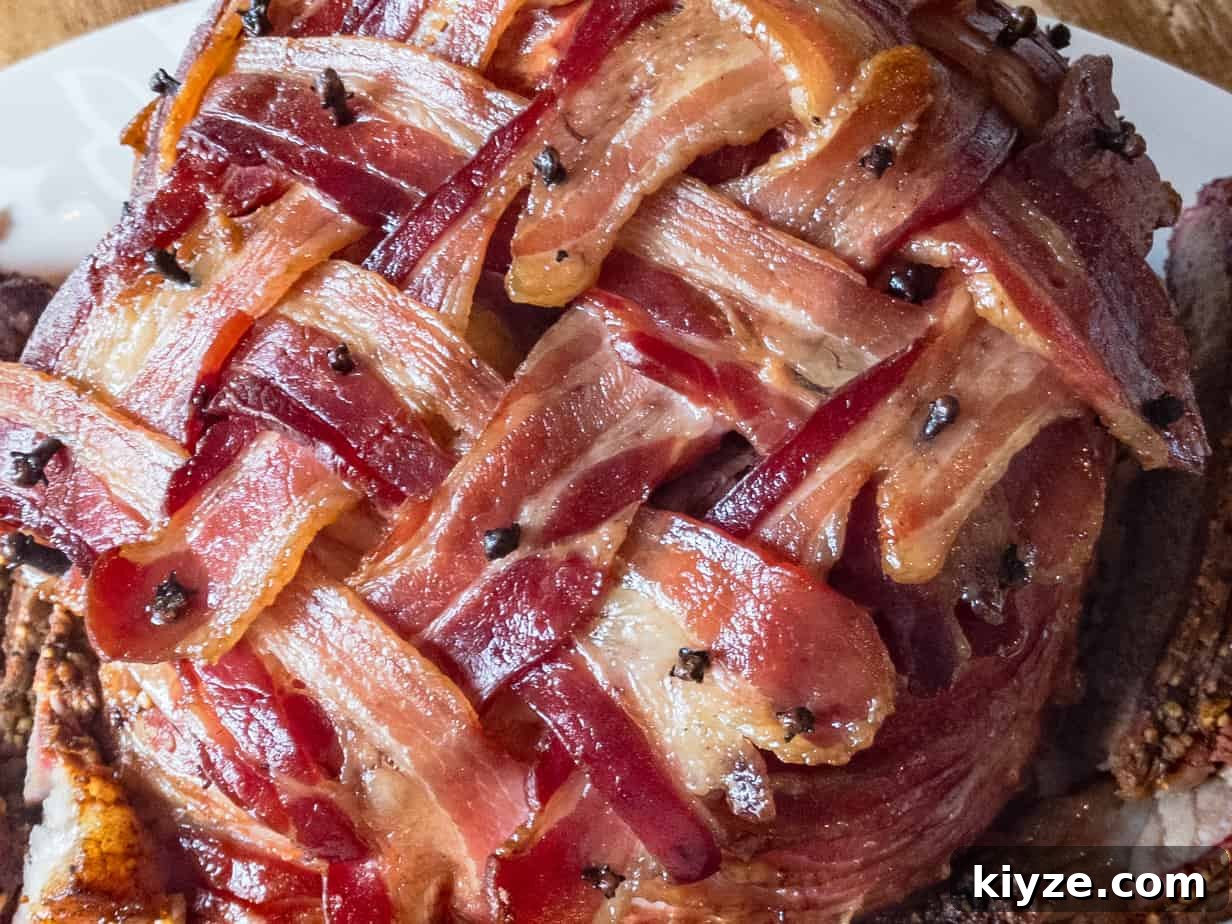
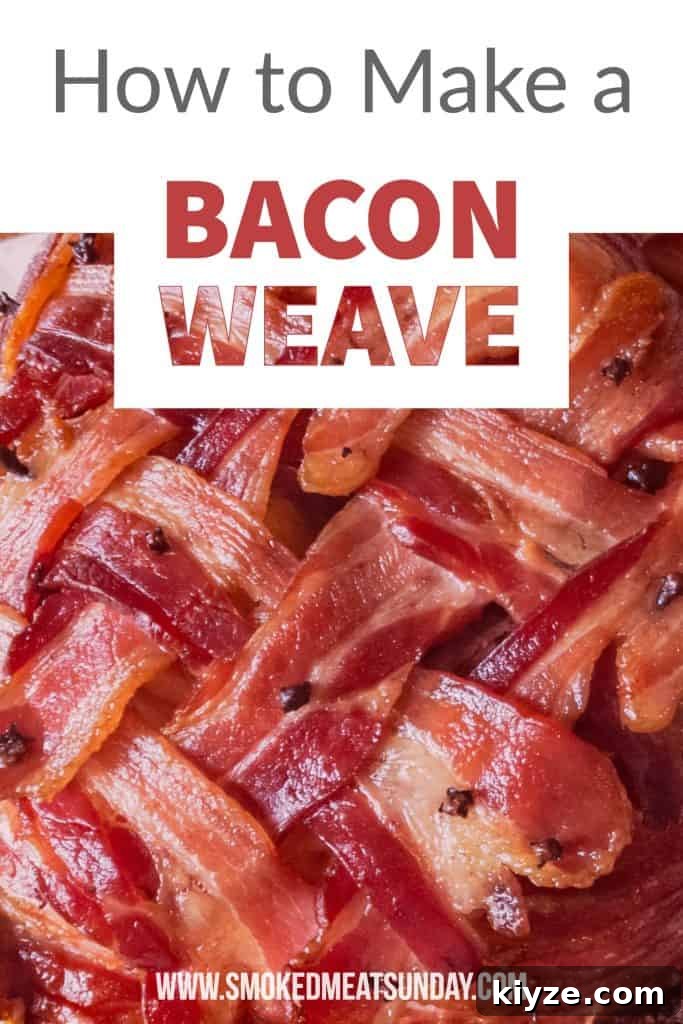
Making a bacon weave is an easy way to add texture and smoky, savory flavor to many dishes. Weaving strips of bacon into a lattice creates a crunchy, cohesive layer that works well on burgers, sandwiches, ribs, or as a standalone crispy sheet. This technique is simple, impressive, and adaptable to different cooking methods.
What Are Bacon Weaves?
A bacon weave is simply strips of bacon woven together into a flat blanket. You can cook the weave on its own until crispy or drape it over other foods while they cook so the bacon fat bastes and flavors the dish. The result can be decorative, functional, and intensely flavorful.
Equipment
- Rimmed baking sheet or oven tray
- Parchment or wax paper
- Oven or smoker/grill
- Disposable gloves (optional)
Ingredients
- Thick-cut bacon (quantity depends on desired weave size)
Selecting The Bacon
Temperature and thickness matter. Keep bacon cold until you begin so the strips are firmer and easier to handle without tearing. Thick-cut bacon produces a meatier, more substantial weave and holds up well when smoked or used to top larger cuts. Thinner slices cook faster and can give a lighter, crisper finish—choose based on texture and cooking time you want.
Preparation Before Weaving
Prepare a clean, protected workspace since you are working with raw pork. Lay down parchment or wax paper to avoid contaminating counters. Disposable gloves help keep things tidy, and always sanitize surfaces after handling raw bacon.
Preheat your cooking device before you finish weaving. For oven cooking, set 400°F (204°C). For smoking, 225°F (107°C) is a common low-and-slow temperature that renders fat and builds smoke flavor. Use an oven or smoker thermometer if needed to confirm accurate temperatures.
Weaving Bacon Instructions
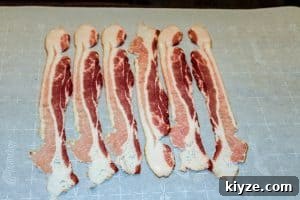
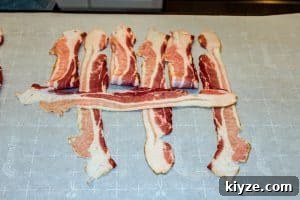
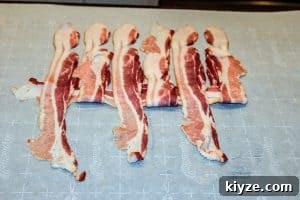
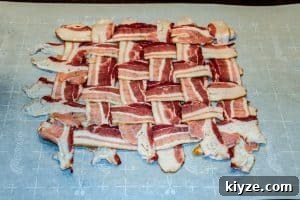
With your workspace ready, arrange six bacon strips parallel on parchment or wax paper. From the left, fold back the 1st, 3rd, and 5th strips about halfway and place a bacon strip horizontally across them. Unfold the folded strips back over the horizontal piece so they lie perpendicular.
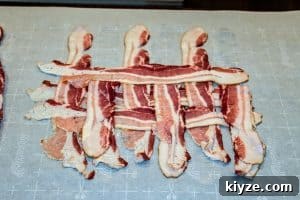
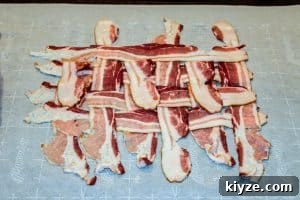
Next, fold back the 2nd, 4th, and 6th strips and add another horizontal strip. Continue alternating folded sets and adding horizontal pieces until the entire weave is complete. As you work, keep the strips aligned and gently press the woven intersections so the weave holds together. Repeat the pattern until you reach the desired width and length.
Cooking Bacon Weaves
Transfer the finished weave to a grill rack or wire rack set over a rimmed baking sheet to catch drips. For smoking, cook low and slow at 225°F for roughly two hours, depending on thickness and desired crispness. Remove carefully with a large spatula to avoid tearing.
Let excess grease drain by placing the weave on paper towels or a wire rack, and gently blot any remaining fat. Rest the weave a few minutes so the meat firms up and retains its texture. If using an oven, bake at 400°F for about 15–20 minutes, checking often so it reaches the level of crispness you prefer without burning.
Advanced Tips And Variations
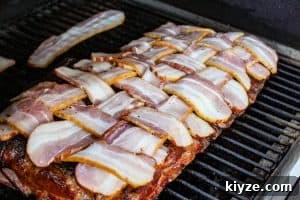
Cut bacon weaves to size for burgers, BLTs, or sandwiches. They make excellent toppings for racks of ribs—lay a bacon blanket over ribs while they cook so the rendered fat keeps the meat moist and adds flavor.
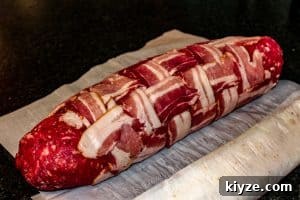
A popular variation is wrapping a seasoned meat log (sometimes called a fatty) in a bacon weave before smoking or roasting; the bacon crisps while basting the interior. You can also season the bacon with black pepper, brown sugar, or a light rub before weaving to change the flavor profile.
Experiment with weave size, bacon thickness, and cooking method to find the balance of chewiness, smoke, and crispness you prefer. Making a bacon weave is fun, versatile, and a guaranteed crowd-pleaser for anyone who enjoys savory, smoky bacon.