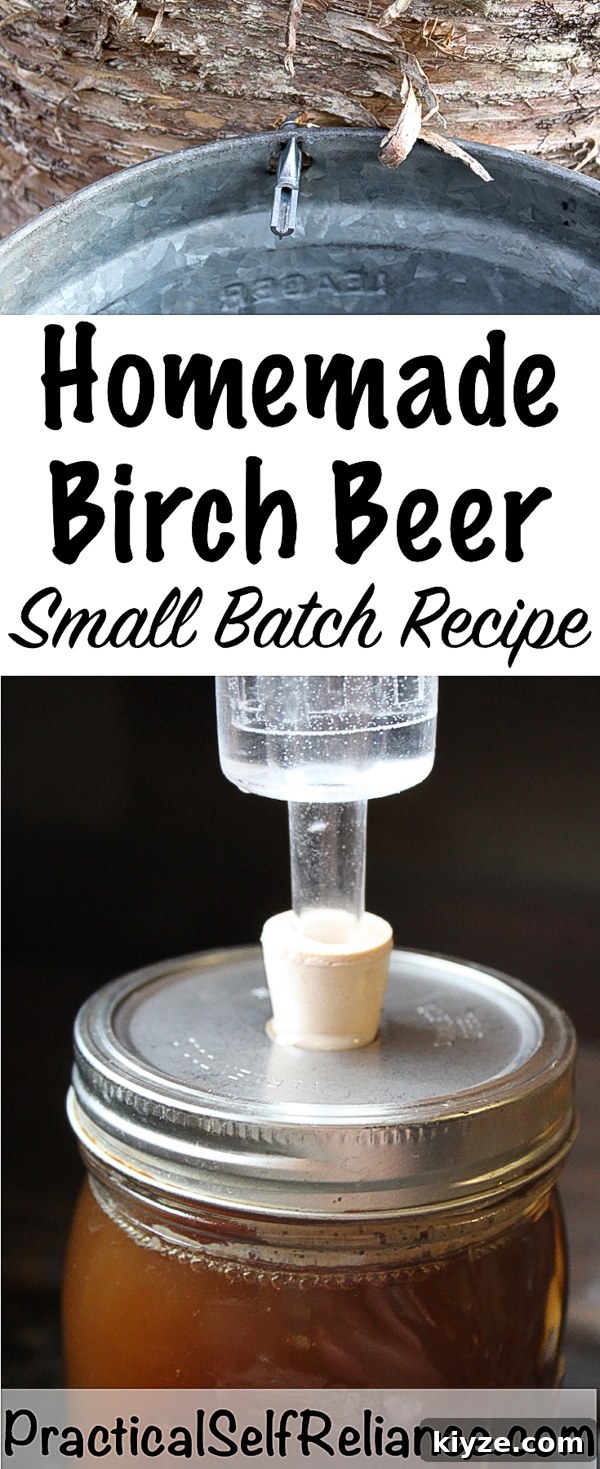
If you search for birch beer today you’ll often find a sweet soda flavored with a few drops of birch oil. Historically, however, birch beer was a real fermented beverage. Alcoholic birch beer, birch wine and birch mead were brewed for centuries in regions where birch trees grow.
Birch sap runs later in spring than maple sap, when temperatures stay consistently above freezing. That warmth makes birch sap prone to natural fermentation, so if you’re tapping birches you may choose to embrace that process rather than fight it.
Various cultures made fermented birch drinks: English brewers combined birch sap with sugar, while Russians produced a quick mead called medovukha from birch sap and honey. But birch syrup is sweet and flavorful on its own, and birch sap can be concentrated—so why not create a pure birch beer or birch wine using concentrated birch sap alone?
The main reason many traditional recipes add sugar is the energy required to concentrate sap. As noted in Sacred Healing and Herbal Beers, “Most traditional recipes used sugar as an additive because of the labor involved in making birch sap sweet enough to provide enough sugar for fermentation by itself.”
A gallon of birch sap reduces to roughly an ounce of birch syrup. To make a gallon of pure birch beer you might need about a quart (32 ounces) of birch syrup—meaning you’d have to boil down roughly 32 gallons of sap to reach that volume. That level of reduction takes time and fuel.
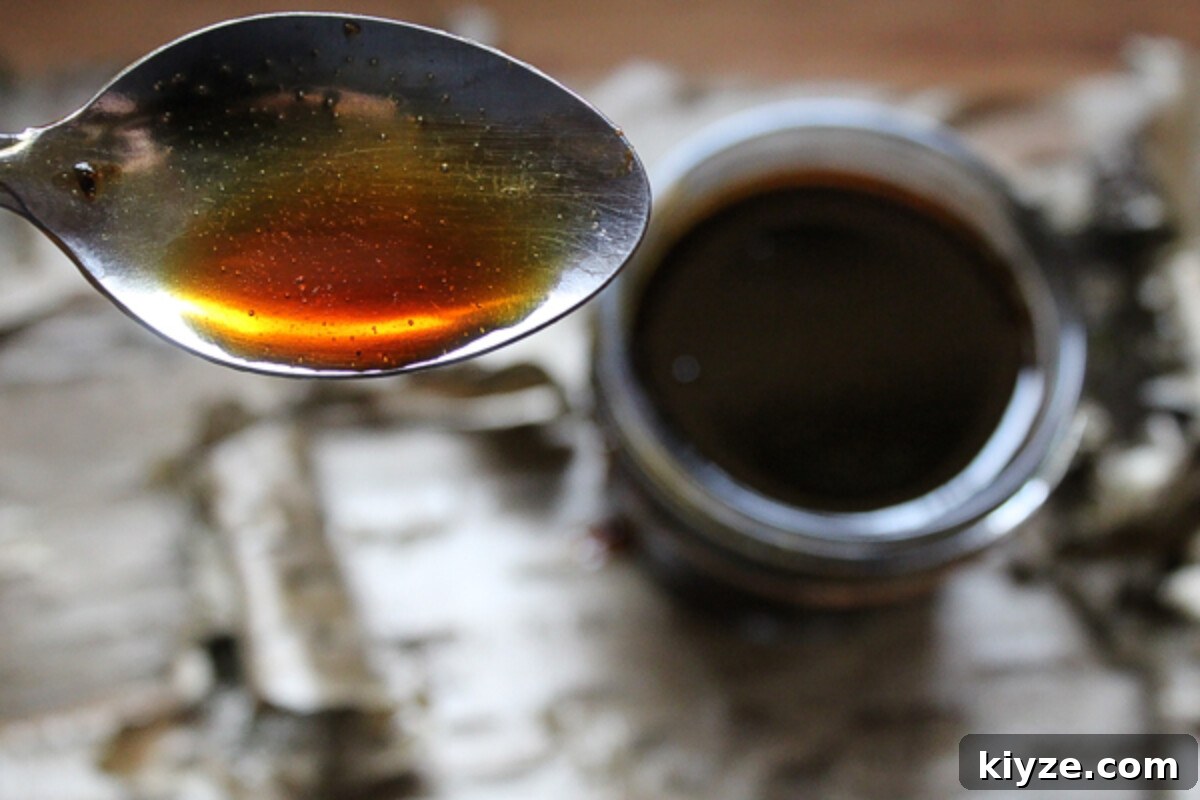
To experiment without the huge fuel cost, I chose to make a small batch: a quart of birch wine using a mason-jar fermentation kit. A quart requires only about a cup of birch syrup, which I produced from eight gallons of birch sap.
Because birch sap or birch syrup can be hard to source for some, this small-batch approach makes the recipe easier to replicate at home using just birch syrup, water and yeast. Birch sap has long been consumed in eastern Europe as a tonic and is now sometimes marketed like other natural beverages, but a small concentrated syrup makes home brewing feasible without collecting dozens of gallons of sap.
When I make small-batch meads I typically use between two-thirds and one cup of honey per quart. Using a full cup of birch syrup will likely produce a sweeter drink; you can reduce the syrup to two-thirds cup if you prefer a drier result.
Unlike maple syrup, which is high in glucose, birch syrup is richer in fructose—closer to the fruit sugars found in wine and cider. Older accounts describe birch sap fermenting quickly when additional sugar is added. While birch sap contains minerals and some nutrients that support yeast, I found a pure birch-syrup fermentation to be relatively slow on its own.
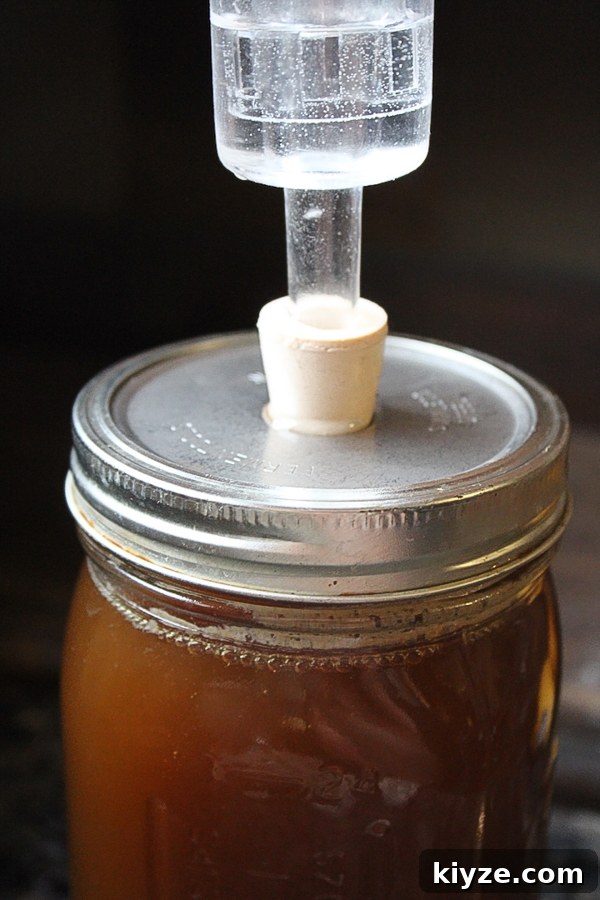
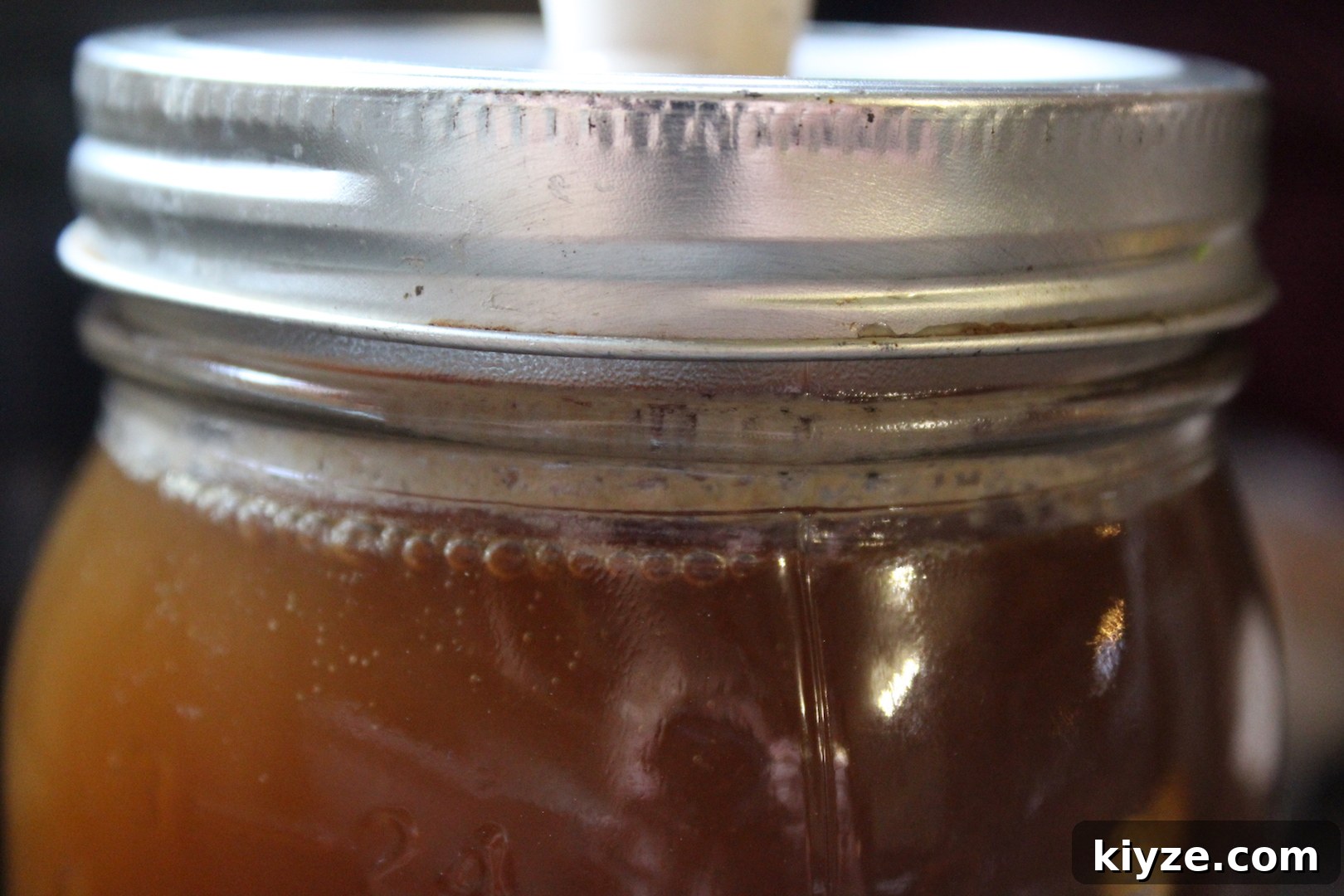
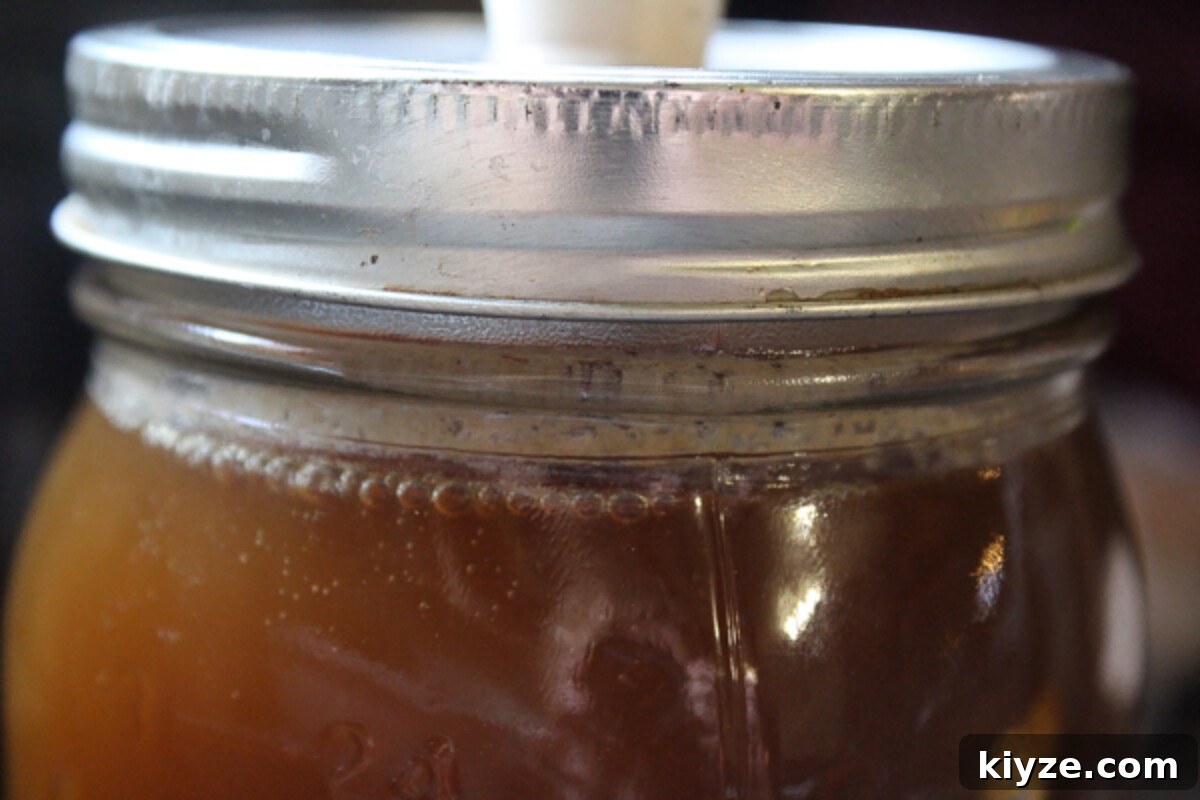
For this quart batch I added one cup of birch syrup to the bottom of a quart mason jar, boiled 3 1/2 cups of water and poured it over the syrup, stirring to dissolve. I rehydrated about a quarter packet of wine yeast in a few tablespoons of water, let the syrup mixture cool to room temperature, then added the yeast and capped the jar with a mason-jar fermentation lid.
With a small batch it’s easy to skip siphoning and racking: once visible fermentation subsided after a few weeks I carefully poured the clear liquid into another container, leaving the sediment behind, and bottled it in a flip-top Grolsch-style bottle. Let it age a few days, though two weeks is preferable before drinking.
Birch Beer ~ Small Batch Recipe
Ingredients
- 1 cup birch syrup
- 3 1/2 cups water
- 1/4 packet wine yeast (rehydrated)
Instructions
-
Add the birch syrup to the bottom of a quart mason jar. Bring the water to a boil, pour it over the syrup, and stir until dissolved.
-
Rehydrate about 1/4 packet of wine yeast in a few tablespoons of water until dissolved.
-
Allow the birch syrup mixture to cool to room temperature, then add the yeast.
-
Cap with a fermentation lid and let the mixture ferment at room temperature for a few weeks, until visible activity stops. If you use added white sugar with sap, fermentation may finish in less than a week.
-
Carefully pour the clear liquid into another container, leaving the sediment behind. Bottle in a flip-top bottle and age at least a few days, preferably two weeks, before drinking.
Nutrition
Nutrition information is an approximation.
Traditional Birch Beer Recipes
Historical recipes commonly used added sugar. The earliest printed birch-beer recipe I found appears in Vinetum Britannicum (1676), which prescribes adding a pound of sugar to each gallon of sap, boiling briefly, cooling and adding a small amount of yeast. Spices such as cinnamon and mace were sometimes included, and the brew was often bottled after about a month. Early writers noted the drink could be lively and should be stored carefully to avoid bottle breakage.
Another historical recipe, quoted in Sacred and Herbal Healing Beers and attributed through several sources to Martha Washington’s book of cookery, similarly instructs boiling the sap with sugar, fermenting it with yeast, and bottling in strong bottles after a few days. The author notes birch sap was considered both a pleasant beverage and a folk remedy, used for appetite and as a traditional treatment for kidney stones.
Keep in mind that modern powdered sugar often contains cornstarch, so if you follow an older recipe you may prefer to use a fine granulated or caster sugar. Also remember that historical texts sometimes use different terminology; when they reference “powdered sugar” they may mean fine white sugar available at that time.
If you enjoy historical brewing and herbal fermentation, reading collections of older recipes and modern guides on herbal fermentations can provide more context and inspiration for experimenting with wild ingredients.