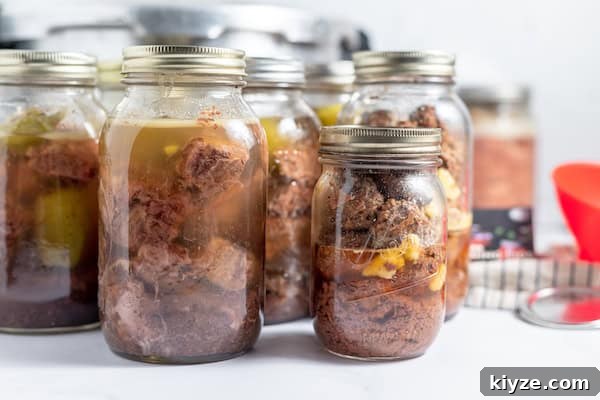
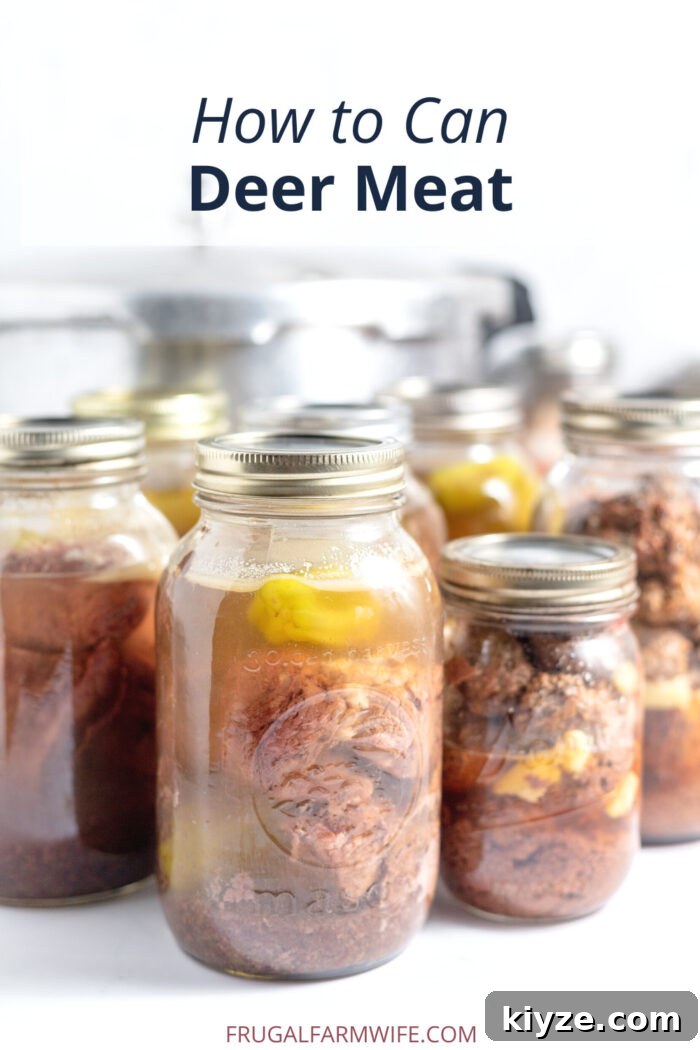
Now that fall is here and vegetable canning is mostly finished, it’s time to turn attention to canning meat. This guide explains how to can deer meat using several approaches so you can preserve venison the way your family will actually eat it.
This isn’t meant to overcomplicate the process, but to give you options. You don’t need every jar on your shelf to be raw-packed cubes of meat if your family would also enjoy seasoned pot roast or ready-to-use ground meat for casseroles and tacos.
Read through the entire tutorial before skipping to the instructions or recipe box.
Growing up we canned a great deal of food because we didn’t have reliable freezer space; entire cellar shelves were lined with jars of venison. Back then the focus was simply getting food preserved before it spoiled, which worked—but today I prefer to make preserved food convenient and ready-to-use.
Instead of canning everything as salted cubes, take a few extra minutes to season meat or add broth and can pot roast or Italian-style shredded beef. That way you have ready meals and versatile components on the shelf.
When you look at the photos in this post you’ll notice jars with plenty of broth and seasoned strips of meat rather than densely packed dry-looking cubes. I also like to can vegetable soup and other mixed meals when possible, because it’s convenient and saves time during the busy winter months.
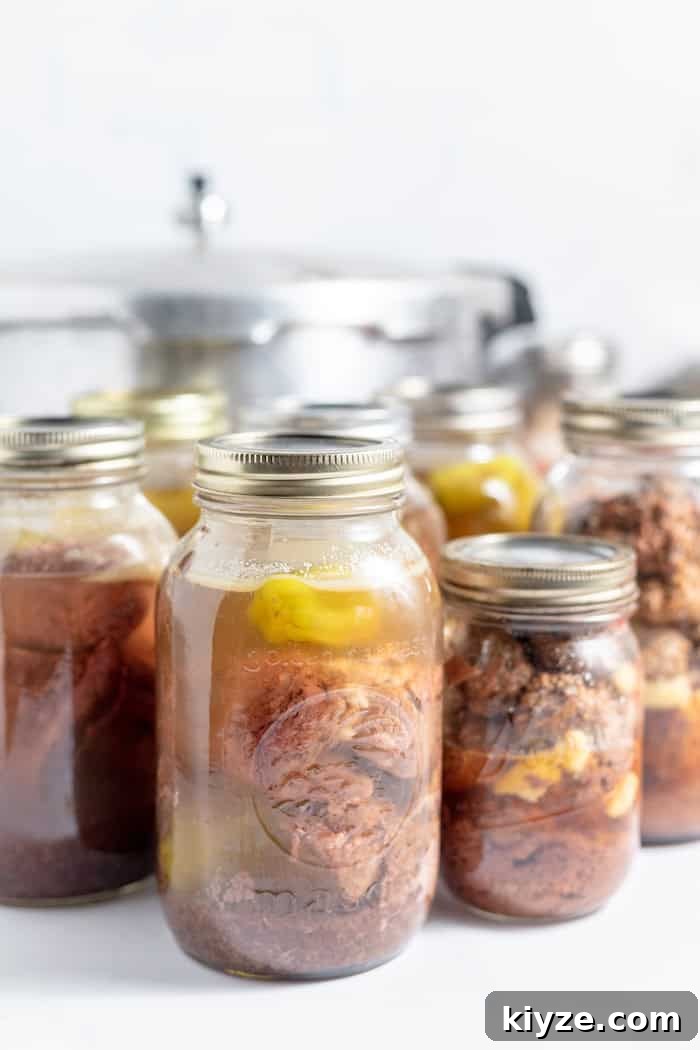
What is the process for canning venison?
Whether you’re canning plain meat or a seasoned meal, the basic workflow is similar: prepare clean jars, pack the meat (and any seasonings or broth), and process in a pressure canner for the proper time and pressure.
You need a pressure canner to can meat.
A pressure canner reaches the higher temperatures required to safely kill bacteria throughout the jar. While some traditional methods use a water bath, the USDA and home food preservation experts recommend pressure canning for meat to reduce spoilage and ensure safety.
Quick overview of pressure canning steps:
- Sanitize utensils and jars: Clean jars, lids, and tools before use.
- Prepare the canner: Follow your canner’s directions. A common 16-quart canner uses a rack and about two quarts of water. Use hot water if hot-packing, or cooler water for cold-packing.
- Fill jars: Pack jars with meat and any seasonings or broth, leaving the recommended headspace (typically 1/2 inch for meat).
- Wipe rims: Clean the jar rims to ensure a good seal, then attach lids and bands.
- Load jars into the canner: Place jars on the rack without touching.
- Vent and pressurize: Put the lid on, heat to vent steam, then apply the pressure weight or gauge according to your canner’s instructions.
- Process and cool: Process jars at the correct pressure and time for your altitude, then remove heat and allow the canner to return to zero pressure before opening.
The canner can seem large and loud, but the steps are straightforward. Once you get the hang of it, pressure canning meat becomes quick and reliable.
What ingredients do you need for canning deer meat?
Canning venison is simple. At a minimum you need:
Two basic ingredients:
- Deer meat
- Salt
That said, you can and should add other seasonings when desired—black pepper, onion powder, dry ranch mix, Italian seasonings, or pepperoncini juice for Italian-style beef work well and make the jars much more useful straight from the pantry.
I prefer packing strips for roasts because narrow-mouth jars seal reliably, so cutting roasts into strips that fit through the jar opening helps ensure good seals.
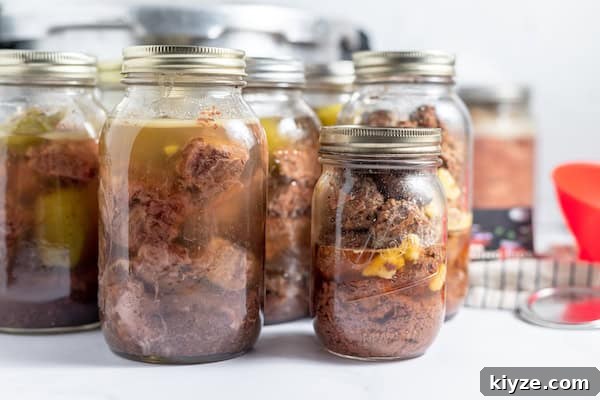
What cuts of venison should I use?
Use the whole deer. Tender cuts are great for fresh steaks or jerky, while sirloin, top round, bottom round, and shoulder are excellent for canning as cubes, strips, or roasts. Trimmings and less tender cuts are ideal for grinding and canning as ground meat in balls or patties.
How to raw-pack cubed deer meat
Raw-packing cubed venison is the fastest method and is very similar to canning other red meats.
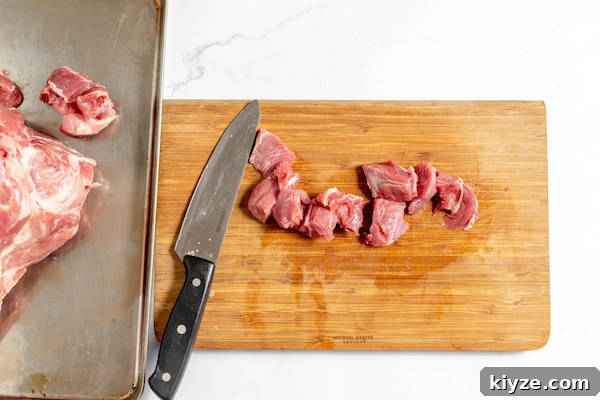
- Cut meat into cubes or chunks and pack into clean, sterilized jars.
- Add 1 teaspoon of salt to each quart jar, or 1/2 teaspoon to each pint jar (a general rule is about 1/2 teaspoon of salt per pound of meat).
- Optional: add 1/2 teaspoon of ground black pepper per quart for flavor.
- Seal jars and process in a pressure canner following safe processing times and pressures.
You do not need to add liquid; the meat releases its own juices during processing. Some meat at the top may look more browned than pieces below the liquid line, which is normal.
How to use canned cubes:
- Soups and stews
- Gravies
- Beef stroganoff
- Tacos, tamales, and taquitos
- Chili
How to can ground deer meat
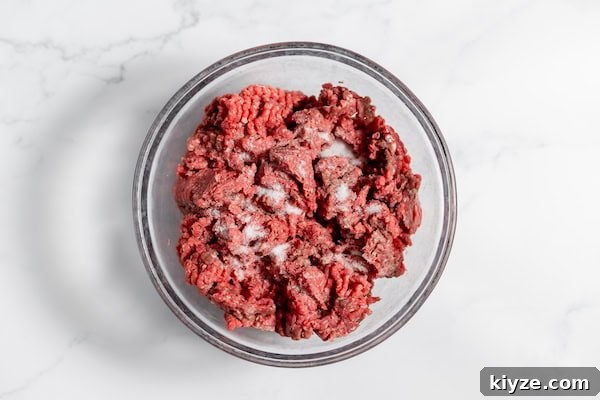
Canning ground meat can be done in several ways. To preserve a preferable texture, shape the meat into balls or patties and pre-cook the exterior before packing into jars.
- Mix salt into the ground meat (about 1/2 teaspoon per pound).
- Scoop tablespoon-sized portions and roll into 1-inch meatballs, or form small patties for wide-mouth jars.
- Bake meatballs or patties at 350°F (175°C) for about 10–15 minutes until the outsides are browned. They do not need to be fully cooked through.
- Pack the browned pieces into sterilized jars, including any juices that collected while baking, then seal and process in a pressure canner.
Pre-browning helps prevent the ground meat from compressing into a dense mass and improves texture when you reheat it. You can also make patties for quick hamburger use; simply remove, brown quickly in a skillet, and serve.
How to use canned ground deer:
- Casseroles
- Sloppy Joes
- Hamburger gravy
- Soups
Canning deer pot roast
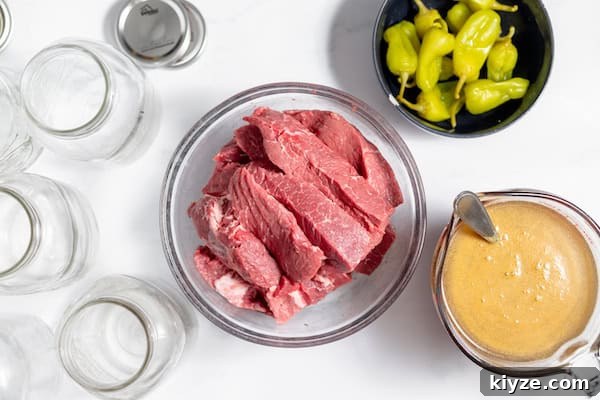
Canning pot roast yields ready-to-serve meals. Use larger strips or chunks and add seasonings and broth so the jar contains both meat and flavorful liquid.
- Pack jars with strips of meat and optional onions or peppers. I usually skip potatoes and carrots in the jars so the roast is more versatile—for example, you can make sandwiches or serve it with sides after opening.
- Divide your seasoning mix among jars (ranch mix, Italian beef seasoning, pepperoncini juice, etc.), planning about two pounds of meat per quart jar when estimating seasonings.
- Top jars with beef broth, leaving 1/2 inch headspace, then seal and process in a pressure canner.
Canned pot roast is excellent for shredding or pulling for sandwiches, and the broth makes a flavorful au jus or gravy for mashed potatoes.
What to serve with canned venison:
- Mashed potatoes or spinach mashed potatoes
- Home-canned baked beans
- Calico beans mixed with meat
- Gluten-free cornbread or egg noodles
- Other pasta
Below is a concise recipe-style summary to follow when canning deer meat.
How to Can Deer Meat
Deer meat is an excellent option for preserving food for year-round use. This guide covers raw-packed cubes, browned ground meat, and broth-packed pot roast.
Ingredients
- Deer meat (cubes, strips, ground, etc.)
- Salt
- Optional seasonings: pepper, onion powder, dry ranch mix, Italian seasonings, pepperoncini juice, etc.
Supplies:
- Sterilized canning jars (quart or pint)
- Canning lids and rings
- Pressure canner
Instructions
For cubed or randomly cut deer meat:
- Packed sterilized jars with meat; add 1 teaspoon salt per quart or 1/2 teaspoon per pint.
- Optional: add 1/2 teaspoon pepper per quart.
- Screw on lids and bands and process in a pressure canner (see canning times below).
For ground deer:
- Mix salt into the meat at about 1/2 teaspoon per pound.
- Form into 1-inch meatballs or small patties.
- Bake at 350°F (175°C) for 10–15 minutes until the outsides are browned.
- Pack browned pieces into sterilized jars along with any juices from baking; seal and process.
For broth-packed pot roast-style jars:
- Pack jars with strips of meat and optional onions or peppers.
- Divide seasonings among jars (estimate two pounds meat per quart when planning seasonings).
- Top with beef broth, leaving 1/2 inch headspace; seal and process.
To proceed with pressure canning:
- Prepare your pressure canner per manufacturer instructions. A common 16-quart canner uses a rack and about two quarts of water.
- Load jars into the canner without them touching.
- Fix the lid with the steam vent open and heat until steam vents steadily, then vent for 10 minutes.
- Apply the pressure weight or gauge and bring to 10 lb pressure at sea level (increase to 15 lb for higher altitudes where required).
- Process quart jars for 90 minutes and pint jars for 75 minutes at the proper pressure.
- Turn off heat and allow the canner to return to zero pressure naturally before opening.
- Carefully remove jars and let them cool away from drafts. After 24 hours check seals, remove bands if desired, and store jars out of direct sunlight.