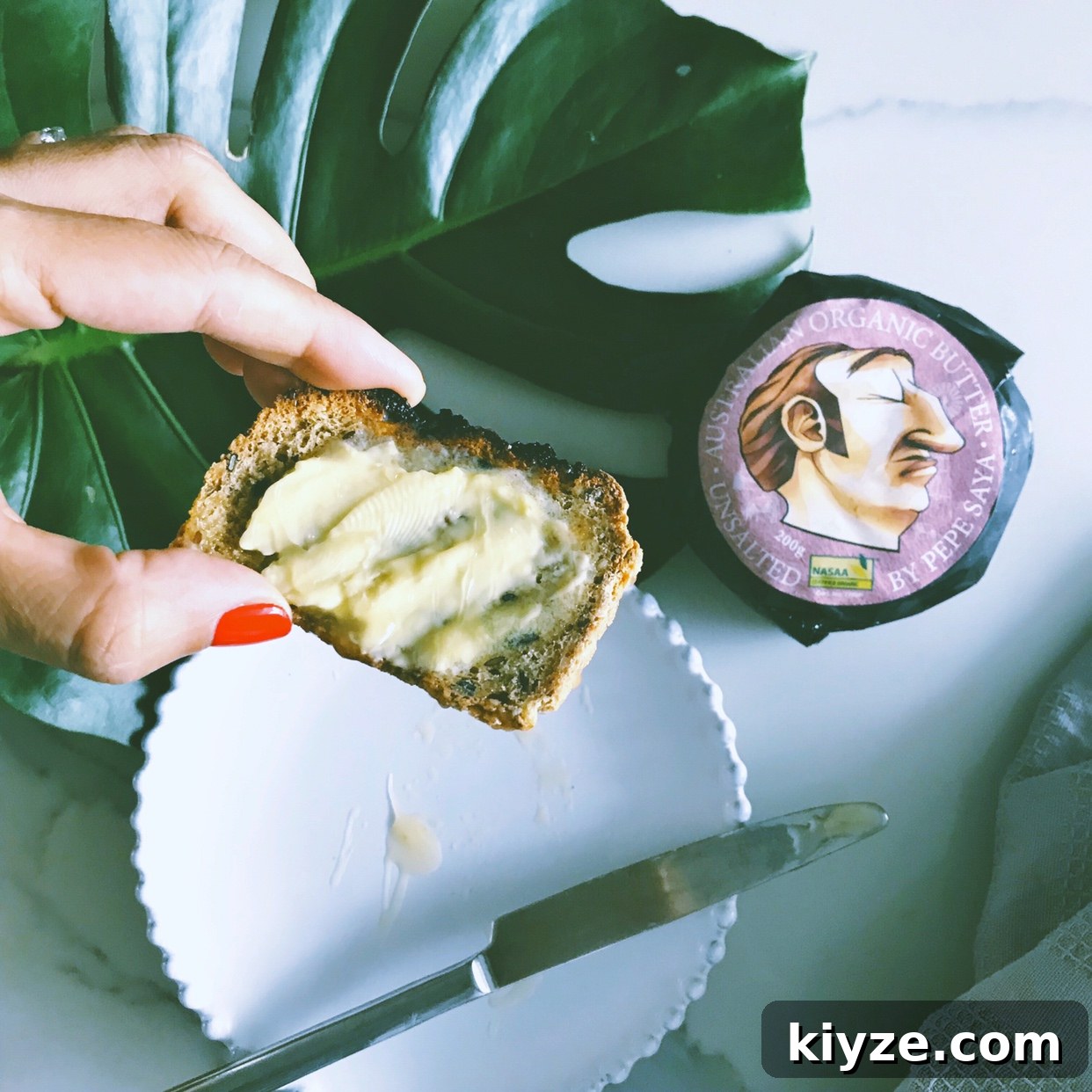
I’m a BIG advocate of good fats, and butter is one of my favorites.
If you include butter in your diet, choose grass-fed varieties whenever possible. Grass-fed butter provides higher levels of fat-soluble vitamins such as A, D, E, and K, along with beneficial minerals and a healthier fatty acid profile. For an extra layer of flavor and health benefits, consider cultured butter.
So what is cultured butter exactly?
Cultured butter is made by fermenting cream before it is churned into butter. This fermentation step introduces beneficial bacteria, making cultured butter a probiotic food. The result is a product that combines the nourishing fats of butter with the digestive advantages of fermentation.
Butter (healthy fats) + Fermentation (probiotics) = Gut-friendly food
Gut-friendly food = Improved digestion, stronger gut lining, and more effective nutrient absorption
The fermentation process also alters the flavor and texture of the butter. Cultured butter develops a pleasant, slightly tangy note and a silkier, creamier consistency that many cooks and bakers prefer. That tang and texture make it a popular choice for pastries, sauces, and finishing dishes where flavor and mouthfeel matter.
Beyond taste, butter offers specific compounds that support gut health. One of these is butyrate, a short-chain fatty acid that helps nourish cells lining the colon. While the gut can produce butyrate from dietary fiber when the microbiome is functioning well, consuming foods that provide or support butyrate production can be helpful for many people. Butyrate is associated with anti-inflammatory effects in the gut and supports overall intestinal health.
Butter fat also contains glycosphingolipids, a class of lipids that play a role in protecting the gastrointestinal tract. These molecules can help maintain barrier function and support the gut’s defense against certain infections. When butter is both grass-fed and cultured, you get the combined advantages of a richer nutrient profile and the beneficial effects of fermentation.
So next time you are buying your butter remember:
-
Grass-fed is best
-
Cultured and grass-fed is even better
Butter has earned a controversial reputation over the years, but when chosen thoughtfully and enjoyed in moderation it can be a nourishing, restorative part of your diet. Quality matters: grass-fed, minimally processed, and, when available, cultured varieties deliver more vitamins, beneficial fatty acids, and fermentation-derived advantages than highly processed alternatives.
For example, my breakfast today featured a generous smear of cultured butter on a slice of gluten-free sourdough from The Whole Kitchen, finished with a light drizzle of raw honey. I paired it with ripe papaya, which is rich in digestive enzymes, and a cup of Tulsi tea for a calming start to the day. This simple meal highlights how combining quality fats with whole foods can support digestion and overall wellness.
If you are exploring butter options, taste and ingredient labels are useful guides. Look for clear wording about grass-fed sourcing, minimal processing, and whether the butter is cultured. Small changes like these can make a meaningful difference in flavor and nutrition.