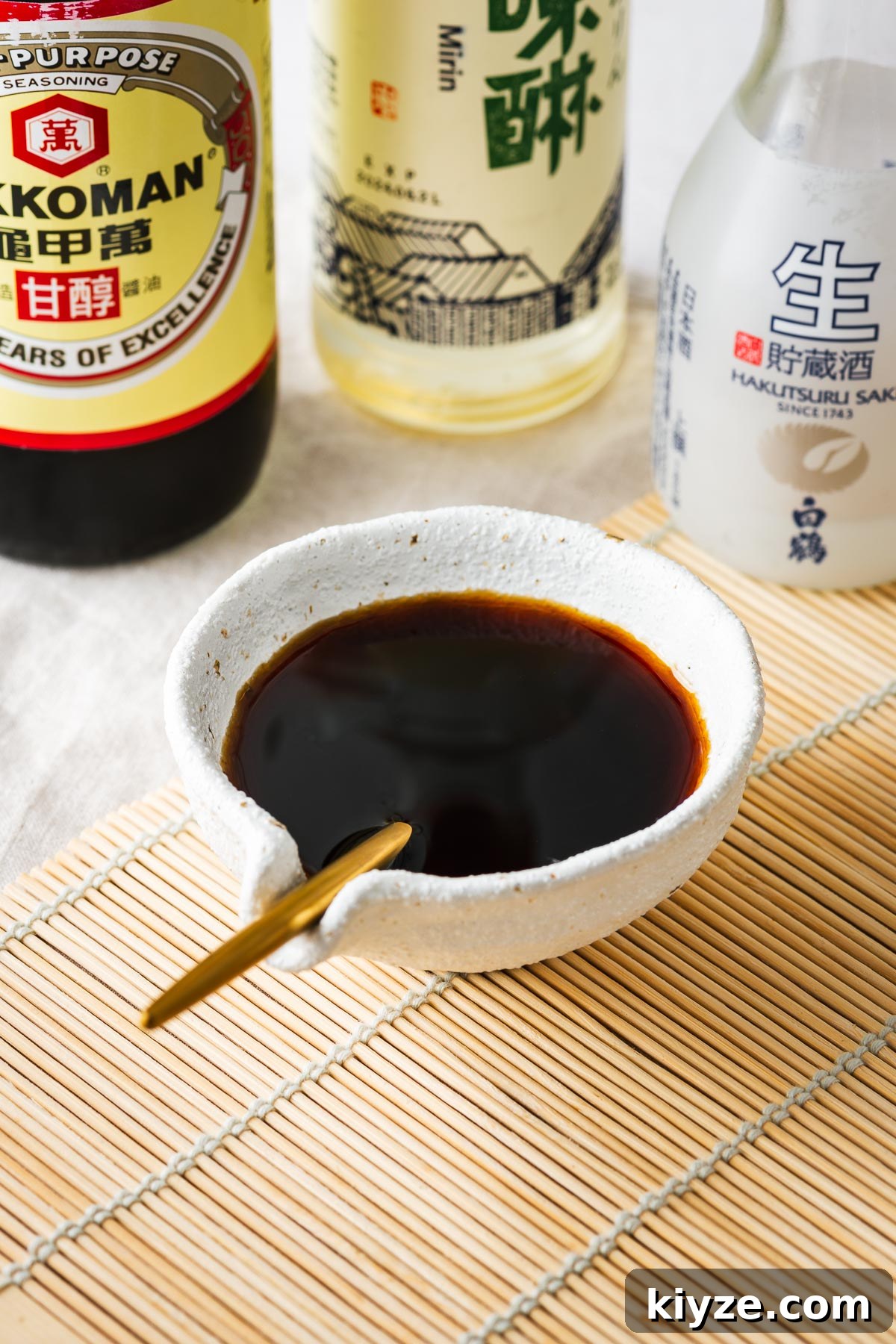
A blend of sukiyaki sauce and dashi broth forms the braising liquid for sukiyaki, a classic Japanese hot pot. The sauce is sweet, savory and rich in umami, making it an essential component of this communal winter dish.
Nabemono, or Japanese hot pot dishes, are a staple of home cooking and shared meals. Below you’ll find an easy sukiyaki sauce recipe and clear instructions for preparing Kanto-style sukiyaki at the table.
What is sukiyaki?
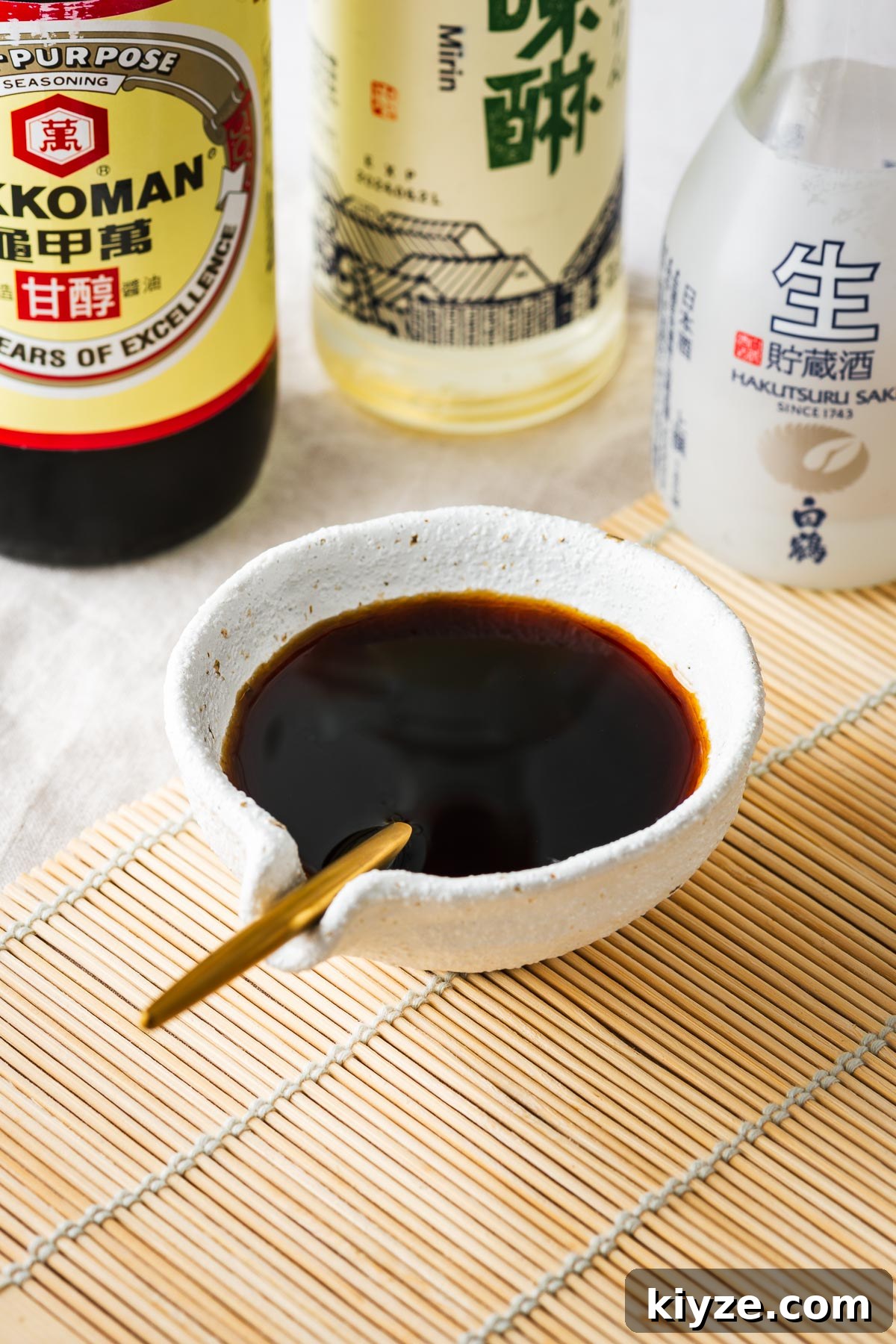
Sukiyaki is a Japanese hot pot dish typically enjoyed during colder months. Thinly sliced meat and an assortment of vegetables are simmered tableside in a cooking liquid made from dashi broth and sukiyaki sauce (also called warishita). The authentic sauce is simple, traditionally consisting of only soy sauce, sake, mirin and sugar.
The meal is often prepared and served in a shallow cast-iron or earthenware pot set on a portable burner. In many households, lightly beaten raw egg is provided as a dipping sauce for the hot ingredients; this is optional and can be omitted for those who avoid raw egg.
Sukiyaki vs shabu-shabu
Both sukiyaki and shabu-shabu are popular Japanese hot pot styles served and cooked at the table, but they differ in cooking liquids and customary accompaniments. Sukiyaki items are simmered in a sweet soy-based broth made from sukiyaki sauce and dashi, and diners often dip the hot ingredients into raw egg.
Shabu-shabu uses a lighter kombu dashi for boiling; cooked pieces are typically dipped in separate sauces such as goma dare (sesame sauce) or ponzu. The contrast between the dense, sweet-salty sukiyaki broth and the lighter flavors of shabu-shabu defines each experience.
Regional styles of sukiyaki
Regional variations exist, but the two principal approaches are Kanto (eastern Japan) and Kansai (western Japan). Kanto-style sukiyaki cooks all ingredients together in the seasoned broth. Kansai-style sukiyaki begins by searing the meat—often with brown sugar—then adding the sauce and finally the vegetables. Both styles traditionally finish the meal by adding noodles or mochi to soak up the remaining broth.
Sukiyaki sauce ingredients
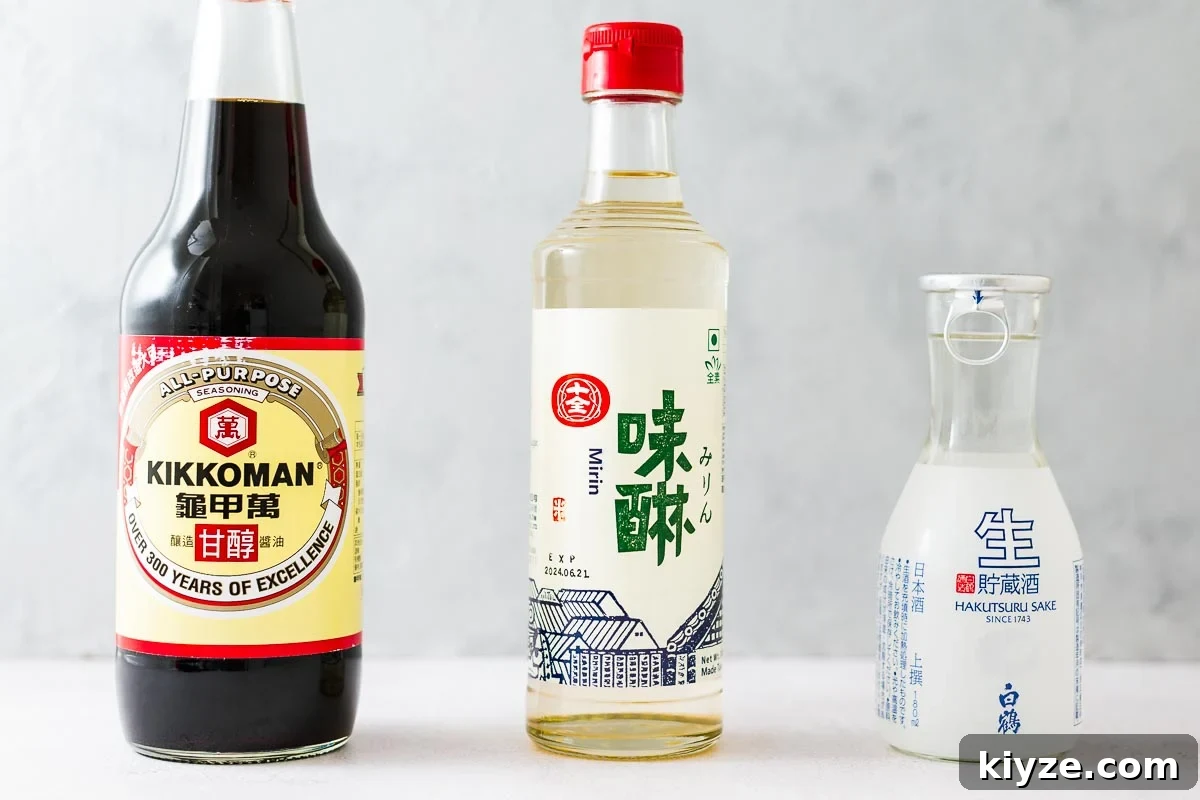
Warishita, the sukiyaki sauce, is remarkably simple and relies on pantry staples. It delivers a balanced sweet-salty profile and deep umami. The essential ingredients are:
- Soy sauce: a full-flavored all-purpose soy sauce works well. For gluten-free cooks, tamari is a suitable alternative.
- Sake: a rice wine ingredient that adds depth. If unavailable, you can adjust the ratios of the remaining liquids but the flavor will vary.
- Mirin: a naturally sweet cooking rice wine that contributes sweetness and complexity. If mirin is not available, increase sugar and adjust liquid ratios.
- Sugar: granulated or light brown sugar both work; alternatives like maple syrup can be used sparingly.

How to make sukiyaki sauce
This sauce is quick to make and stores well. Combine equal parts soy sauce, sake and mirin. For every 1/3 cup of soy sauce used, add one tablespoon of sugar. Heat gently until the sugar is fully dissolved, then cool. You can prepare it on the stovetop in a small saucepan or briefly in the microwave in a heatproof bowl. Store the cooled sauce in an airtight container in the refrigerator for up to one month.

Sukiyaki sauce recipe
Sukiyaki Sauce (Makes about 2 cups)
- 2/3 cup mirin
- 2/3 cup sake
- 2/3 cup soy sauce
- 2 tablespoons sugar
Instructions
- Combine mirin, sake and soy sauce in a small saucepan over medium heat.
- Add the sugar and gently bring to a simmer, stirring until the sugar dissolves.
- Remove from heat and let cool. Store in an airtight container in the refrigerator for up to one month.
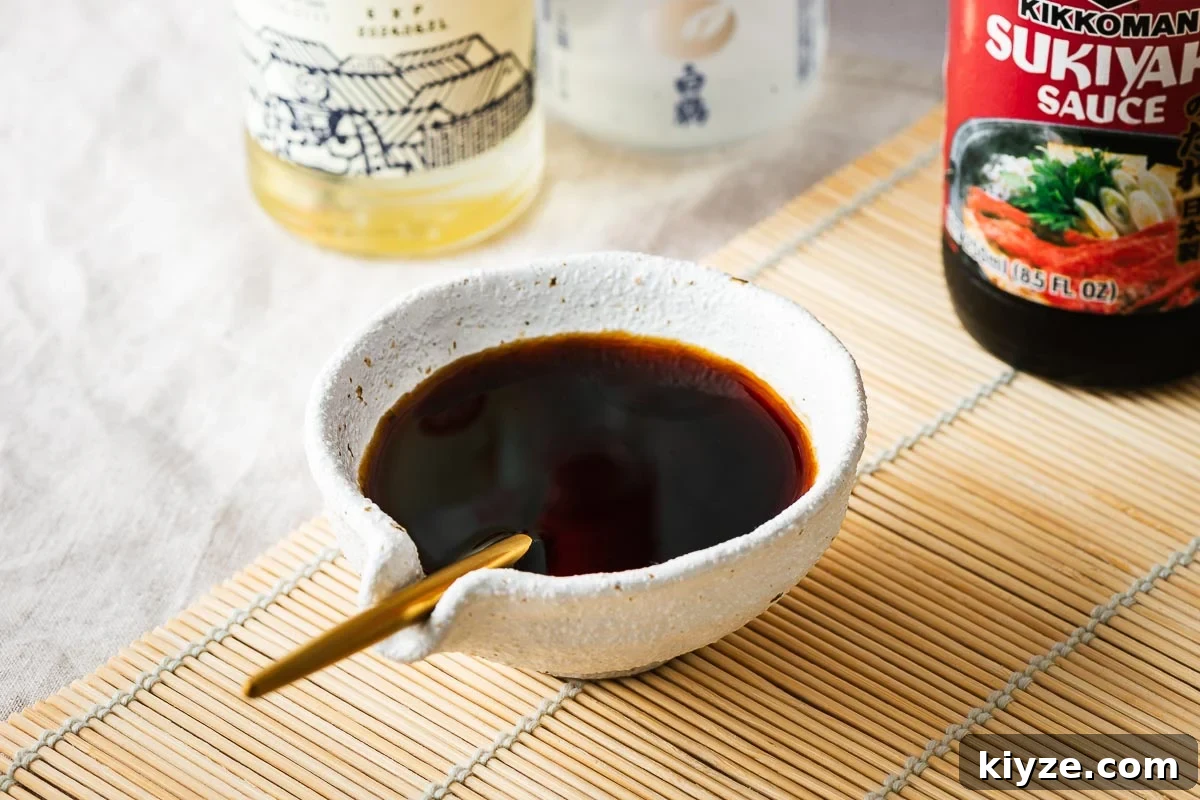
Note: To make the sukiyaki cooking liquid, mix about 2 cups of this sauce with 1 1/2 cups of dashi broth (or a vegetable broth with a piece of kombu for umami if you prefer a vegetarian base).
How to make sukiyaki (Kanto style)
Set a portable burner or electric hot plate in the center of the table and place a shallow pot on it. Heat 2 cups of prepared sukiyaki sauce with 1 1/2 cups dashi stock over medium heat until it simmers.
Add the ingredients to the simmering broth and cook at the table, allowing diners to serve themselves as items reach their preferred doneness. Typical ingredients include:
- Thinly sliced beef (omit for vegetarian or vegan versions)
- Firm tofu, cubed
- Shiitake or enoki mushrooms
- Long green onions (negi) or sliced scallions
- Napa (Chinese) cabbage and/or bok choy
- Shungiku (chrysanthemum leaves) or other leafy greens
- Shirataki or glass noodles
Traditionally, steamed rice is served alongside and diners place cooked items over rice. Beaten raw egg is offered as a dip in many homes; skip it if you prefer. When most ingredients are finished, add udon or other noodles to the remaining broth to finish the meal, soaking up the rich flavors.
This straightforward sauce and communal cooking method make sukiyaki an inviting, customizable meal — ideal for sharing and for highlighting seasonal vegetables and high-quality thinly sliced meat.
Explore other Japanese and Asian condiments and sauces for more flavor ideas.