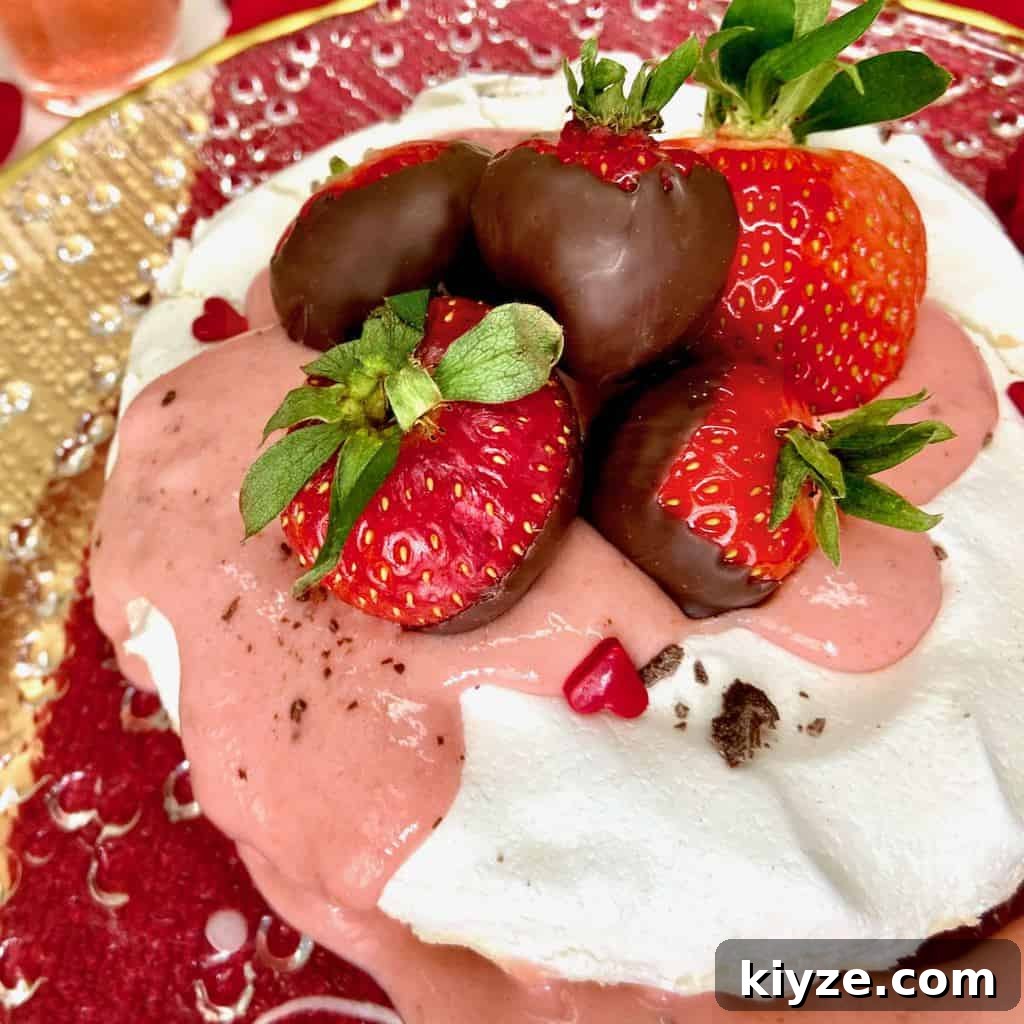
Mini Pavlova with Strawberry Curd is a light, airy meringue dessert topped with bright fresh strawberries. If you haven’t tried Pavlova before, now’s a great time — it’s elegant, impressive, and surprisingly simple to make.
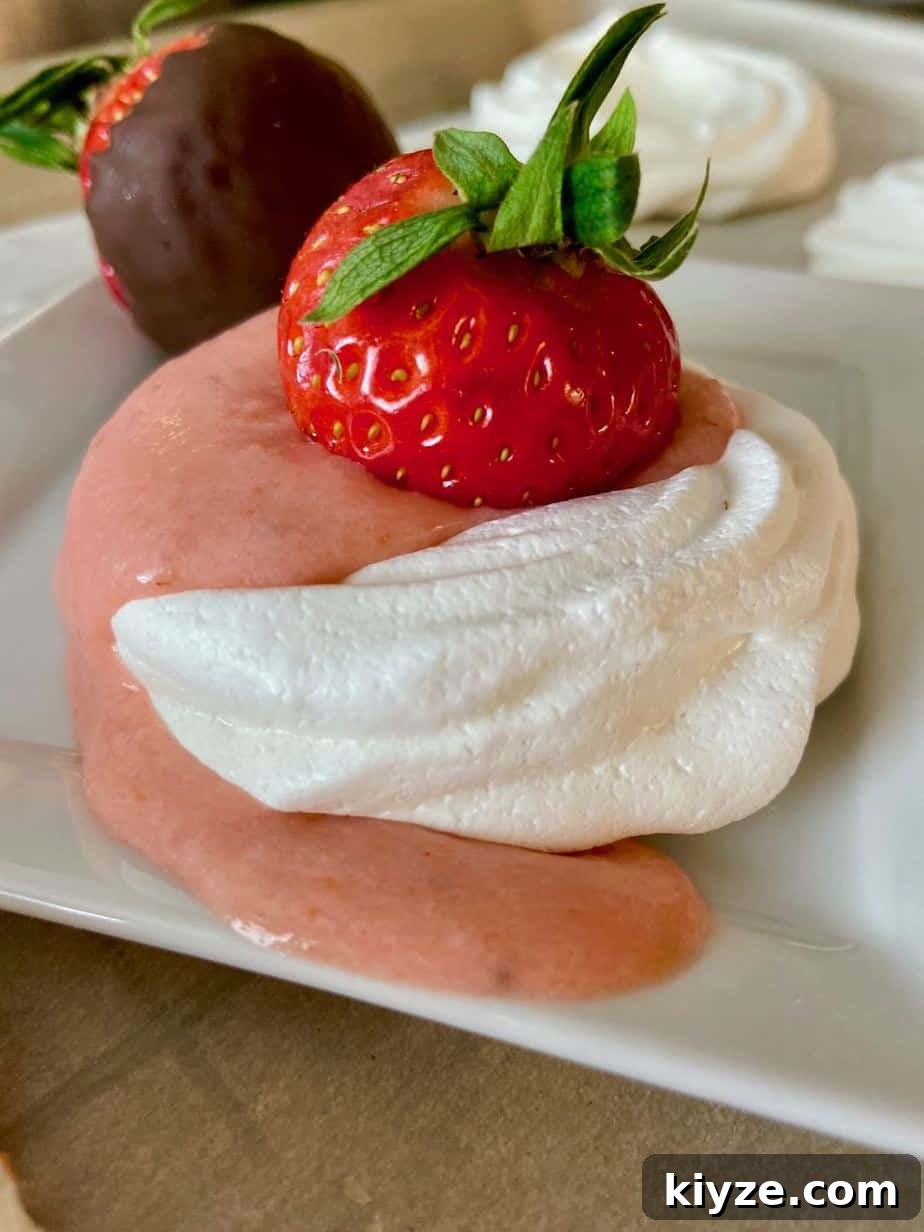
Don’t be intimidated by the delicate appearance — these meringue cups are easy to prepare and perfect for special occasions like Valentine’s Day, holiday gatherings, or any time you want a pretty, lightweight dessert.
What is Pavlova?
Pavlova is essentially baked French meringue shaped into a crisp exterior with a soft, marshmallow-like interior, usually formed as a nest or cups and topped with fruit and curd. The dessert is named for the Russian ballerina Anna Pavlova and became popular in Australia and New Zealand in the early 20th century — both countries claim its origin. Whatever its history, Pavlova is delicious and quite straightforward to make at home.
Some recipes call it a meringue cake or meringue dessert. One famous version is Mary Berry’s Christmas Pavlova Wreath, but you can also make individual mini pavlovas for easy serving and beautiful presentation.
Note: Do NOT attempt to make Pavlova on a humid or rainy day. Egg whites are sensitive to humidity and you may be disappointed. Choose a dry day for best results.
What you’ll need
- If you’re making the strawberry curd, make it first and reserve the egg whites for the Pavlova.
- Pavlova ingredients: egg whites, granulated sugar, white vinegar (or another acid), vanilla extract, cornstarch and a pinch of salt.
- Strawberry curd ingredients: fresh strawberries, unsalted butter, granulated sugar, egg yolks, lemon juice and optional pink food coloring.
- Equipment: stand or hand mixer for the meringue; fine-mesh strainer and a food processor or immersion blender for the curd; piping bag (optional); parchment paper and baking sheet.
How to make Pavlova
You can bake either one large Pavlova or several mini pavlovas. For a large Pavlova use a springform pan lined with parchment paper that’s buttered and lightly dusted with flour so it releases easily.
Overview:
- Beat egg whites on medium speed until foamy.
- Gradually add sugar and salt while continuing to beat.
- Beat in vinegar and vanilla until the mixture holds stiff peaks.
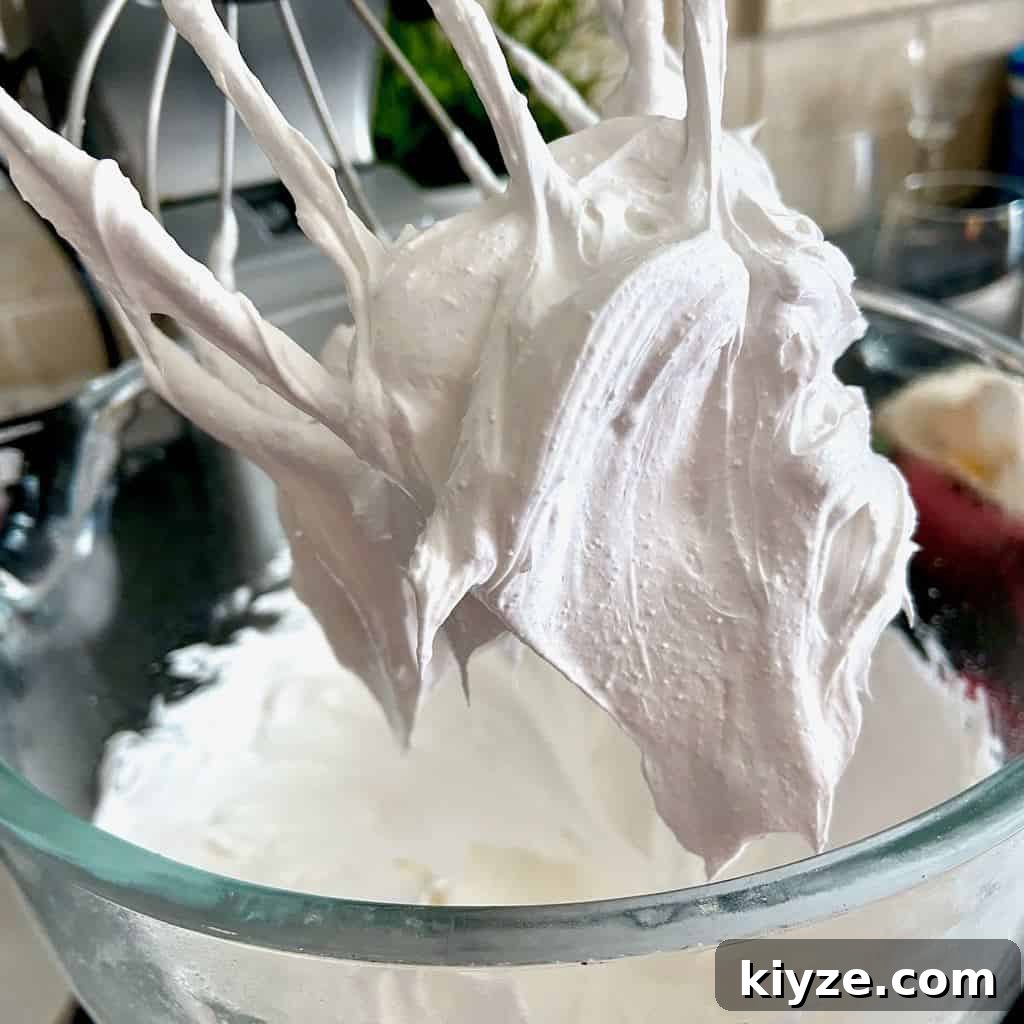
- Sift cornstarch over the meringue and gently fold it in with a spatula.
- Transfer the mixture into a piping bag or spoon onto the prepared baking sheet, piping or forming 3-inch circles. Use the back of a spoon to make a shallow indentation in the center of each cup for the filling.
- Bake at 250°F for 30 minutes on the middle rack. Do not open the oven door while baking.
- After 30 minutes, turn the oven off and leave the pavlovas inside to cool and rest for 1 hour without opening the door.
How to prevent Pavlova from cracking or collapsing
- Do not bake on humid or rainy days — humidity makes egg whites sticky and unstable.
- Some cracking is normal for baked meringue, but you can avoid major cracks by following these tips:
- Beat egg whites on medium (or medium-high) speed — never on high — to avoid over-aeration, which causes cracking.
- Keep oven temperature low (250°F). Higher heat risks cracking or collapse.
- Do not open the oven door during baking or while the pavlovas rest inside; sudden temperature changes will cause them to change shape.
- Store in a cool, dry place, not in the refrigerator. Refrigerators are often too cold and humid for finished pavlovas; cover lightly with plastic wrap and keep in a cool area instead.
How to tell when it’s done
Resist opening the oven to check. If you must verify doneness, gently lift a pavlova from the baking sheet — if it releases easily and feels set on the outside, it’s done. The interior should remain slightly marshmallow-like.
Why is there vinegar in a Pavlova?
Vinegar is added as a stabilizer. You won’t taste it in the finished dessert; its acidity helps strengthen and stabilize the egg whites so the meringue puffs up and maintains structure. Other acidic stabilizers include cream of tartar, lemon juice, or white wine vinegar.
Storage and make ahead
Make the strawberry curd up to 3–5 days in advance. Press plastic wrap directly onto the surface of the curd before covering the bowl to prevent a skin from forming. Chill until ready to use.
Make the meringue cups 1–2 days ahead and store them in a cool, dry place (not the refrigerator) lightly covered with plastic wrap. Allow the curd to come to room temperature for a few minutes before assembling and serving.
Variations
Pavlova is versatile. Top with any fresh fruit you like — raspberries, blueberries, sliced kiwi, or a mix of berries. You can also substitute lemon curd or passionfruit curd for a different flavor profile. Experiment with tastes and colors to suit the occasion.
Related recipes
- Cream Puffs
- Puff Pastry Hand Pies
- Gelatin-Free Fresh Strawberry Sheetcake
- Easy No-Bake Lemon Icebox Pie
- Orange Creamsicle Icebox Pie
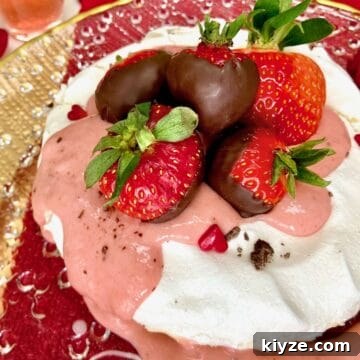
Pavlova with Strawberry Curd
Equipment
- Stand or hand mixer
- Food processor or immersion blender
- Fine mesh strainer
- Parchment paper and baking sheet
- Piping bag (optional)
Ingredients
Pavlova Ingredients
- 3 large egg whites
- 3/4 cup granulated sugar
- 1/4 teaspoon table salt
- 1 teaspoon white vinegar
- 1 teaspoon vanilla extract
- 1 teaspoon cornstarch
- butter for coating parchment paper
- flour for dusting parchment paper
Strawberry Curd Ingredients
- 12 large strawberries, finely chopped
- 7 tablespoons unsalted butter
- 1/2 cup granulated sugar
- pinch of salt
- 5 large egg yolks
- 1/2 teaspoon fresh lemon juice
- 2 drops light pink food coloring (optional)
Instructions
Make the Pavlova
- Prep: Chill a glass mixing bowl and whisk in the freezer for 15 minutes. Preheat oven to 250°F. Line a baking sheet with parchment, coat with butter and lightly dust with flour, then shake off excess.
- Add egg whites to the chilled bowl and beat on medium speed until frothy.
- Continue beating at medium speed and gradually add sugar and salt until combined.
- Add vinegar and vanilla, then beat until stiff peaks form.
- Sift the cornstarch over the meringue and fold it in gently.
- Place the meringue in a piping bag with a 1/4–1/2″ tip or spoon onto the prepared sheet in 3″ circles. Use the back of a spoon to create a shallow cup in each meringue.
- Bake at 250°F for 30 minutes on the middle rack. Do not open the oven door. After 30 minutes, turn the oven off and leave the meringue cups in the oven to rest for 1 hour without opening the door.
Make the Strawberry Curd
- Rinse, dry and chop strawberries into small pieces.
- In a medium saucepan over medium heat, melt butter. Add chopped strawberries, sugar, a pinch of salt, egg yolks and lemon juice. Stir continuously about 10 minutes until the curd thickens. Add food coloring if desired.
- Transfer the mixture to a food processor or use an immersion blender to puree the strawberries.
- Strain the curd through a fine-mesh strainer into a bowl, pressing to remove solids for a smooth texture.
- Place plastic wrap directly on the surface of the curd and chill until cooled. If you need to serve immediately, cool the bowl in an ice bath to speed up the process.
Assemble the Pavlova
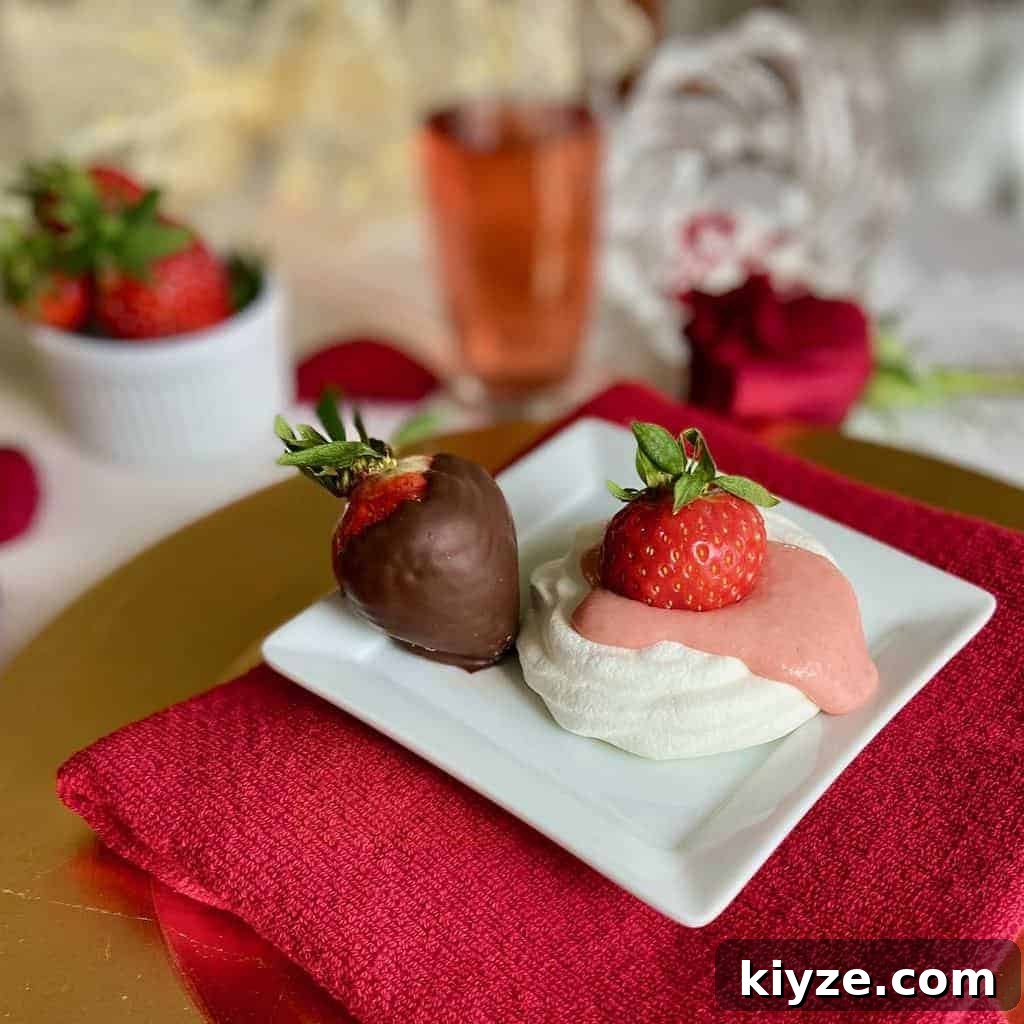
- Place a mini pavlova on a serving plate, spoon a little strawberry curd into the center, top with a fresh strawberry and serve immediately.
Notes
Humidity: Avoid making Pavlova on humid or rainy days — egg whites react poorly in damp conditions.
Egg whites: When separating eggs, save the yolks for the strawberry curd.
Avoid cracking: Common causes of cracking are mixing on high speed, too-high oven temperature, and storing in the refrigerator. Mix on medium (not high), bake at 250°F, and don’t open the oven while baking or resting. Store finished pavlovas in a cool, dry place, not the fridge.
Piping option: If you prefer not to pipe, spoon small rounds of meringue onto the sheet and use a spoon to make the indentation.
Make ahead: Meringue cups can be made 1–2 days ahead and stored in a cool area. Strawberry curd keeps 3–5 days refrigerated; press plastic directly on the surface to prevent a skin.
Strawberries: Purchase a few extra berries for snacking, garnish, or to replace any that are bruised.