Does any of this sound familiar?
- Your child refuses to eat at mealtime but asks for a snack immediately after.
- They ask for crackers, chips, cookies, or granola bars all day, every day.
- They clearly prefer snacks over the meals you prepare and aren’t shy about letting you know.
Because feeding them feels like one of your most important parenting tasks, you give in. You hand over the snacks because:
- You don’t want them to be upset.
- You worry they’ll go hungry.
- You need five minutes to get things done without whining.
- You’re concerned they aren’t eating enough.
This all-day snacking pattern is extremely common, and it’s not your fault. The good news is you don’t have to accept it as the status quo. Small changes to routines and expectations can make a big difference.
Below I explain why toddlers often prefer snacks, the downsides of constant grazing, and practical strategies to help your child sit down and eat during mealtimes.
It’s Normal and Okay That Your Toddler Loves Snacks
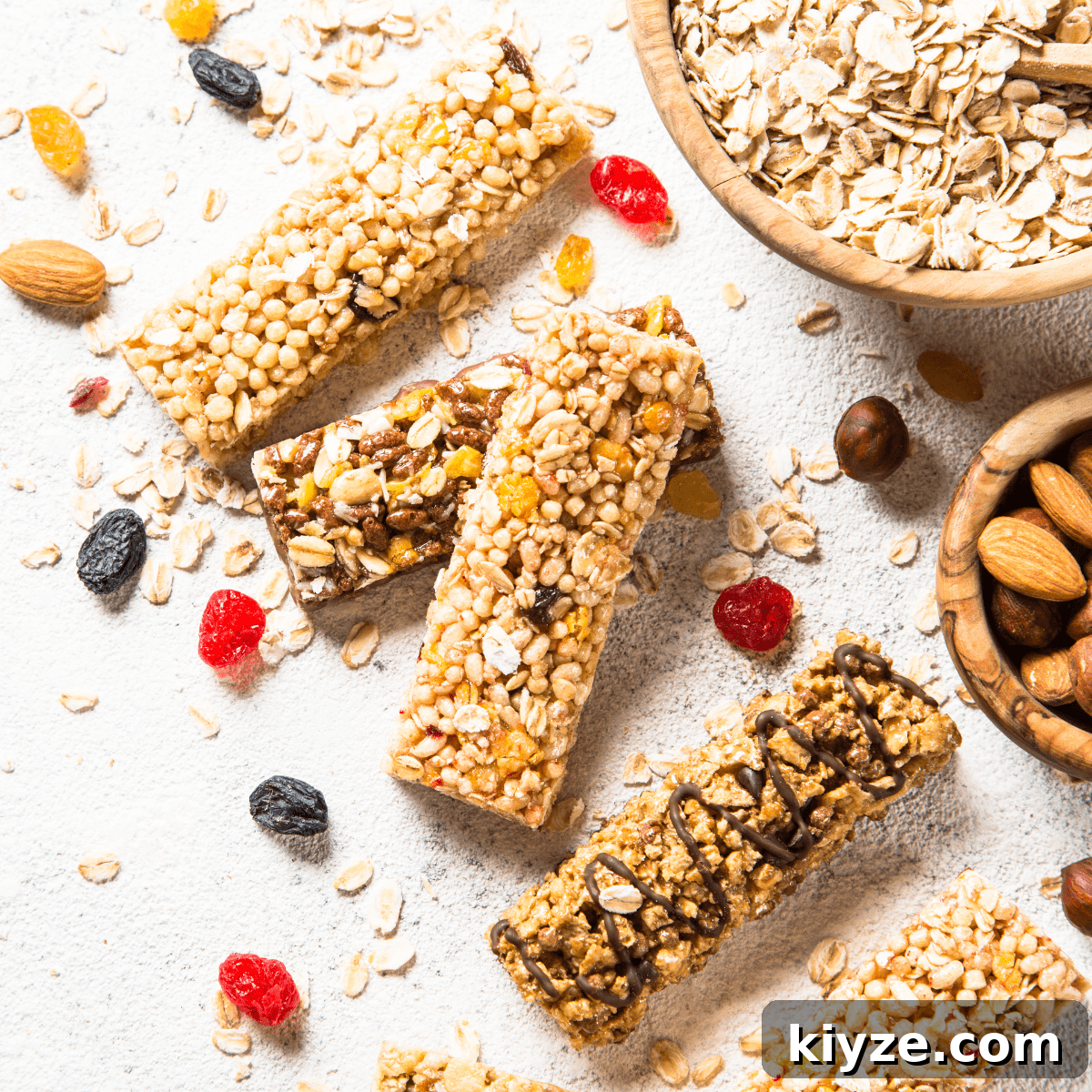
First, it makes sense that your toddler is drawn to snacks. It’s not the result of a parenting mistake, and it doesn’t mean something is wrong. Snack foods—Goldfish, cookies, crackers, chips—tend to be more appealing to little kids than full meals.
If your child is picky, snacks can feel safer because they’re predictable. One Goldfish tastes like the next, while fresh fruit or vegetables can vary in texture and flavor. For many toddlers, that unpredictability is off-putting.
Bottom line: Loving snacks is typical for toddlers.
Snacks Have Their Place in the Day
Snacks are part of a healthy toddler diet when they are balanced and used appropriately. Well-planned snacks between meals help children stay satisfied and provide steady energy, reducing frantic “I’m hungry!” demands.
That said, snacks don’t need to dominate your day. If prepping, buying, and cleaning up after snacks feels overwhelming, choosing simple, packaged options or using a short list of go-to foods can reduce stress while still offering nutritious choices.
The Problem With All-Day Snacking
Snacks are fine—but when they replace meals or happen so frequently that a child never feels hungry for mealtime, issues arise. Here are the main concerns:
Snacking Limits Mealtime Hunger
If a toddler grazes throughout the day, they may arrive at meals uninterested in the food you provide. Over time this can contribute to picky eating and mealtime frustration.
Filling Up on Snacks Can Limit Nutrient Intake
When snacks take up too much of a child’s daily intake, they can crowd out the nutrients that come from balanced family meals. Meals are an opportunity to offer a variety of foods and nutrients that occasional snacks may not provide.
Most Snacks Are Missing Macronutrients
Many popular snacks are mainly carbohydrates—crackers, chips, cookies—what I sometimes call “crunchy air.” Carbs give quick energy but burn off quickly unless paired with protein, fat, or fiber. Without that balance, toddlers often ask for more food shortly after snacking, perpetuating the grazing cycle.
How to Stop Your Toddler From Grazing: Simple Strategies
Snacks aren’t the enemy, but constant snacking is exhausting. These practical tips will help you reduce grazing and encourage more regular mealtime eating.
#1 Create a Loose Meal & Snack Schedule
Start with a predictable routine—three meals and two snacks is a reliable framework for many families. It doesn’t have to be inflexible; think of it as a pattern that signals to your child when to expect food. Toddlers thrive on predictability and will adapt to a routine over time.
Example that works in many homes:
- 7:30 am Breakfast
- 10:00 am Snack
- 12:00 pm Lunch
- 3:00 pm Snack
- 6:00 pm Dinner
#2 Prioritize Well-Rounded Snacks
Choose snacks that combine carbohydrates, protein, and fat to keep your toddler fuller longer. You don’t have to eliminate favorite treats, but pairing them with protein or fat helps prevent quick sugar crashes and repeat requests. Examples: pretzels plus whole milk, fruit plus cheese, or yogurt with a spoonful of nut butter.
#3 Sit Down for Meals and Snacks
Whenever possible, have your child eat sitting down at a table or designated spot. This reduces distracted grazing and encourages mindful eating so toddlers learn to notice hunger and fullness cues. On the go is sometimes necessary, but prioritize sit-down eating when you can.
#4 Serve Balanced Meals
Offering meals that include proteins, fats, and carbohydrates helps prevent the need for constant snacking. If your child avoids certain foods, choose alternatives that boost missing nutrients—like protein-rich pasta or a glass of milk with the meal—to support satiety and nutrition.
#5 Say No Sometimes
When you maintain a clear routine, you can confidently decline snack requests outside scheduled times. It’s okay for kids to feel a bit hungry between set eating times—hunger is not an emergency. Saying no sometimes helps children learn appropriate portions and when to expect food.
How to Say No
Offer a distraction, a simple activity, or a glass of water. For older toddlers, explain when the next snack or meal will be and invite them to help prepare it. Helpful phrases include:
- “It’s not snack time yet. Let’s pick a book to read.”
- “It’s not snack time right now. Would you like to play with your blocks instead?”
- “Are you feeling hungry? Dinner is coming soon, and we’ll have a chance to fill our tummies.”
Toddler Snacking FAQs

Should I Give My Toddler a Bedtime Snack?
A small bedtime snack can work well if dinner is early and bedtime is later. Choose something simple and filling—like full-fat cheese with fruit or yogurt mixed with a little nut butter—so the snack doesn’t replace dinner or create extra excitement before bed.
Should We Have a Snack Drawer?
A snack drawer can be convenient, but giving toddlers unlimited access often encourages grazing. If snacks are easy to grab anytime, they’re less likely to be hungry at mealtime. A better option is to keep snacks out of reach and offer them at scheduled times.
What If My Toddler Is Sad or Bored?
Avoid using snacks as a primary tool for emotional regulation or distraction. Instead, address the feeling directly with comfort, a cuddle, or an activity. This helps children develop a healthy relationship with food—eating when physically hungry, not as a default emotional fix.
Grab a Free Store-Bought Snack Guide
Snacks are a daily need. A simple packaged snack guide can make shopping easier by listing grab-and-go options that are more nutritious. Look for products low in added sugar, free of artificial colors and flavors, and made with real-food ingredients. Having a short trusted list can simplify decisions at the store and reduce mealtime stress.