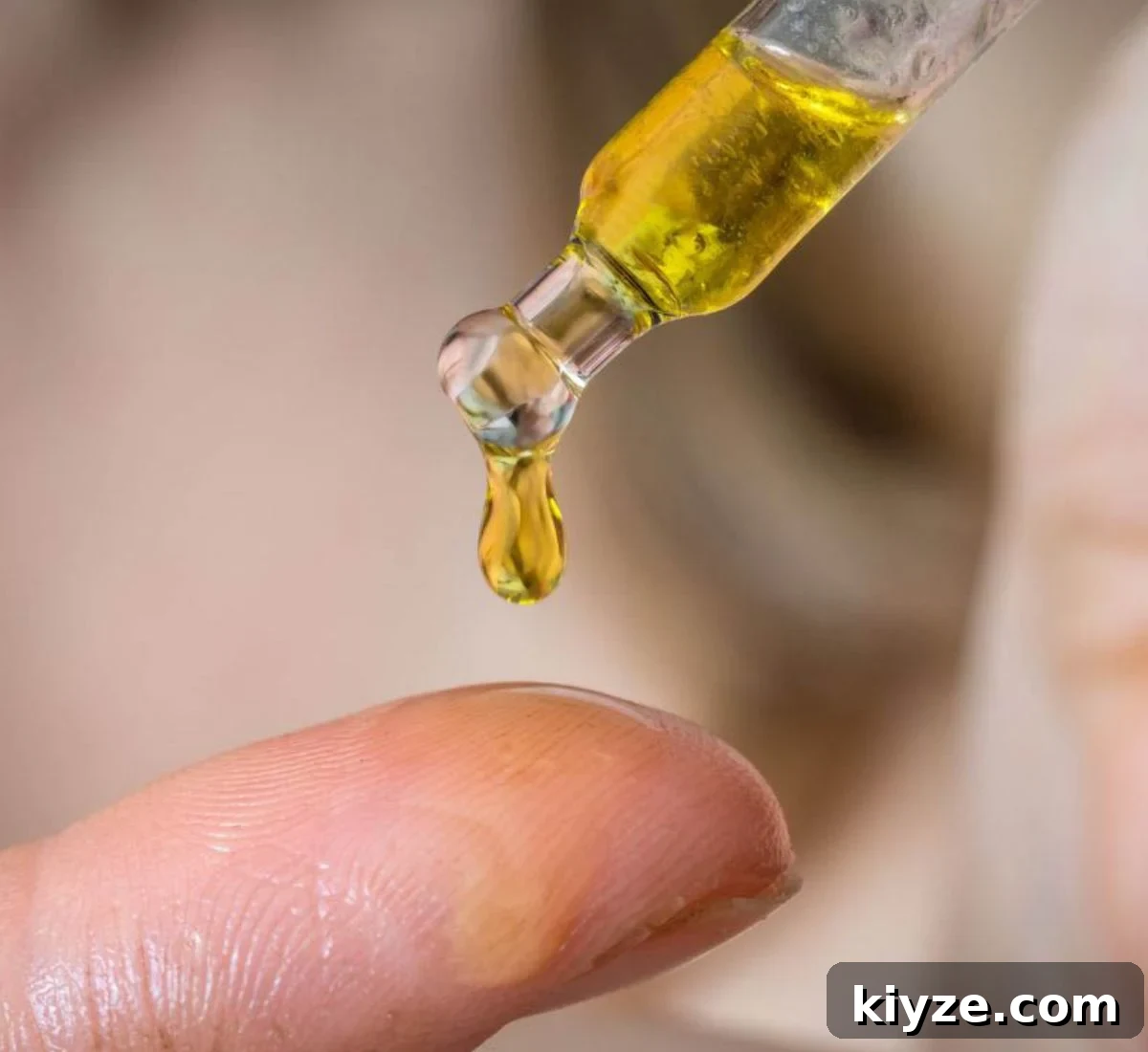
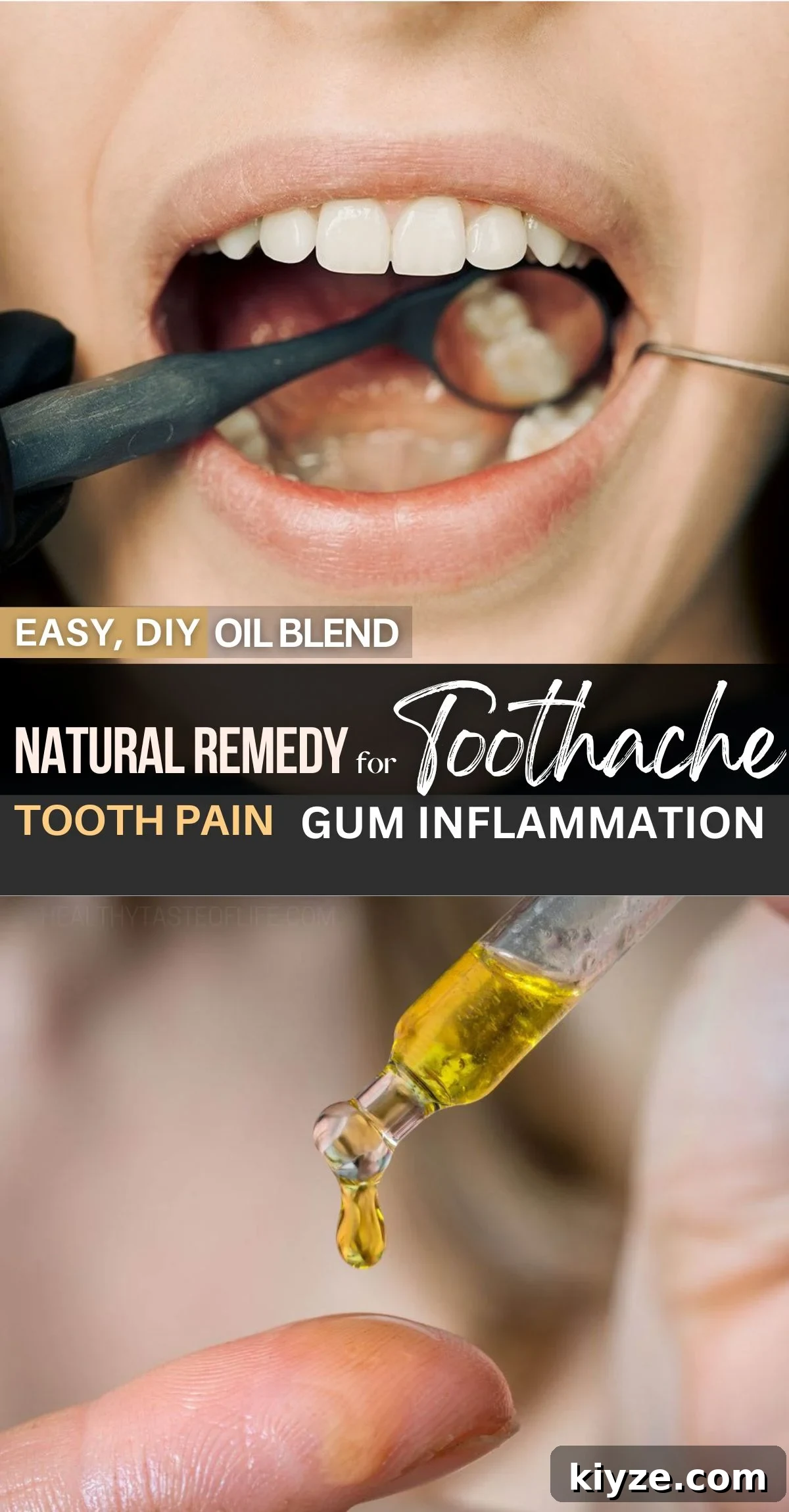
If you prefer a natural approach, this DIY oil for toothache may be the simple home remedy you need. It can relieve both dull and throbbing tooth pain within minutes. The formula is easy to prepare, customizable to your needs, and more affordable than many pre-made products.

Toothaches can be extremely disruptive, and when over-the-counter remedies aren’t enough, a topical option can offer targeted relief. After a recent extraction and implant, I wanted a natural, side-effect-free option to ease soreness once prescription painkillers began to wear off.
I already had several essential oils on hand, so I decided to make my own diluted oil blend. Making it yourself lets you adjust dilution for comfort and saves money compared with buying a ready-made product.

Benefits of These Essential Oils For Toothache
This oil blend uses hemp seed oil as the carrier and combines several essential oils known for analgesic and anti-inflammatory effects: clove, manuka, peppermint, cinnamon, myrrh, frankincense, and optional CBD oil.
This natural remedy may help with a range of dental and gum concerns, including:
- wisdom tooth pain or post-extraction soreness;
- mild tooth infections;
- gum inflammation and soreness;
- post-implant discomfort;
- tooth sensitivity;
- support for gum health;
- occasional use for general oral comfort.
The blend can act as a natural topical anesthetic and antiseptic because several of these oils have antibacterial and anti-inflammatory properties. Together they can reduce throbbing and dull aches, ease inflammation, and provide topical pain relief.
Hemp Oil (As Carrier Oil)
Hemp seed oil dilutes concentrated essential oils for safer dosing and contributes its own benefits, especially when paired with CBD oil. It’s a moisturizer with anti-inflammatory properties and is generally considered safe for topical and limited oral use.

The Best Essential Oils For A Toothache
Clove Oil
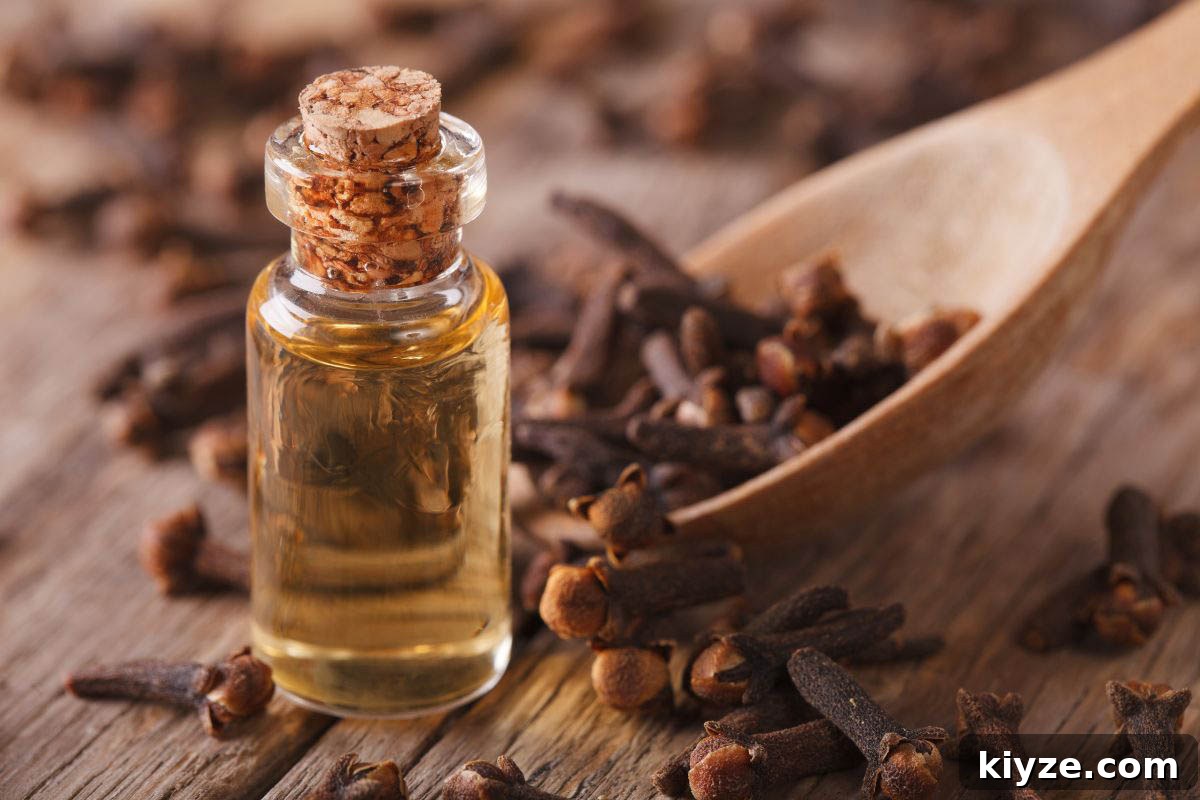
Clove essential oil contains compounds with analgesic, local anesthetic, anti-inflammatory, and antibacterial actions. It has a long history of use for dental discomfort and can also support tooth surface health.
Manuka Essential Oil
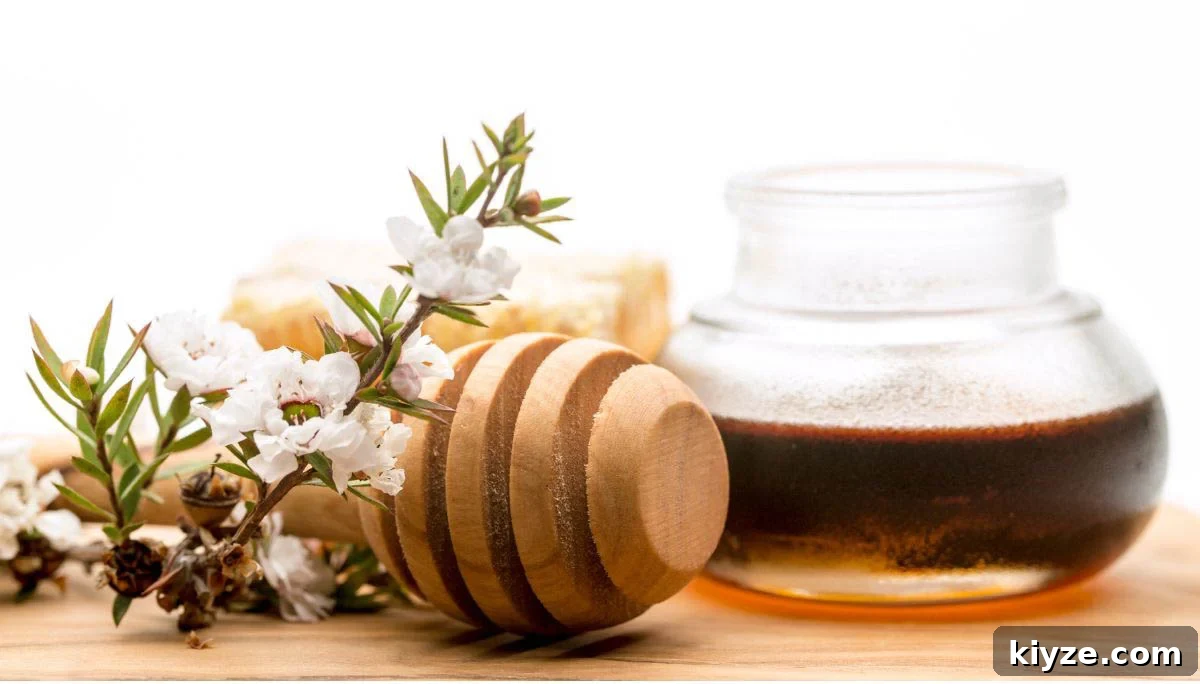
Manuka essential oil offers antiseptic, bactericidal, analgesic, and anti-inflammatory properties. It has demonstrated antibacterial activity against several strains of bacteria and can be useful for oral infections and inflammation.
Peppermint Essential Oil
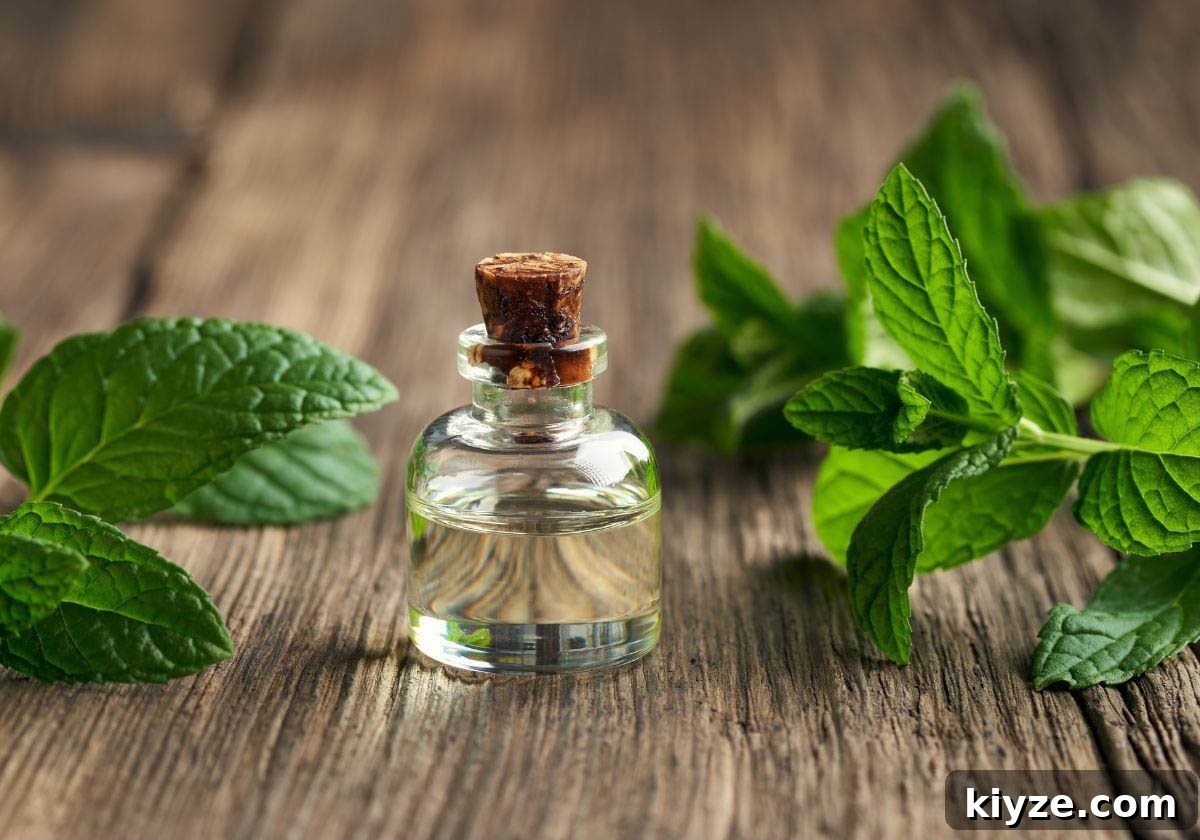
Peppermint oil is valued for its analgesic, anesthetic, antiseptic, and anti-inflammatory actions. Its cooling sensation can also provide immediate comforting relief when applied topically in low dilution.
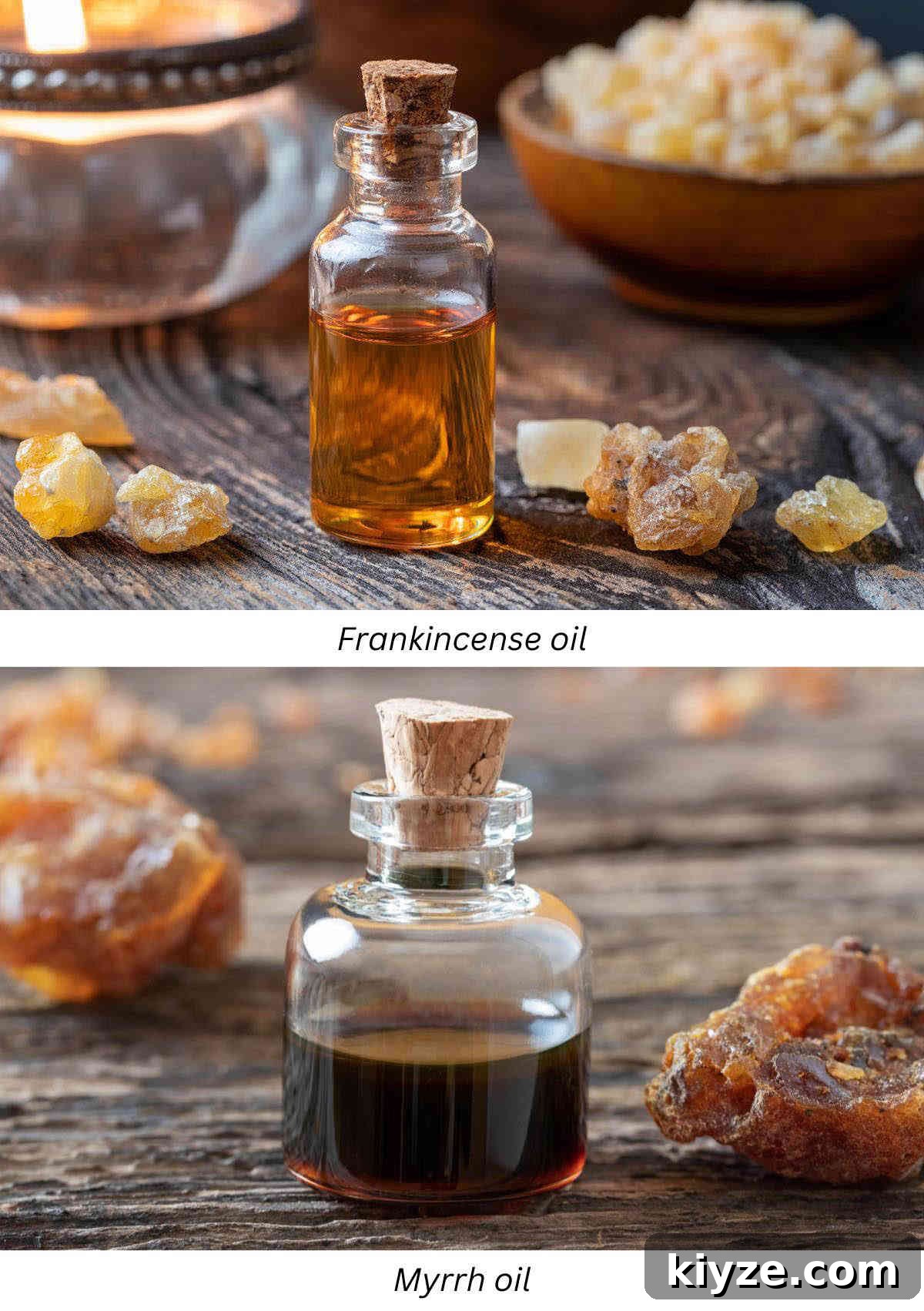
Myrrh And Frankincense Essential Oil
Used together, frankincense and myrrh form a complementary pair with anti-inflammatory, analgesic, and antibacterial effects. Their combined action can help reduce swelling and soothe painful, inflamed tissues.
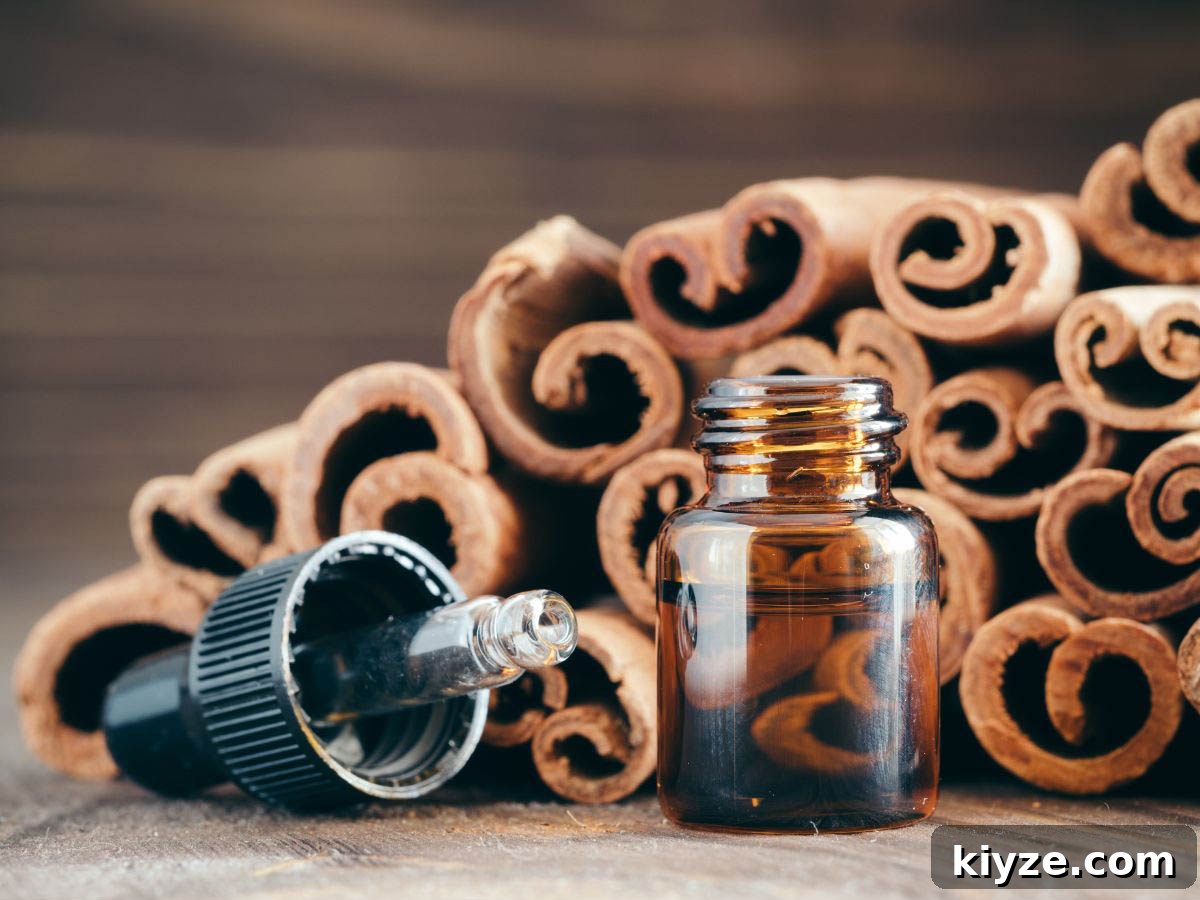
Cinnamon Essential Oil
Cinnamon oil has antifungal, antibacterial, antiviral, and antiseptic qualities. Its antioxidant compounds can help reduce inflammation and provide a mild numbing effect for pain relief.
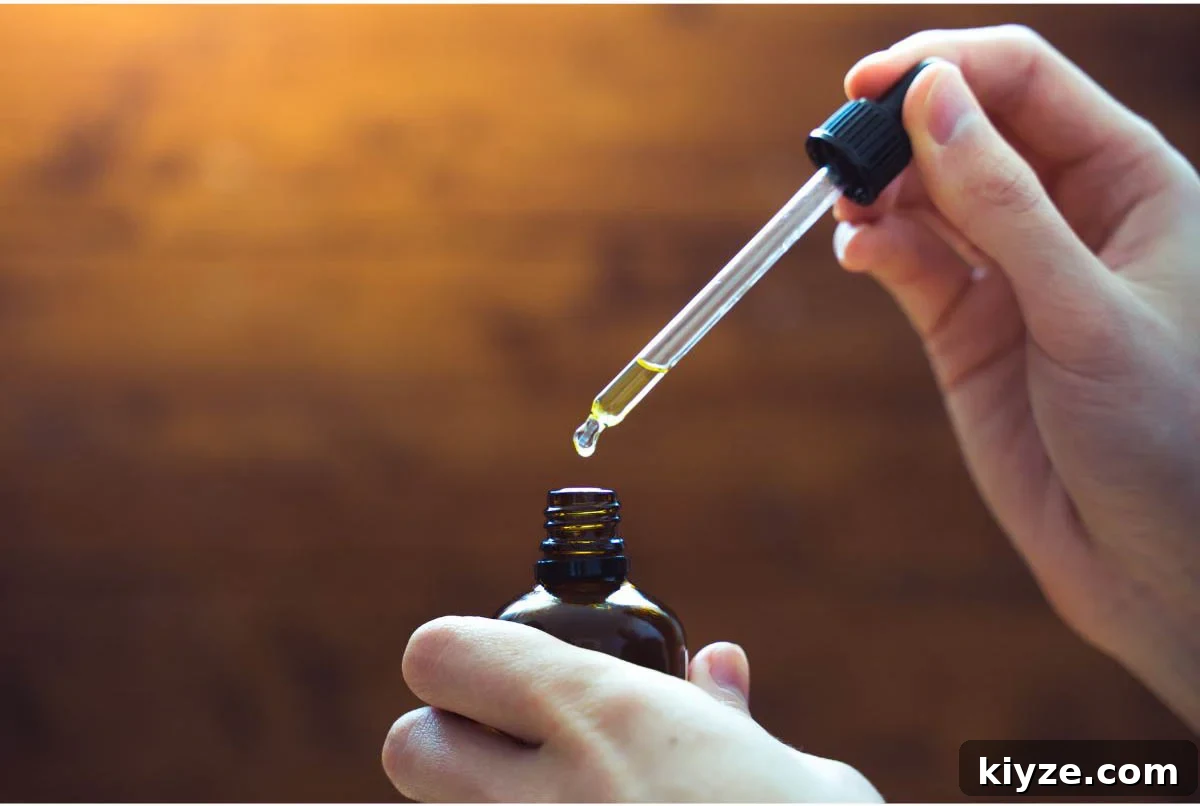
CBD Oil
CBD oil contains compounds that can reduce inflammation and pain and may act on the endocannabinoid system, which helps regulate pain. Some studies suggest cannabinoids can also reduce bacterial counts in dental plaque, making CBD a potentially helpful adjunct in oral care.

What You Need To Make This Toothache Oil
Creating your own blend is straightforward and rewarding. Using high-quality, pure ingredients will improve results and reduce the risk of irritation. The core ingredients are:
- hemp seed oil as the carrier;
- clove essential oil;
- manuka essential oil;
- myrrh essential oil;
- frankincense essential oil;
- cinnamon essential oil;
- peppermint essential oil;
- optional: a high-quality CBD oil for added anti-inflammatory effect.
Choose reputable sources and the proper concentrations for topical use. Keep all equipment clean and sterile when preparing the blend.
How to Make This Oil For Toothache
Sterilize and dry a small glass bottle with a dropper (amber glass is ideal). Add the carrier oil and essential oils, then shake vigorously to combine. Store the finished blend in a cool, dark place.
How to Use This Natural Oil for Tooth Pain
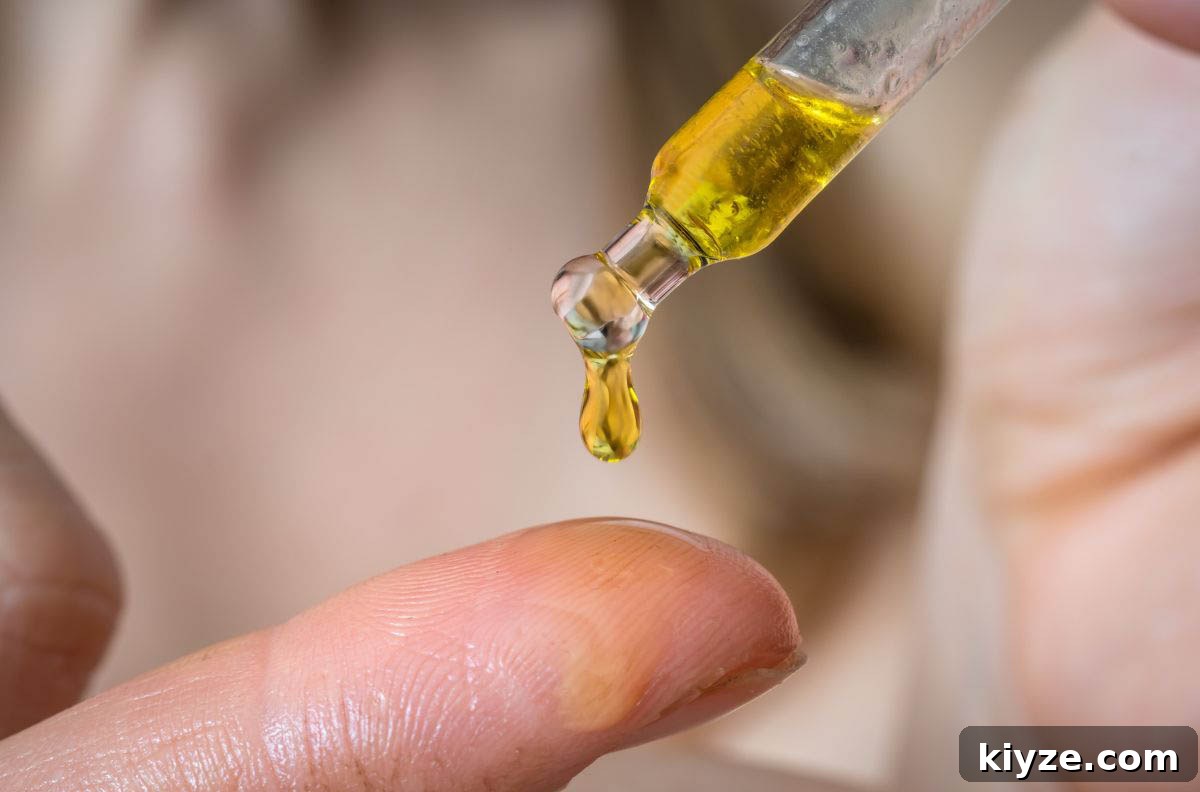
Apply 1–2 drops to the gum near the painful tooth and gently massage with a clean finger. For longer contact, soak a small piece of cotton or gauze in the oil and place it on the affected area. Reapply 2–3 times per day as needed.
If pain continues or worsens despite using this oil, seek professional dental care, as persistent pain can indicate a more serious condition.
Alternatives
If you don’t have the time or ingredients to make this blend, consider purchasing a pre-diluted oral oil blend or an undiluted essential oil mix you can dilute in your chosen carrier oil.
Other suitable carrier oils include:
- melted coconut oil;
- sweet almond oil;
- olive oil;
- calendula oil.
This DIY oil blend is a useful natural option for temporary relief from toothache and gum inflammation. It’s inexpensive, simple to make, and can be handy when you need targeted topical relief. If you recently had a sinus infection or other oral-related pain, this blend can also provide temporary comfort while you seek appropriate professional care.

Print Recipe
DIY Oil Blend For Toothache And Pain Relief
Ingredients
- 25 ml hemp seed oil – cold pressed unrefined
- 20 drops CBD oil (optional) – full spectrum
- 8 drops clove essential oil
- 4 drops cinnamon essential oil
- 4 drops manuka essential oil
- 3 drops frankincense essential oil
- 3 drops myrrh essential oil
- 2 drops peppermint essential oil
Instructions
-
Mix all oils in a clean, dry glass bottle with a dropper and shake vigorously.
Store in a cool place away from direct sunlight.
How To Use
-
Apply 1–2 drops to the gum around the painful tooth and massage gently.
-
For longer contact, soak a small piece of cotton or gauze in the oil and place it on the affected area.
-
Reapply 2–3 times a day as needed until pain subsides.
What You Need
Notes
Persistent tooth pain may indicate a more serious dental issue that requires professional evaluation.
The information provided is for general guidance and should not replace professional dental advice.
Remember this is a short-term, topical option for tooth pain. If pain continues or becomes severe, see a dentist for proper diagnosis and treatment.
Good luck!
©HealthyTasteOfLife. Content and photographs are copyright protected. Sharing the link to this recipe is encouraged; copying full recipes or images to other sites requires permission.