This post may contain affiliate links, please see our privacy policy for details
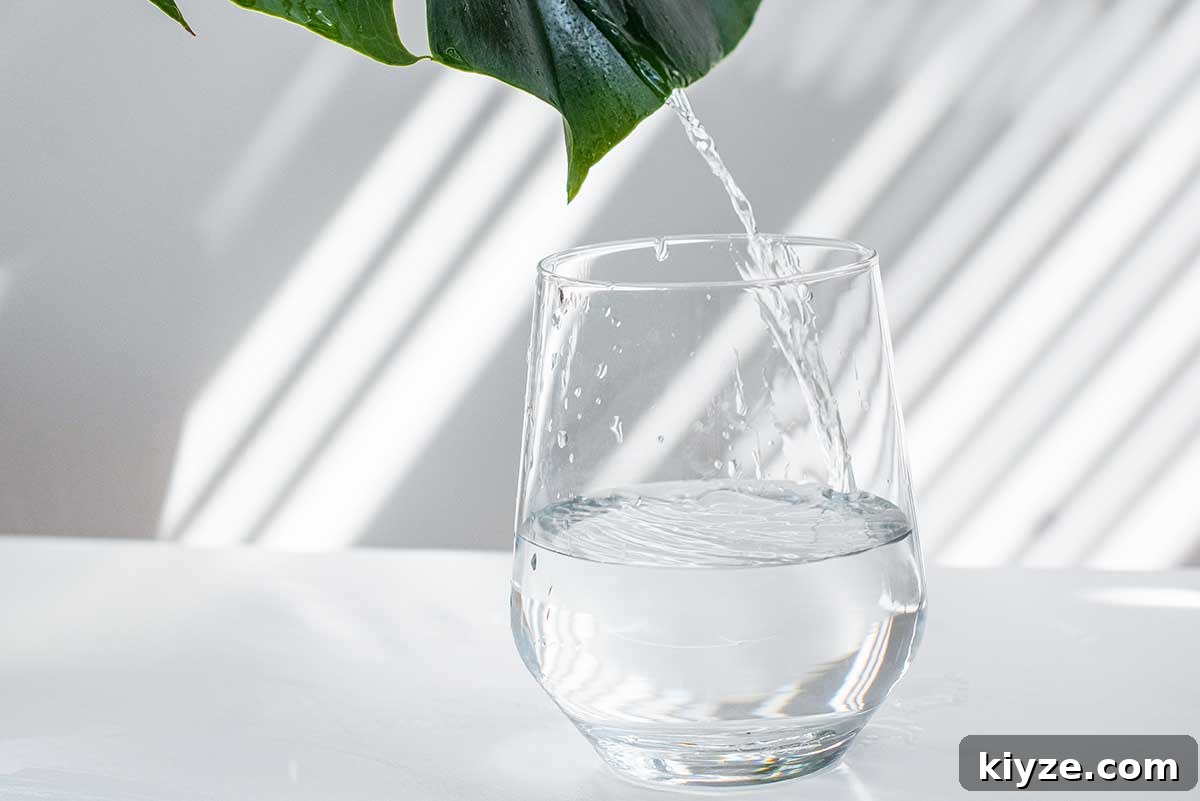
Staying properly hydrated supports energy, focus, mood, and overall well-being — but not all approaches to hydration are equally effective. Below are practical, science-aligned tips to get the most from your daily fluid habits. Whether you already drink plenty of water or are trying to improve your beverage choices, these strategies will help you hydrate smarter and feel better every day.
Choose a Quality Water Source
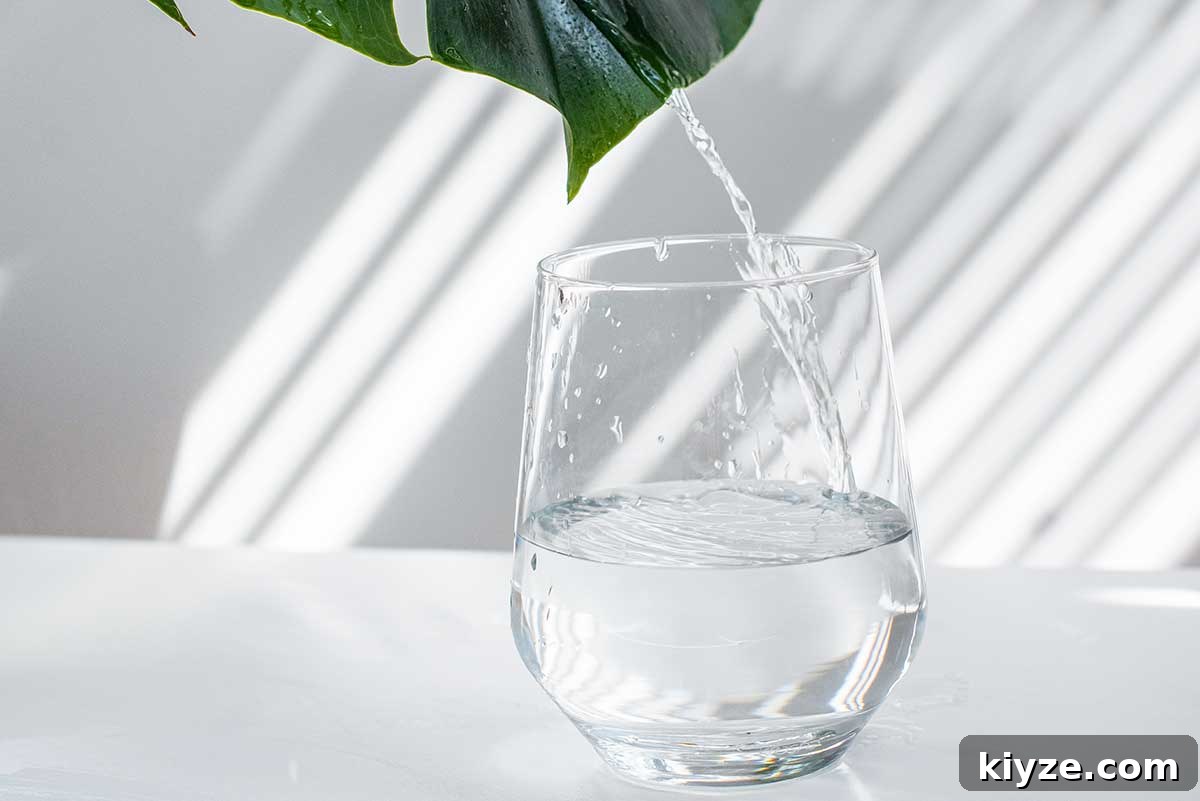
Water quality matters. Tap water can contain chlorine, minerals, or trace contaminants depending on local treatment and plumbing. If you’re concerned about taste or safety, filtered or bottled water are reasonable alternatives. High-quality home filters can reduce chlorine, sediment, and many common impurities, improving flavor and peace of mind.
Add Flavor to Your Water
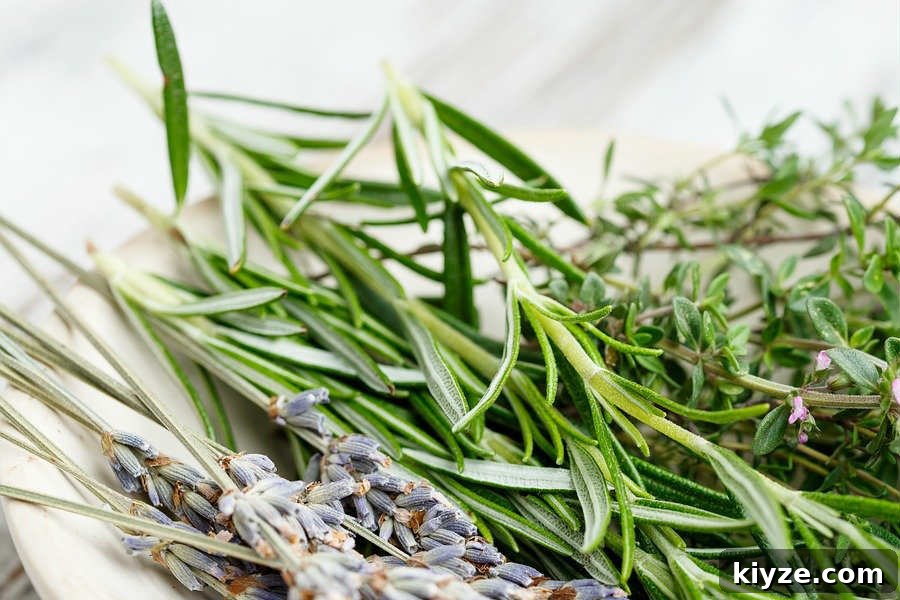
If plain water feels boring, naturally infusing it with slices of citrus, cucumber, berries, or fresh herbs like mint and basil makes drinking more enjoyable without added sugar. Small amounts of ginger or a splash of citrus also enhance flavor and can encourage you to sip more often.
Eat Hydrating Foods
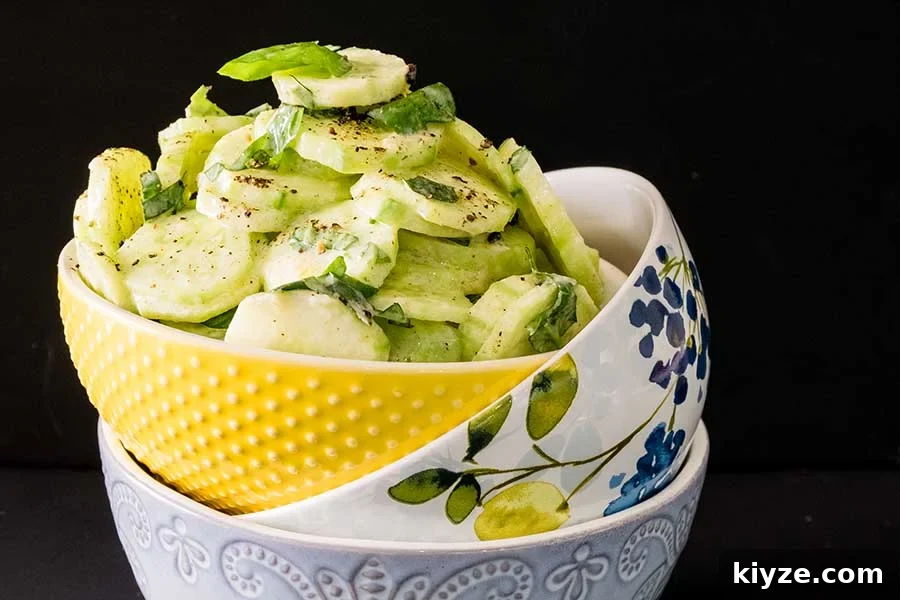
Many fruits and vegetables have high water content and contribute meaningfully to daily fluid intake. Cucumbers, lettuce, tomatoes, watermelon, strawberries, citrus, grapes, and watery salads deliver hydration plus vitamins, minerals, and fiber. Incorporating these foods into meals and snacks helps maintain steady fluid levels without relying solely on beverages.
Use an App to Track Hydration
Hydration apps and reminders can help you stay consistent. Simple tracking tools or phone alerts prompt regular sips and let you see progress over the day, which is especially useful when your schedule gets busy.
Drink Before You Feel Thirsty
Thirst is a late signal — by the time you feel it, mild dehydration has already begun. Make a habit of sipping water regularly throughout the day rather than waiting for thirst to tell you to drink.
Carry a Water Bottle
Keeping a reusable water bottle within reach makes sipping convenient. Choose a bottle you like — stainless steel, glass, or BPA-free plastic — and refill it often. A visible, refillable bottle is one of the simplest ways to boost intake.
Get Creative With Your Hydration Routine
Rotate beverages to keep things interesting: herbal teas, sparkling water, coconut water, smoothies, and fruit-infused water all count toward hydration and add variety without excessive sugar.
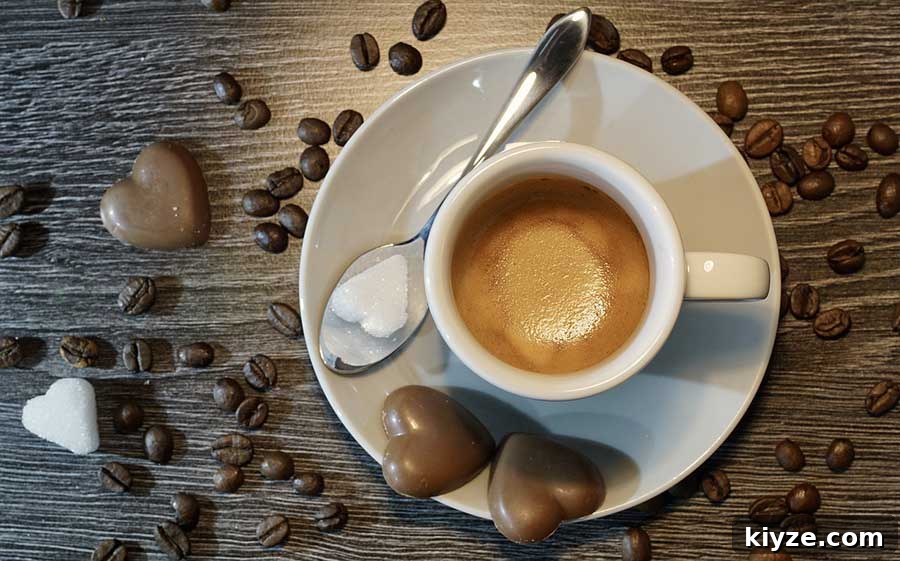
Avoid Drinks High in Sugar and Caffeine
Sugary drinks and high-caffeine beverages can worsen dehydration or provide energy spikes followed by crashes. Opt for water, unsweetened tea, or lower-caffeine options like green or oolong tea to stay hydrated without excess sugar.
Start Your Day with a Glass of Water
Drinking a glass of water first thing in the morning helps rehydrate after sleep and can support digestion and morning alertness. It’s an easy habit that sets a good tone for daily fluid goals.
Listen to Your Body
Pay attention to signs like persistent thirst, fatigue, dry mouth, or darker urine. These cues indicate you need more fluids. Individual needs vary with activity, climate, age, and health status, so adjust intake accordingly.

Consume Water Based on Activities
Increase fluid intake around exercise, outdoor work, or hot weather. Drink before, during, and after physical activity to replace fluids lost through sweat. For longer or intense sessions, consider electrolyte-containing beverages to help maintain balance.
Sip Water All Day Long
Frequent small sips are more effective than infrequent large amounts. Keep water nearby — at your desk, in the car, and in communal spaces — so hydration becomes effortless throughout the day.
Before Every Meal, Have a Glass of Water
Having water before meals supports hydration and can help control appetite. A simple pre-meal glass is an easy, repeatable habit that contributes to daily totals.
Establish a Daily Target for Drinking Water
Set a realistic daily goal and track progress. While “eight glasses” is a common starting point, individual needs depend on body size, activity, and climate. Use a target to stay motivated and adjust it as necessary.
Try Oral Hydration Formulas
For certain medical conditions or significant fluid loss, oral rehydration solutions can be beneficial. These formulas replace fluids and electrolytes efficiently; use them under medical guidance when appropriate.
Examine the Color of Your Urine
Urine color is a practical hydration check. Pale yellow to clear typically indicates adequate hydration; darker yellow suggests you should increase fluid intake. Note that some foods, vitamins, or medications can also affect color.
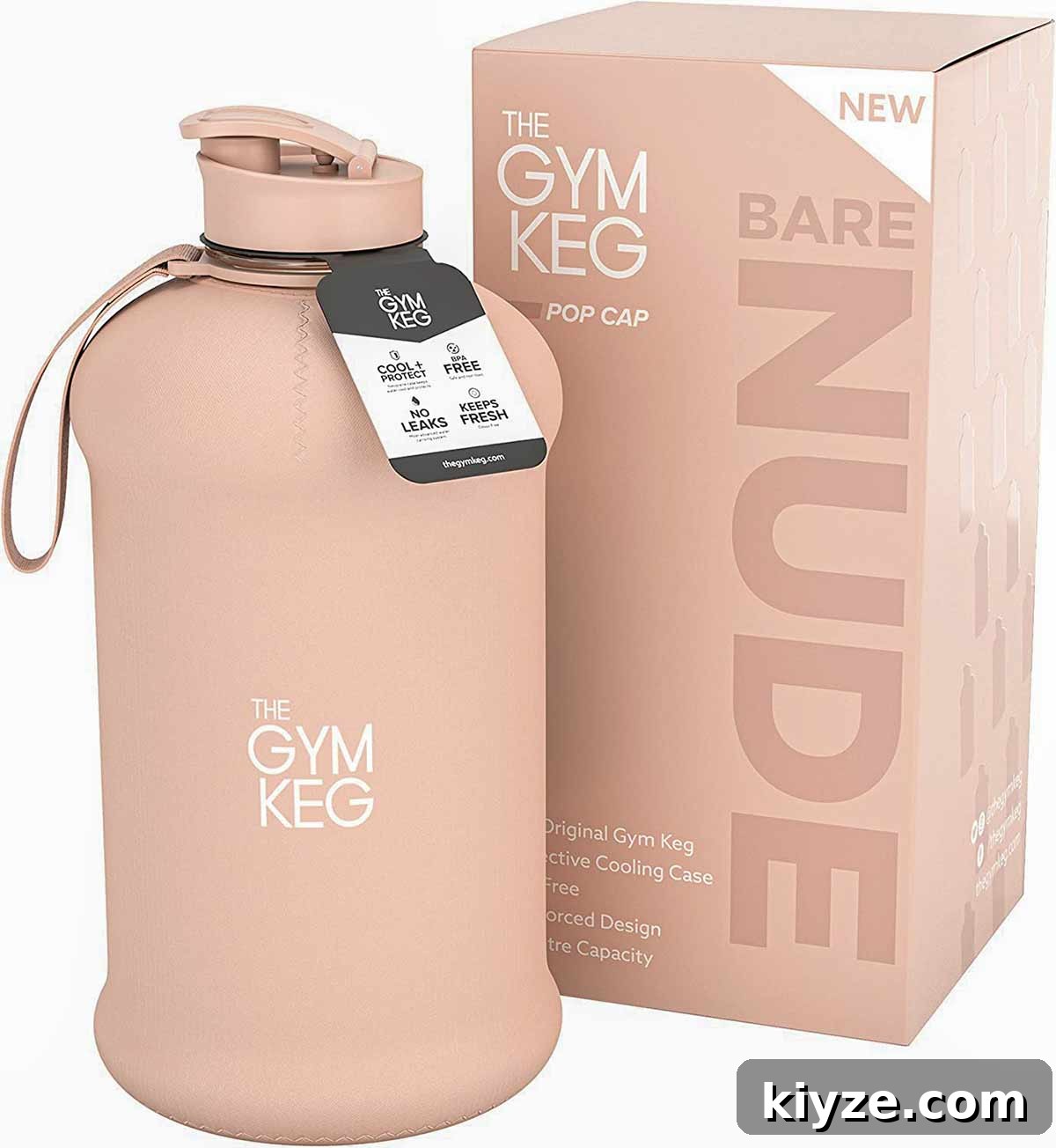
Get an Elegant Water Bottle
A water bottle you enjoy using can boost intake simply because you’ll carry and drink from it more. Consider bottles with measurement marks or time-based reminders to help you stay on track.
End Your Day with a Glass of Water
Having a small glass of water before bed can prevent overnight dehydration for many people. If you’re sensitive to nighttime bathroom trips, adjust timing and amount to suit your needs.
Be Accountable to Someone Else
Partnering with a friend or family member to share goals and reminders can make it easier to build consistent drinking habits. Accountability encourages persistence and healthy routines.
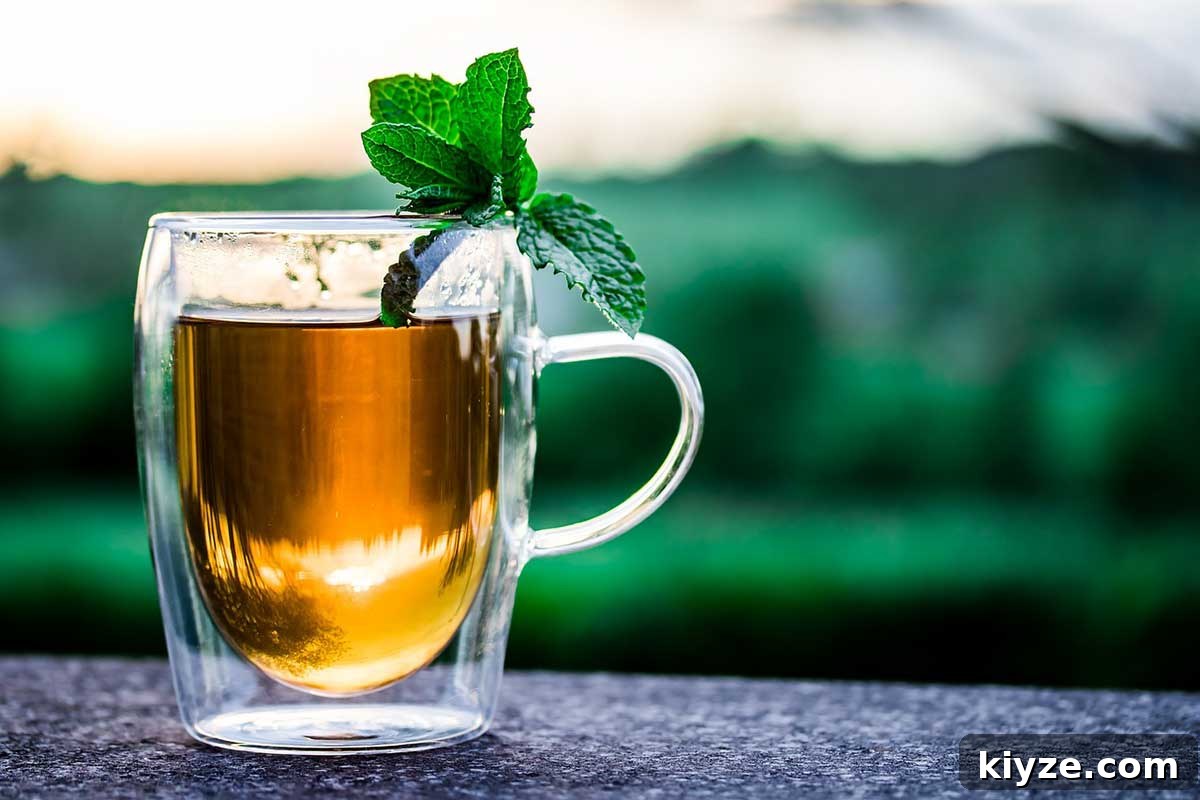
Switch It Up With Herbal Teas
Herbal teas are a flavorful, hydrating option that add variety without caffeine or sugar. Many herbal blends also offer calming or digestive benefits, making them a pleasant alternative when hot or soothing drinks are desired.
Place Water for Ease of Accessibility
Make water visible and convenient: a pitcher in the kitchen, a bottle at your desk, and a spare in the car or fridge. Visibility and access remove barriers and prompt more frequent drinking.
Drink a Glass of Water After Each Restroom Visit
Using restroom visits as a cue to drink is an easy habit-building trick. Replenishing fluids regularly helps prevent slow, cumulative dehydration over the day.
Track Your Weight
Weighing before and after extended or intense exercise gives a practical estimate of fluid losses from sweat (roughly one pound lost equals about 16 ounces of fluid). Replacing that fluid helps recovery and performance; aim to limit body-weight loss to small percentages during activity.

Limit or Avoid Drinking Alcohol
Alcohol is a diuretic and can contribute to dehydration. If you choose to drink alcohol, balance it with water and be mindful of its effect on your hydration status.
Maintain a Cool Environment in Your Bedroom
A cooler sleeping environment reduces overnight sweating and fluid loss. Lightweight bedding and breathable sleepwear also help maintain comfort and hydration through the night.
Include Hydration in Your Regular Regimen
Make hydration a daily habit by setting reminders, pairing drinking with routine activities, and keeping water accessible. Consistent small changes add up and support long-term health.
Conclusion
Hydration is a simple but powerful tool for supporting physical and mental health. Adopting a few practical strategies — quality water, hydrating foods, reusable bottles, gentle tracking, and consistent sipping — will help you stay reliably hydrated. If you have ongoing concerns or a medical condition affecting hydration, consult a healthcare professional for personalized guidance.
Disclaimer: This article is not intended to provide medical advice, diagnosis or treatment. Views expressed here do not necessarily reflect those of only gluten-free recipes or its staff.
Let’s Connect!
Be sure to FOLLOW US on FACEBOOK and PINTEREST.
Many thanks!
Kristina xx