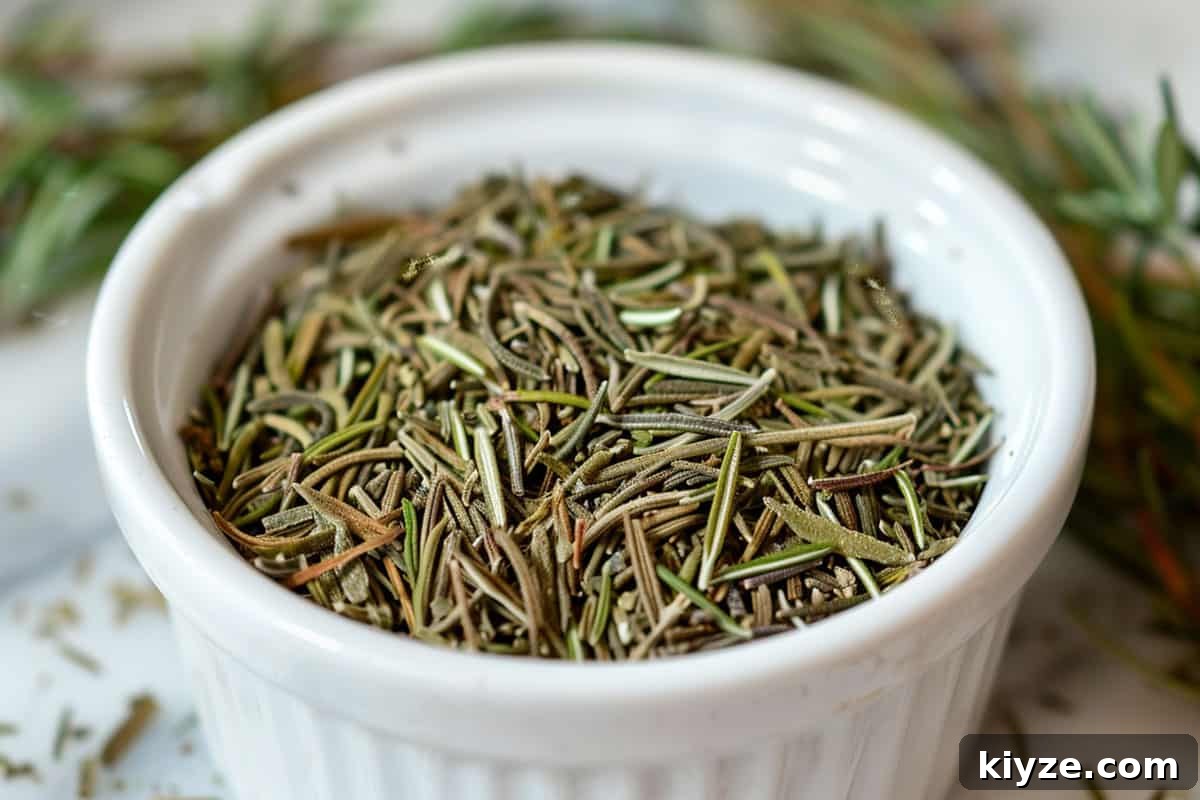
With its piney scent and savory floral notes, rosemary is a versatile herb prized in the kitchen. From roasted meats and fish to soups, stews, sauces and breads, rosemary adds bold, memorable flavor. This guide explains how to choose, clean, store, and cook with rosemary so you can preserve its aroma and texture.
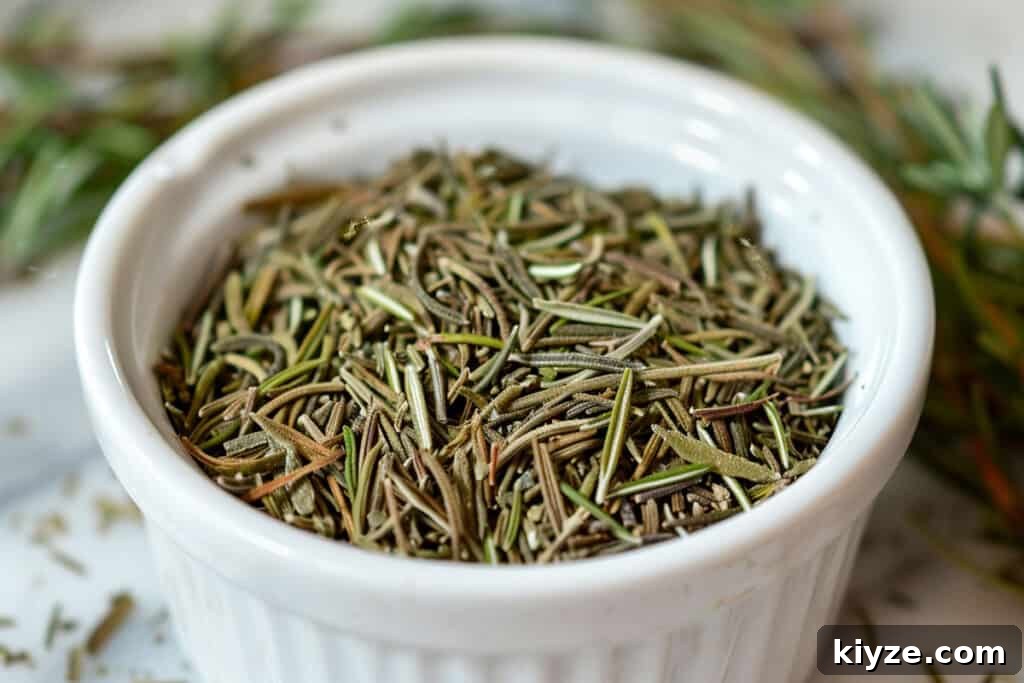
Selecting Fresh Rosemary
Rosemary is an evergreen herb available year-round, though it grows and blooms in warm weather, making summer the peak season for the most aromatic, flavorful sprigs. You can find it at grocery stores throughout the year.
Look for sturdy stems with woody branches and closely spaced, needle-like green leaves. Only the green leaves are used in cooking; avoid bunches with brown or black spots or dried-out foliage.

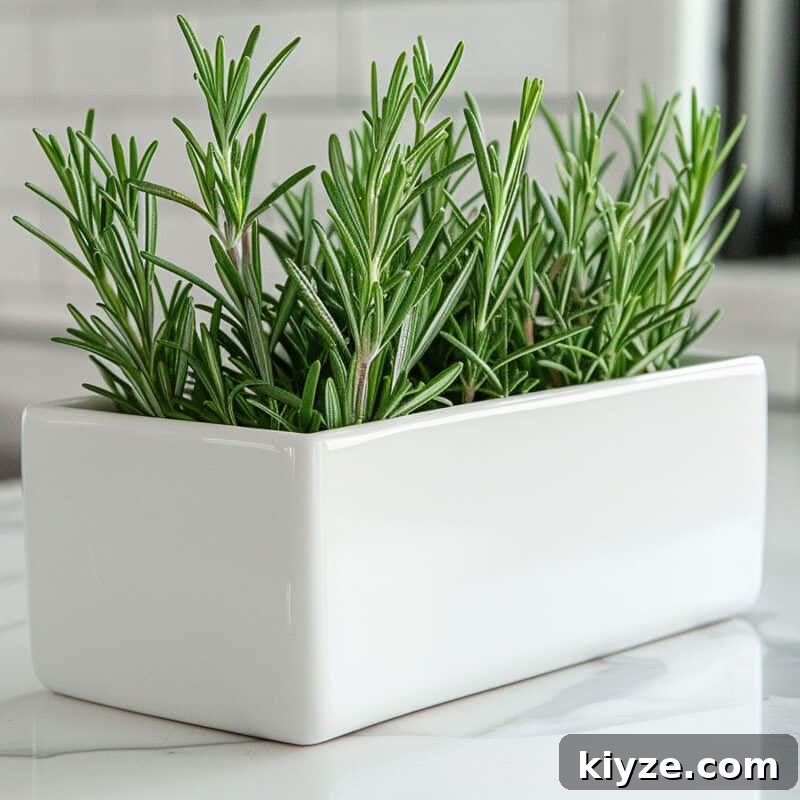
Whether grown in a sunny windowsill planter or outdoors, rosemary grows vigorously and benefits from regular pruning to maintain shape. If space allows, let it grow into a larger ornamental shrub for year-round harvests.
“The first time I fell in love with rosemary trees was in Croatia, where they grow into beautiful bushes. Since then I let my rosemary in the garden grow much bigger than I would have and use it throughout the year for everything that needs flavor and aroma. I even add it on top of my candles.”
— Zuzana Paar, Best Clean Eating
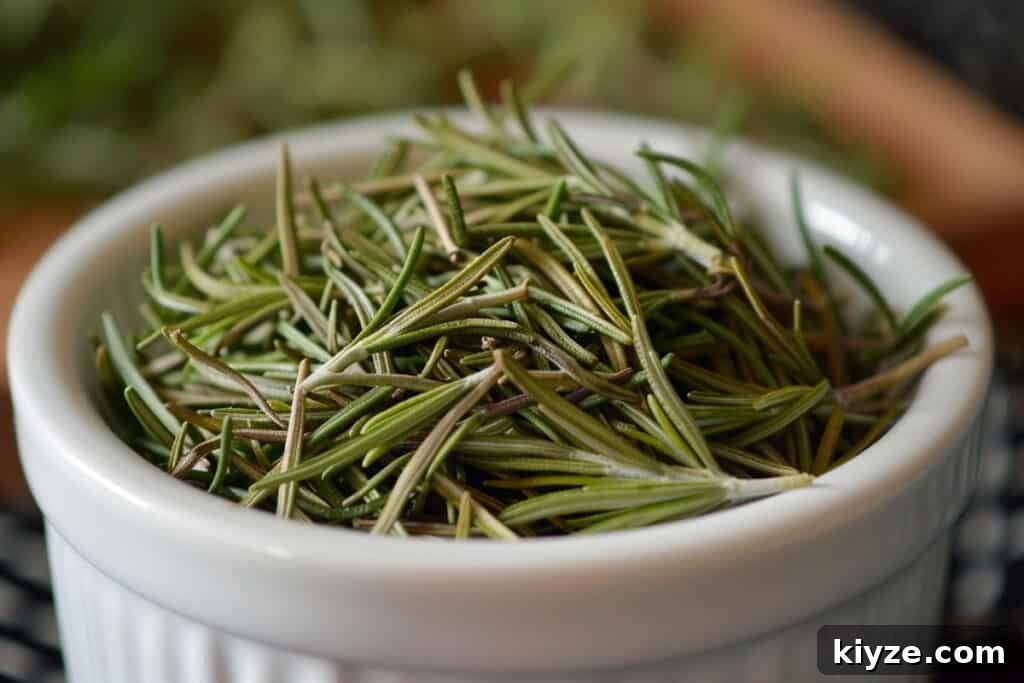
If you’re buying rosemary rather than growing it, select fragrant bunches that are bright green and free of spots. Avoid containers with excess moisture, which can encourage mold.
The Taste of Rosemary
Rosemary offers a savory, earthy, floral and piney flavor. It’s highly aromatic and can show subtle variations—sometimes citrusy or peppery notes appear depending on the variety and growing conditions.

“I fell in love with rosemary when I was in college and I would get these really great rosemary chicken salad sandwiches at a local deli. Since then I’ve learned to make my own version of the sandwiches, and there’s just something about the woody aroma and the flavor of fresh rosemary that I adore. I try to keep a pot growing on my kitchen windowsill year-round.”
— Jennifer Osborn, Kitchen Serf
Cleaning Rosemary
To clean fresh rosemary, remove packaging such as twist ties or rubber bands and discard any leaves with discoloration or dryness. Rinse the sprigs under cool running water to remove dirt and debris, then dry by patting with paper towels or using a salad spinner.

Storage Suggestions
Rosemary is a hardy herb like oregano and thyme and is less prone to wilting than soft herbs such as cilantro, dill, basil or parsley. Proper storage preserves its texture and flavor.

One simple method is to wrap rosemary loosely in a damp paper towel and place it in a resealable bag or airtight container in the refrigerator. Do not wash before storing; wash only when you’re ready to use it.
“I love rosemary, its earthy and invigorating aroma elevate many meat, poultry and seafood dishes. I always keep some fresh in my fridge. In order to make it last longer, I do not wash it until ready to use it. Instead, I wrap it loosely in a damp paper towel and place it in a storage bag or an airtight container in the refrigerator.”
— Sonia Skounaki-Garbidakis, Eat Mediterranean Food
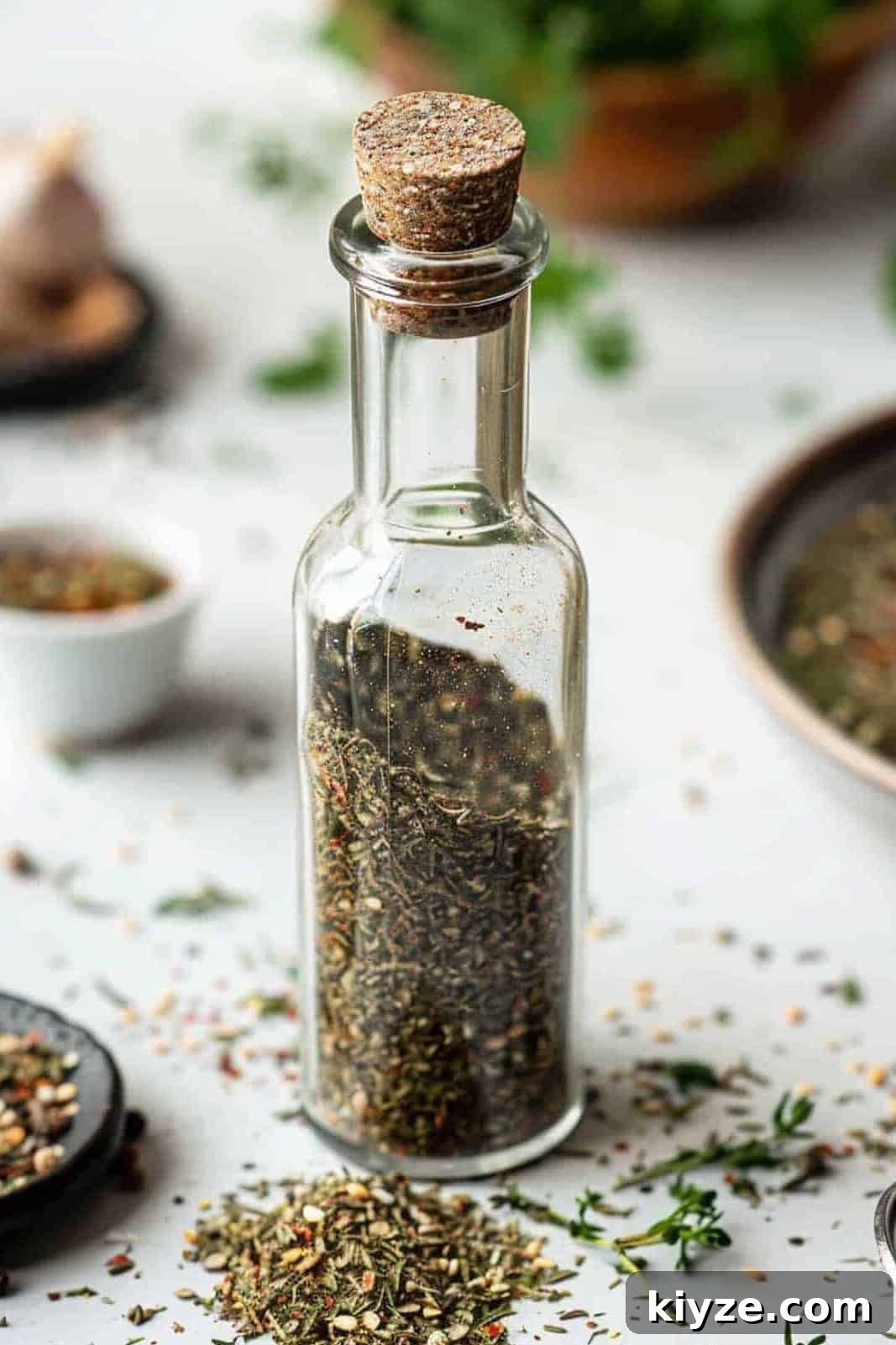
Another option is to trim the stems and stand them upright in a glass with a small amount of water, changing the water when it becomes cloudy and removing any submerged leaves. Dried rosemary can be made with a dehydrator or by hanging sprigs upside down in a cool, dry place; once dry, store in an airtight jar. Freezing rosemary in ice cube trays—placing whole or chopped leaves in compartments and covering with water or oil—creates handy portions for soups, stews and sauces.
Culinary Uses for Fresh Rosemary
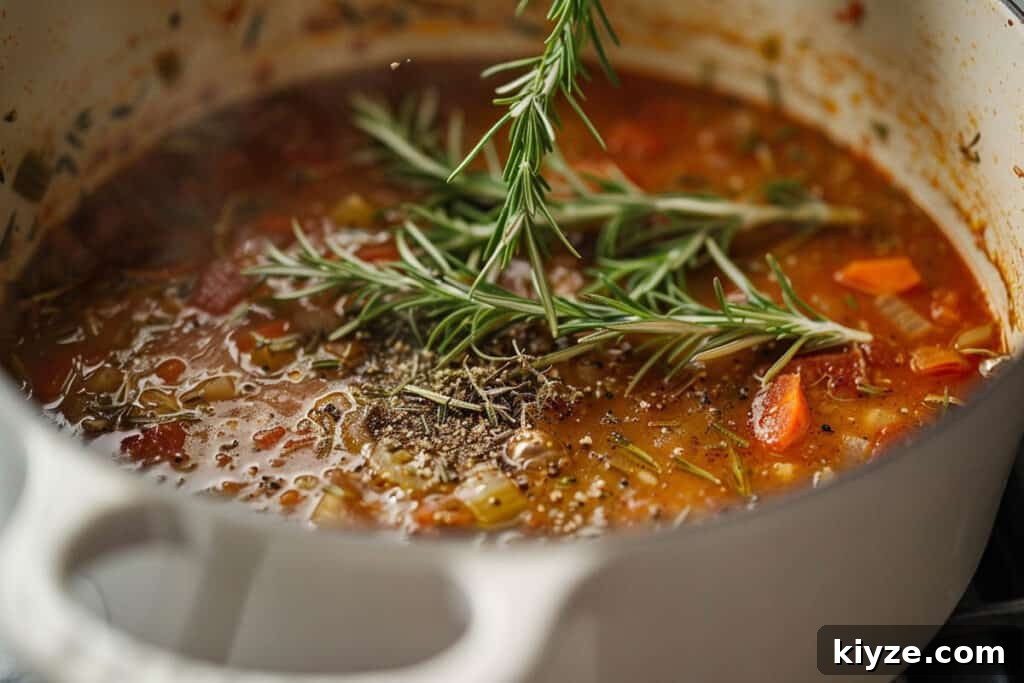
Because rosemary is robust, add it early in the cooking process to infuse dishes. A little goes a long way—fresh rosemary can quickly dominate a recipe if used excessively.

“I am lucky to be able to grow rosemary and I use it all year round. I cut stems off and put it in homemade broths and also pull the leaves off and chop them to add to bread, stews, and salad dressings. There are so many uses and the woodsy flavor adds depth to so many dishes and doesn’t seem to diminish during cooking, so use it sparingly to not overpower your dish.”
— Jere’ Cassidy, One Hot Oven
Fresh rosemary pairs beautifully with roast pork, chicken, lamb, hearty soups, stews, breads and savory baked goods. It’s commonly used in marinades, dressings and to flavor vegetables, cheeses and olives.


Rosemary is a staple in Mediterranean cooking—particularly Italian and French cuisines—and features in classic herb blends and bouquet garni used to season poultry, lamb, fish and stews. It also appears in various Spanish and Mexican dishes.
Final Thoughts
Rosemary is a hardy, aromatic herb prized for its bold, piney, earthy flavor. While it’s at its most vibrant in warm months, rosemary grows perennially and is available year-round in stores.

When selecting rosemary, choose fragrant, bright green bunches without spots or excess moisture. Store it wrapped in a damp paper towel in the refrigerator, upright in a glass of water with fresh water changes, or preserve it by drying or freezing. Because it’s robust, add rosemary early in cooking or use it in marinades to impart lasting flavor.
From soups and stews to roasted meats and breads, fresh rosemary opens many culinary possibilities. Consider planting a small rosemary plant this season to enjoy its fragrance and flavor all year.
This article originally appeared on Food Drink Life.