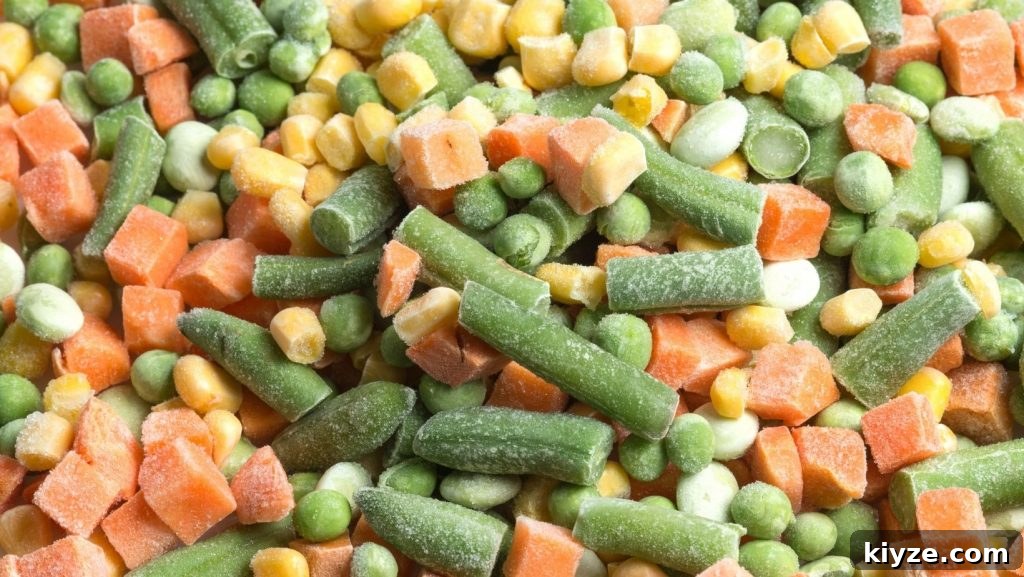
Using frozen vegetables across a menu is an efficient way to provide students with a variety of nutritious choices while reducing labor for chopping and prep. The key to excellent results is choosing the right cooking method—steaming, roasting, or pureeing—and applying a few basic principles so the final dish is flavorful, well-textured, and appealing.
Steaming:
When steaming frozen vegetables, always thaw them first. Thawing allows even heat penetration and prevents the exterior from overcooking before the interior reaches a safe temperature. Because most frozen vegetables have been blanched before freezing, they will cook faster than raw produce; thawing helps you avoid a mushy or discolored result.
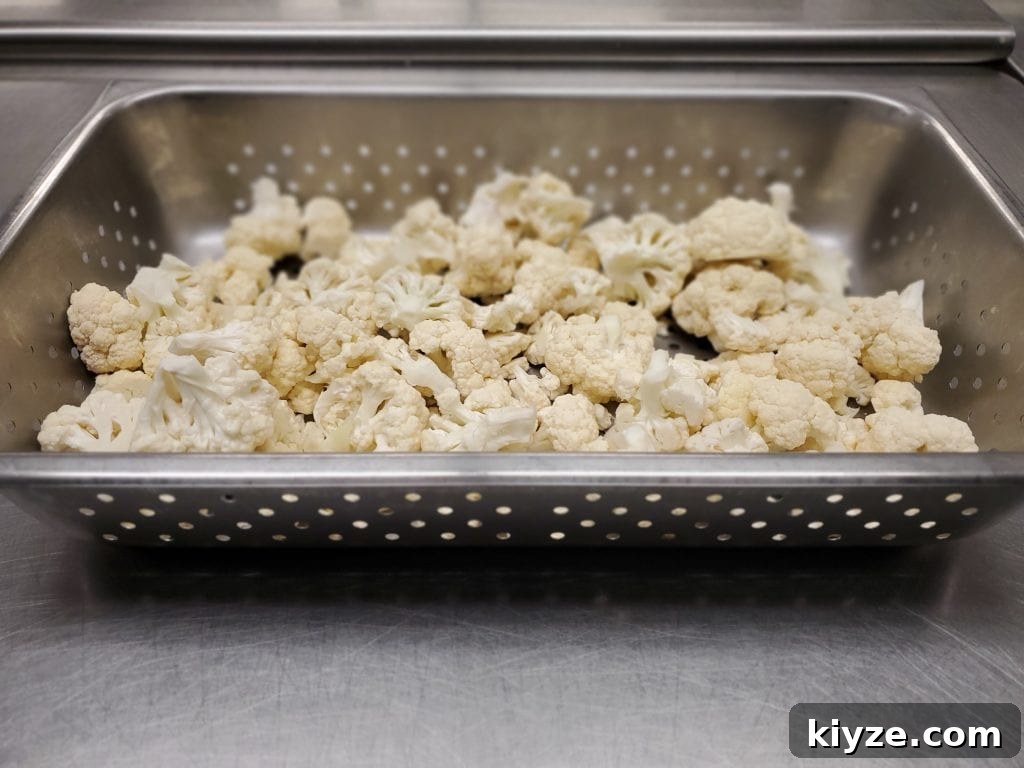
Always steam frozen vegetables in a perforated hotel pan so steam circulates evenly around every piece. This helps ensure consistent cooking across the whole batch.
Do not place the perforated pan inside a solid pan, as that blocks circulation and leads to overcooking.
Season the vegetables after steaming. The moist environment inside the steamer can wash away dry seasonings, so add salts, herbs, and sauces once the vegetables are finished and drained.
Try these simple steamed vegetable recipes:
-

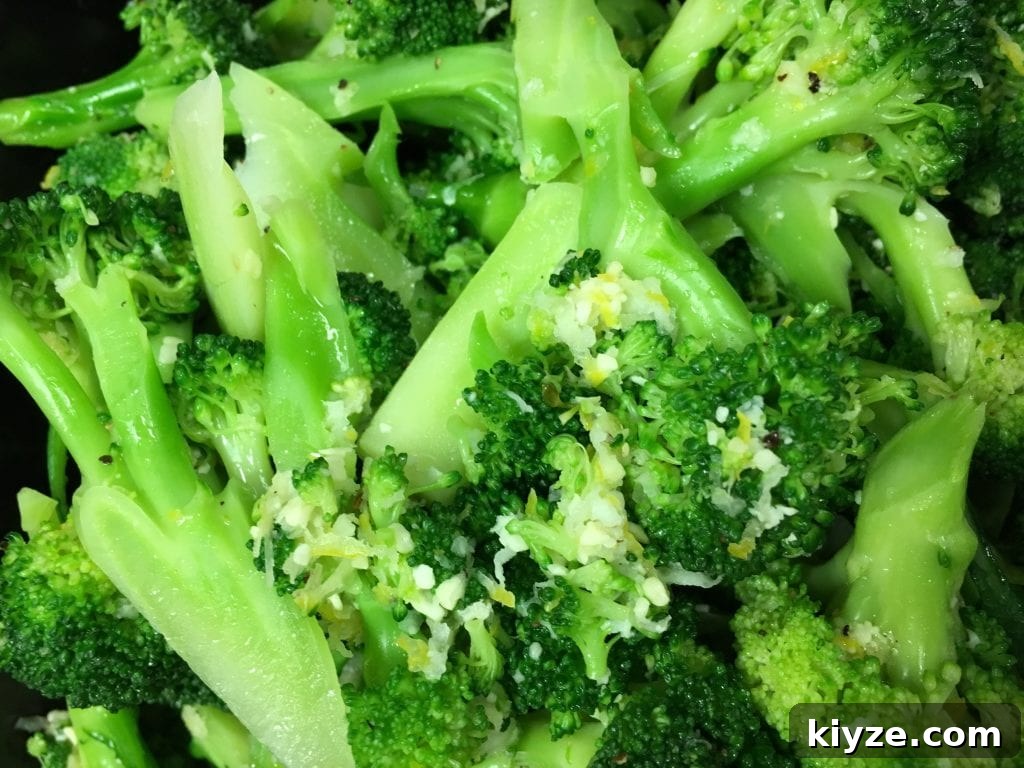
Somerville Lemon Zest Broccoli -
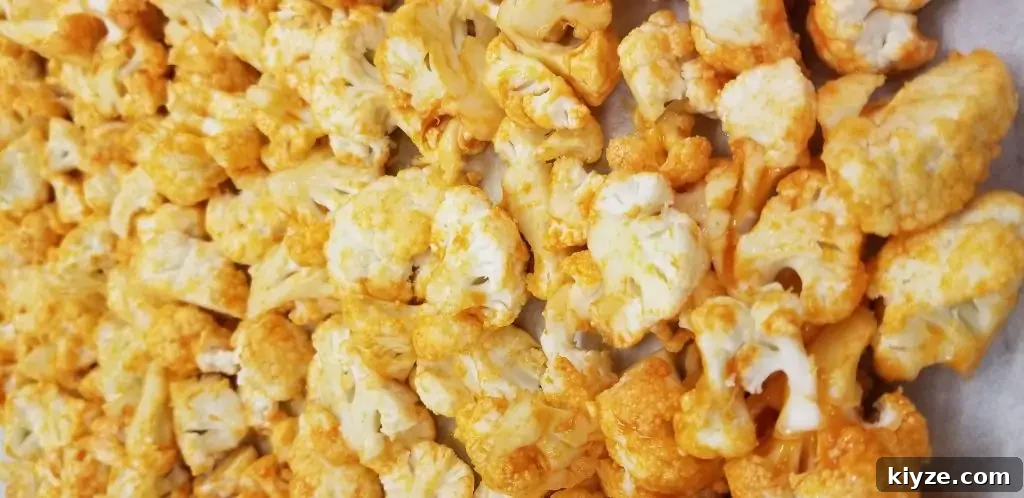
Steamed Buffalo Cauliflower
Roasting:
Roasting works very well with frozen vegetables. For best results, season and oil the vegetables while they’re still frozen. Toss with oil and desired seasonings, spread in a single layer on a parchment-lined sheet pan, and roast until caramelized. This method promotes browning and concentrates flavor.
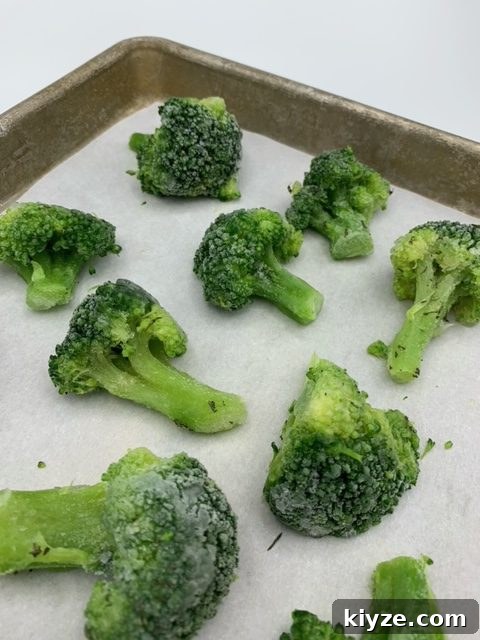
Aim for size consistency so pieces roast evenly. If your frozen pieces vary too much, separate larger pieces or chop when possible.
Large broccoli spears roast especially well—their size helps them caramelize without drying out.
Lower the oven temperature to about 350°F when roasting frozen vegetables rather than the 400°F often used for fresh produce. The gentler heat allows frozen items to heat through and caramelize without becoming tough.
Roasted frozen vegetables hold up well in warmers without overcooking, making them ideal for service situations where batches are prepared in advance.
For example, roasted frozen corn develops sweet, caramelized notes that enhance dishes like Mexican Street Corn when combined with creamy, tangy, and spicy elements.
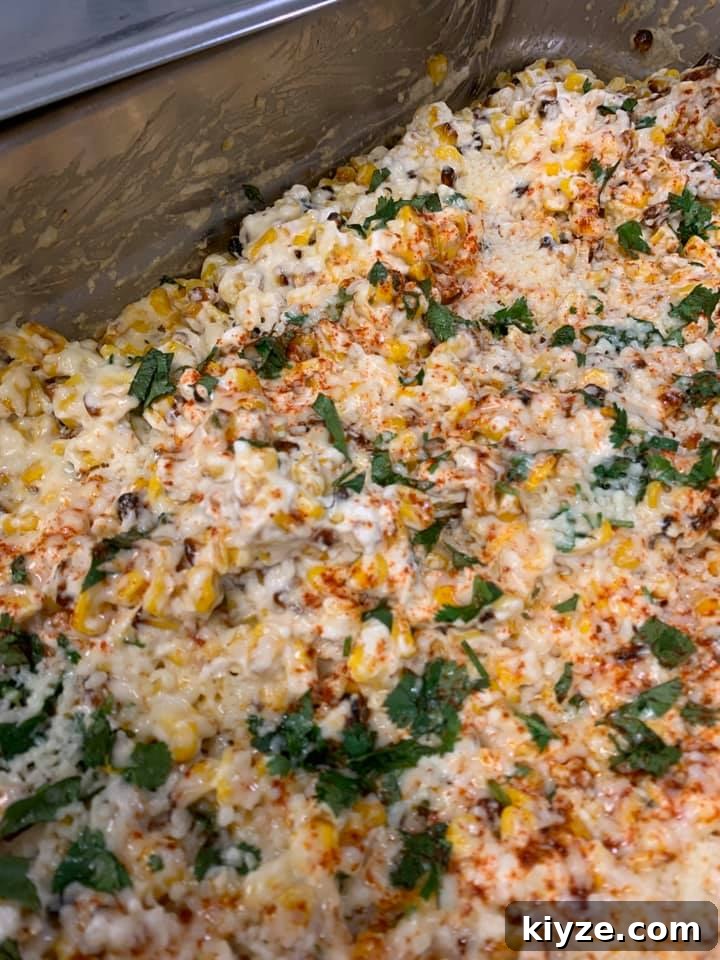
Mexican Street Corn
Roasted, off-the-cob sweet corn mixed with a creamy, cheesy sauce and bright flavors like lime and cilantro makes an exciting side that benefits from the depth roasting provides.
Pureeing:
Frozen vegetables are excellent for purees, dips, sauces, and soups. Follow any package cooking instructions before using in ready-to-eat applications to ensure proper heating and food safety. Some frozen items must be cooked and cooled correctly before serving.
Peas are especially well suited for pureeing—starchy and creamy, they create smooth textures for spreads like a green pea hummus that can brighten themed menus or seasonal promotions.
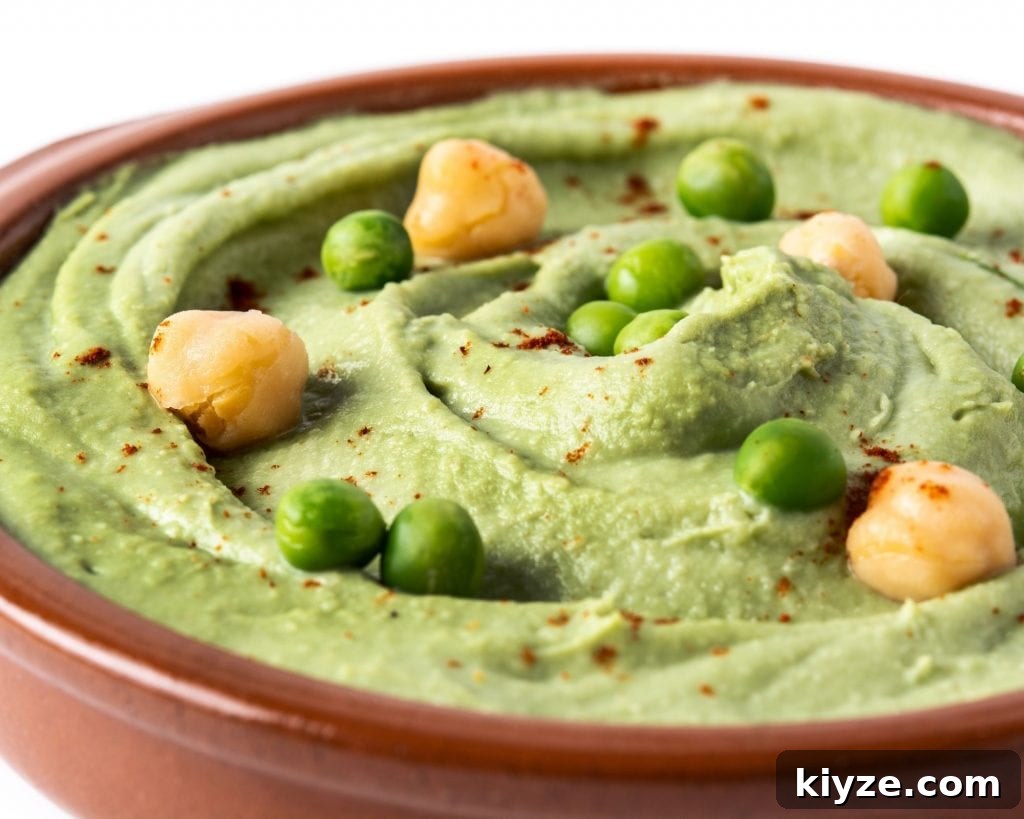
Green Pea Hummus (Hulk Hummus)
Frozen peas blended with chickpeas, tahini, garlic, and fresh citrus becomes a bright, smooth dip or spread that works well for classrooms and cafeterias.
Pureeing also removes the need for strict size uniformity, so florets and mixed cuts are fine. For example, frozen broccoli florets blend easily into a creamy broccoli soup, yielding consistent texture without extra trimming.
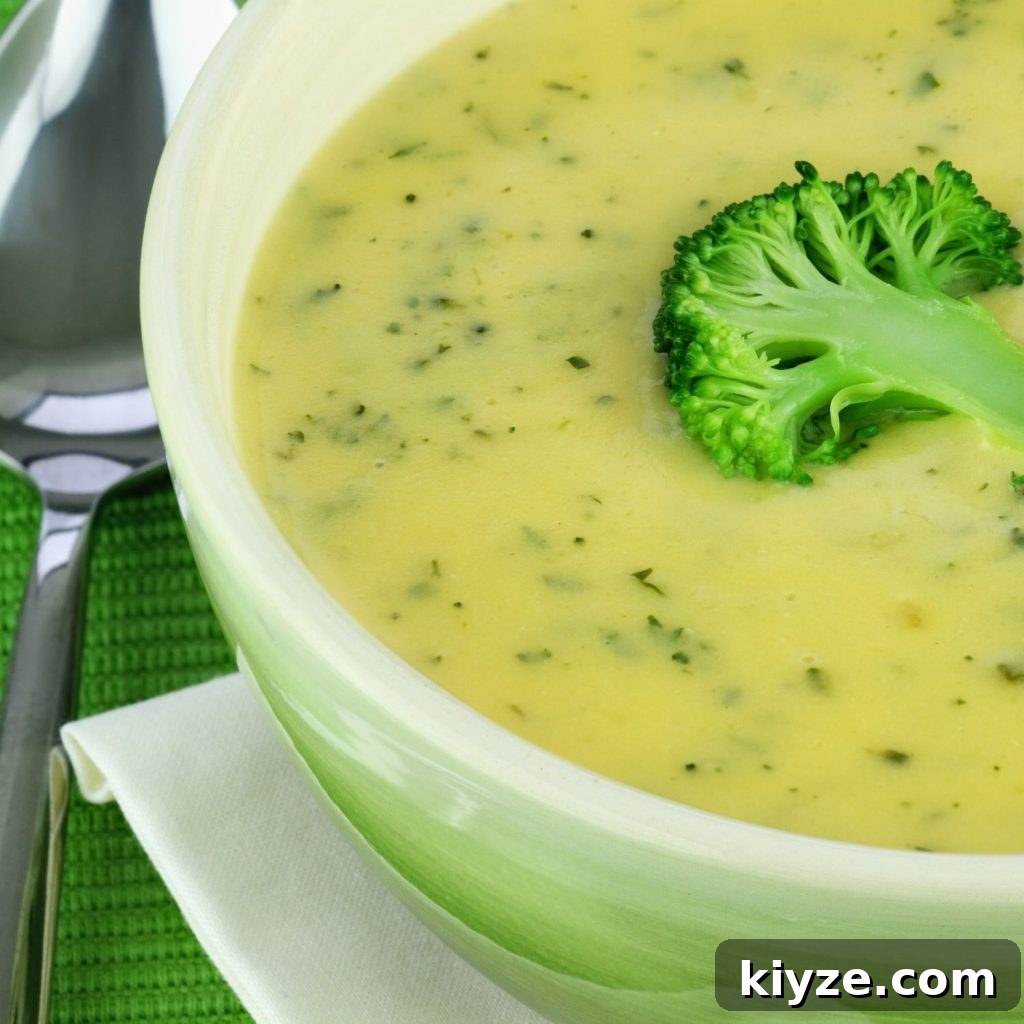
Creamy Broccoli Soup
A classic creamy broccoli soup combines tender, pureed broccoli with a light cream base and a butter-flour thickener for rich flavor with moderate fat per serving.
Frozen vegetables can be featured across your menu using these techniques to keep offerings interesting and flavorful. With proper handling and simple adjustments—thawing when steaming, seasoning frozen pieces for roasting, and following package instructions for purees—you can deliver consistent quality while saving time and labor.
Do you have a favorite recipe that uses frozen vegetables? It’s easy to share!
For guidance on freezing vegetables at home or for bulk storage, consult reputable food preservation resources to learn blanching and freezing techniques that preserve color, texture, and nutrition.