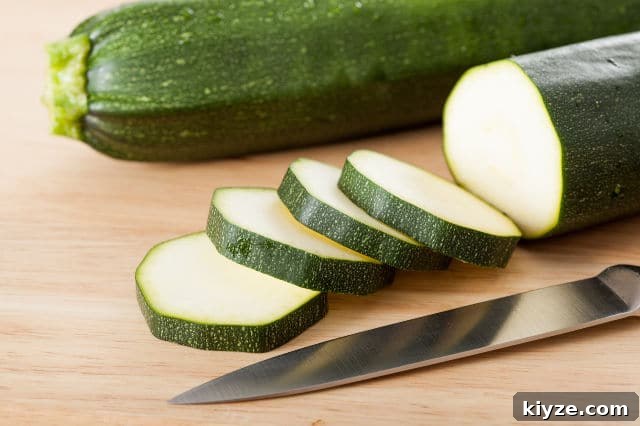
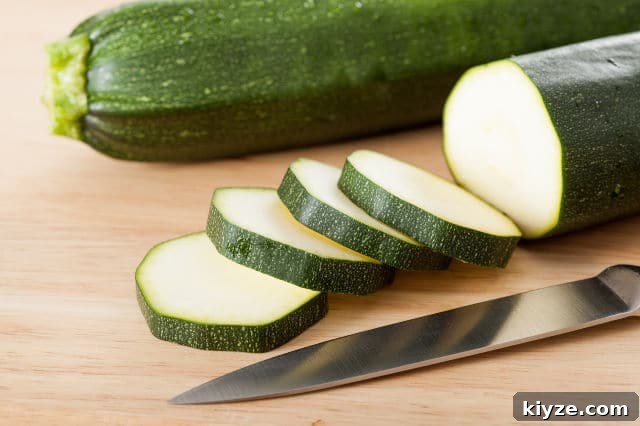
The end of the zucchini season often brings an abundance of inexpensive zucchini at the market. Buying in bulk is great for value, but zucchini doesn’t keep long in the crisper and can go soft or mouldy quickly if not used or preserved. Freezing zucchini is a simple way to avoid waste and reduce chopping at busy meal times.
If you have more zucchini than you can eat fresh, whether from your garden or the store, follow these straightforward steps to freeze it properly so it keeps texture and flavour.
What you need:
- Pot for boiling water
- Steamer basket that fits in the pot, or a slotted spoon to remove zucchini
- Bowl of ice water (refresh for each batch)
- Colander or strainer for draining
- Clean tea towels to dry zucchini
- Tray or trays that fit in your freezer for tray-freezing
- Freezer-safe containers, jars, or freezer bags for storage
- Masking tape and a pen for labelling and dating
The steps
1. Wash your zucchini
Rinse the zucchini to remove dirt. For any stubborn soil, use a light scrub. Dry briefly before cutting.
2. Put a pot of water on to boil
Bring a large pot of water to a rolling boil. To save time, you can heat the water in an electric kettle and finish in the pot. Start chopping while the water heats.
3. Chop your zucchini as desired
Slice into rounds, dice, or cut into pieces you prefer. Smaller pieces blanch faster, so adjust blanching time accordingly.
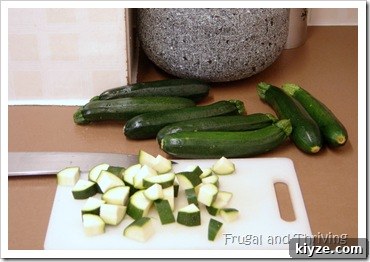
If you plan to grate zucchini, use a food processor to speed the job. After grating, squeeze out excess moisture and proceed directly to tray-freezing—skip blanching. Spread grated zucchini thinly on the tray so it freezes in separate pieces, then package, label and date once solid.
4. Blanch
Drop the cut zucchini into the boiling water and return it to the boil. Work in batches if needed. Blanch for 30 seconds to one minute depending on piece size—smaller pieces need less time. Blanching inactivates enzymes that cause discolouration and texture loss during storage.
5. Shock
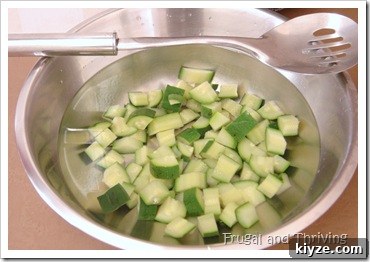
Immediately transfer the zucchini to a bowl of ice water to halt the cooking process. If using a steamer basket, remove the zucchini from the basket before dunking so the ice water remains cold.
6. Drain and dry
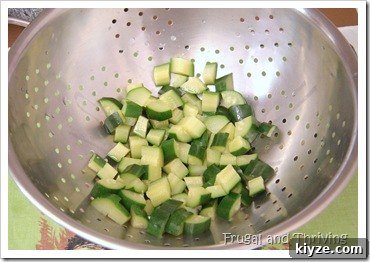
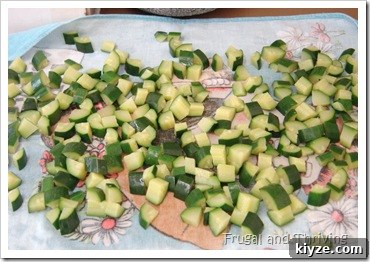
When the zucchini is thoroughly chilled, drain it in a colander. Pat pieces dry on clean tea towels to remove as much surface moisture as possible—zucchini holds a lot of water and drying helps prevent ice crystals and clumping.
7. Tray freeze
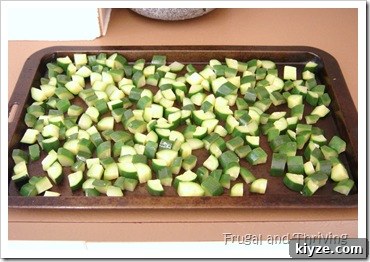
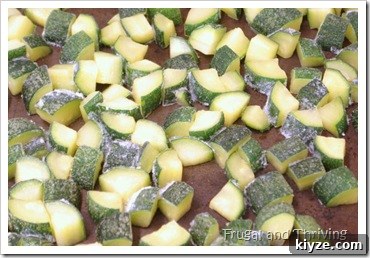
Arrange the zucchini in a single layer on a tray or trays and place in the freezer. Freezing pieces individually prevents them from freezing together in a solid mass, making it easier to portion later.
8. Pack and label
Once solid, transfer the zucchini to freezer bags or containers. Remove as much air as possible, seal, and label with the contents and date. Properly sealed zucchini will keep well for several months.
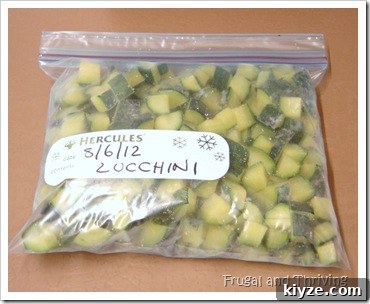
How to use frozen zucchini
Cook frozen zucchini directly from the freezer—do not thaw for best texture. Boil or steam briefly until just tender; overcooking will make it mushy. Frozen zucchini is also a handy addition to soups, stews, casseroles, stir-fries and curries.
Grated frozen zucchini is ideal for baked goods and savory recipes like zucchini bread, vegetable fritters, nuggets, rissoles, meatloaf or patties—add it straight from the freezer when needed.