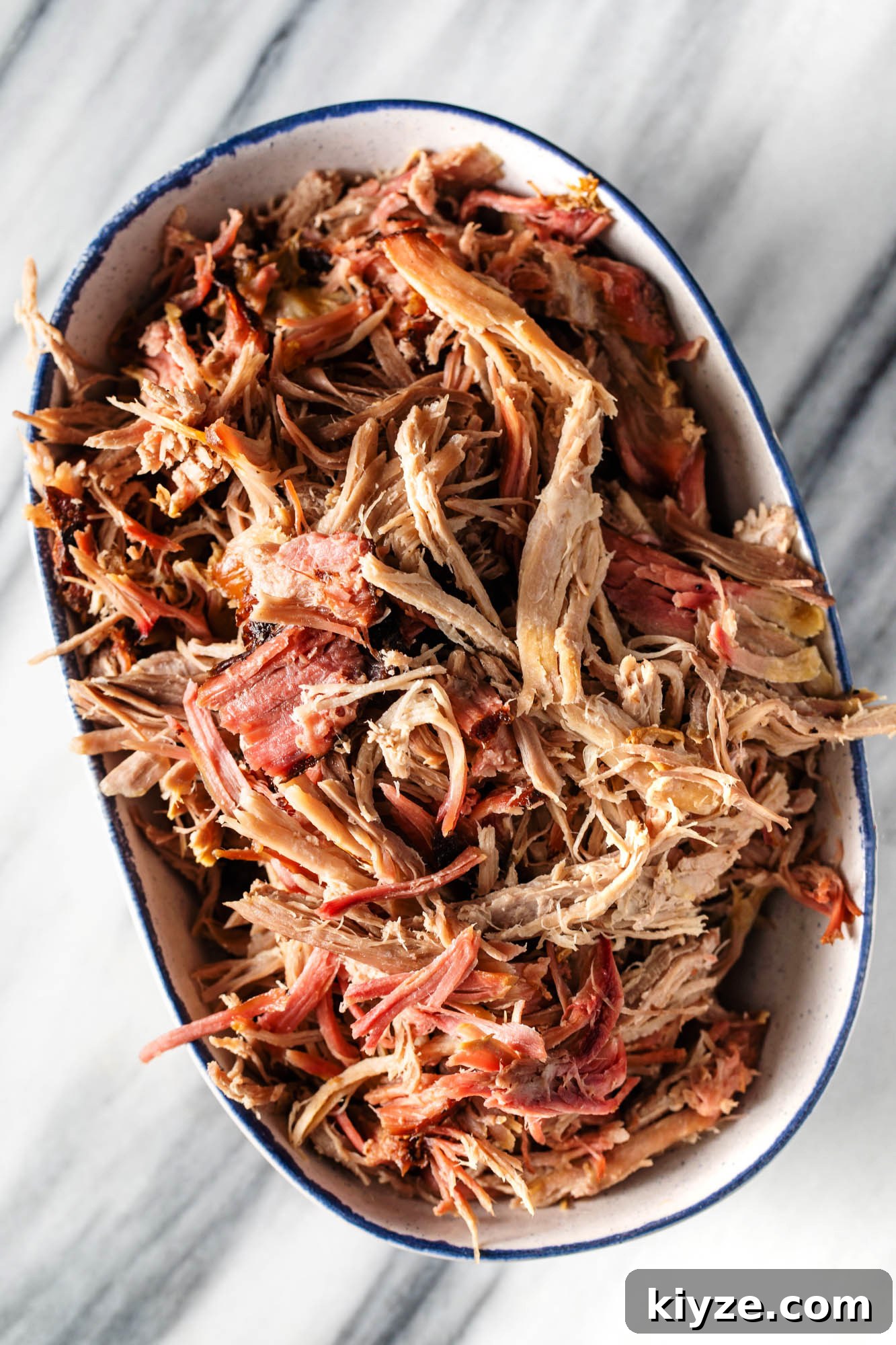
New to cooking pork shoulder? This clear, practical guide explains how long it takes to smoke, oven-roast, or slow-cook a 10-pound pork shoulder, and offers tips to help you get juicy, flavorful results every time.
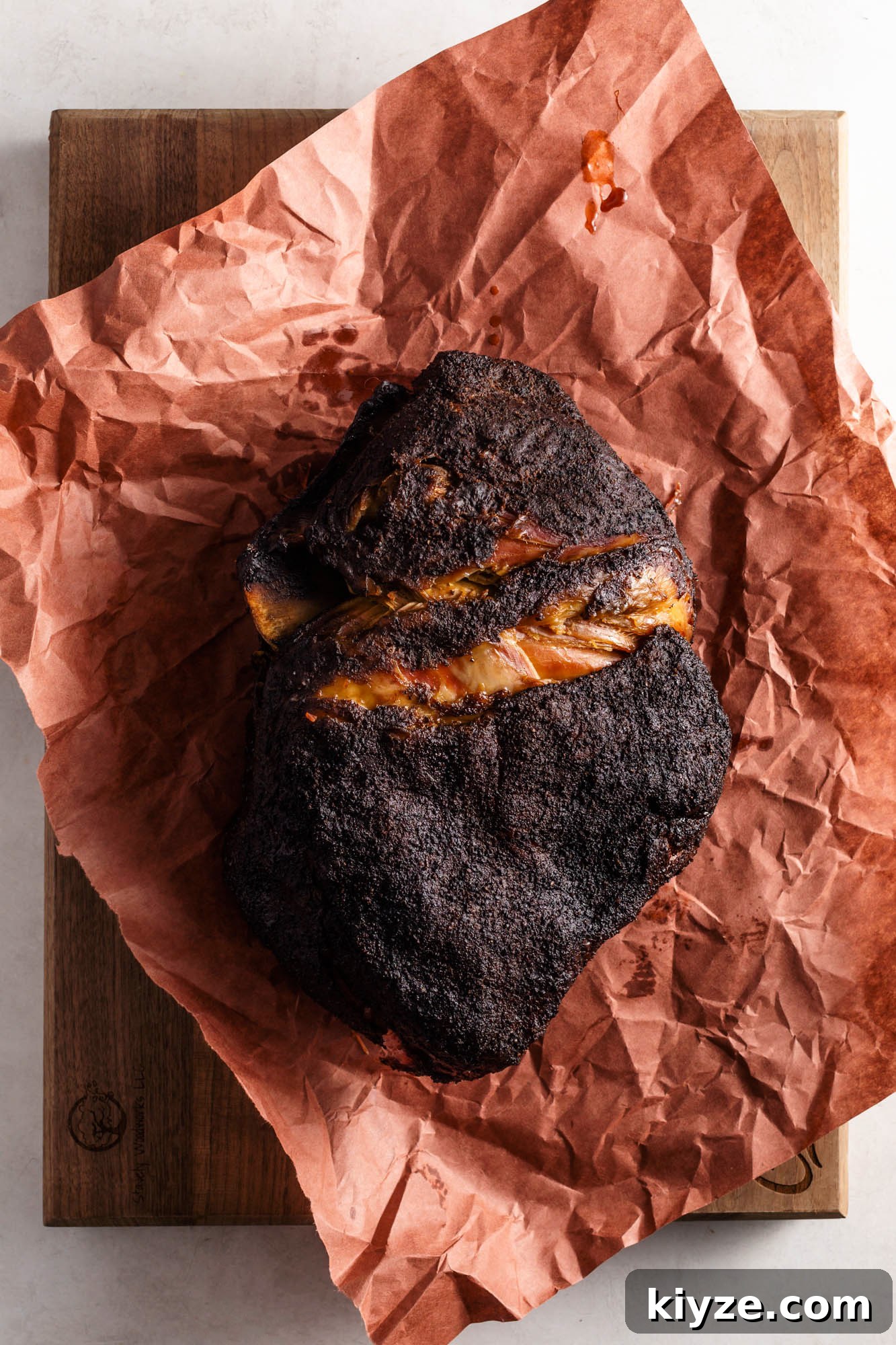
Smoking a bone-in pork shoulder well means balancing time, temperature, and technique. If you’re wondering how long to cook a 10 lb pork shoulder, the answer depends on the method and cooking temperature. Read on for straightforward estimates and practical advice.
How Long Does it Take to Cook a 10-Pound Pork Shoulder?
- Smoking: Low-and-slow smoking takes several hours. At about 275°F, plan roughly 45–60 minutes per pound. That means a 10 lb pork shoulder will typically take about 7.5–10 hours. Use a thermometer and the schedule below as a guide.
- Oven roasting: For slow roasting at 325°F (163°C), expect about 25–30 minutes per pound. A 10 lb shoulder will usually need around 4–5 hours. Avoid high temperatures that can dry the meat.
- Slow cooker: In a slow cooker, a 10 lb pork shoulder generally requires about 8–10 hours on Low for tender, shreddable meat.
The most reliable way to know the meat is done is a meat thermometer. For pulled pork with tender, shreddable texture, aim for an internal temperature of about 200–205°F. At that point the connective tissue has broken down and the meat will pull apart easily.
Whatever method you use, let the shoulder rest loosely tented with foil for 20–30 minutes before shredding. Resting helps the juices redistribute so the meat stays moist.
Cooking Pork Shoulder
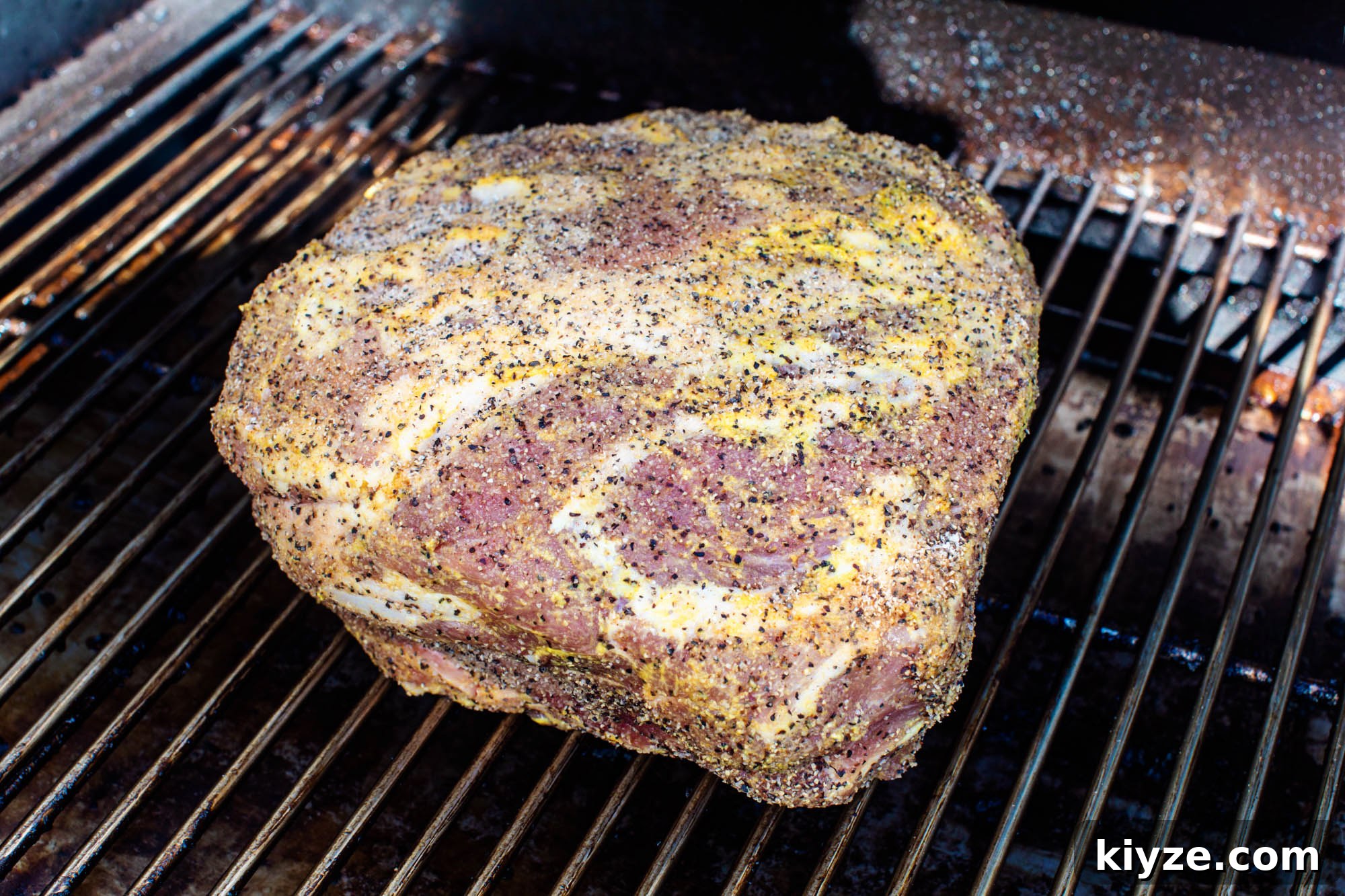
Pork shoulder—also called pork butt or Boston butt—comes from the upper shoulder of the pig. It has generous marbling and connective tissue, which makes it perfect for slow cooking. Properly cooked, it turns into succulent, fall-apart meat with a flavorful crust that’s ideal for sandwiches, tacos, nachos, or served alone with sauce.
Bone-in shoulders commonly weigh between 7 and 10 pounds. For the best texture and flavor when making pulled pork, target an internal temperature near 200–205°F rather than the lower USDA minimum, because you want the collagen fully converted for tenderness.
Estimating Cooking Time on a Smoker
Smoker cook times vary with equipment, airflow, and weather. As a practical rule, estimate about 1.25–1.5 hours per pound when smoking at lower temps. For a 10 lb pork shoulder this can translate to roughly 12–15 hours at lower temperatures; at slightly higher smoking temps (around 275°F) the time shortens to roughly 7.5–10 hours.
Because conditions change, use these numbers as a guideline and rely on a probe thermometer to confirm doneness.
Conversion Chart for Smoking a 10 Pound Pork Shoulder
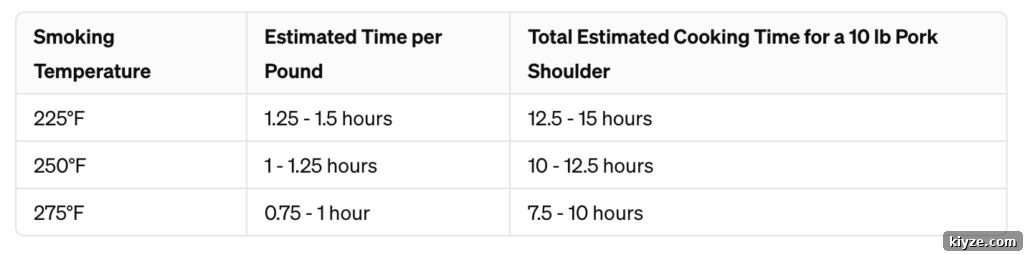
Note: times are estimates and will vary with smoker temperature, wind, ambient temperature, and how often you open the smoker. Monitor with a reliable thermometer.
How to Know When Your Pork Shoulder Is Done Smoking
Insert a thermometer into the thickest part of the shoulder, avoiding the bone and large fat pockets. For tender, pull-apart pork aim for an internal temperature of roughly 200–205°F (93–96°C). The meat should feel very soft when probed—almost like soft butter—and pull apart easily.
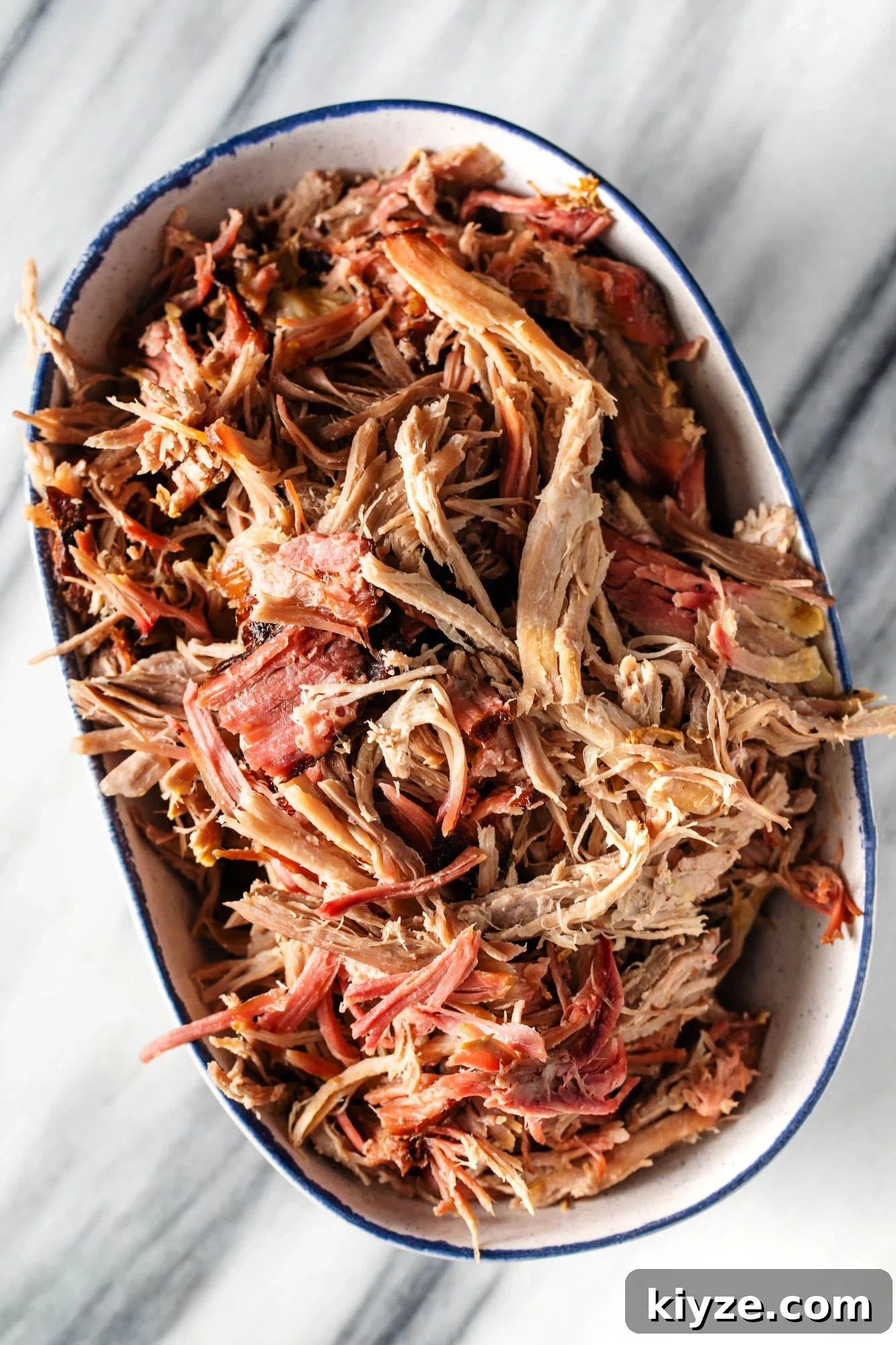
Resting and Serving
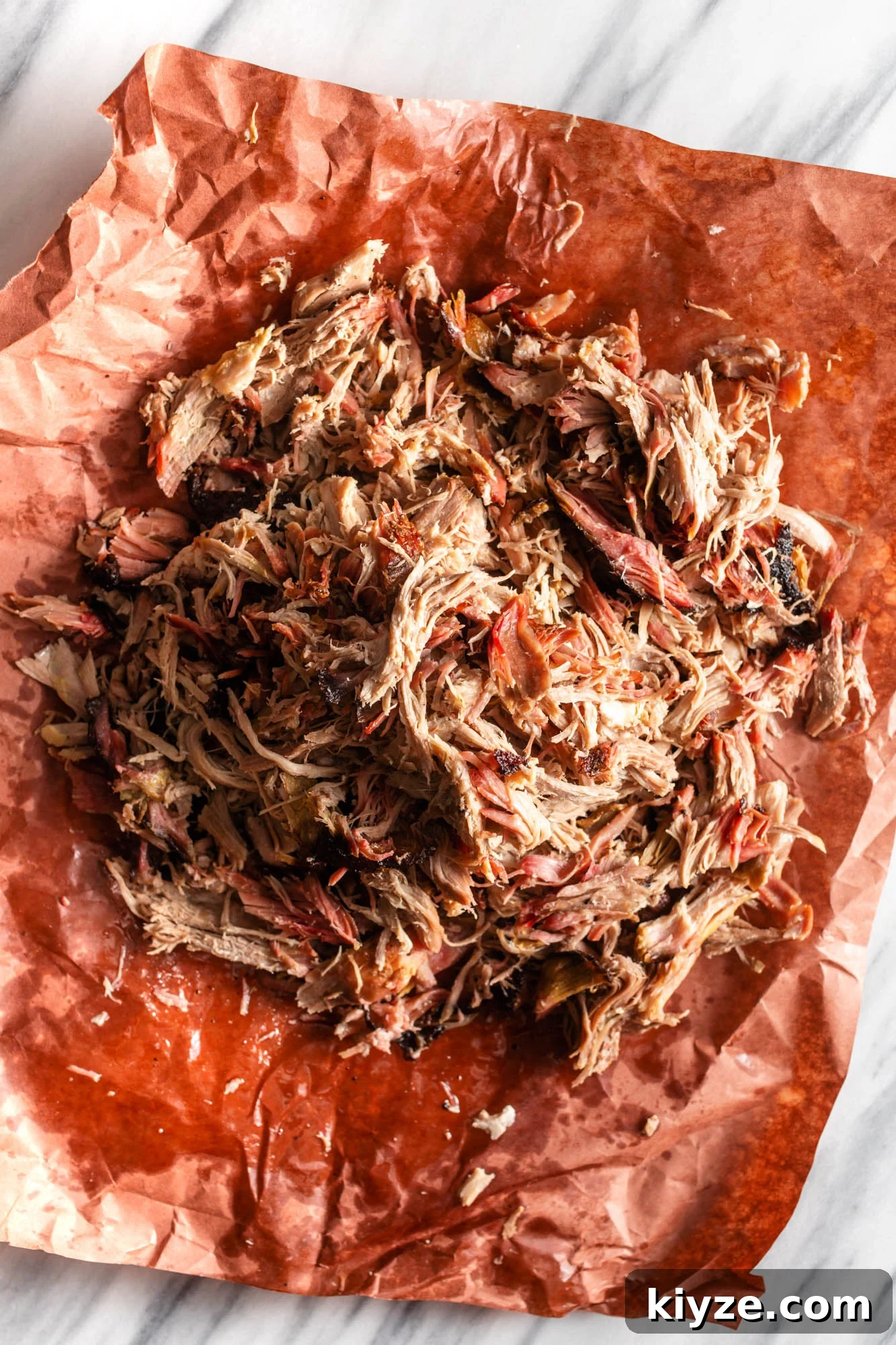
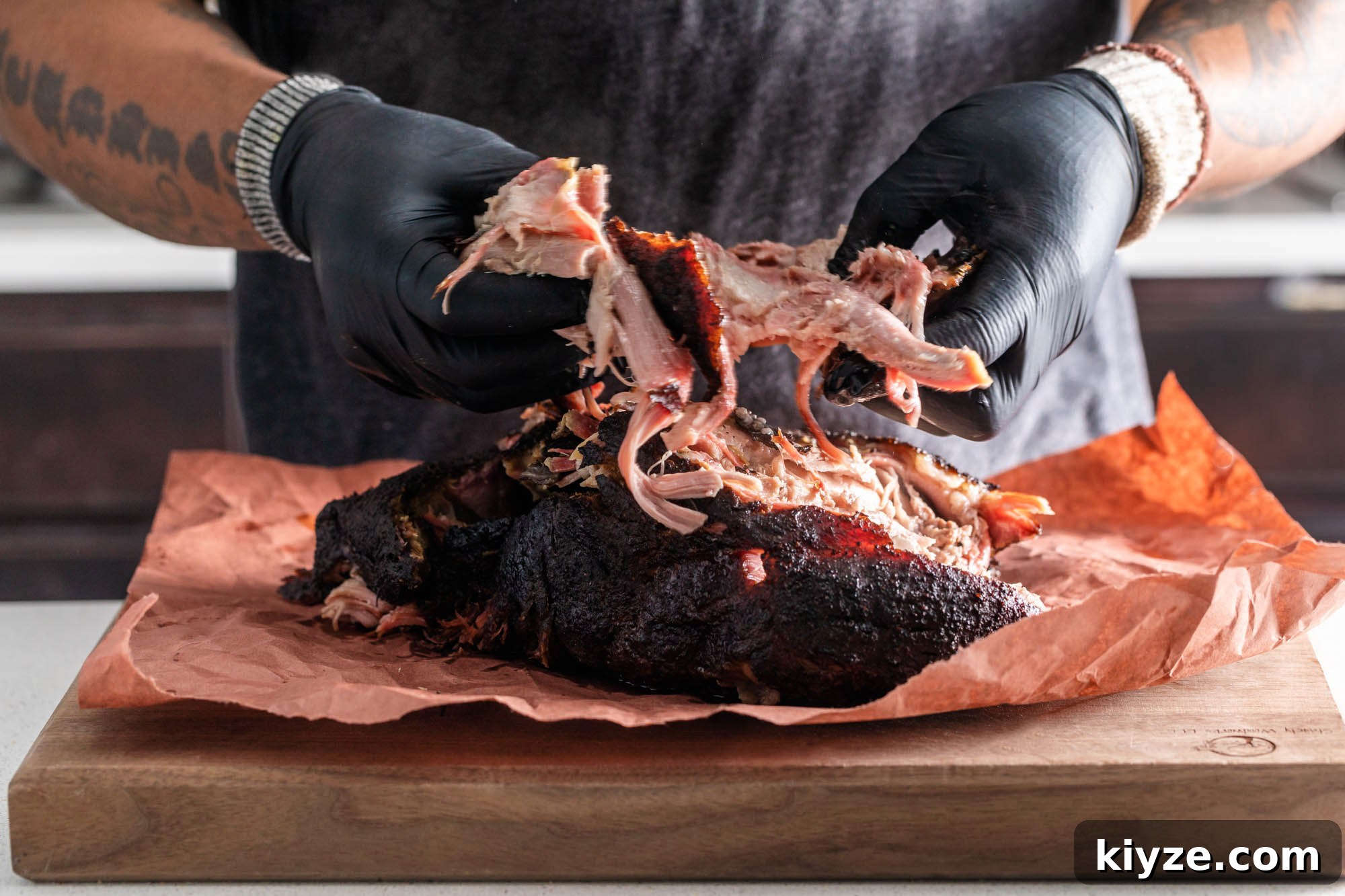
When the shoulder reaches the target temperature, remove it from the heat and transfer it to a cutting board or platter. Tent loosely with foil and let it rest at room temperature for 20–30 minutes—longer if wrapped—for juices to redistribute. After resting, remove the foil and shred or slice as desired. Wear heat-resistant gloves if you’ll handle very hot meat.
Smoking Tips & Tricks
- Place the shoulder fat-cap side up so rendered fat bastes the meat during cooking.
- Avoid opening the smoker frequently. Every time you open the lid you lose heat and smoke, which lengthens cook time and affects the bark.
- Use a reliable thermometer and aim for a steady smoker temperature. For traditional low-and-slow smoking keep the smoker around 225–250°F (107–121°C); for a slightly faster cook, 275°F works well.
Summary
Smoking or slow-cooking a 10 lb pork shoulder requires patience, temperature control, and the right finish temperature to make tender pulled pork. Follow the timing estimates for your chosen method, check internal temperature, and allow the meat to rest before shredding. With consistent heat, a good rub, and some time, you’ll end up with delicious barbecue-ready pork.
📖 Recipe

Smoked Pork Shoulder
Krysten Wilkes & Marrekus Wilkes
Ingredients
- 10 pound bone-in pork butt
- yellow mustard
- Soul Dust soul food seasoning or your favorite BBQ dry rub
- cherry wood for smoking (preferred)
Mop Sauce
- ½ cup apple cider vinegar
- ½ cup olive oil
- 1 tablespoon Diamond Crystal kosher salt
- 1 tablespoon black pepper
- 1 teaspoon hot sauce
Instructions
-
Place the pork butt in a foil pan and allow it to come to room temperature for about 30 minutes for more even cooking.
-
Apply a thin layer of yellow mustard, then season generously with Soul Dust or your preferred dry rub.
-
Preheat the smoker to 275°F and add your chosen wood to the firebox or smoker box.
-
Place the shoulder on the grate fat-cap side up. Baste with mop sauce every 30–45 minutes if desired.
-
When the meat reaches about 160–165°F, wrap it tightly in heavy-duty foil, insert a probe thermometer, and return it to the smoker.
-
Pull from heat when the internal temperature is 200–205°F. Transfer to a cooler or oven and rest for 30 minutes to one hour before unwrapping.
-
Using gloved hands with cotton liners if desired, shred the pork. It should be hot and tender enough to fall apart easily. Serve as shredded or chopped.
Notes
- Place the shoulder fat-cap side up so rendered fat bastes the meat.
- Minimize opening the smoker; frequent openings prolong cook time and impact the bark.
- Maintain a steady smoker temperature and monitor with a reliable thermometer; 225–250°F is ideal for traditional low-and-slow smoking.
Nutrition
Carbohydrates: 0.4 g
Protein: 45 g
Fat: 25 g