
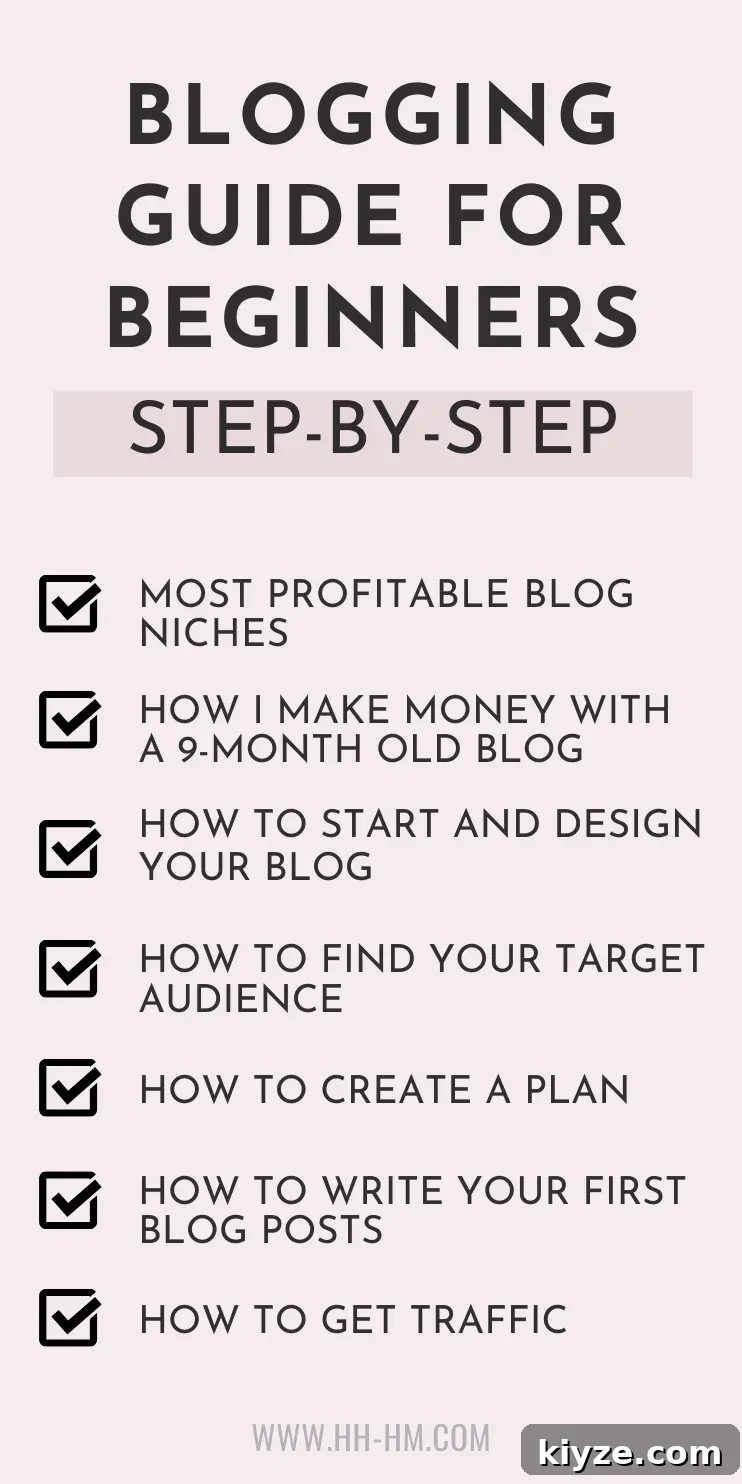
This beginner blogging guide will walk you through starting a successful blog in 2021. It covers popular blog niches, whether blogging is still relevant, and practical steps to grow your blog and earn income—even if you’re just getting started.
Before diving into the how-to, here’s a brief snapshot of my own blogging journey, which began in 2019.
Some of the links in this post are affiliate links. If you click a link and make a purchase, I may receive a small commission at no extra cost to you. This helps cover costs for the blog.
Why I started a blog?
I launched this blog in 2019 and have worked on it in my spare time while raising a very active toddler and juggling several other projects. The blog has grown significantly since then. While I’m not finished with my goals, I can clearly see what this site could become in a year, two years, or five years—and that’s exciting.
Blogging matched my lifestyle: it required a small financial investment, offered room for growth, and let me share things I care about. Reaching hundreds of thousands of page views in the first year confirmed I was on the right path.
I first considered starting a blog in January 2018 but didn’t begin until February 2019—so don’t let procrastination stop you.
Blog Income
I wrote the first version of this guide in May 2019 when the blog was only a few months old. Back then my primary goal was to build a habit and improve consistently, with the hope of eventually earning a full-time income.
Within eight months I began earning money from the blog. It wasn’t instant or easy. I stayed patient and persistent, followed the strategies I outline here, and saw results. The same approach can work for you even if you start this year or later.
What Is A Blog?
A blog is simply a website where a person or group shares knowledge, experience, opinions, or helpful information on specific topics. That’s all it needs to be.
Is Blogging Dead?
Before I started, I thought blogs were dying—who reads blogs anymore? But I noticed that many search results and Pinterest links led to blogs, not just major publications. Blogs cover a wide range of practical topics: parenting, home renovation, organization, health, finances, relationships, and more.
Many successful blogs are only a few years old, and even some months-old sites can rank well on Pinterest. So blogging is not dead. While personal journaling may not become a big income source, blogs that solve real problems for readers can still succeed.
How Do Blogs Make Money?
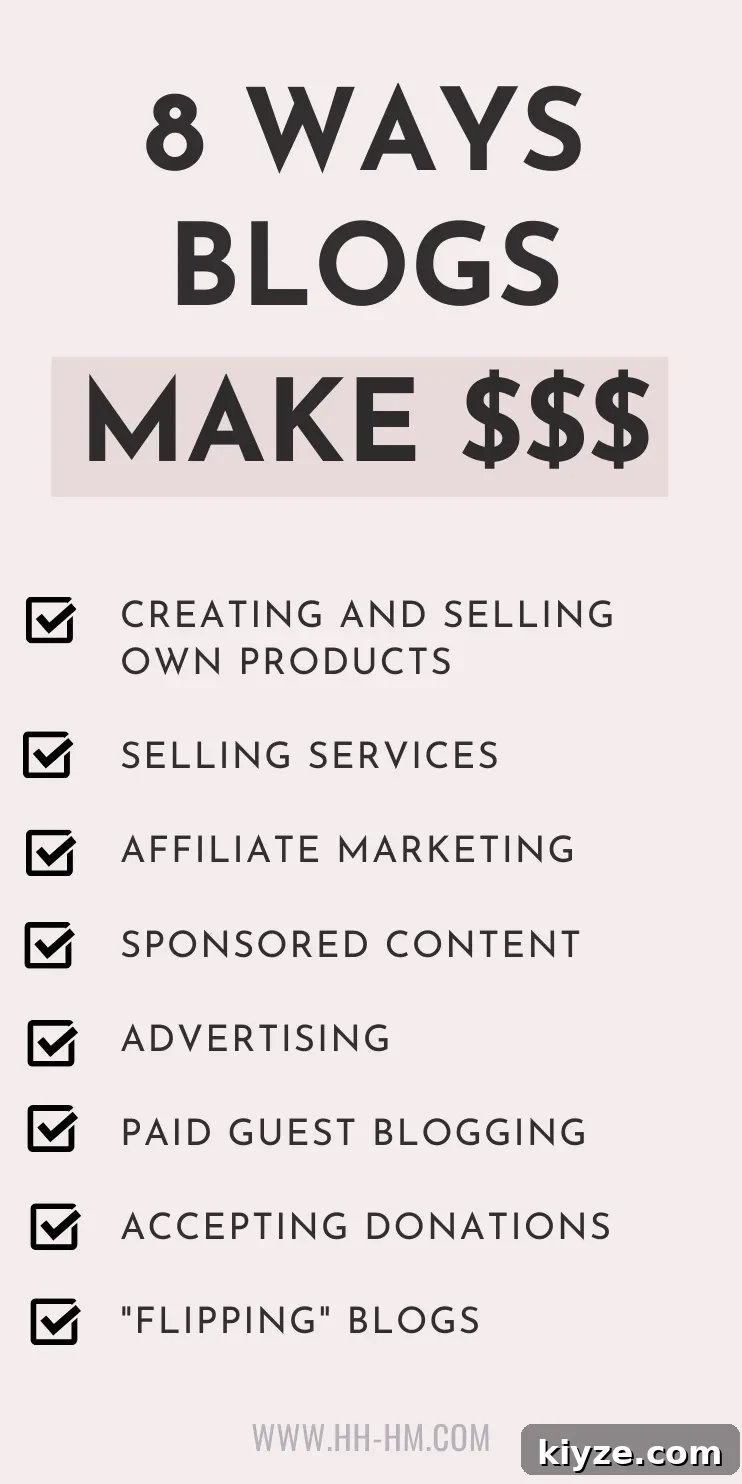
Most successful bloggers earn through two main methods: selling their own products or promoting others’ products. Common monetization methods include:
- Display advertising that pays per impression once you have enough traffic.
- Affiliate marketing—earn commissions when readers buy through your links.
- Sponsored content or paid guest posts for brands and partners.
Successful Blog Topics / Pick A Niche
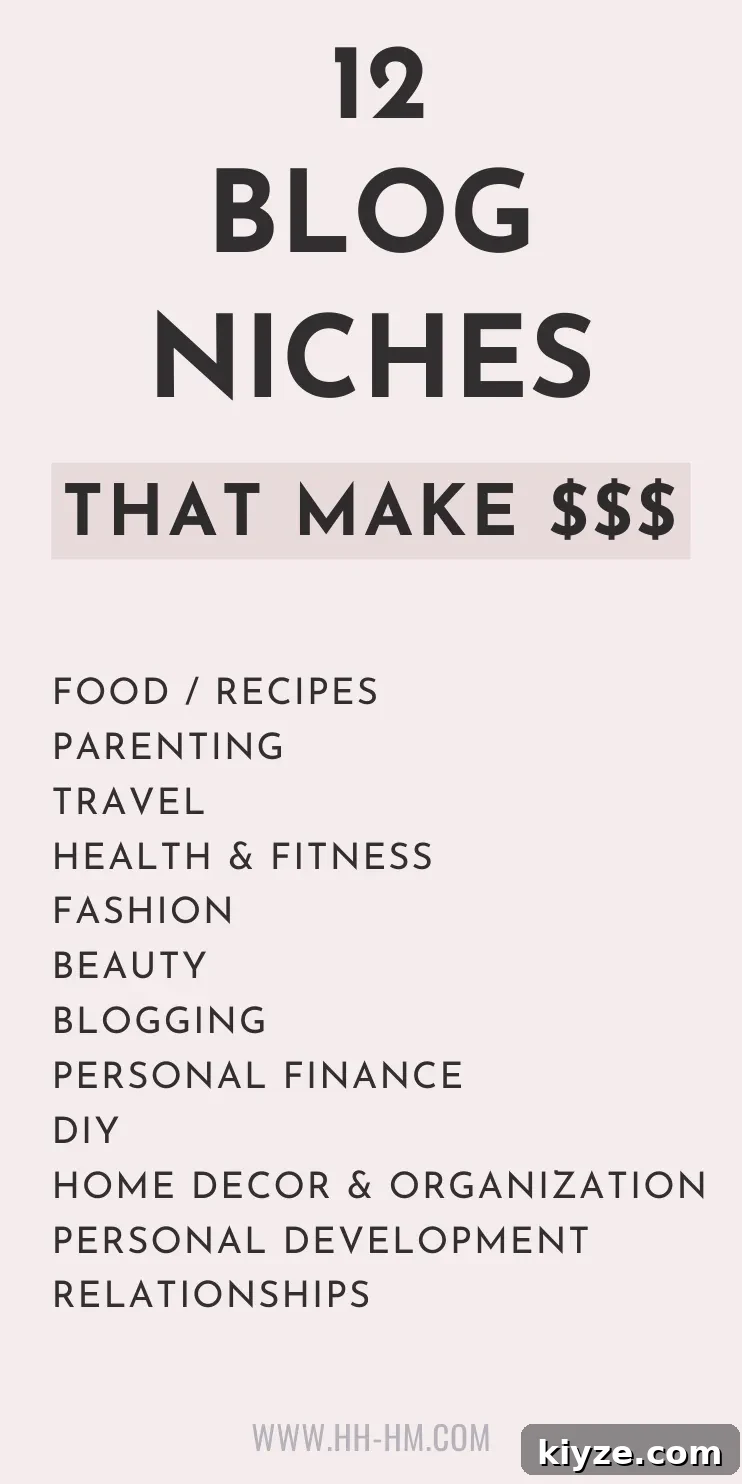
Choosing a topic people search for makes growth faster. You don’t need to be ultra-specific at first—cover a topic or a few related topics that attract readers. Popular niches include:
- Food / Recipes
- Parenting
- Travel
- Health & Fitness
- Fashion
- Beauty
- Blogging
- Personal Finance
- DIY
- Home Organization
- Personal Development
- Relationships
Pick A Target Audience
Defining your audience is more important than choosing a narrow niche. Know who you’re writing for and tailor content to their needs. Many successful lifestyle sites cover multiple topics but thrive because they serve a well-defined audience.
6 Steps To Start A Blog Successfully
Once you pick a niche or topics, follow these practical steps to turn your idea into a working blog.
Step 1: Get Your Blog Domain and Hosting
Choose reliable WordPress hosting to prioritize speed and uptime. A quality host often includes 24/7 support, a 30-day money-back guarantee, a free SSL certificate, and easy WordPress installation—features that matter to beginners.
Start with a self-hosted WordPress.org setup so you own your site. Free platforms can remove content or accounts, and self-hosting offers professional flexibility and control.
Step 2: Design Your Blog
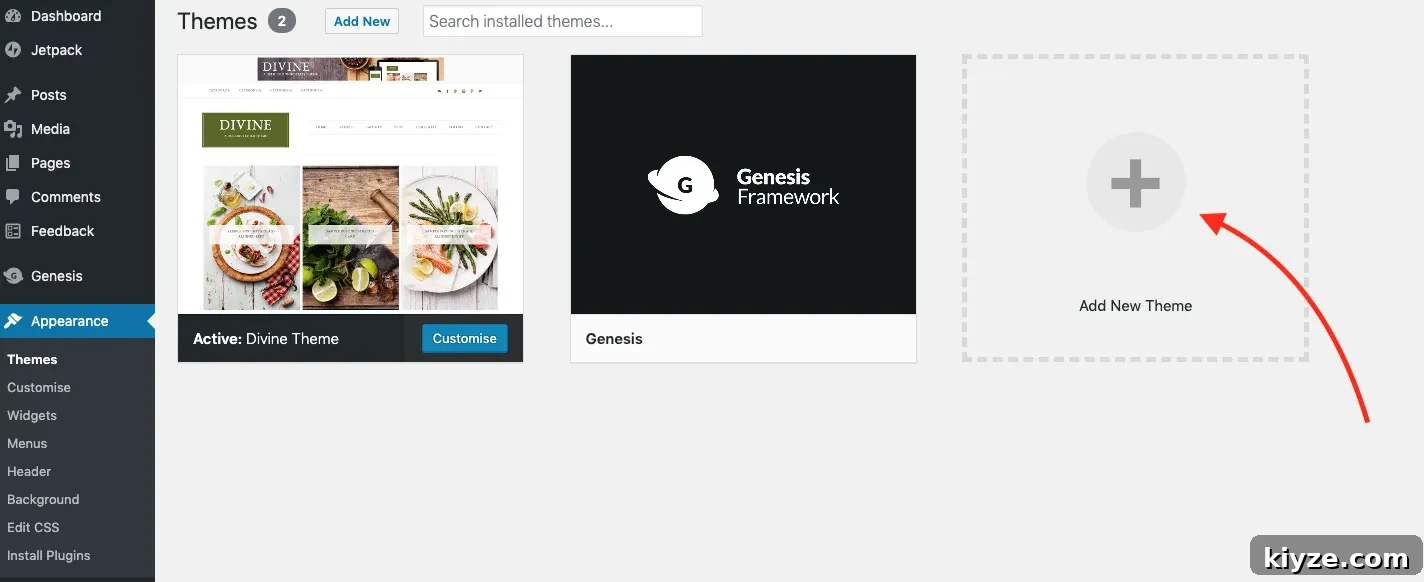
Select a WordPress theme from Appearance → Themes, or purchase an SEO-friendly premium theme for better performance and customization. A fast, well-coded theme helps with user experience and search rankings.
Step 3: Create A Plan
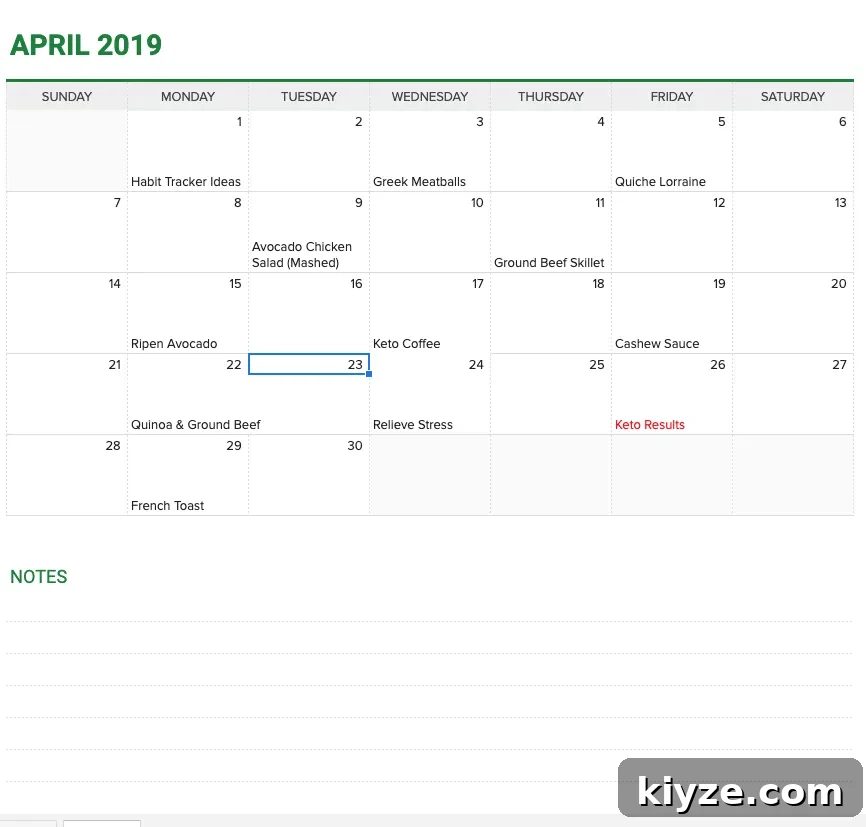
Plan your content cadence and topics. Brainstorm 30 post ideas and build an editorial calendar—use Google Sheets or a similar tool to schedule publish dates. Start with your best ideas and refine the plan as you go; idea generation gets easier with practice.
Step 4: Write Your First Blog Posts
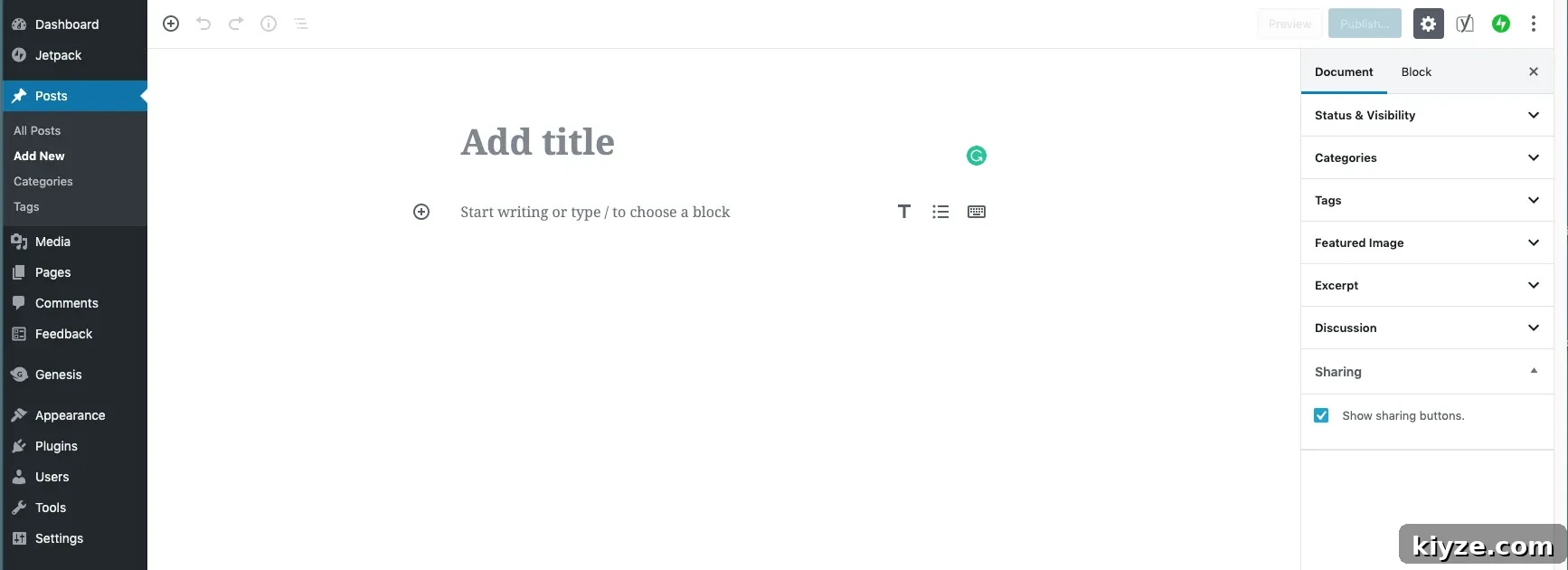
Write 10–15 posts before launching fully. Write from the perspective of a beginner—answer the questions you once had and explain solutions clearly. Use headings, short paragraphs, bullet points, and emphasis to make content scannable and reader-friendly.
Step 5: Promote Your Blog
Great content needs promotion. Share posts on social media, guest blog, and use visual platforms like Pinterest to drive traffic. Pinterest performs well for many bloggers when you create attractive pins, write clear descriptions, and pin consistently.
Scheduling tools can save time and help maintain consistency, especially for Pinterest.

How To Get Traffic From Pinterest
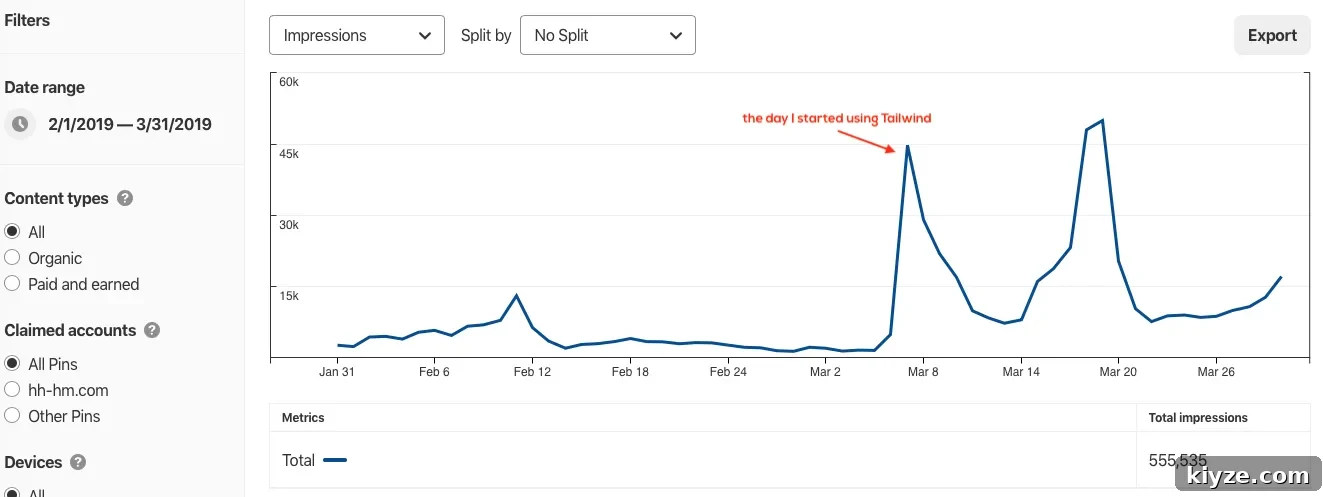
Pin attractive images, write detailed descriptions for pins and boards, and stay consistent. Pin a little every day rather than in large bursts. Scheduling tools can automate posting and help you track performance, which speeds growth compared to manual pinning.
You can also schedule directly in Pinterest if you prefer, but third-party tools may save time and improve organization.
Pinterest Ups and Downs
Platforms change—accounts can face issues or see fluctuations in reach. If a setback happens, adapt your strategy: experiment with new formats like short videos, refine pin designs, and keep rebuilding your presence.
Step 6: Stay Consistent & Keep Growing
Persistence is essential. Keep producing content, promoting it, brainstorming new ideas, and testing strategies. Diversify income and traffic sources over time: create products, explore partnerships, and experiment with monetization methods.
Avoid constant comparison. Focus on steady progress and make the best use of the time you have each week.
Recap: How To Create A Successful Blog
- Start self-hosted. Own your blog with a domain and reliable hosting.
- Design your blog. Use a clean, SEO-friendly theme for speed and usability.
- Create a plan. Brainstorm post ideas and set up an editorial calendar.
- Write your first posts. Publish 10–15 well-formatted, helpful articles.
- Promote your blog. Use social media, guest posts, and Pinterest to drive traffic. Scheduling tools help maintain consistency.
- Stay consistent. Keep creating, promoting, and refining your approach. Diversify and experiment as you grow.
I hope this guide helps you start the blog you want. Small, focused efforts over a year can create meaningful results for you and your family.
You Might Also Like:
- 12 Things To Do Before You Launch Your Blog
- 10 Things To Do On Sunday For A Better Week
- 47 Things To Track In Your Habit Tracker