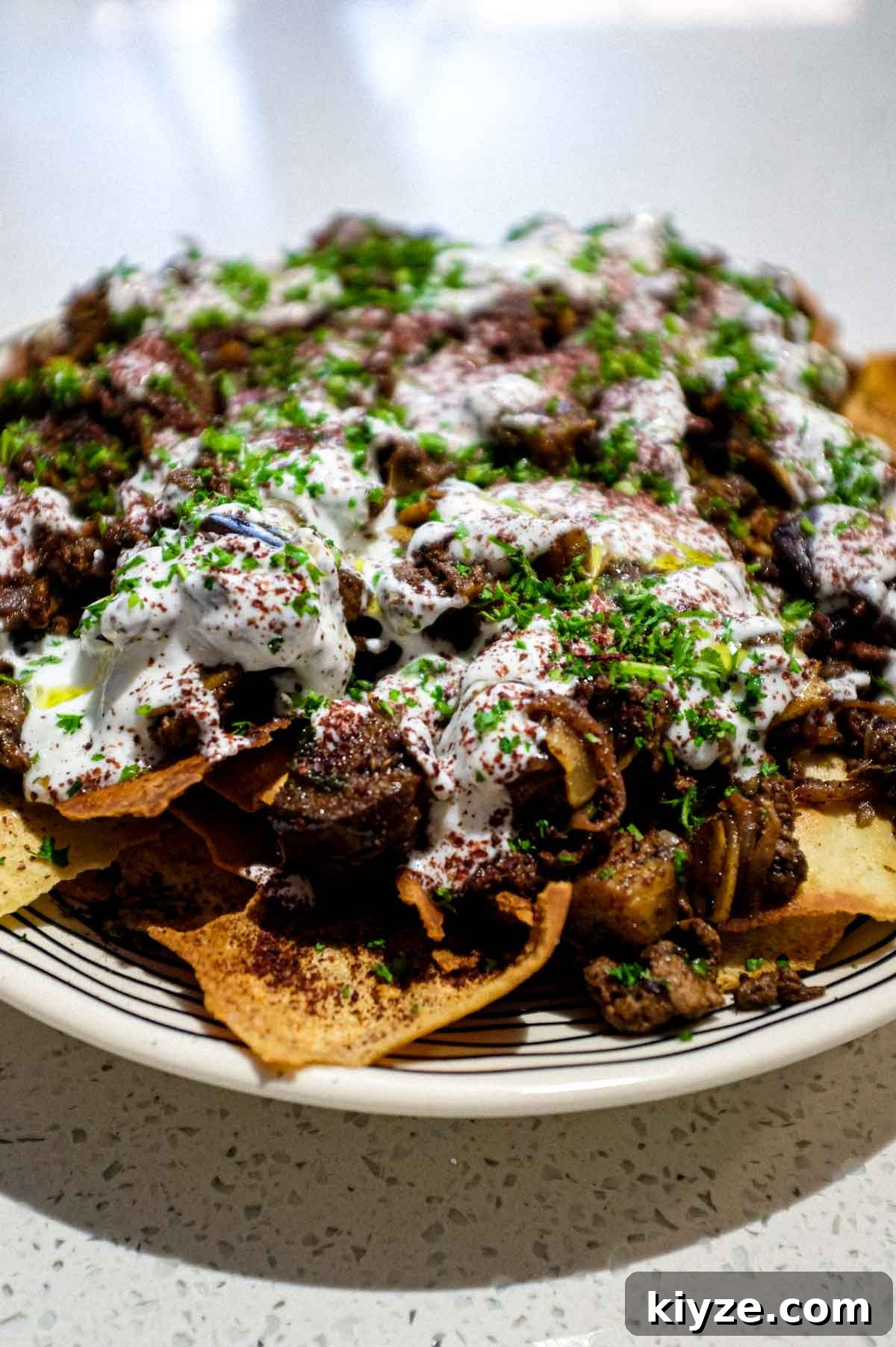
Lamb & Eggplant Fatteh
By Lee Jackson ↣ Published on: March 13, 2020
This Lebanese-style fatteh brings together contrasting textures and rich Middle Eastern flavours: crunchy baked flatbread pieces, tender spiced lamb and soft, caramelised eggplant, finished with a bright garlic-yogurt dressing and toasted nuts. The result is deeply satisfying, balanced and perfect for sharing.
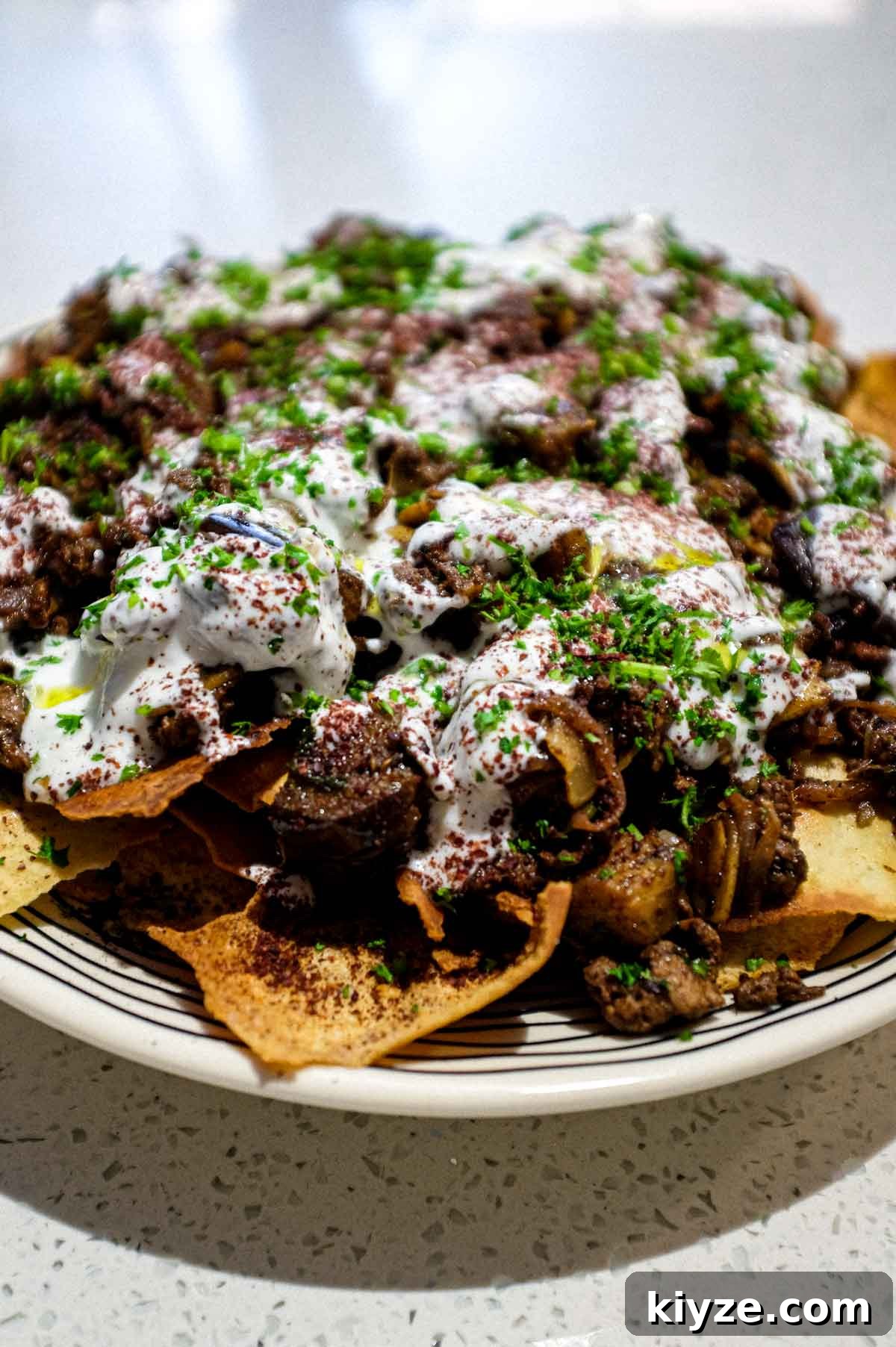
This fatteh recipe is a favourite in my household. It’s approachable to cook at home and uses accessible ingredients, yet arrives at a complex, layered finish. Ground lamb is gently spiced and combined with roasted eggplant and crunchy, toasted nuts. Pomegranate molasses adds a distinct sweet-tart note that lifts the whole dish, while garlic-infused yogurt cools and balances the spices.
Although fatteh appears in many regional forms across the Middle East, this Lebanese-style version showcases the classic contrasts of texture and flavour that make the dish so memorable.
What’s Ahead?
What is Fatteh?
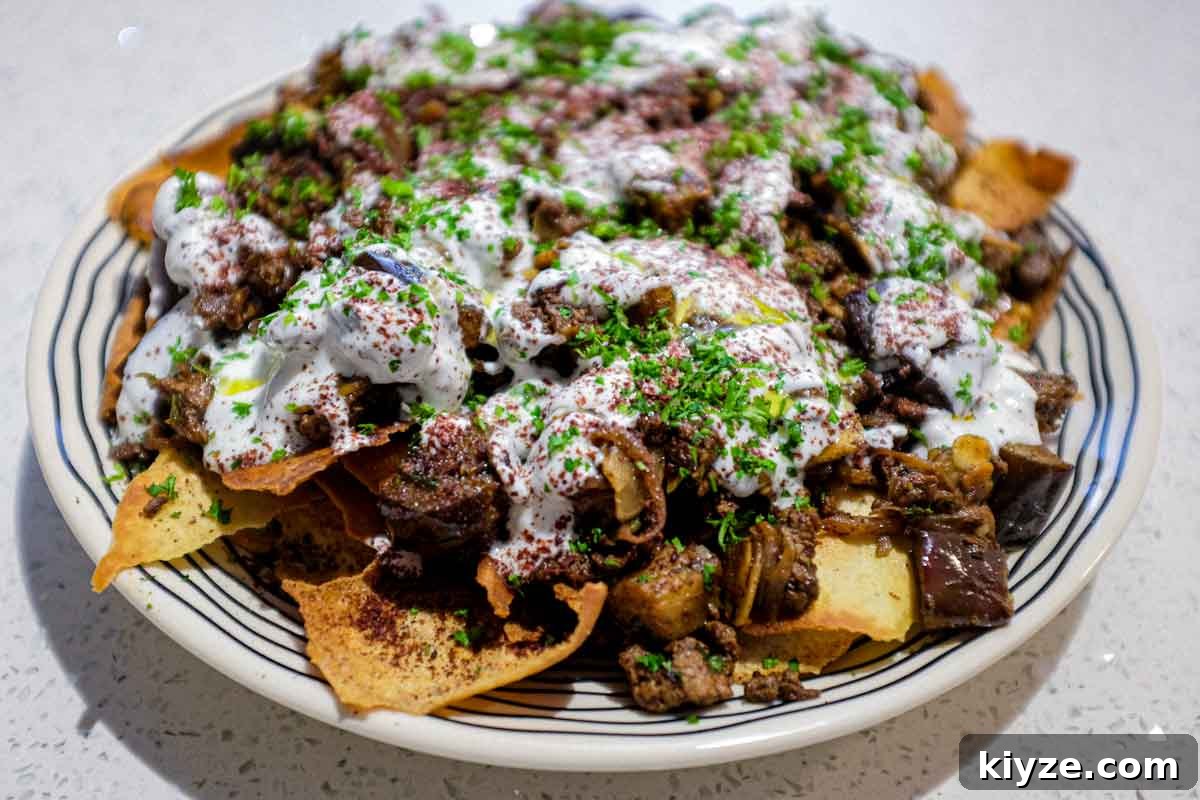
Fatteh is a traditional Middle Eastern dish built on crisp toasted flatbread layered with savoury toppings. Imagine a base of crunchy bread pieces topped with richly spiced meat, tender vegetables and a cooling garlic-yogurt sauce—similar in concept to loaded nachos but with Levantine flavours. Many countries across the region have their own versions and spellings of fatteh, and ingredients vary from chickpeas and rice to minced meat and tahini-based sauces.
Common regional variations include:
- Levantine Fatteh: Toasted pita or flatbread layered with chickpeas and yogurt, often garnished with nuts and herbs.
- Egyptian Fatteh: Layers of rice or pasta combined with a tomato-based sauce, chickpeas and garlic vinegar.
- Palestinian Fatteh: Similar to the Levantine version but sometimes includes grilled vegetables or spiced meat.
- Lebanese Fatteh: A variety of local styles; frequently features toasted bread, chickpeas, yogurt and occasionally minced meat or fried nuts.
Why it works?
A complete, shareable plate. Fatteh combines textures and temperatures that play beautifully together: the crunch of baked flatbread, the warmth and depth of spiced lamb, the creaminess of garlic yogurt and the toasted crunch of nuts. It’s a social dish meant for sharing, and because it contains starch, protein, vegetables and sauce, it often needs little accompaniment — a simple salad will do if you want something fresh alongside.
Stuff You’ll Need
Although fatteh has several components, none are difficult. Below are the main elements and the flavours they contribute:
- Flatbreads: Torn and baked or fried until crisp to create the crunchy base.
- Garlic yoghurt: Greek yogurt, crushed garlic, lemon juice and salt to add creamy freshness.
- Fried nuts: A mix such as sliced almonds, pistachios and pine nuts toasted in butter for texture and savoury depth.
- Eggplant: Cubed and pan-fried until browned and tender.
- Spiced lamb: Ground lamb cooked with cumin seeds, onion, garlic and warm spices like cumin, coriander, paprika, allspice and cinnamon, brightened with pomegranate molasses, parsley and lemon.
- Garnishes: Fresh parsley, sumac and good extra virgin olive oil for finishing.
Step by Step
Below is an easy, practical breakdown so you can prepare the elements and assemble the fatteh with confidence.
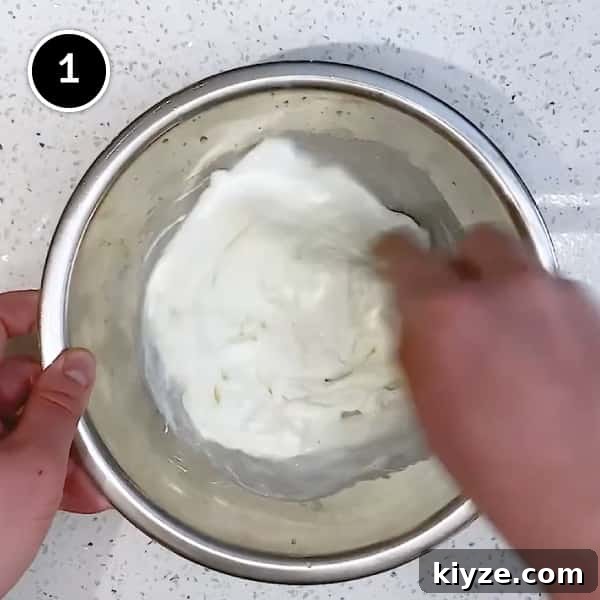
- Garlic yogurt: Combine Greek yogurt, crushed garlic, lemon juice and a pinch of salt. Whisk until smooth and refrigerate while you prepare the other components.
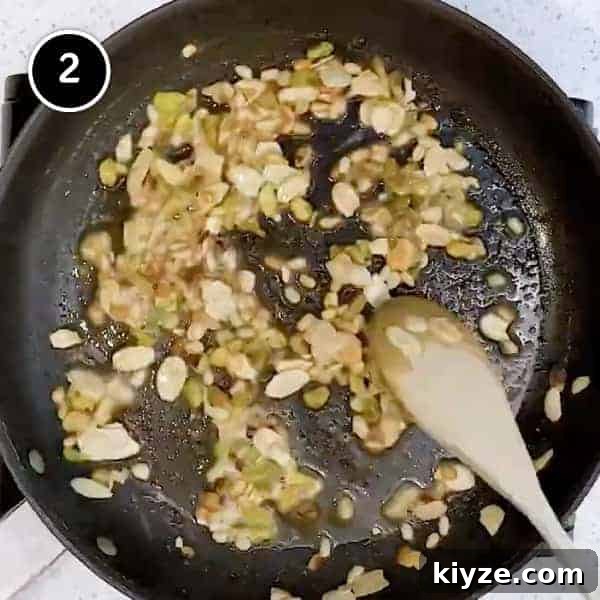
- Toast the nuts: Melt butter in a small pan, add sliced almonds, pistachios and pine nuts and fry briefly until lightly golden. Transfer to paper towel to cool.
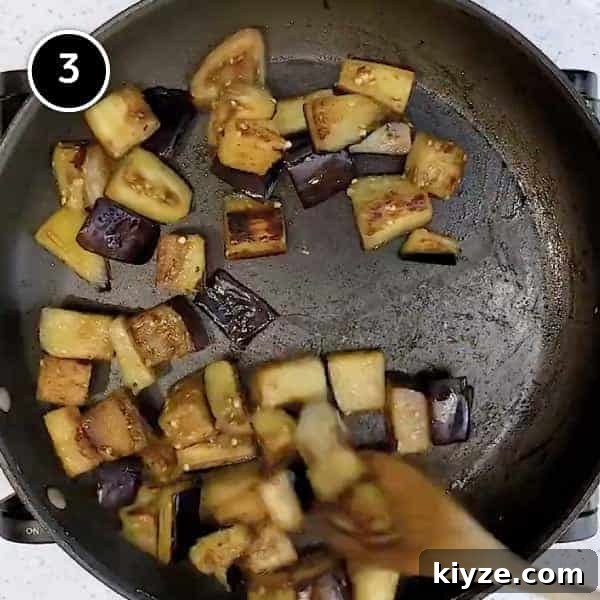
- Cook the eggplant: Heat olive oil, add cubed eggplant and a little salt and pan-fry, stirring regularly, until the pieces are browned and tender. Remove and set aside.
- Start the lamb: In the same pan, add olive oil and cumin seeds; when they sizzle, add sliced onions and cook until soft and golden. Add garlic and cook briefly.
- Add and brown the lamb: Add the ground lamb and break it up with a spoon as it browns. Cook until the lamb is evenly browned.
- Spice it up: Stir in ground cumin, coriander, paprika, allspice and cinnamon, along with salt and pepper. Cook for a few minutes to toast the spices.
- Combine: Return the eggplant to the pan, add the toasted nuts and chopped parsley, then stir in pomegranate molasses and lemon juice. Heat through for a couple of minutes, taste and adjust seasoning.
- Prepare the flatbreads: Tear flatbreads into bite-sized pieces, toss with olive oil and bake at 180ºC/350ºF for 15–20 minutes until crisp and golden.
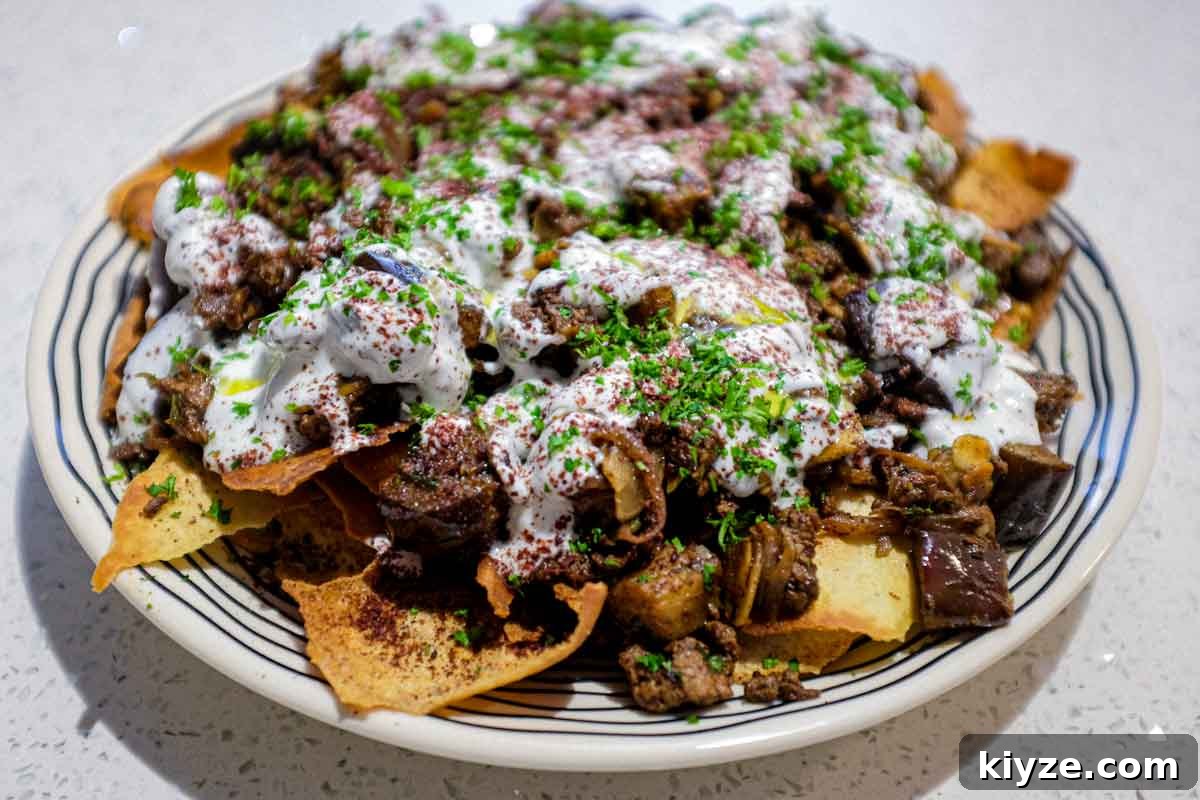
- Assemble the fatteh: Layer the crispy flatbreads on a large platter, spoon over the lamb and eggplant mixture, drizzle generously with garlic yogurt, then scatter with parsley and sumac and finish with a little extra virgin olive oil.
Serving & Storage Suggestions
- Serve immediately after assembly for the best texture—crispy flatbreads will soften if the dish sits for long.
- You can prepare components in advance: refrigerate the garlic yogurt and the lamb mixture in covered containers for 4–5 days. Reheat the lamb before serving and crisp the bread just before assembling.
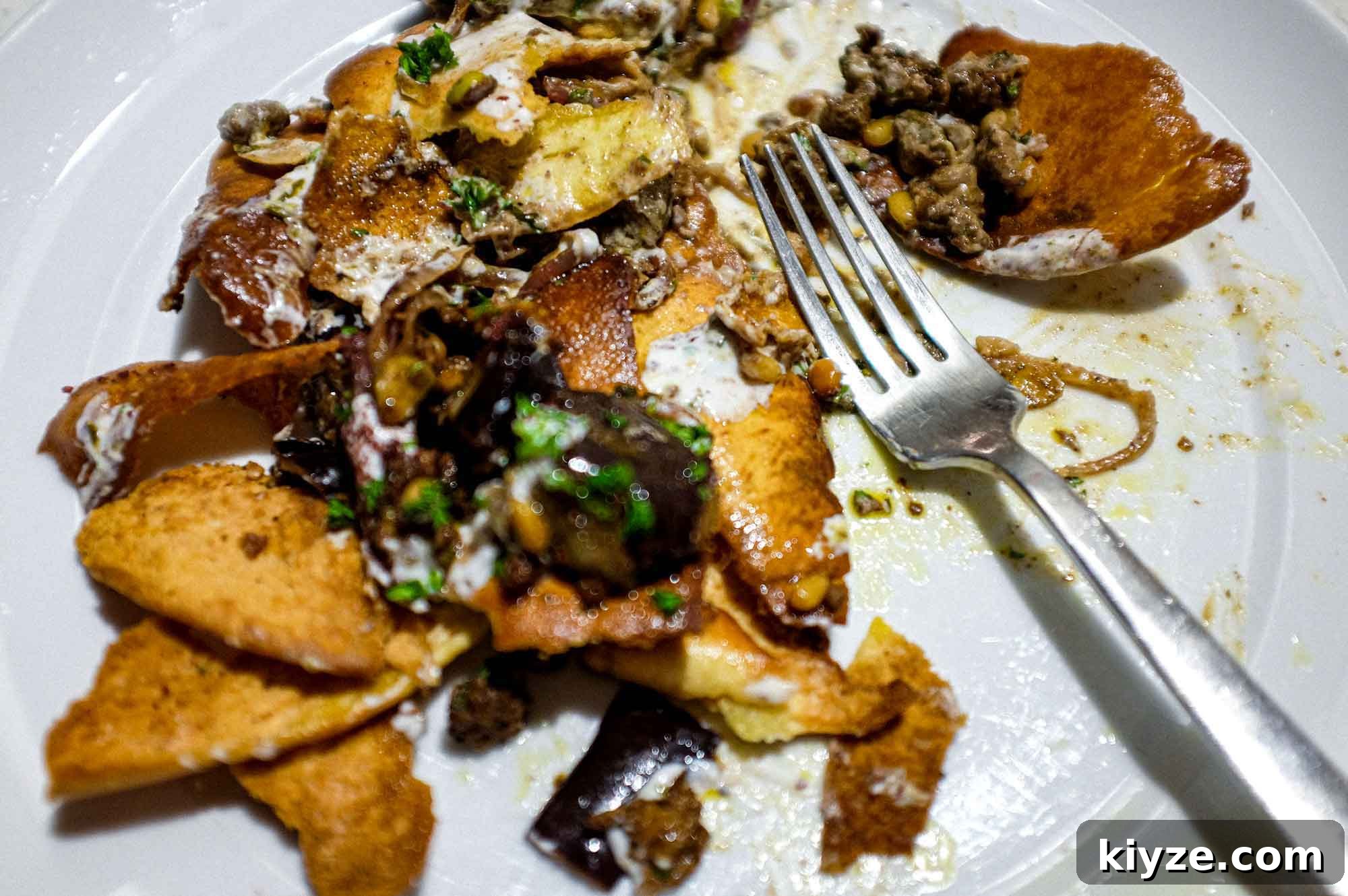
- Leftover assembled fatteh is not ideal, as the bread loses crunch. If you must store leftovers, keep elements separate and combine only when ready to serve.
This dish is ideal for communal dining and usually needs nothing more than a simple green salad alongside.
Ready to get cooking?
This lamb and eggplant fatteh is a crowd-pleaser: charismatic on the table, layered with complementary flavours and textures, and ideal for sharing. It rewards a little prep work with an impressive result. Give it a try for your next gathering — the combination of spiced lamb, sweet-tart pomegranate and crunchy flatbread is hard to resist.
Any Questions? (FAQ)
If you have questions about preparing fatteh or want help with substitutions, leave a note in the comments and I’ll try to help.
Fatteh comes from the Levant region of the Middle East — traditionally enjoyed in countries such as Lebanon, Syria, Palestine and Jordan. It has deep roots and many local variations.
What are the main types of fatteh?
Variations include Levantine fatteh with toasted pita, chickpeas and yogurt; Egyptian fatteh with rice or pasta and tomato-based sauce; Palestinian and regional versions that add meat, grilled vegetables or tahini-based sauces. Each version highlights local ingredients and tastes.
What does “fatteh” mean in Arabic?
The term roughly refers to pieces or fragments—appropriate for a dish built from torn, toasted flatbreads layered with toppings.
This recipe page includes affiliate relationships that may provide a small commission at no extra cost to you.
Lamb & Eggplant Fatteh
Ingredients
For the garlic yoghurt
- 4 tbsp Greek yoghurt
- 1 tsp crushed garlic
- Juice of ½ lemon
- ½ tsp salt
For the fried nuts
- ⅓ cup sliced almonds
- ⅓ cup shelled pistachios
- ⅓ cup pine nuts
- 1 tbsp unsalted butter
For the eggplant
- 3 tbsp olive oil
- 1 eggplant, cubed
- ½ tsp salt
For the lamb
- 2 tbsp olive oil
- 1 tsp cumin seeds
- 2 red onions, halved and thinly sliced
- 3 garlic cloves, finely chopped
- 1.5 lb (about 700g) ground lamb
- 1 tsp ground cumin
- 1 tsp ground coriander
- 1 tsp paprika
- 1 tsp allspice
- 1 tsp ground cinnamon
- 1 tsp salt
- ¼ tsp black pepper
- ½ cup finely chopped parsley
- 2 tbsp pomegranate molasses
- Juice of ½ lemon
Other ingredients
- Fresh parsley for garnish
- 1 tbsp sumac
- Extra virgin olive oil for finishing
- 2–3 flatbreads, torn and baked until crisp
Instructions
To make the garlic yoghurt
- Mix together the yoghurt, crushed garlic, lemon juice and salt and set aside.
To make the nuts
- Heat butter in a pan, add the nuts and fry until lightly golden. Drain on paper towels and set aside to cool.
To make the eggplant
- Heat oil in a pan, add cubed eggplant and salt and cook for 8–10 minutes until browned and softened. Remove and set aside.
To make the lamb
- Heat oil in a pan, add cumin seeds to sizzle, then add sliced onion and cook until golden. Add garlic and cook briefly.
- Add ground lamb and break up as it browns, about 8 minutes.
- Stir in ground spices, salt and pepper and cook a few minutes more.
- Add the eggplant, nuts and parsley, then pour in pomegranate molasses and lemon juice. Stir and heat through for 2–3 minutes, then remove from the heat.
To make the flatbreads
- Preheat the oven to 180ºC / 350ºF. Tear flatbreads into pieces, toss with olive oil and bake for 15–20 minutes until crisp.
Assemble the fatteh
- Arrange crispy flatbreads on a platter, spoon over the lamb and eggplant mixture, drizzle with garlic yoghurt, then scatter parsley and sumac and finish with a little extra virgin olive oil.
Nutrition
Per serving (approx.): Calories 602 • Carbs 19g • Protein 24g • Fat 49g • Fiber 5g