Here’s how to plant kale so you can harvest fresh bunches all season long!
Also read: When to Plant What, Planning your Garden, Freezing Kale
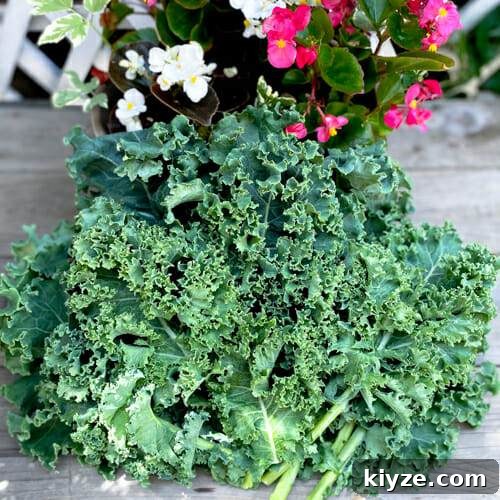
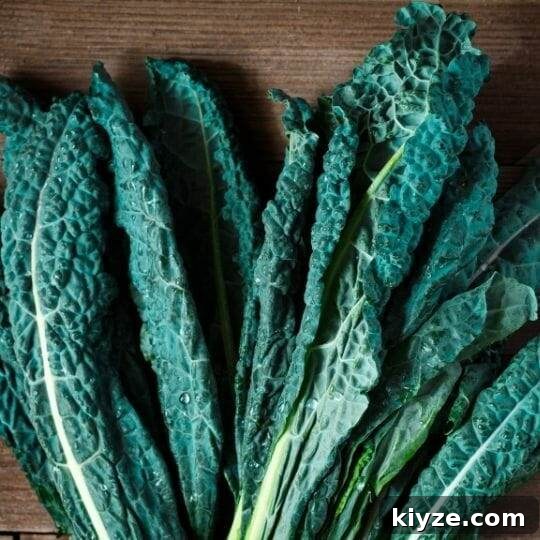
Kale comes in several varieties. Planting a mix of colours and textures keeps both the garden and the dinner plate interesting.
Kale is a Cool-Weather Crop
Kale prefers cool temperatures and performs best in the shoulder seasons: spring to early summer and late summer to fall. In many temperate regions that translates to planting from spring through early July and again from late August into October.
While kale will grow in summer, high heat often reduces its sweetness, makes leaves tougher, slows growth and can attract pests such as aphids, flea beetles and cabbage moths. For the best flavour and texture, consider two plantings—one in early spring and another in late summer for a fall harvest. Another option is to plant in spring and pause harvesting over the hottest weeks, resuming as temperatures cool. This approach works well if you have plenty of other summer vegetables to enjoy.
How and When to Plant Kale
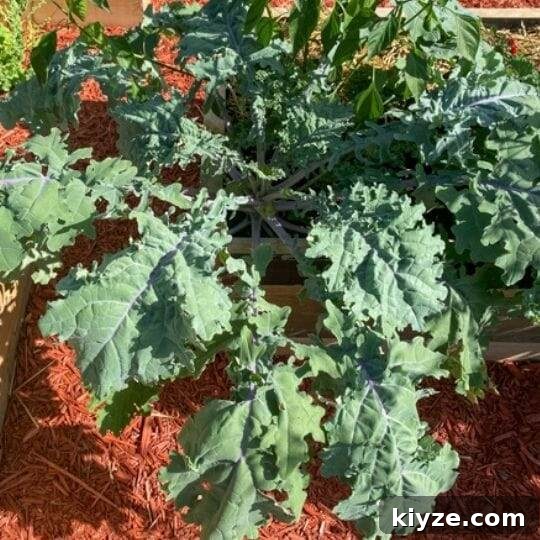
Choose your favourite varieties and get planting early in the season. Kale can be direct-seeded or started indoors and transplanted out. Both methods work well.
Direct Seeds or Transplants
Direct seeding — expect harvest in about 50–75 days from sowing.
Transplants — expect harvest in about 30–40 days after planting outside.
When to Start Kale — Inside and Outside
Seeding indoors — start seeds about 6–8 weeks before the last frost date in your area.
Seeding outdoors — direct seed 2–4 weeks before the last frost.
Planting transplants — harden seedlings off by setting them outside for progressively longer periods over five to seven days so they adjust to sun, wind and temperature changes. Transplant about 2–4 weeks before the last frost, watching local forecasts. Kale tolerates light frost, but protect young plants if nights dip to −4 to −6°C or colder.
If you monitor soil temperature, aim for roughly 10–30°C (50–85°F) for best establishment.
Days to Germination
Kale typically germinates in 7–10 days.
Days to Maturity
Direct-seeded kale: 50–75 days depending on variety. Transplants: 30–40 days after planting outside.
Where to Plant
Full sun is ideal, though kale tolerates some afternoon shade—especially helpful during hot spells.
Soil Preference
Kale thrives in fertile, well-drained soil. Work compost into planting holes for transplants and use mulch to conserve moisture and regulate soil temperature.
Seed Spacing
Sow seeds about 1″ (2.5 cm) apart. Later thin seedlings to about 12″ (30 cm) apart so each plant has room to develop; pulled seedlings are perfect for salads. Space transplants 12″ (30 cm) apart.
Depth of Seed or Seedlings
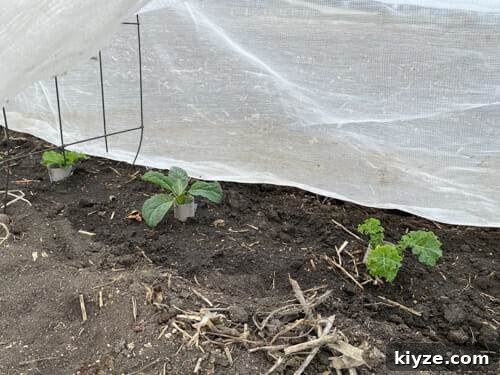
Plant seeds about 1/4″ (6 mm) deep and gently firm the soil. Set transplants so the soil reaches the bottom of the first true leaves.
Row Spacing
Space rows 18–24″ (45–60 cm) apart.
Companion Planting
Good neighbours: chamomile, dill, mint, rosemary, sage. Avoid planting kale near eggplants, peppers, potatoes or tomatoes.
Special Tips for Planting Kale
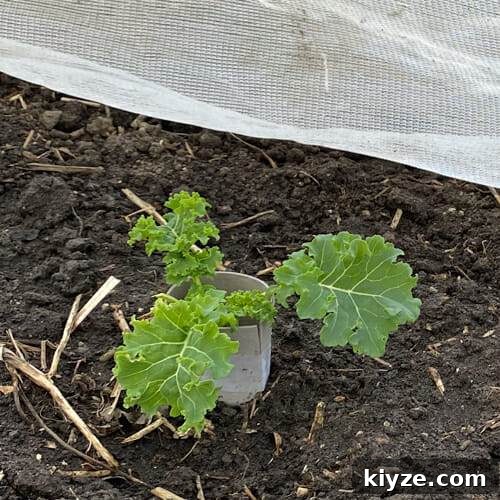
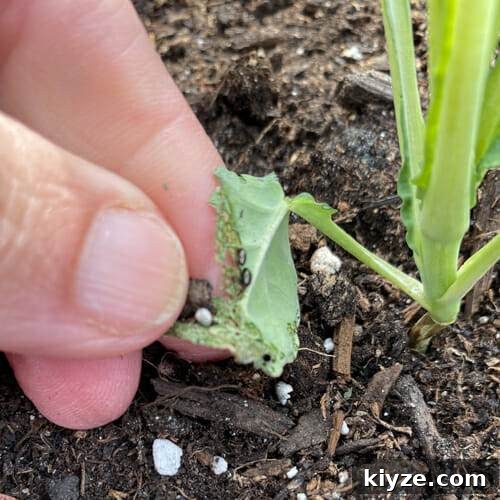
- Kale is in the brassica family and attracts pests like flea beetles and cabbage moths. Lightweight row covers or tightly woven netting are effective barriers that let light and rain through while keeping insects out. Thrifted sheer curtains can serve as a budget option; ensure covers are sealed at the edges.
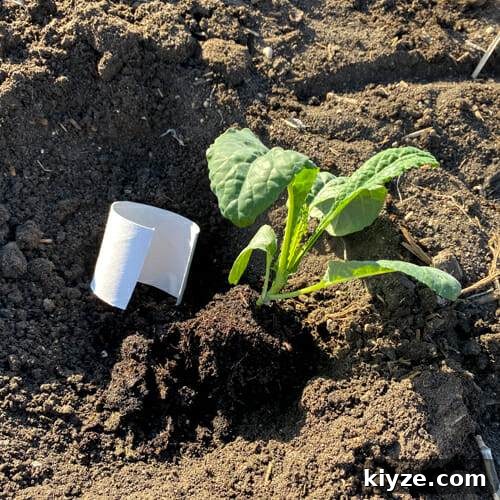
- Protect young stems from cutworms by placing collars around the base of seedlings. Simple paper or cardboard tubes pressed slightly into the soil work well early in the season.
- Keep seeds and young plants consistently moist for steady growth; natural spring rains can help, but supplemental watering may be needed in dry spells.
- Add compost to the soil to boost fertility and structure—kale responds well to nutrient-rich ground.
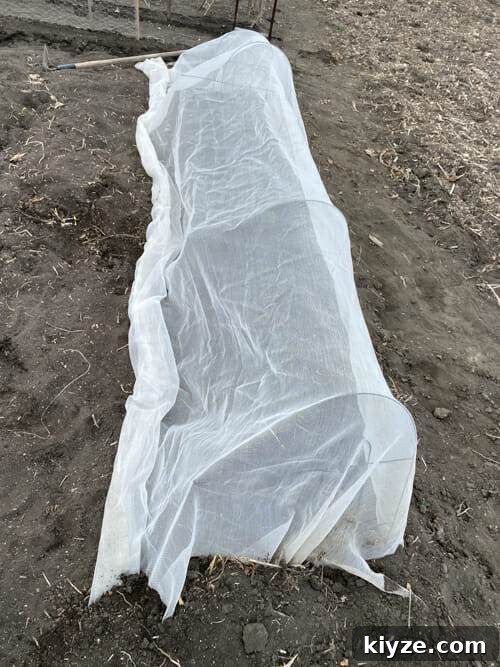
Below is an example of a bed of kale protected under a row cover—sealed sides keep pests out while allowing the plants to grow.
Are you growing kale this season? Do you have a favourite variety or recipe? Share ideas and photos on social channels or in your garden notes.
Getty Stewart is a Professional Home Economist, speaker and writer focused on practical ways to enjoy seasonal food. She gardens, preserves and teaches simple approaches to cooking with fresh ingredients.