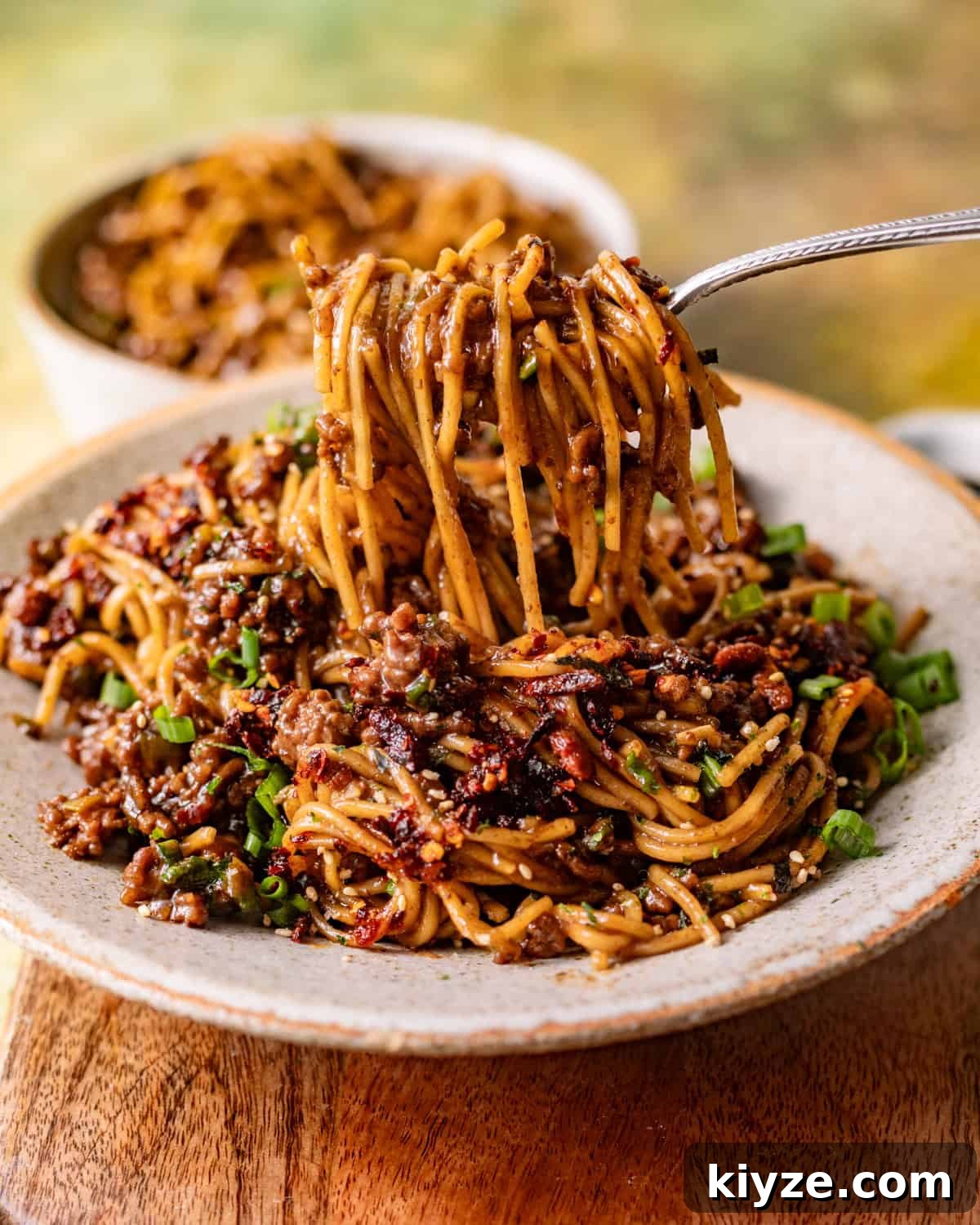
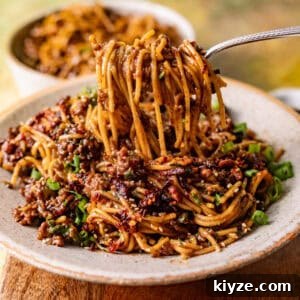
These Mongolian Ground Beef Noodles are full of bold, balanced flavor. Crispy browned ground beef combines with tender lo mein noodles and a glossy sweet-and-savory garlic-ginger sauce that coats every bite. The recipe takes under 30 minutes and uses simple pantry ingredients, making it ideal for busy weeknights.
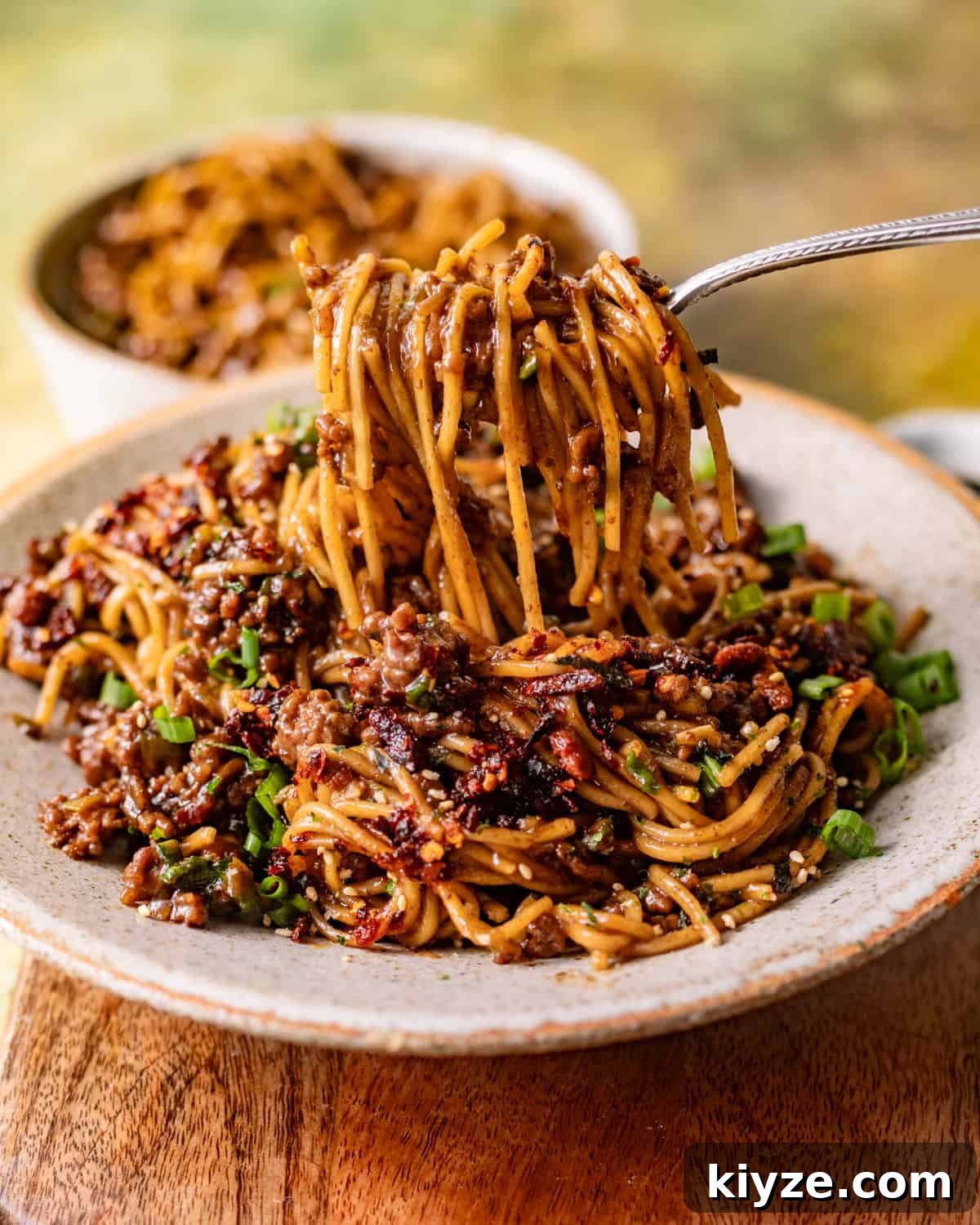
This is the kind of dinner you make when you want big flavor and minimal cleanup. The savory-sweet sauce, garlicky ginger notes, and tender noodles deliver restaurant-style taste with very little fuss.
Mongolian Ground Beef Noodles: Quick Overview
- Prep Time: 8 mins
- Cook Time: 20 mins
- Ready In: 28 mins
- Serves: 4
- Cook Method: Skillet-browned beef, pan-tossed noodles
- Flavor Profile: Savory-sweet, garlicky with fresh ginger
- Difficulty: Very easy
Summarize & Save this Content on:
If you want more quick weeknight dinners, try my steak fried rice or crispy chili beef for similar fast, flavorful meals.
Table of contents
- Mongolian Ground Beef Noodles: Quick Overview
- Key Ingredients
- Substitutions and Variations
- How To Make Mongolian Beef Noodles
- Quick Pro Tips
- Serving Suggestions
- Recipe FAQs
- More Asian Inspired Recipes
Key Ingredients
(full ingredient list is in the recipe card below)
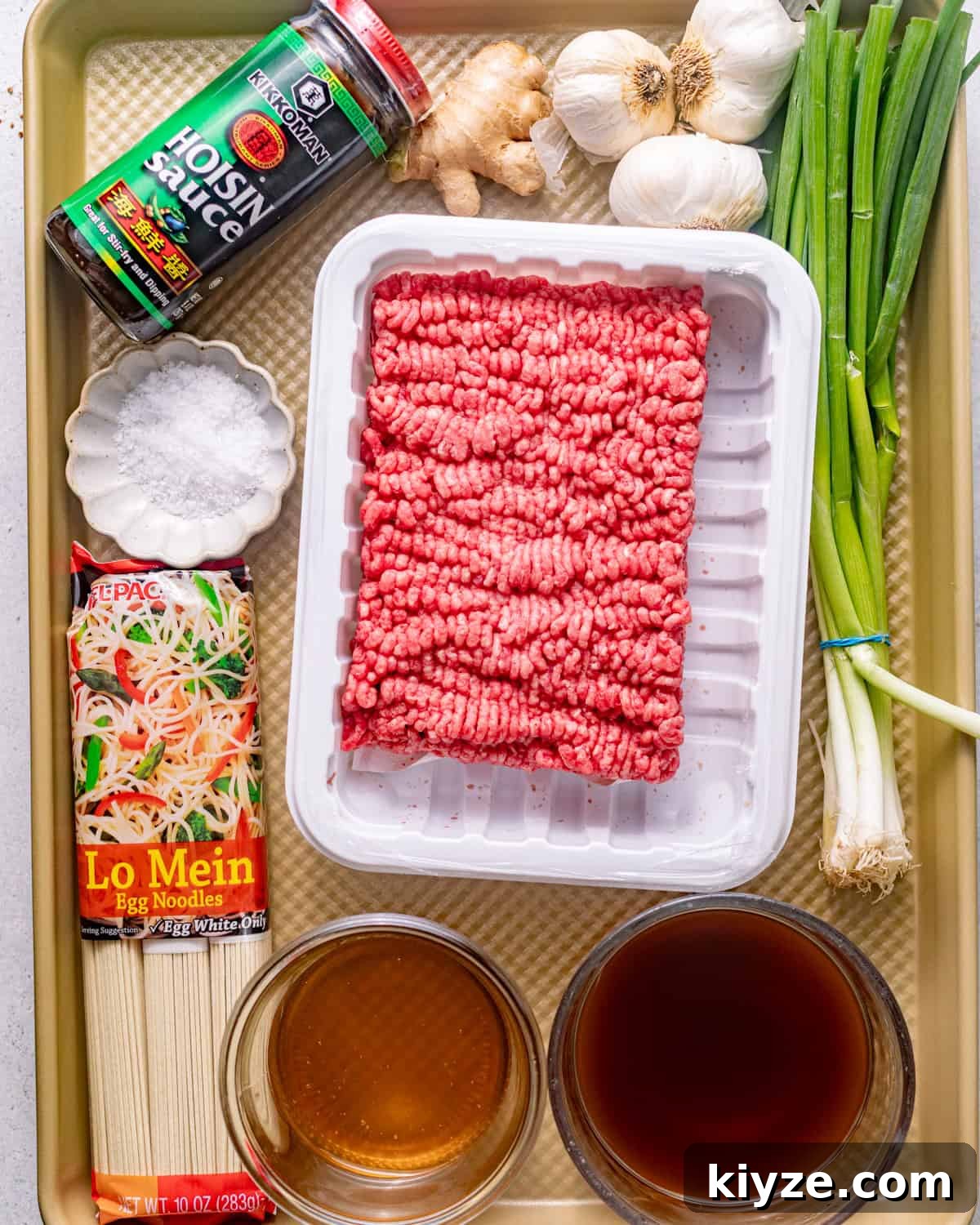
- Ground beef — cooks quickly, absorbs the sauce, and gives rich savory flavor.
- Soy sauce — adds salty umami depth.
- Fresh ginger — provides warm, bright bite that balances richness.
- Hoisin sauce — contributes the salty-sweet base typical of Mongolian-style dishes.
- Honey — balances salt, helps the sauce caramelize, and adds shine.
- Lo mein noodles — soft and chewy, ideal for soaking up the sauce.
- Cornstarch — thickens the sauce so it coats beef and noodles rather than pooling.
Substitutions and Variations
- Noodles: rice noodles, ramen, udon, or even linguine can work.
- Sweetener: brown sugar can replace honey (use about 1/2 cup as a guide).
- Protein: swap ground turkey or chicken for ground beef for a lighter option.
- Gluten-free: use gluten-free noodles and tamari or coconut aminos instead of soy sauce.
How To Make Mongolian Beef Noodles
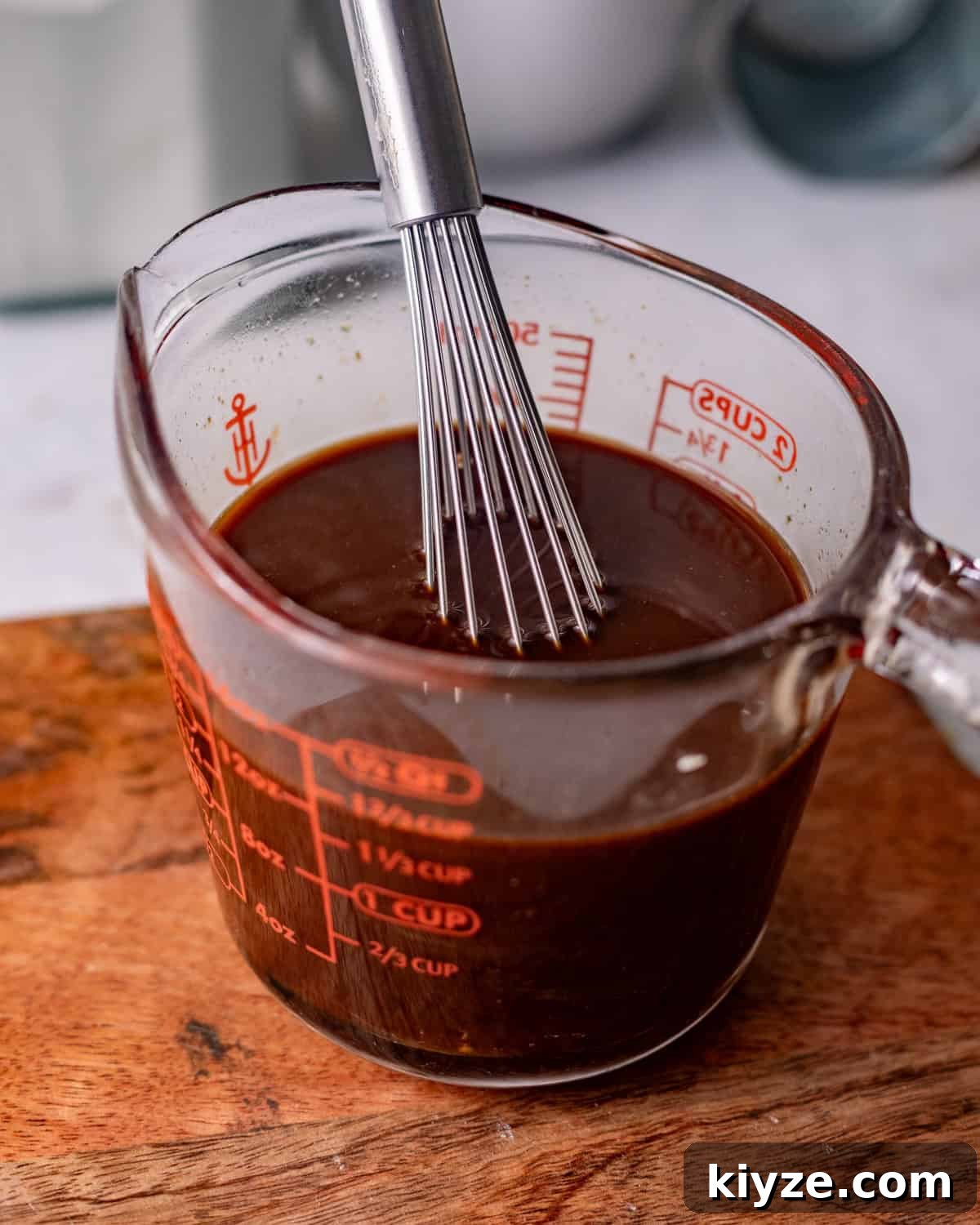
Step 1: Whisk the sauce ingredients (soy sauce, beef broth, beef bouillon, hoisin, honey, red pepper flakes, cornstarch) in a bowl until smooth and set aside.
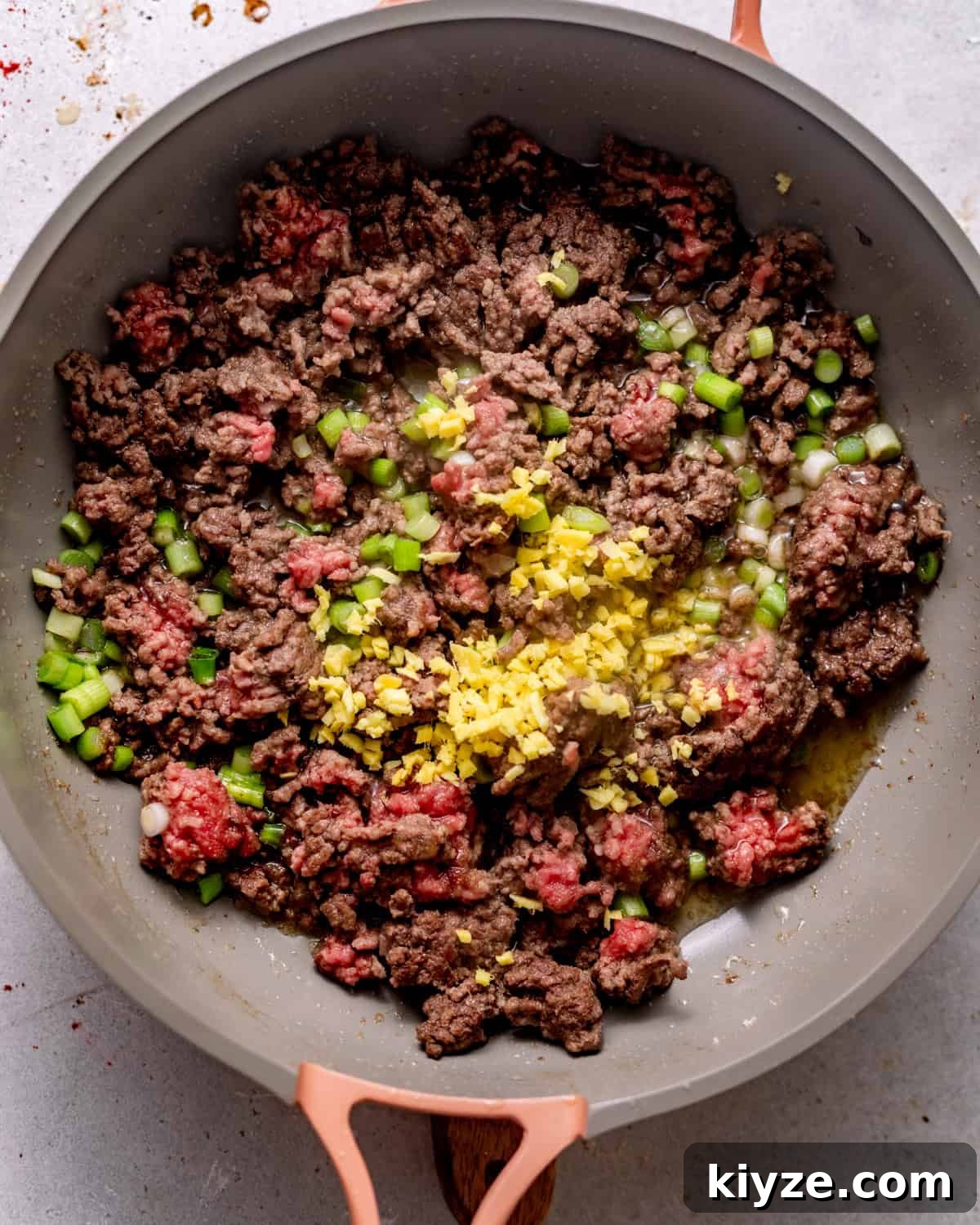
Step 2: In a large skillet over medium-high, brown the ground beef with the white part of the scallions for 2–3 minutes. Add onion powder, minced ginger, garlic, salt, and pepper; cook until beef is no longer pink. Pour in the sauce and simmer until it thickens, stirring frequently.
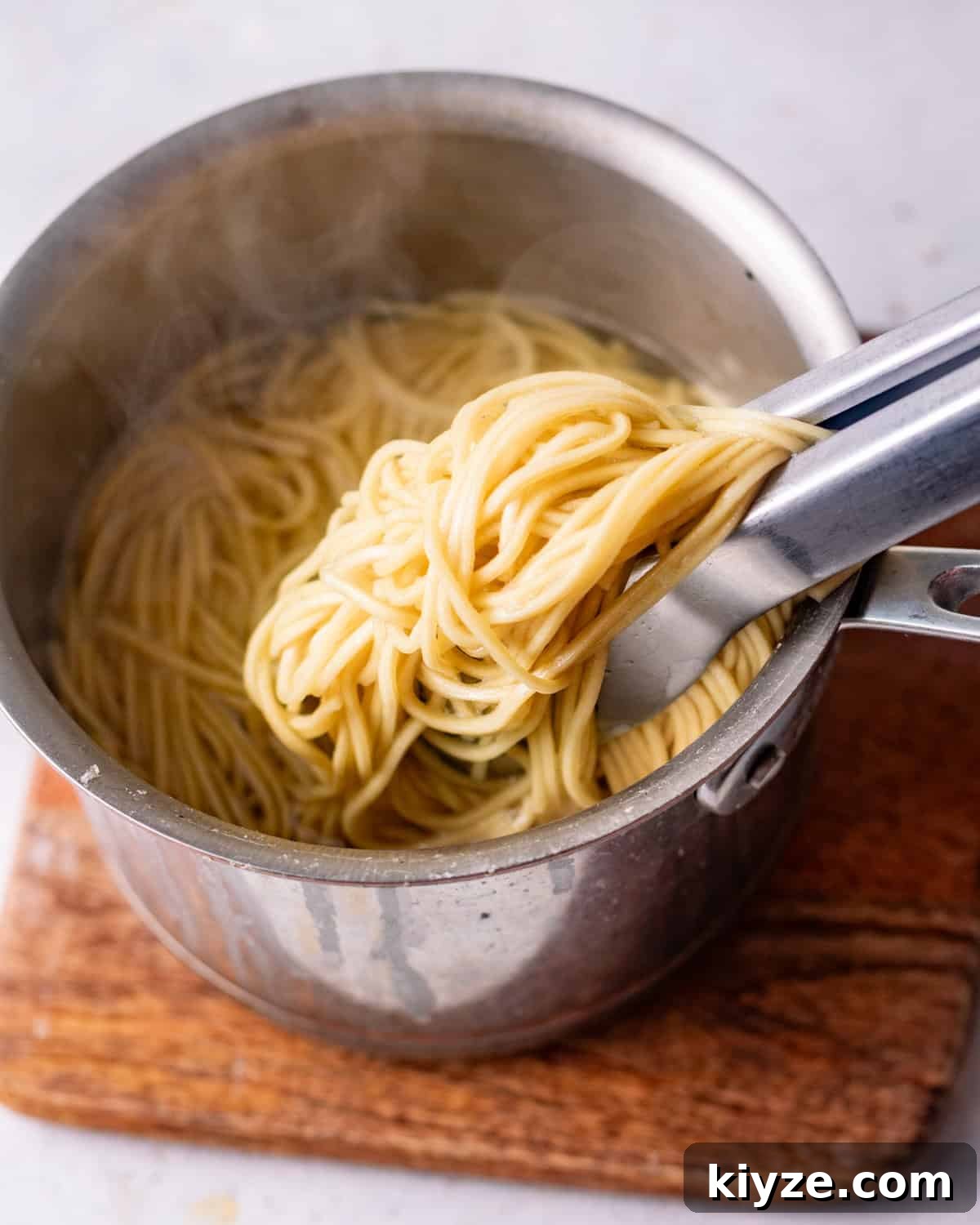
Step 3: While the beef simmers, bring a pot of water to a boil and cook lo mein noodles according to package directions until al dente; drain well.
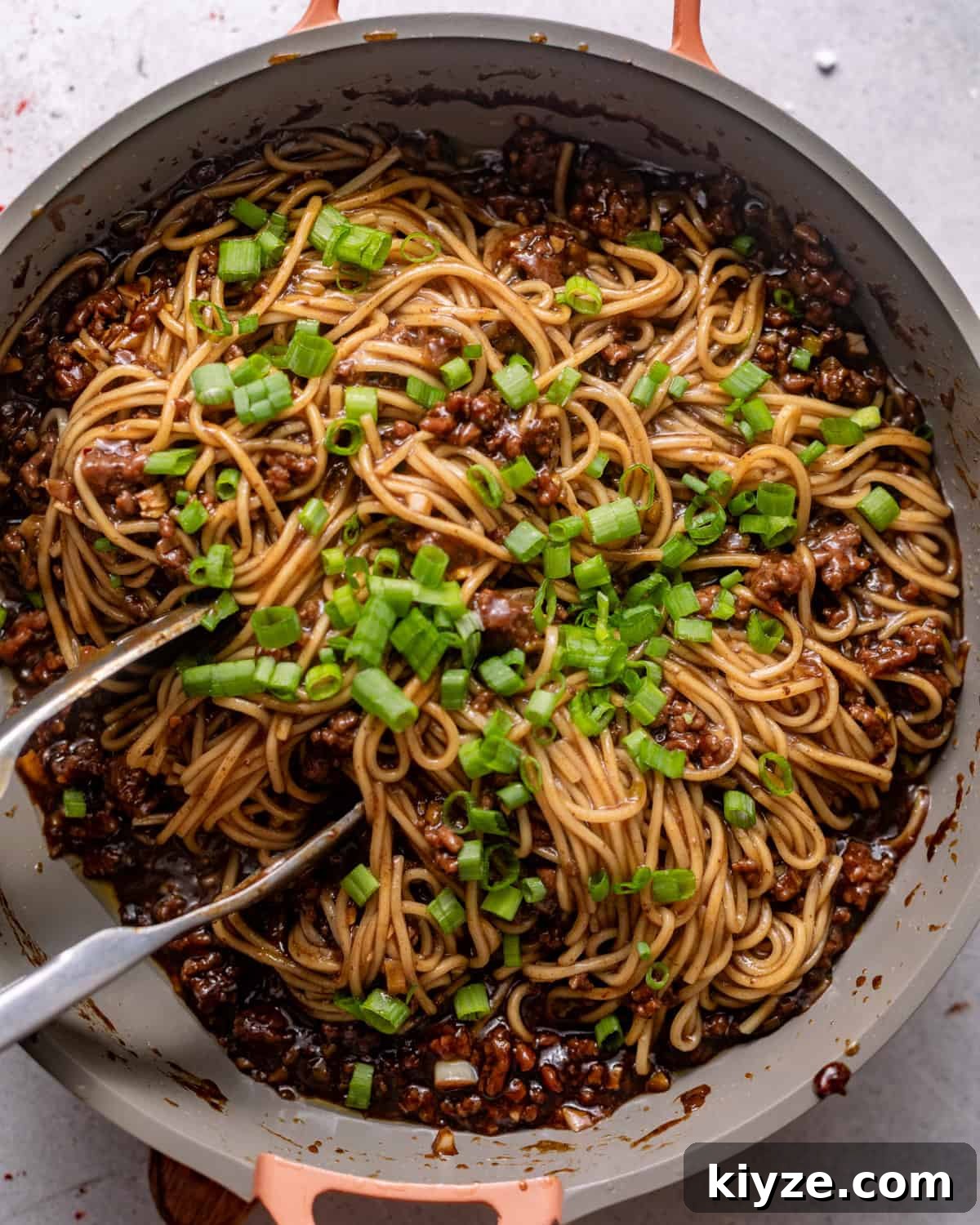
Step 4: Toss the drained noodles into the skillet so they get fully coated with the thickened sauce. Finish with chopped green scallions and a sprinkle of sesame seeds.
Quick Pro Tips
- Minced aromatics: Chop ginger and garlic finely so the sauce is smooth, not chunky.
- Cook noodles last: Drain and add them right to the sauce so they don’t stiffen from excess starch.
- Don’t overcook noodles: Aim for al dente so they finish cooking in the sauce without becoming mushy.
- Taste and adjust: Add more soy for depth, a touch more honey for sweetness, or a splash of water if the sauce is too thick.
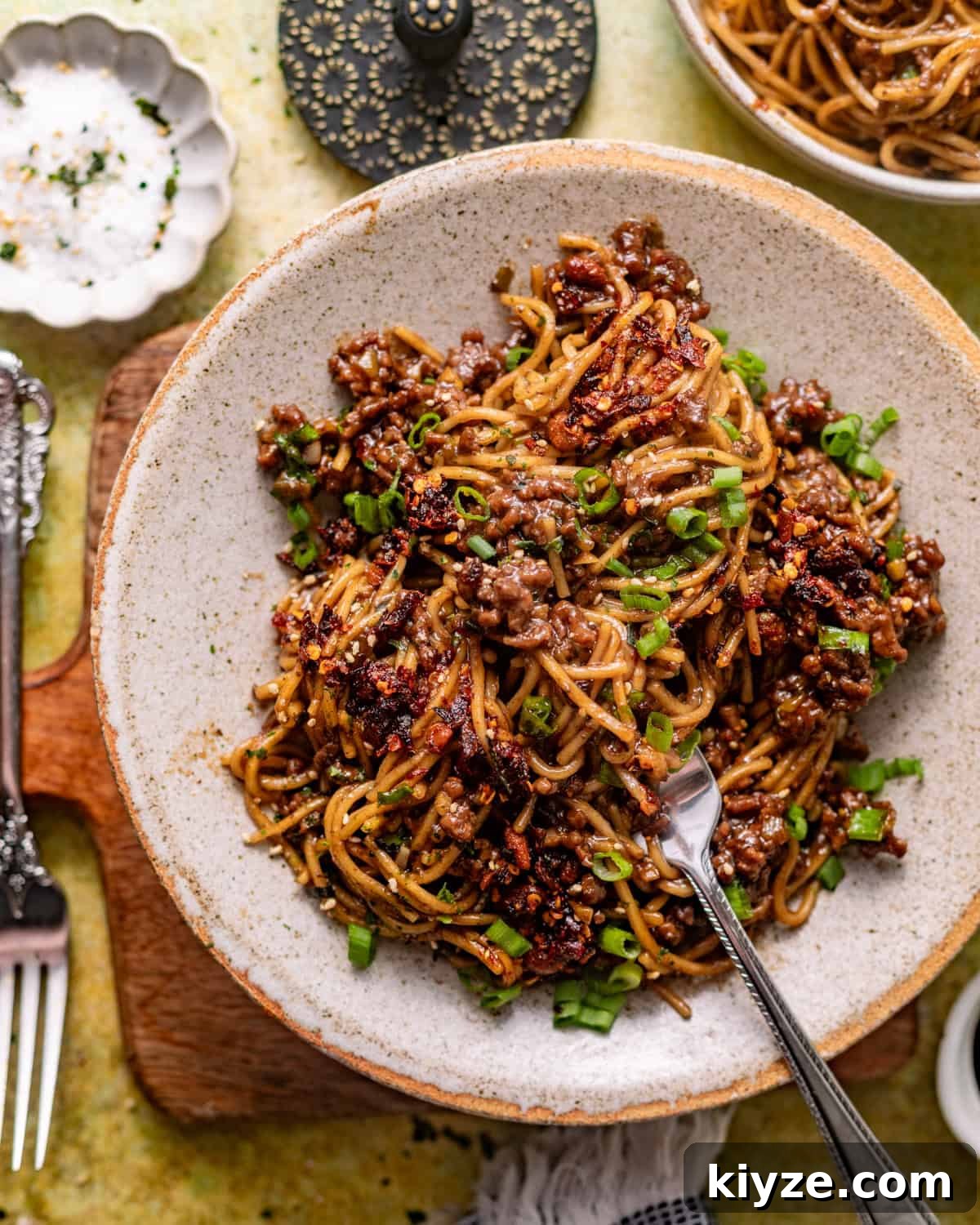
Serving Suggestions
Pair these noodles with fresh, crunchy sides to balance the rich sauce: a simple green salad, crunchy fried tofu, or steamed broccoli are all excellent choices. For a takeout-style spread, serve with egg rolls and miso soup.
Recipe FAQs
Lo mein or rice noodles work best, but udon, ramen, or even linguine can be used. Choose a noodle that holds sauce without becoming mushy.
This is a Mongolian-inspired, takeout-style noodle dish. The flavor profile—soy, garlic, ginger, hoisin, and honey—mirrors the sweet-savory notes associated with Mongolian-style recipes, though it is not traditional Mongolian cuisine.
Yes. Bell peppers, broccoli, snap peas, shredded carrots, or extra scallions are all great additions and pair well with the sauce.
Store leftovers in an airtight container in the refrigerator for 3–4 days. Reheat gently on the stovetop or microwave with a splash of water to loosen the sauce.
More Asian Inspired Recipes
Main Course
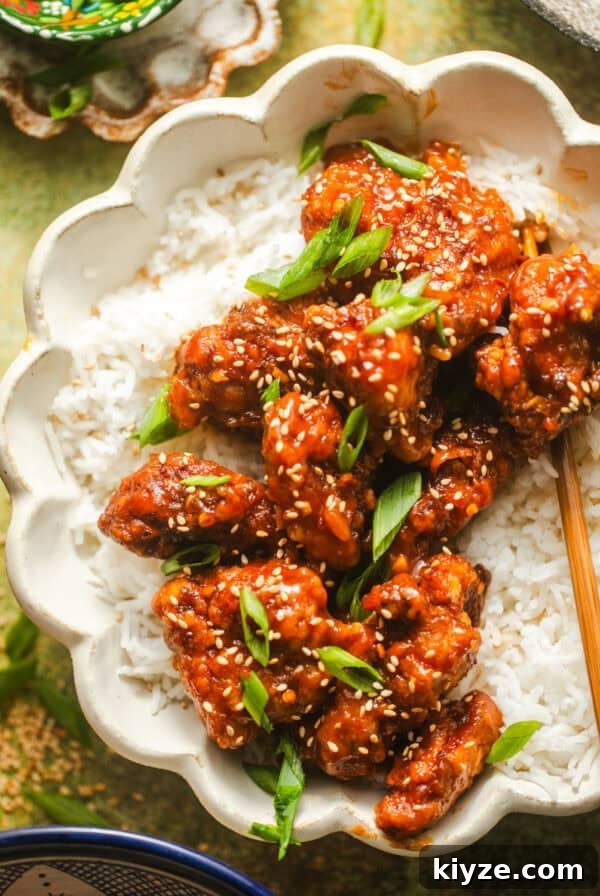
Orange Chicken with Rice
Main Course
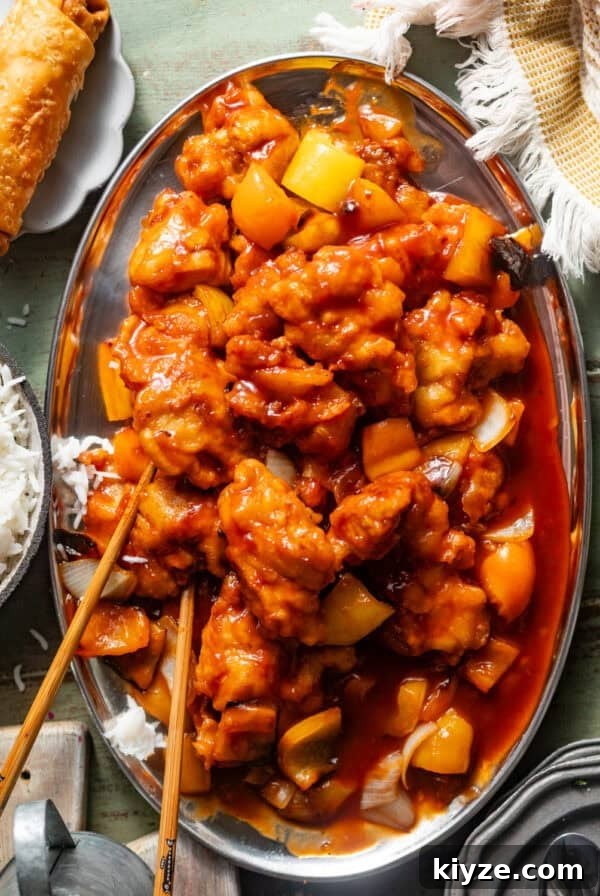
Sweet and Sour Chicken
Main Course
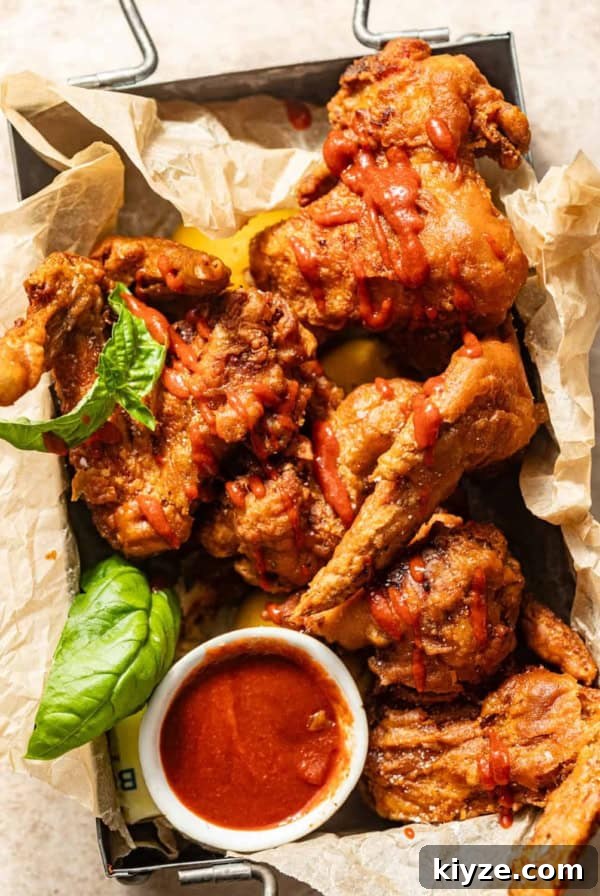
Chinese Fried Chicken Wings
Main Course
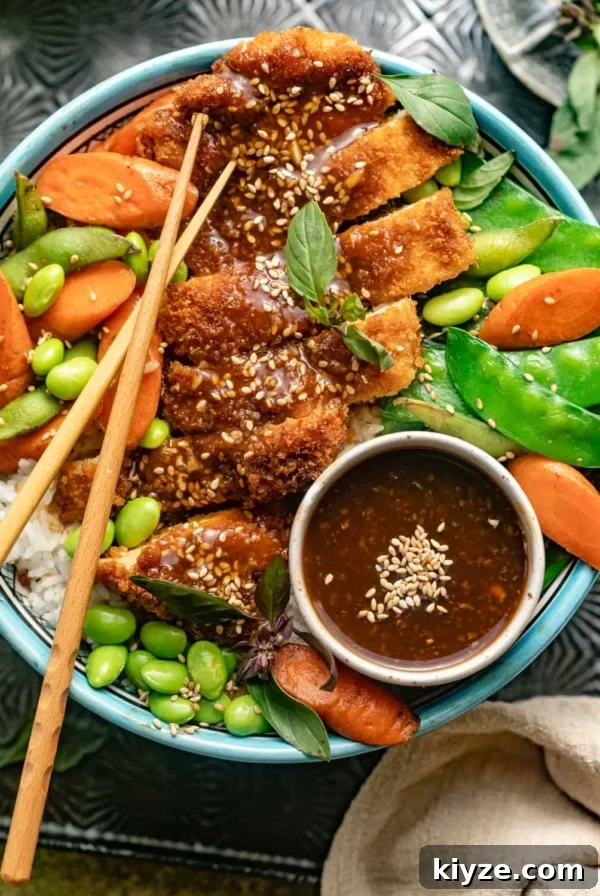
Teriyaki Chicken Bowl
Want more recipes? Subscribe to the newsletter to receive seasonal recipes and updates.
If you make this dish, please leave a rating and comment on the recipe card below—and share photos on Instagram so the author can see your creations.
Mongolian Ground Beef Noodles
Equipment
- Large skillet
- Mixing bowls
Ingredients
- 1 lb ground beef (80/20 recommended)
- 2 tsp onion powder
- 1 tbsp fresh ginger, peeled and minced
- 5 cloves garlic, minced
- Salt and black pepper, to taste
- 10 oz lo mein noodles
- 1 bunch scallions (separate whites and greens)
- Sesame seeds, for garnish
Sauce Ingredients
- 1/2 cup soy sauce
- 1/2 cup beef broth (or water)
- 1/2 tsp beef bouillon
- 3 tbsp hoisin sauce
- 1/3 cup honey
- 1 tsp red pepper flakes (optional)
- 2 tbsp cornstarch
Instructions
- Whisk the sauce ingredients in a medium bowl until smooth and the cornstarch is fully incorporated; set aside.
- Chop scallions and separate the white bottoms from the green tops.
- In a large skillet over medium-high heat, cook ground beef with the white scallion pieces for 2–3 minutes, breaking meat apart. Add onion powder, ginger, garlic, salt, and pepper and cook until no longer pink, about 7–10 minutes.
- Pour in the sauce and simmer, stirring frequently, until it thickens, about 5–7 minutes.
- While the sauce cooks, boil lo mein noodles until al dente, drain, and add them to the skillet. Toss so noodles are well coated. Top with chopped green scallions and sesame seeds and serve.
Video
Notes
- Mince ginger and garlic finely so the sauce stays smooth.
- Cook noodles last and add them directly to the sauce to prevent them from drying out or stiffening.
- Cook noodles to al dente so they finish in the sauce without becoming mushy.
- Taste and adjust at the end: more soy for depth, more honey for sweetness, or a splash of water if the sauce is too thick.
Nutrition
Nutrition information is an approximation.