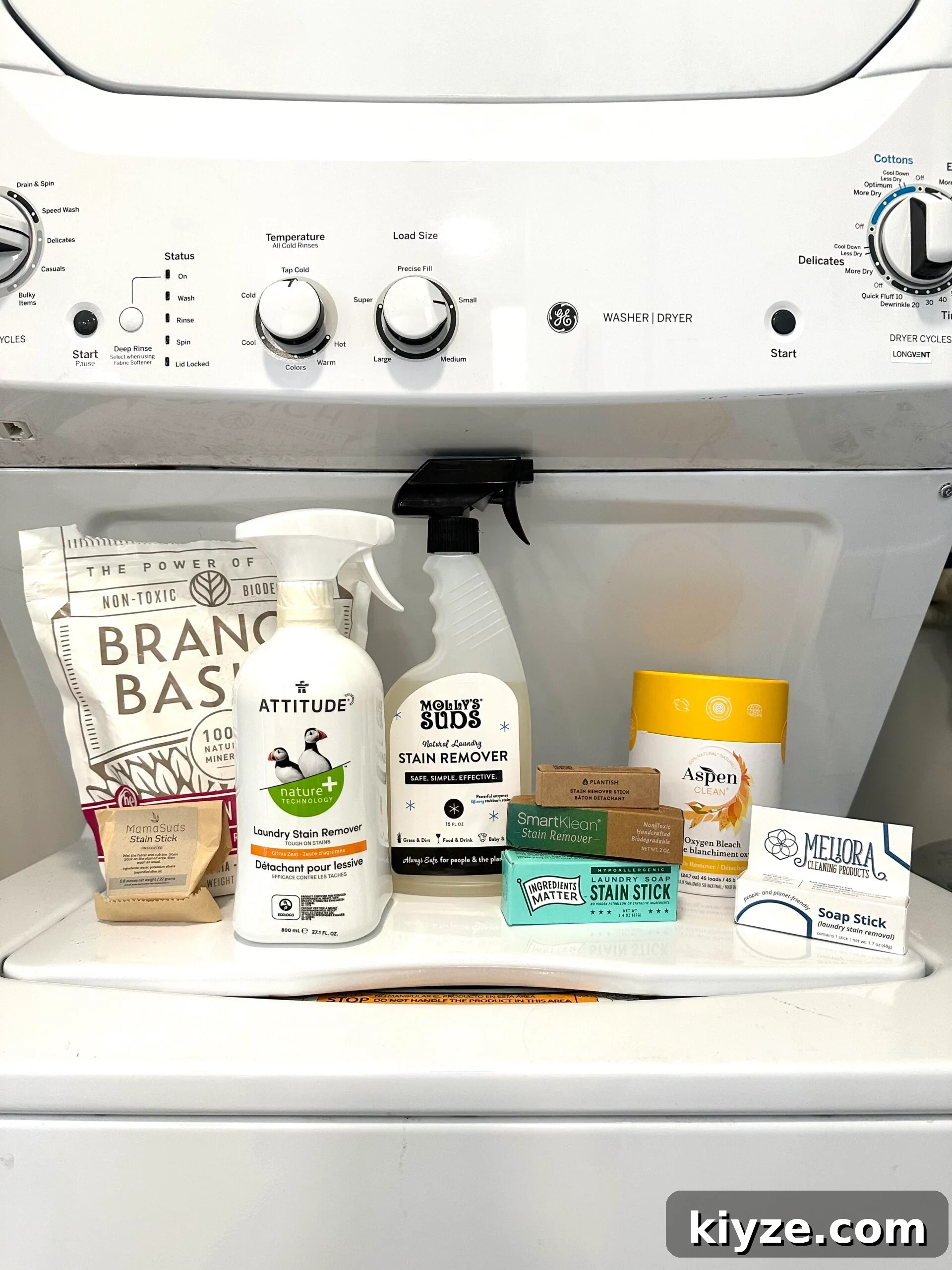
We’ve all faced it: a stubborn stain on a favorite shirt, peanut butter smeared on a child’s new clothes, or muddy paw prints across the carpet. Stains are persistent—but you don’t need harsh chemicals to remove them. Natural, non-toxic stain removers can be effective and safer for your family and the environment.
This guide explains why choosing non-toxic stain removers matters, which ingredients to avoid, and which natural stain removers consistently perform well. We tested a range of products—from zero-waste sticks to powders and sprays—and summarize what worked best and why.
Table of Contents
- Why Choose a Non-Toxic Stain Remover?
- 1. Unspecified fragrance
- 2. Isothiazolinone preservatives
- 3. Ethoxylated ingredients
- 4. Optical brighteners
- 5. Unspecific & hard to find ingredients
- What to Look for in a Non-Toxic or Natural Stain Remover
- 9 Safe, Natural, & Non-Toxic Stain Removers for Tackling Tough Stains in 2024
- 1. Meliora’s Stain Stick
- 2. Branch Basics Oxygen Boost Powder + Concentrate Spray
- 3. ATTITUDE Spray Stain Remover
- 4. AspenClean
- 5. Molly’s Suds
- 6. Ingredients Matter
- 7. SmartKlean
- 8. Plantish
- 9. MamaSuds
- DIY Stain Remover Spray
- Can vinegar remove stains?
- Can baking soda remove stains?
- Can hydrogen peroxide remove stains?
- It Is Possible to Remove Stains Naturally
Why Choose a Non-Toxic Stain Remover?
Non-toxic stain removers clean fabrics and surfaces without exposing your family or the environment to potentially harmful chemicals. Conventional stain removers often contain blends of ingredients that can trigger allergies, disrupt hormones, irritate skin, and in some cases have links to more serious health concerns. Regulatory transparency for cleaning products can be limited, so many conventional cleaners don’t list every ingredient.
When possible, prefer brands that disclose full ingredient lists or carry third-party certifications. Below are common ingredients and categories to avoid or scrutinize when choosing stain removers.
1. Unspecified fragrance
Many products use “fragrance” as a catch-all term that can hide hundreds or thousands of compounds. These hidden ingredients sometimes include allergens or endocrine-disrupting chemicals. If you’re concerned, choose fragrance-free products or companies that fully disclose fragrance components and have independent safety verification.
2. Isothiazolinone preservatives
Preservatives prevent microbial growth, but some—like methylisothiazolinone—can cause skin irritation or allergic reactions in sensitive people. If you or household members have sensitive skin or eczema, look for preservative-free or gentler-preserved formulations.
3. Ethoxylated ingredients
Ingredients made via ethoxylation (e.g., certain alcohol ethoxylates or polyethylene glycols) can be contaminated by byproducts such as ethylene oxide or 1,4-dioxane. These contaminants aren’t intentionally added and may not appear on labels, but they are a concern for long-term exposure. Choosing brands that test for and minimize these contaminants reduces risk.
4. Optical brighteners
Optical brighteners make fabric appear whiter by reflecting light rather than removing stains. They can irritate skin and eyes and may harm aquatic life when washed down the drain. If you want truly clean fabric without coating, avoid products that rely on optical brighteners.
5. Unspecific & hard to find ingredients
Some brands list ingredient categories like “surfactant” or “polymer” without naming the specific chemical. Transparency matters—especially for consumers with allergies or sensitivities. The brands we highlight below are generally transparent about their formulas.
What to Look for in a Non-Toxic or Natural Stain Remover
Effective non-toxic stain removers use safe, proven ingredients such as plant-based soaps, enzymes, oxygen-based bleaches, baking soda, or hydrogen peroxide. Look for products that are free of dyes, synthetic fragrances, phthalates, and other suspected harmful additives. Certifications like MADE SAFE or EWG verification are a helpful signal of ingredient scrutiny.
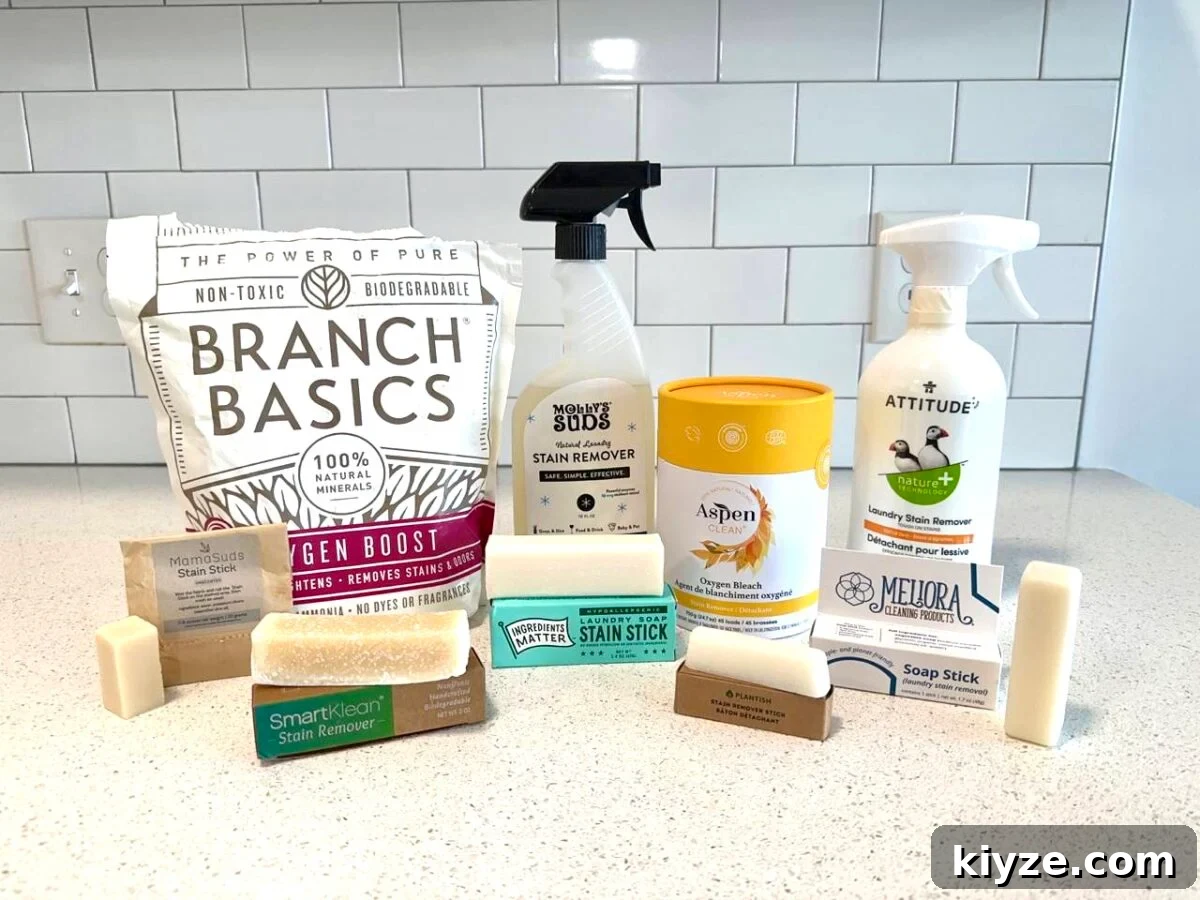
9 Safe, Natural, & Non-Toxic Stain Removers for Tackling Tough Stains in 2024
We selected nine non-toxic stain removers made with transparent, safer ingredients and then compared them in a simple at-home test. The test used nine distinct mascara smears on a pillowcase, allowed to set briefly, treated with each product per instructions, scrubbed with a toothbrush, then washed. Results showed all products performed reasonably well, with some differences in effort required.
- Branch Basics
- MamaSuds
- ATTITUDE
- Aspen Clean
- Meliora
- Plantish
- Ingredients Matter
- SmartKlean
- Molly’s Suds
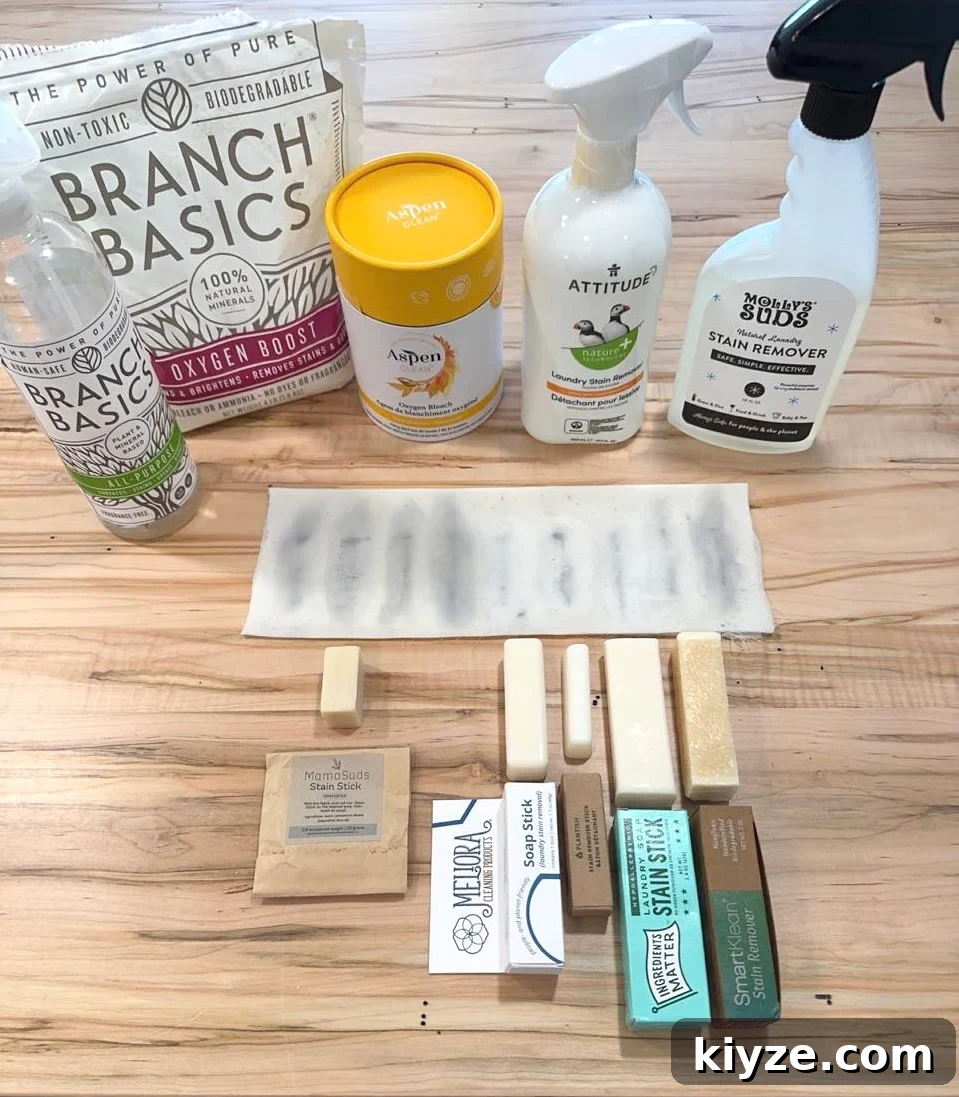
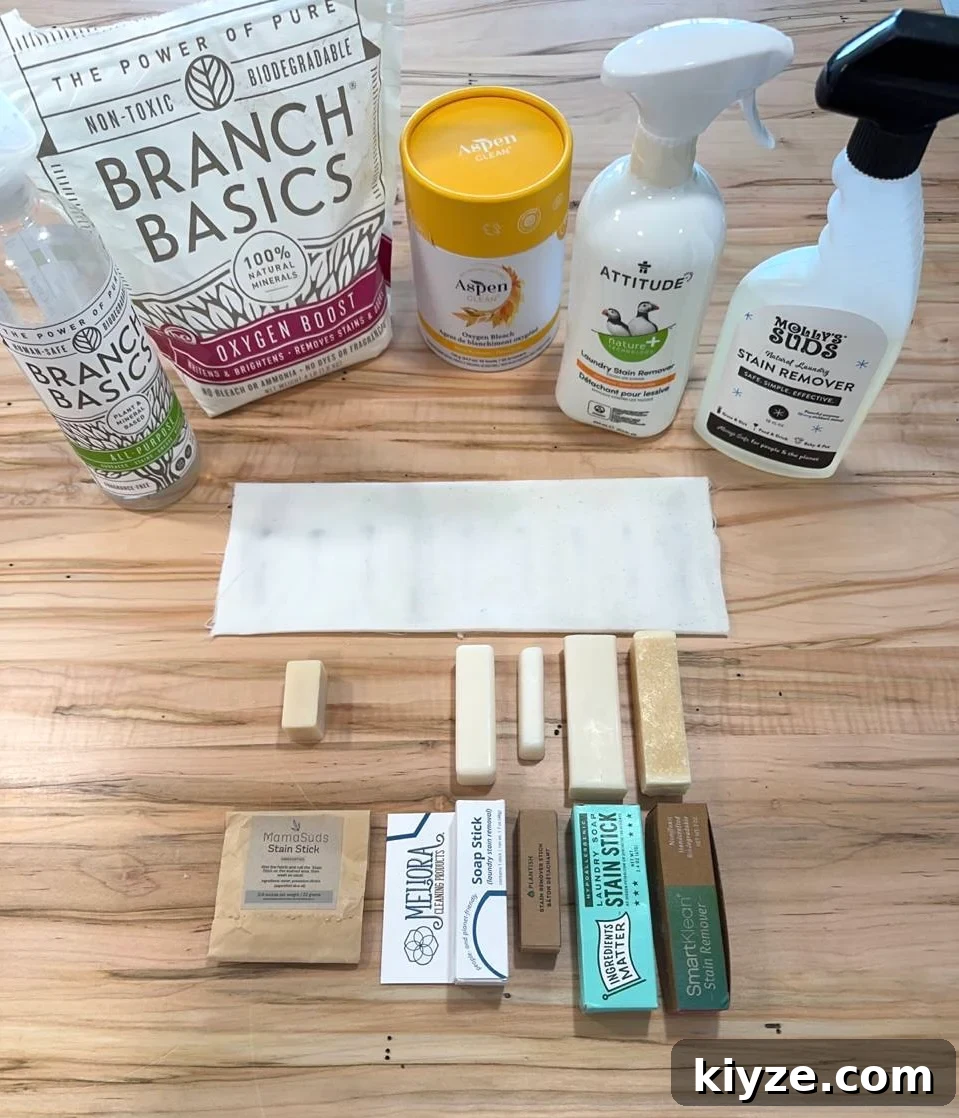
Overall, all nine products removed a good portion of the mascara stains. The Meliora Stain Stick stood out for removing stains quickly with the least scrubbing, making it one of the most effective options in this set of tests.
Below is a concise overview of each product we tested, highlighting why they stand out and any trade-offs to consider.
1. Meliora’s Stain Stick
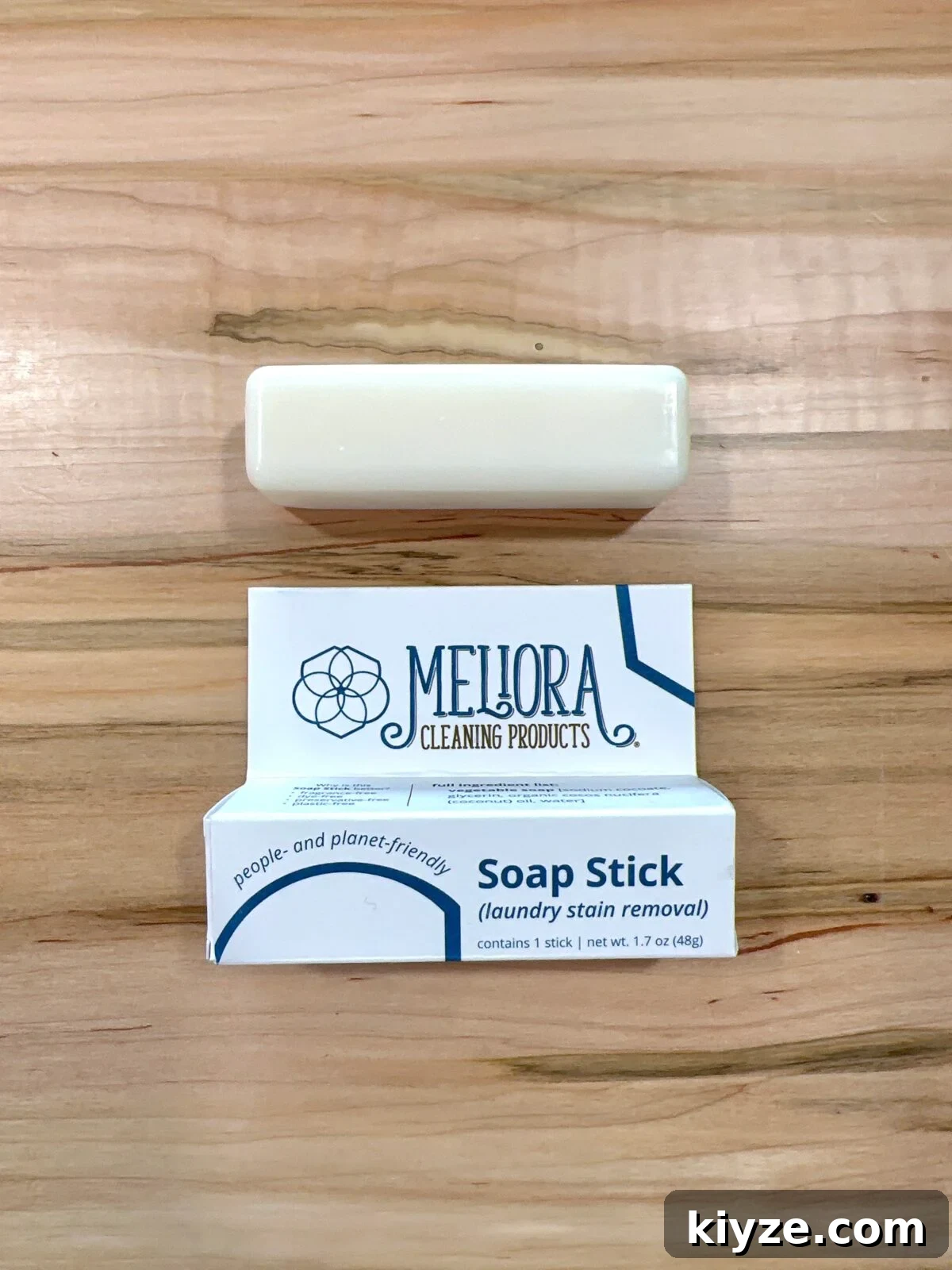
Type: Stick. Affordable, plastic-free, and MADE SAFE certified, Meliora’s stick performed best overall in our test. It required minimal scrubbing and tackled a wide range of stains, including coffee and blood. It’s plant-based, fragrance-free, biodegradable, and palm-oil free—an excellent low-waste option.
- Pros: Requires less scrubbing, zero-waste packaging, strong stain performance.
- Cons: None significant for most users.
2. Branch Basics Oxygen Boost Powder + Concentrate Spray
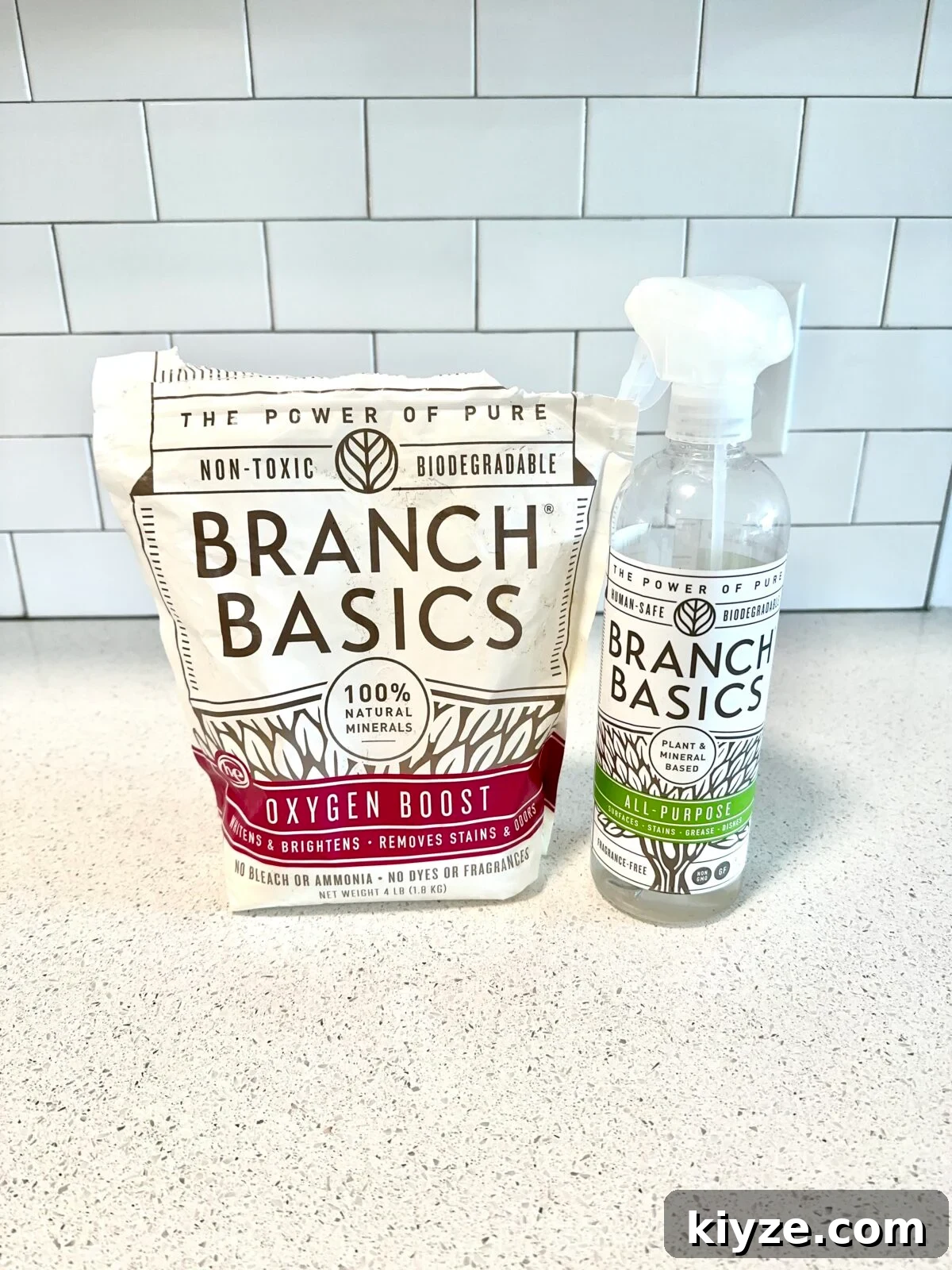
Type: Powder + Spray. A plant- and mineral-based system that pairs a concentrate spray with an oxygen boost powder. Versatile and effective on tough stains when used together. MADE SAFE certified, fragrance- and bleach-free. It may require a bit more scrubbing than a targeted stain stick but doubles as a multi-purpose cleaner and laundry booster.
3. ATTITUDE Spray Stain Remover
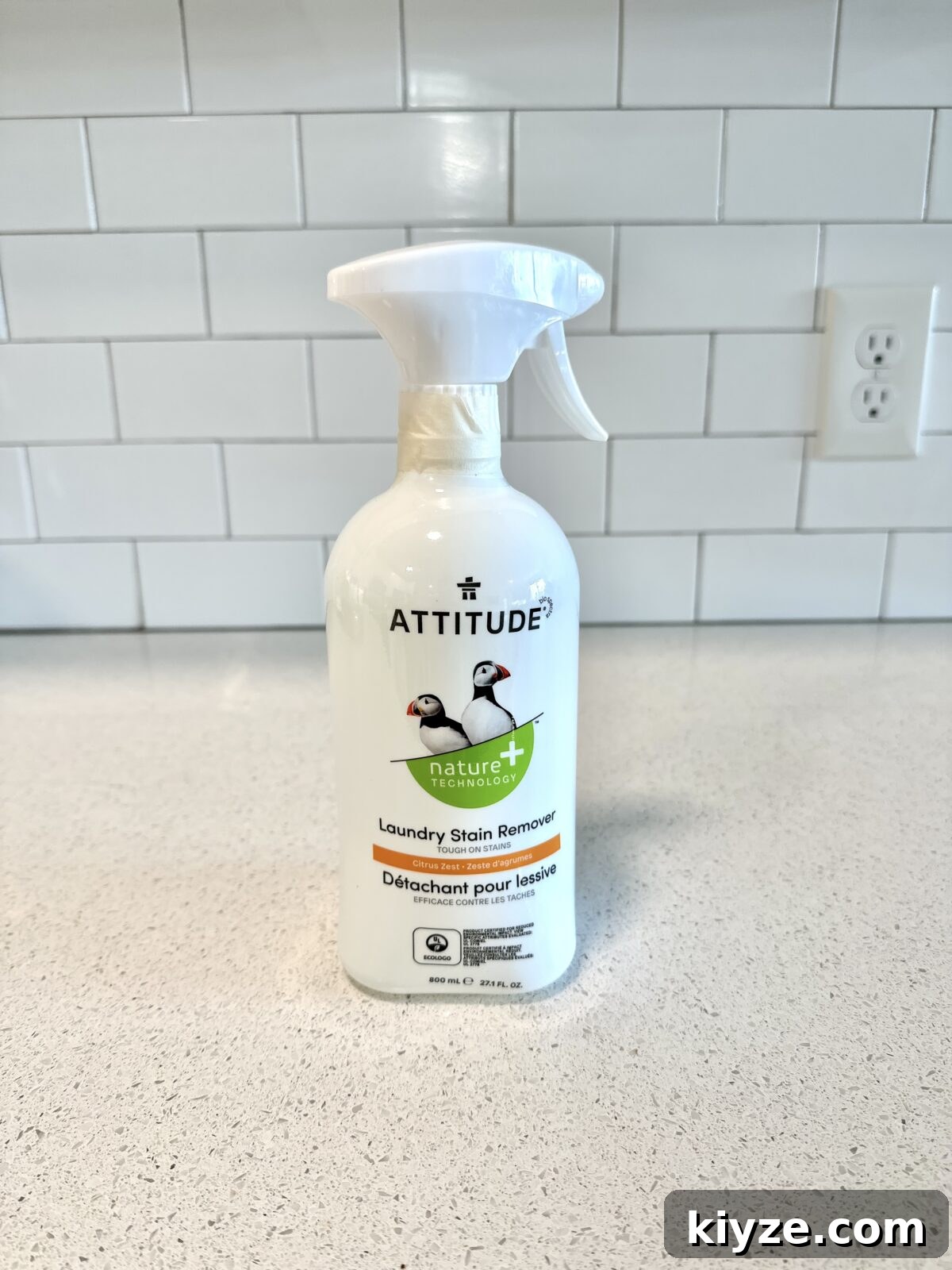
Type: Spray. ATTITUDE offers multiple formulations, including baby-safe and pet-safe versions. EWG-verified and formulated for sensitive skin, these sprays are effective for laundry and carpets. Packaging is plastic, which may be a consideration for zero-waste shoppers.
4. AspenClean
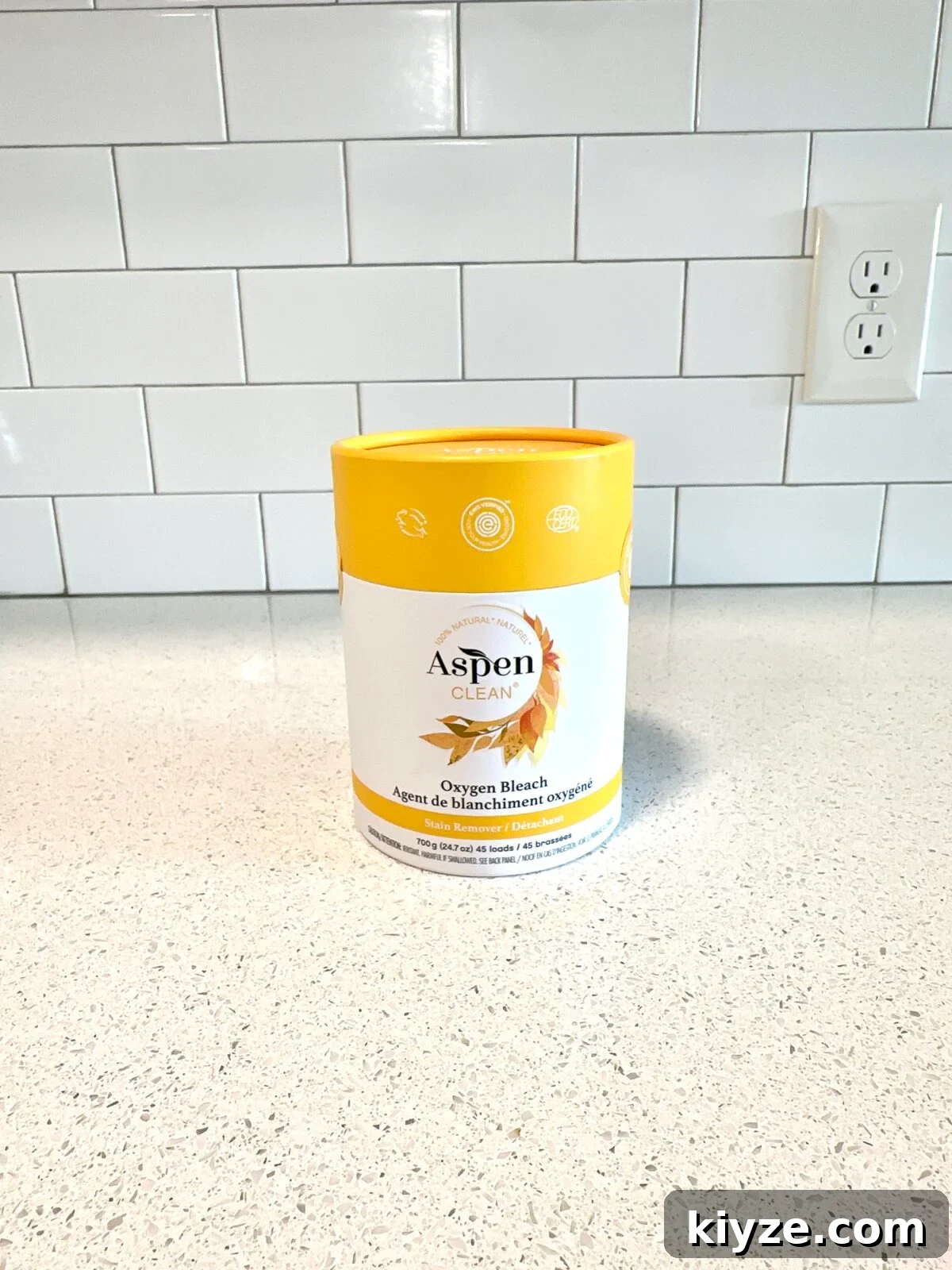
Type: Powder. AspenClean’s oxygen powder is fragrance-free and packaged plastic-free. It dissolves into warm water for a stain solution and can also be applied dry for extra grit. It’s versatile as a laundry booster or stain pretreatment but requires dissolving before use for some applications.
5. Molly’s Suds
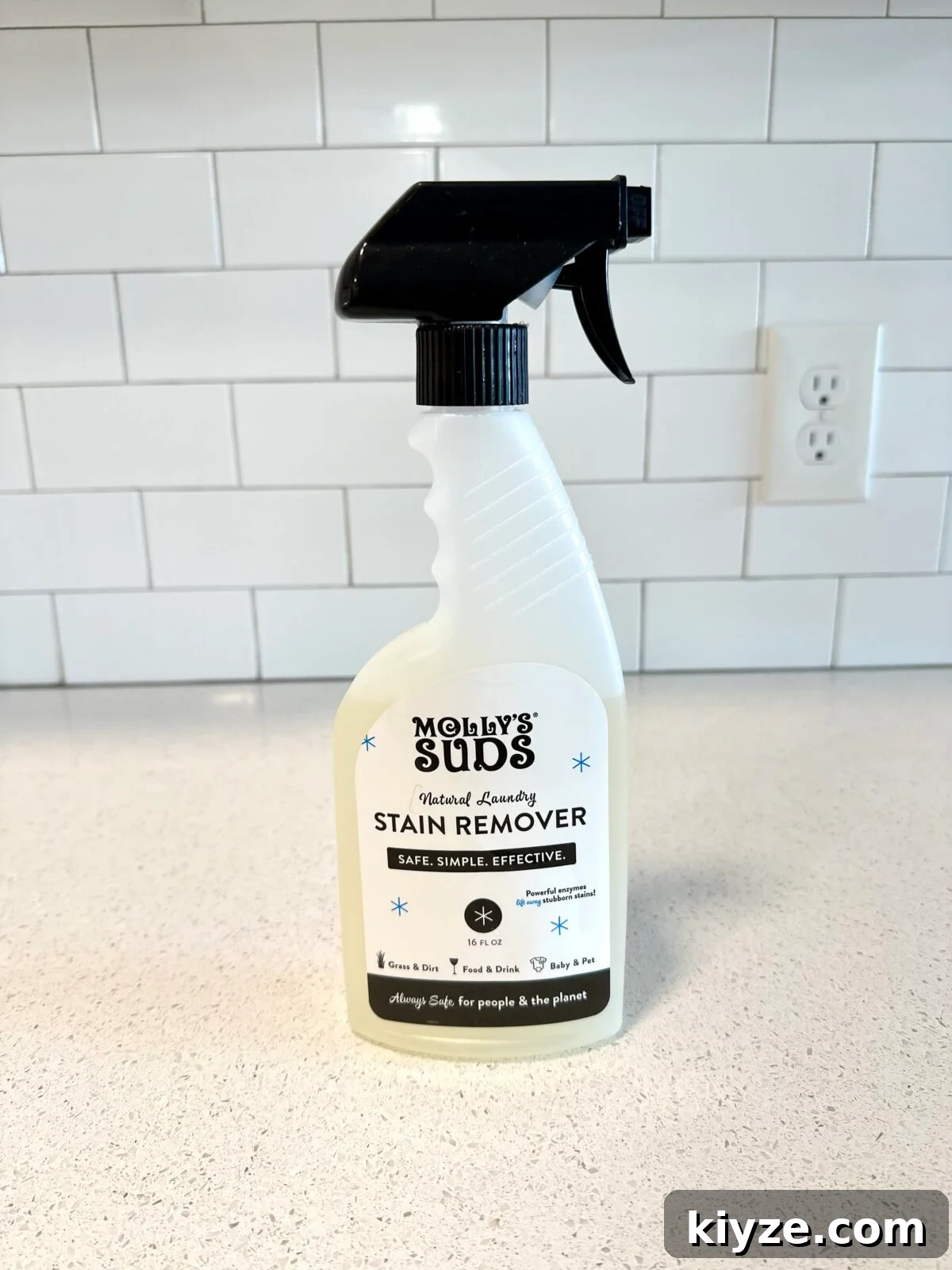
Type: Spray. Molly’s Suds uses enzymes to break down organic stains and odors, making it especially helpful for pet accidents and sweat stains. Unscented and gentle for sensitive skin; available in travel sizes. Comes in a plastic bottle.
6. Ingredients Matter
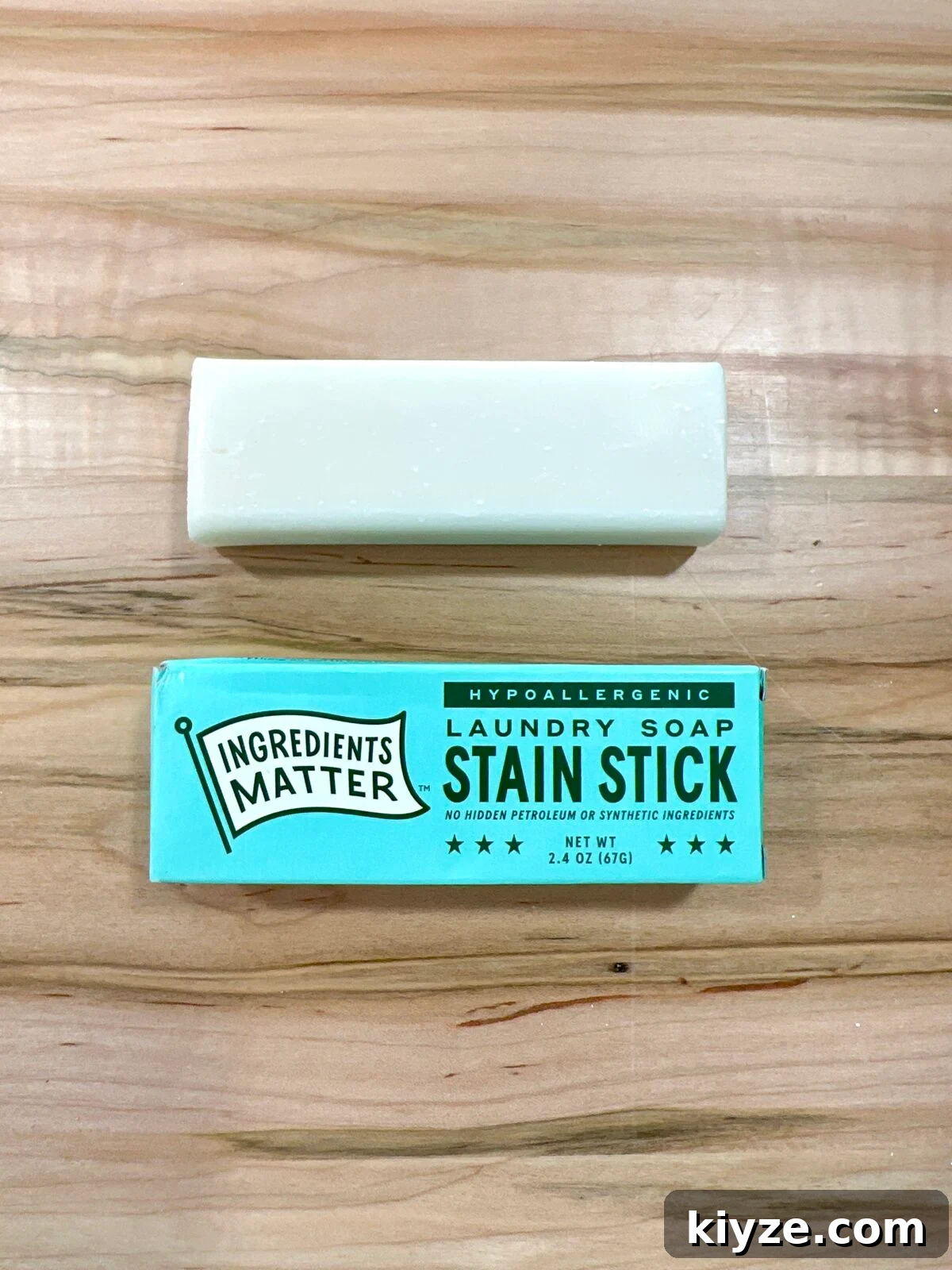
Type: Stick. A transparent, plastic-free option that’s widely available at some big-box retailers. Simple formula, effective for typical laundry stains.
7. SmartKlean
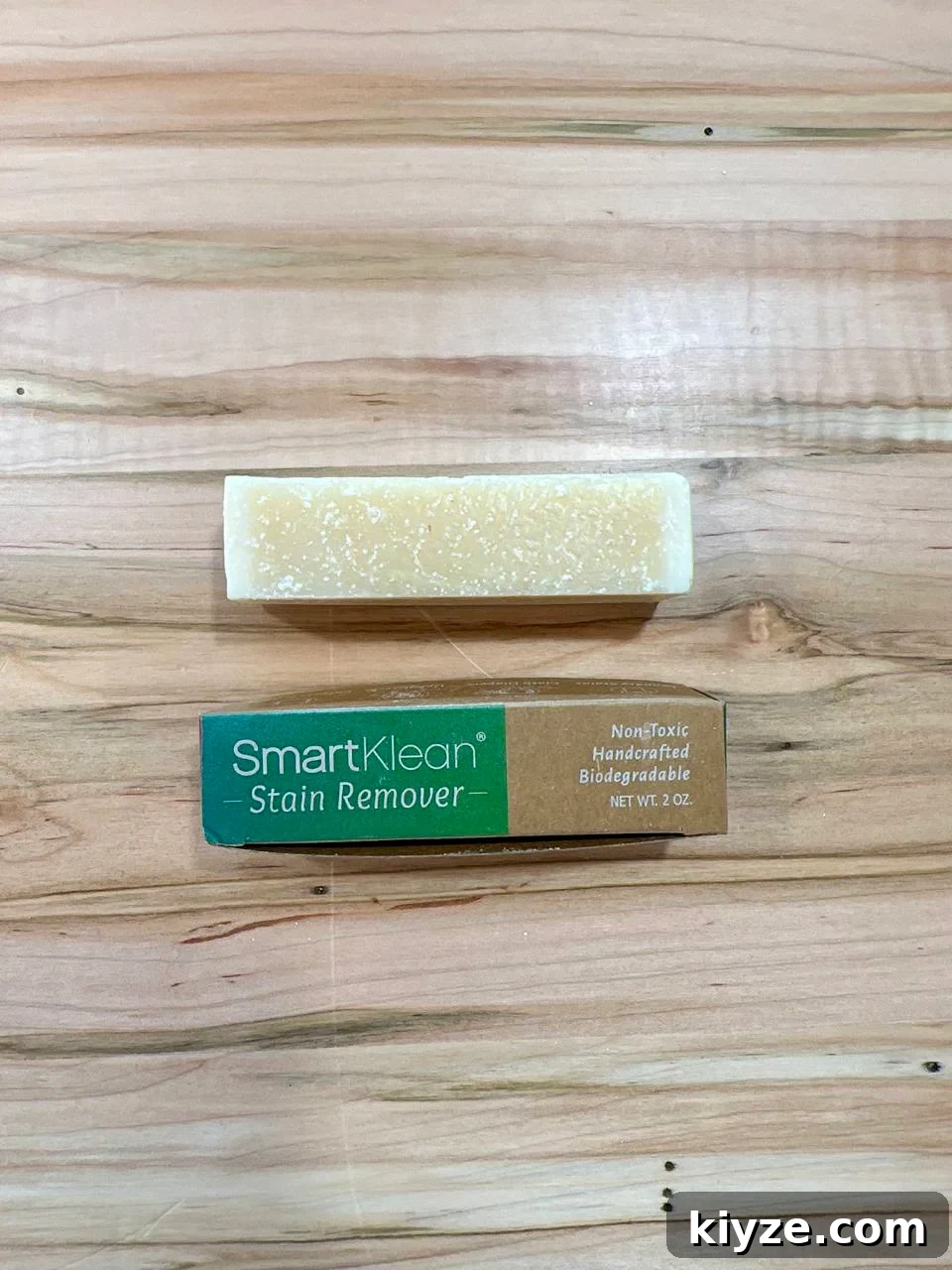
Type: Stick. A handcrafted bar that works on clothes, carpets, and fabric diapers. Plastic-free and effective, but scented with eucalyptus essential oil and contains borax, which some users prefer to avoid.
8. Plantish
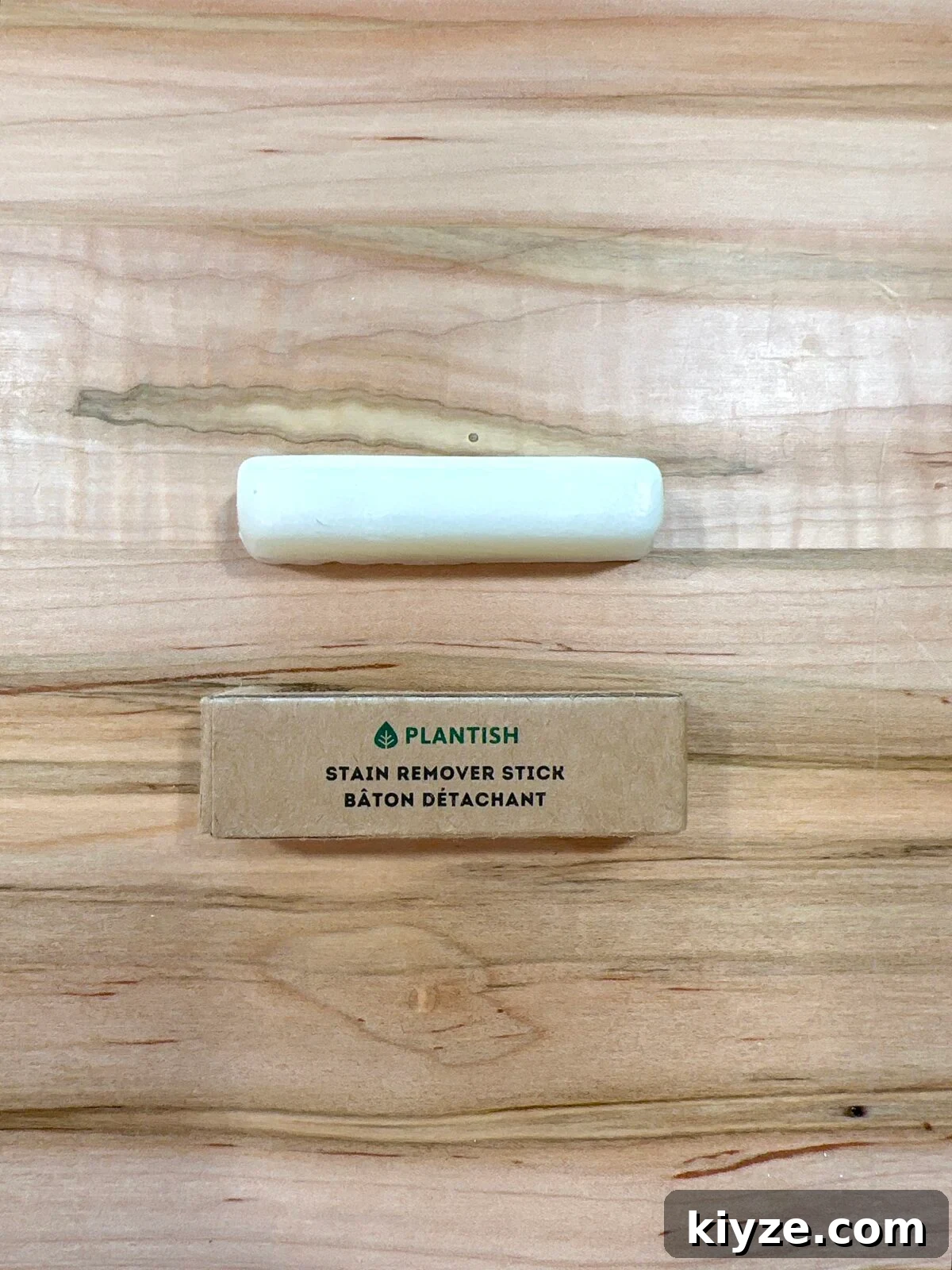
Type: Stick or block. Affordable, plastic-free, plant-based and fragrance-free. A great low-cost way to try a zero-waste stain bar before committing to larger sizes.
9. MamaSuds
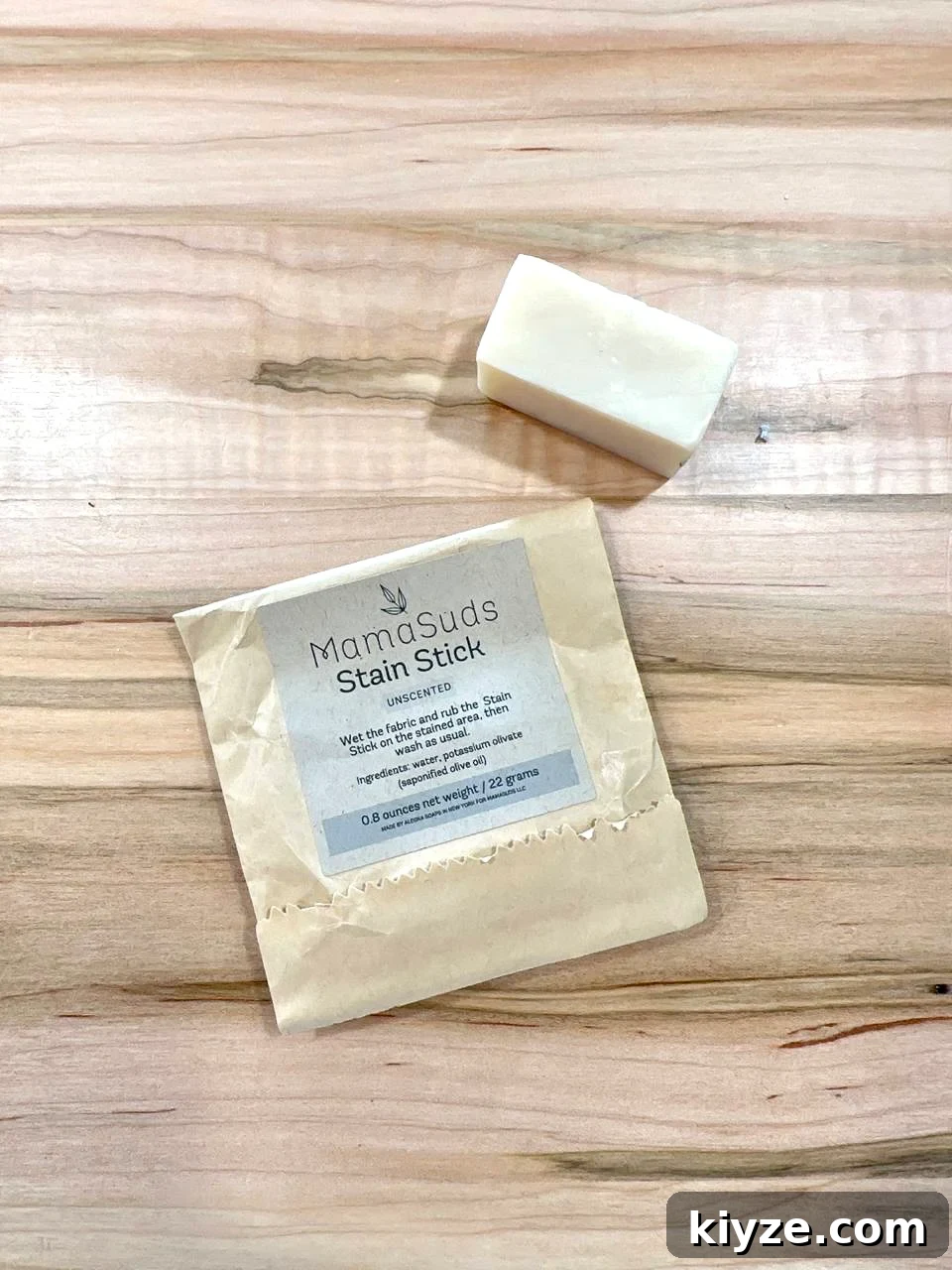
Type: Stick. Made from only saponified olive oil and water, MamaSuds is extremely simple and low-waste. It’s ideal for those who want minimal ingredients, though it may require more rubbing than some other sticks.
DIY Stain Remover Spray
If you prefer a homemade approach, try this simple DIY stain remover using common pantry items.
Ingredients:
- 1 part white vinegar
- 1 part baking soda
- 2 parts water
- A few drops of liquid dish soap (optional for grease or oil)
- An empty spray bottle
Instructions:
- Pour the vinegar into the spray bottle, then add the baking soda carefully (do this over a sink to avoid fizz overflow).
- After fizzing subsides, add water and a few drops of dish soap if desired, then close and shake to mix.
- Spray directly on the stain, let sit 5–10 minutes, blot or gently scrub, then rinse or launder as usual.
Always spot-test homemade solutions on an inconspicuous area before treating visible fabric or upholstery.
Can vinegar remove stains?
Yes. White vinegar’s acetic acid helps break down many stains on fabric, carpet, and hard surfaces. Diluted or undiluted vinegar can be useful for pre-treating stains or added to the wash cycle. Always test on a hidden area first to check for colorfastness.
Can baking soda remove stains?
Yes. Baking soda works as a mild abrasive and deodorizer. It can be used as a paste for localized stains, sprinkled on carpets to absorb odors and moisture, or combined with other ingredients for tougher jobs. Test first on hidden areas to ensure materials aren’t damaged.
Can hydrogen peroxide remove stains?
Yes. Hydrogen peroxide is an effective oxidizer for many organic stains like blood or wine. It can act as a mild bleach, so use caution on colored fabrics and always perform a spot test. Dilute for colored items and rinse thoroughly after treatment.
It Is Possible to Remove Stains Naturally
Natural, non-toxic stain removers offer effective alternatives to chemical-heavy products. With options ranging from enzyme sprays and oxygen powders to zero-waste soap sticks, you can find a solution that fits your cleaning needs and values. Use ingredient transparency, certifications, and personal priorities—like fragrance-free or plastic-free packaging—to guide your choice.