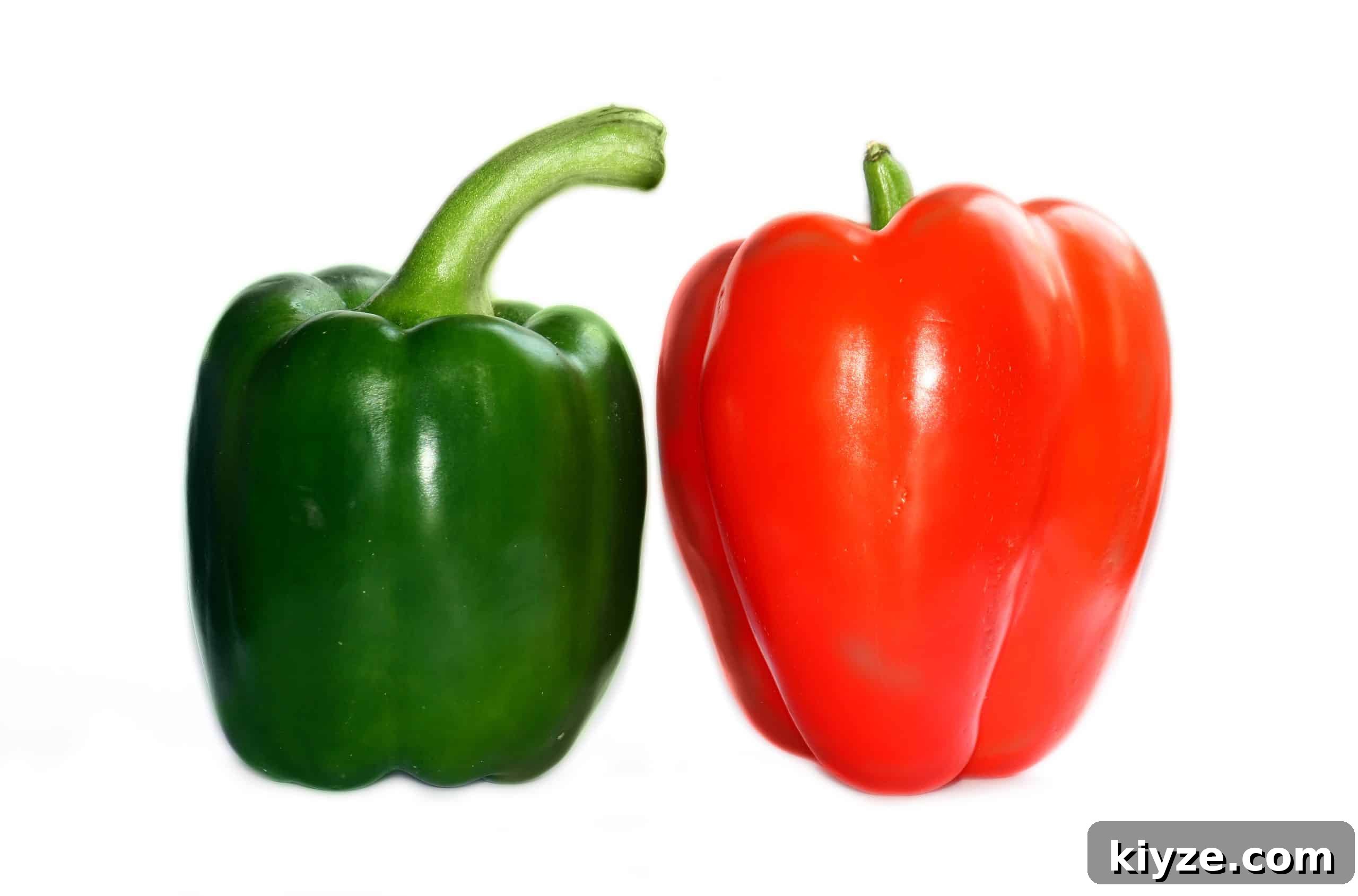
Bell peppers bring vibrant color, crunch, and a natural burst of flavor to countless dishes and snacks. Their sweet, slightly tangy profile enhances salads, sandwiches, soups, and stir-fries without extra effort. Rich in vitamins and antioxidants and boasting a satisfying crisp texture, peppers are a favorite for both home cooks and health-conscious eaters. Discover how simple storage and preservation methods can extend their freshness so you can enjoy their bright flavor longer.
Bell peppers are commonly used raw in salads or added to hot dishes like soups and stews for color and sweetness.
If you don’t always have time to prepare meals fresh, learning how to store bell peppers properly will help them stay tasty and crisp for as long as possible.
Below are practical tips for storing bell peppers to maximize shelf life and maintain quality.
How long can bell peppers be stored?
- Can bell peppers be frozen?
- Can bell peppers be refrigerated?
- Can bell peppers be canned?
What is the best way to store bell peppers?
There are several effective ways to store bell peppers depending on how long you want them to last and how you plan to use them.
Refrigeration is the simplest short-term solution: keep whole, unwashed peppers in the crisper drawer in a perforated plastic bag or wrapped loosely in paper towel to absorb excess moisture. Properly stored this way, peppers typically stay fresh for about one to two weeks.
For longer storage, drying or dehydrating reduces moisture and extends shelf life. You can air-dry thin slices, use a dehydrator, or dry in a low oven until the pieces are leathery. Store dried peppers in airtight containers in a cool, dark place.
Freezing is also an option if you don’t mind a softer texture after thawing. Slice and remove seeds, blanch briefly to preserve color, then flash-freeze on a tray and transfer to freezer bags. Frozen peppers are best used in cooked dishes.
Canning and pickling preserve peppers for months. Proper pressure-canning or pickling in a vinegar brine following safe, tested recipes will give you shelf-stable jars. Note that canning requires careful attention to food-safety guidelines.
How can you tell when bell peppers are bad?
Signs of spoilage include soft spots, wrinkling, darkening, or a slimy texture. A sour or fermented smell indicates the pepper is no longer safe to eat. Fresh peppers should feel firm and heavy for their size; if they feel spongy or collapse when squeezed, discard them.
What is the nutritional value of bell peppers?
Bell peppers are nutrient-dense and low in calories. They are an excellent source of vitamin C and a good source of vitamin A, folate, potassium and dietary fiber. They also provide smaller amounts of magnesium, manganese, phosphorus, copper, and B vitamins. Antioxidants such as carotenoids and lycopene help neutralize free radicals and support overall health.
What are some recipes that include bell peppers?
Bell peppers are versatile and appear in many popular recipes, including:
- Salsa
- Pizza toppings
- Tortilla chips and dips
- Spaghetti and tomato-based sauces
- Salads and sandwiches
- Chili con carne
- Pasta dishes
- Fried rice
- Stuffed peppers
- Dips and sauces
What are some other uses for bell peppers?
Beyond adding flavor and color to meals, bell peppers work as a seasoning base in many recipes, from stews and soups to rice dishes and casseroles. They make attractive, nutritious additions to mixed vegetable medleys, tacos, burgers, salads, and grain bowls. Roasted peppers can be pureed into sauces, blended into dressings, or layered into sandwiches for smoky sweetness.
What are some tips for growing bell peppers?
Bell peppers need plenty of sunlight, warm temperatures, and well-drained soil. Plant them after the last frost in spring and grow through summer. Enrich the soil with compost and balanced fertilizer, and consider raised beds or containers to improve drainage and reduce weeds. Regular watering and mulching will help maintain consistent soil moisture and promote steady growth.
How can you preserve bell peppers?
Common preservation methods include freezing, dehydrating, and canning:
- Freezing: Slice and blanch peppers briefly, then freeze on trays before storing in labeled freezer bags. Frozen peppers are ideal for cooked dishes.
- Dehydrating: Dry slices in a dehydrator or low oven until leathery. Store in airtight jars for long-term use in soups, stews, and sauces.
- Canning: Use tested recipes for pickled or plain canned peppers and follow safe canning practices to ensure shelf stability.
Each method has pros and cons—freezing is fast but changes texture, dehydrating concentrates flavor and saves space, and canning gives shelf-stable results but requires more equipment and care.
What are some interesting facts about bell peppers?
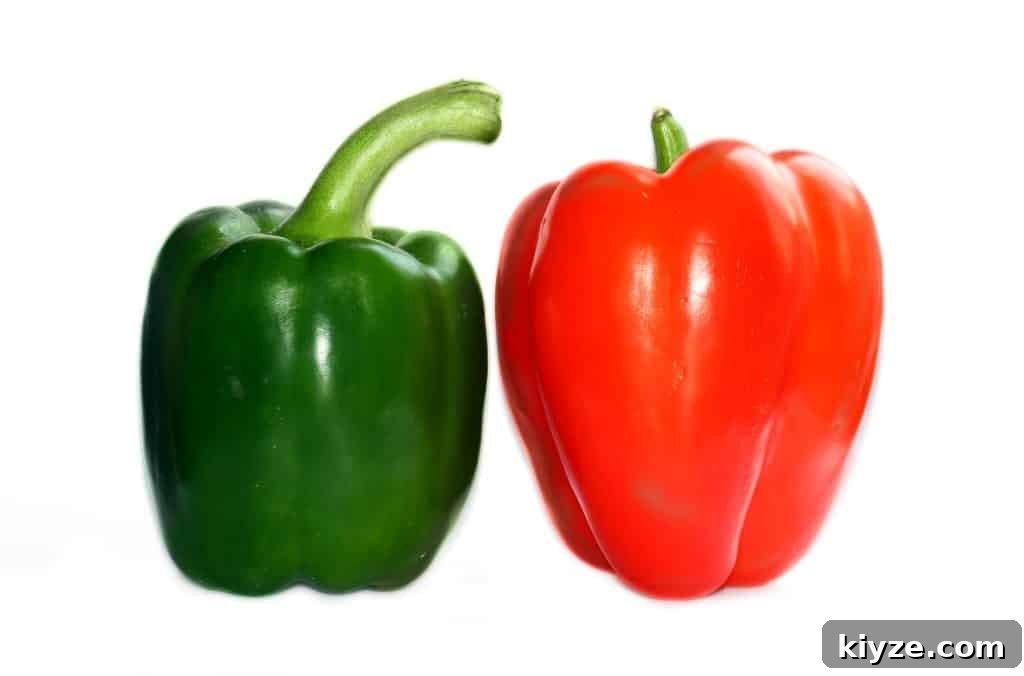
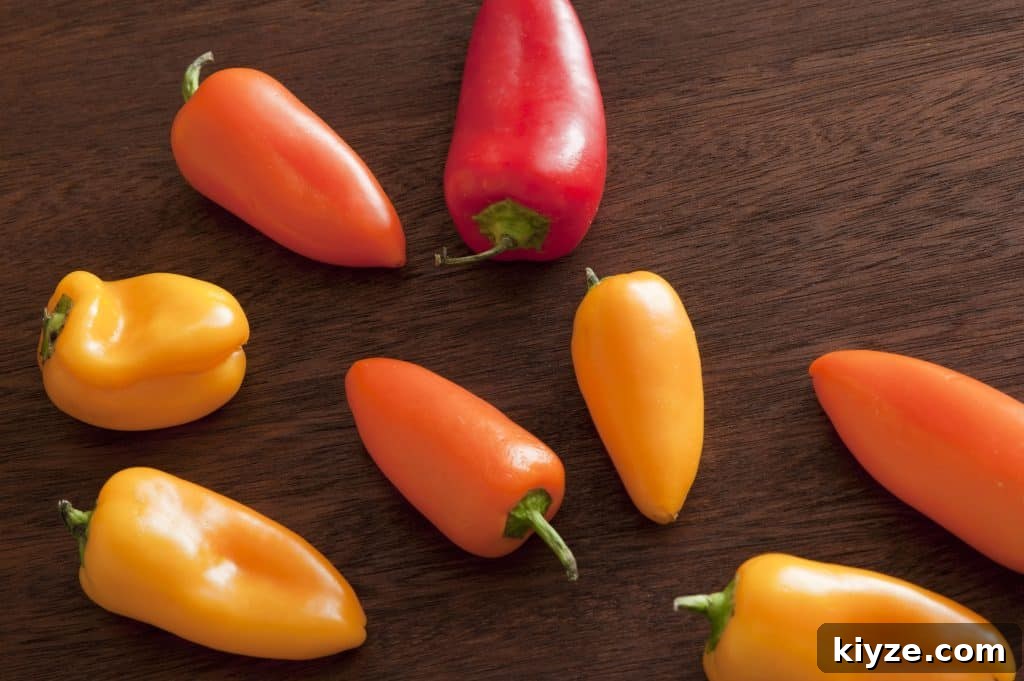
Bell peppers come in many colors—green, red, yellow, orange, purple, and even white or striped—with flavor and sweetness varying as they ripen. Green peppers are typically less sweet because they are harvested earlier; red and yellow peppers are riper and often sweeter. The common name “bell” is associated with the shape of the pepper’s flower rather than the fruit itself.
Bell peppers are appreciated both for their flavor and their nutritional contributions, making them a colorful, healthy addition to many meals. Try easy recipes like microwave stuffed peppers for a quick, satisfying use of fresh produce.
What is the history of bell peppers?
Bell peppers were first domesticated in Central and South America thousands of years ago and were introduced to Europe in the 16th century by Spanish explorers. Since then, they have been cultivated worldwide and adapted into many regional cuisines.

Microwave stuffed peppers
Equipment
-
1 microwave
Ingredients
- 1 Tomato sauce
- 1 Rice
Instructions
-
Choose peppers without soft spots or wrinkles. Refrigerate whole, unwashed peppers in the crisper at 40°F (4°C) or below for up to three to four days for best quality.
-
Wash peppers with cold water and remove tops and seeds on a clean cutting board.
-
Place peppers open-side down in a microwave-safe dish with about 1 inch of water. Cover with plastic wrap and poke holes to allow steam to escape.
-
Microwave the peppers on high for 4–6 minutes to soften. Remove, drain the water, and set peppers open-side up for stuffing.
-
Prepare rice by combining rice and water in a microwave-safe bowl (about 2 parts water to 1 part rice). For six large peppers use roughly 1 cup dry rice. Microwave until liquid is absorbed, stirring in diced pepper tops and other vegetables during the final minutes.
-
Stuff the peppers with the rice mixture, pack slightly so they stand upright, cover again with pierced plastic wrap, and microwave on high for 7–10 minutes or until peppers are cooked through.
-
If desired, spoon tomato sauce over the peppers and microwave 2–3 more minutes until sauce is heated and bubbling.
Video
Nutrition
Carbohydrates: 0.4g
Protein: 0.04g
Related Posts
How Much Is A Clove Of Garlic?
Golden Corral Rolls The Perfect Yeast Roll for Every Meal

Best Brats In Oven

Giniling Recipe