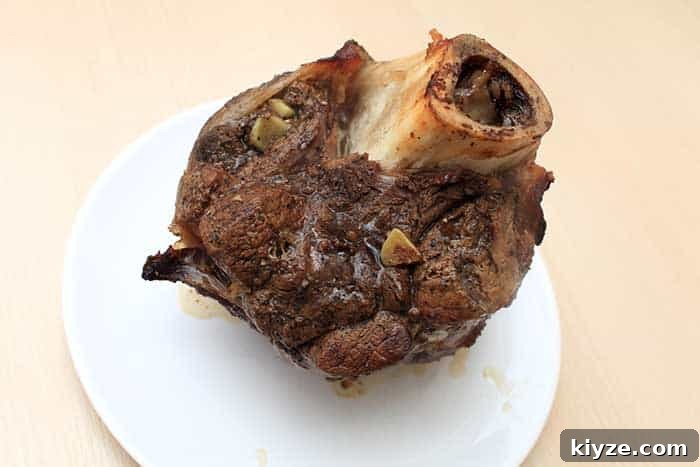
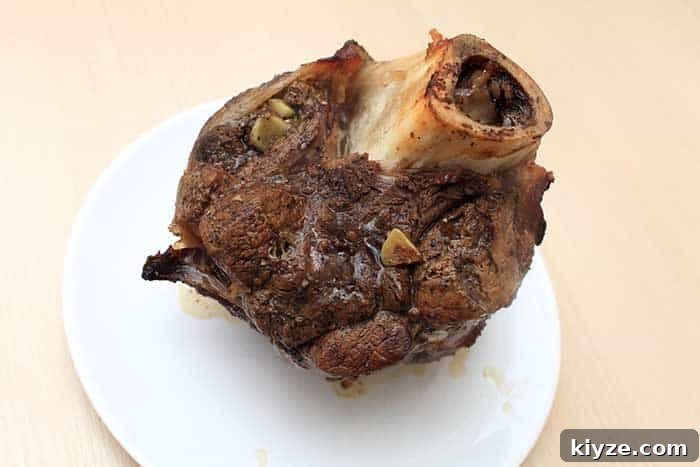
Beef shank is a lean, flavorful cut that shines when smoked, braised, or cooked sous-vide. Read on to learn about shank’s flavor and texture, how to choose and prepare it, and the best cooking methods to turn this tough cut into tender, delicious meat.
- What is Beef Shank?
- How to Buy Beef Shank
- How to Cut Beef Shank
- Beef Shank Substitutes
- How to Smoke Beef Shank
- Ways to Enjoy
Beef shank comes from the legs of the animal — the fore-shank beneath the brisket and the hind-shank beneath the round. Because these muscles do so much work, the cut is muscular and lean with minimal marbling. Left to quick, high-heat cooking it can be tough and dry, but with low-and-slow methods like smoking, braising, or sous-vide it becomes tender and intensely flavored.
What is Beef Shank?
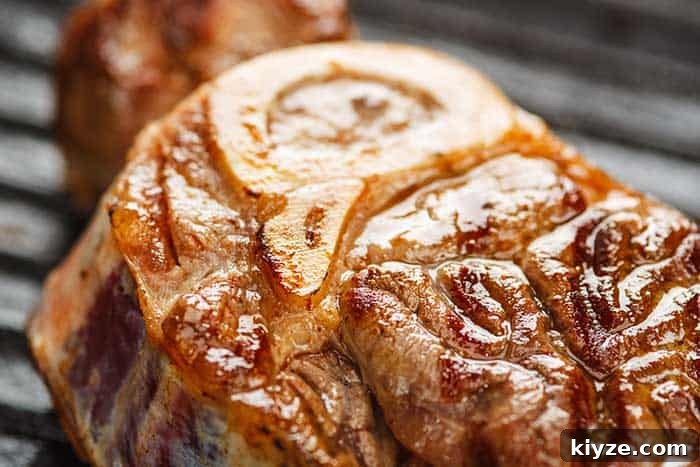
The shank is a workhorse muscle with very little fat—about an ounce of fat per pound—so it’s popular for those seeking high-protein, low-fat options. Its grain is coarse and sinewy, and the small streaks of fat that remain appear as distinct white lines rather than widespread marbling. Each animal yields four shanks, one from each leg.
Because of its leanness and strength of muscle fibers, shank is better suited to moist, slow cooking that breaks down connective tissue and concentrates flavor. When cooked properly, the result is richly beefy and satisfying rather than dry.
How to Buy Beef Shank
Smaller supermarkets often don’t carry shanks, but they are common at butcher shops and larger grocery stores with substantial meat counters. You can also ask your butcher to order them. Prices are generally affordable: conventional shanks commonly cost a few dollars per pound, while organic or grass-fed options may be a dollar or two more.
Packages usually indicate fore-shank or hind-shank, but both are suitable for braising, smoking, or roasting, with no major differences in cooking approach.
How to Cut Beef Shank
Shanks sometimes have a thin layer of exterior fat or connective tissue that you’ll want to remove. Use a scraping or boning knife to shave that away, holding the meat steady while working around the piece. Be careful not to remove too much of the meat itself.
There are two common cutting approaches, depending on how you plan to cook the shank. For boneless preparations, split the piece lengthwise to expose the bone, then use a boning knife to separate meat from bone. Boneless shank is versatile for braises, grinding into lean mince, or using in stews. Save the bone for broth, which adds rich collagen and flavor to soups and sauces.
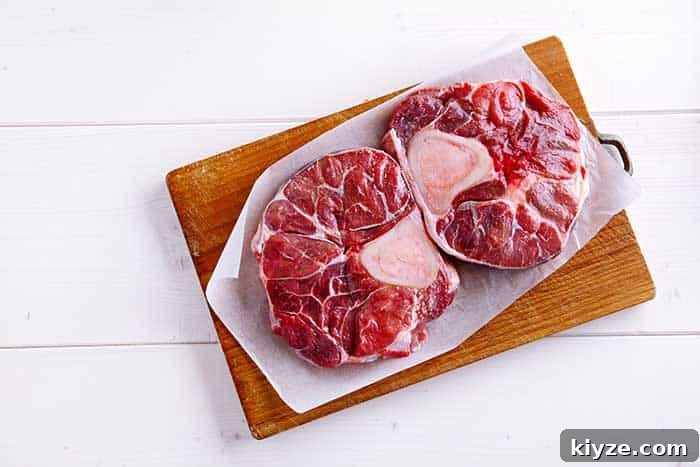
The alternative is to cut crosswise into thick, bone-in slices using a butcher’s knife. These “shank steaks” retain the bone, which contributes flavor and a meaty presentation. Cut against the grain to keep slices tender and ensure they hold together during cooking.
Beef Shank Substitutes
If shank is unavailable, other tough, collagen-rich cuts work well with slow, moist heat: chuck roast, beef arm, or silverside are reasonable substitutes. They won’t deliver the same bone-derived depth of flavor if they’re boneless, but they braise and smoke nicely.
For lean ground meat similar to shank, eye of round or rump roast are good choices; they yield low-fat mince suitable for many recipes that call for shank-derived ground beef.
How to Smoke Beef Shank
Shanks adapt well to both dedicated smokers and conventional ovens. For smoking: trim excess fat, preheat the smoker to about 250°F, and cut shanks into roughly two-inch-thick pieces if desired. Season them and place on the grill grates. Smoke gently for a few hours, then increase to around 300°F and continue until the meat reaches a very tender state—often around the point where a probe slides in easily. Rest the shanks 30–45 minutes before serving so juices redistribute.
To braise in the oven, preheat to about 325°F and arrange shanks in a casserole or Dutch oven with beef broth and aromatics. The liquid should come about halfway up the sides of the shanks. Spoon hot braising liquid over any exposed surfaces during cooking to keep them moist. Bake covered until the meat is fork-tender, usually two to four hours depending on size. Reduce the braising liquid into a sauce and briefly sear the shanks in the pan if you want a glazed finish before serving.
Ways to Enjoy
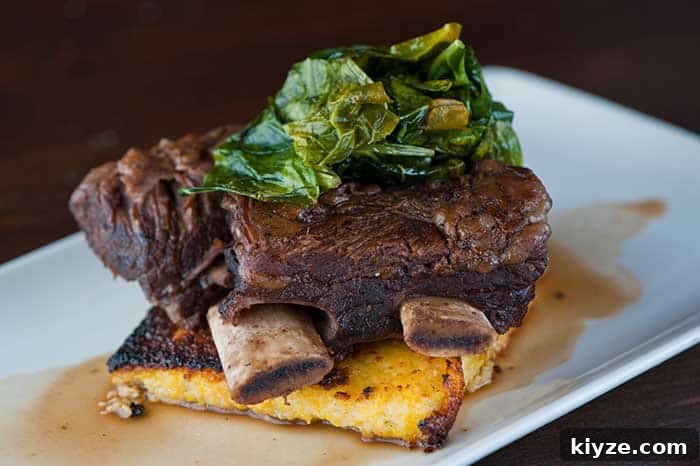
Braised or smoked shank pairs beautifully with mashed potatoes, polenta, risotto, or simple steamed vegetables. Thickened braising liquid or gravy enhances richness, while bright herbs or lemon zest can cut through the intensity if desired.
Classic ossobuco is an Italian preparation of braised shank served over risotto or polenta. Shredded smoked shank is excellent in sandwiches, tacos, or sliders. Lean ground shank works well in pot pies, Asian-style noodle dishes, or any recipe that benefits from low-fat, flavorful beef.
With slow, patient cooking, beef shank rewards you with deep beefy flavor and satisfying texture—an economical cut that becomes something special when treated right.