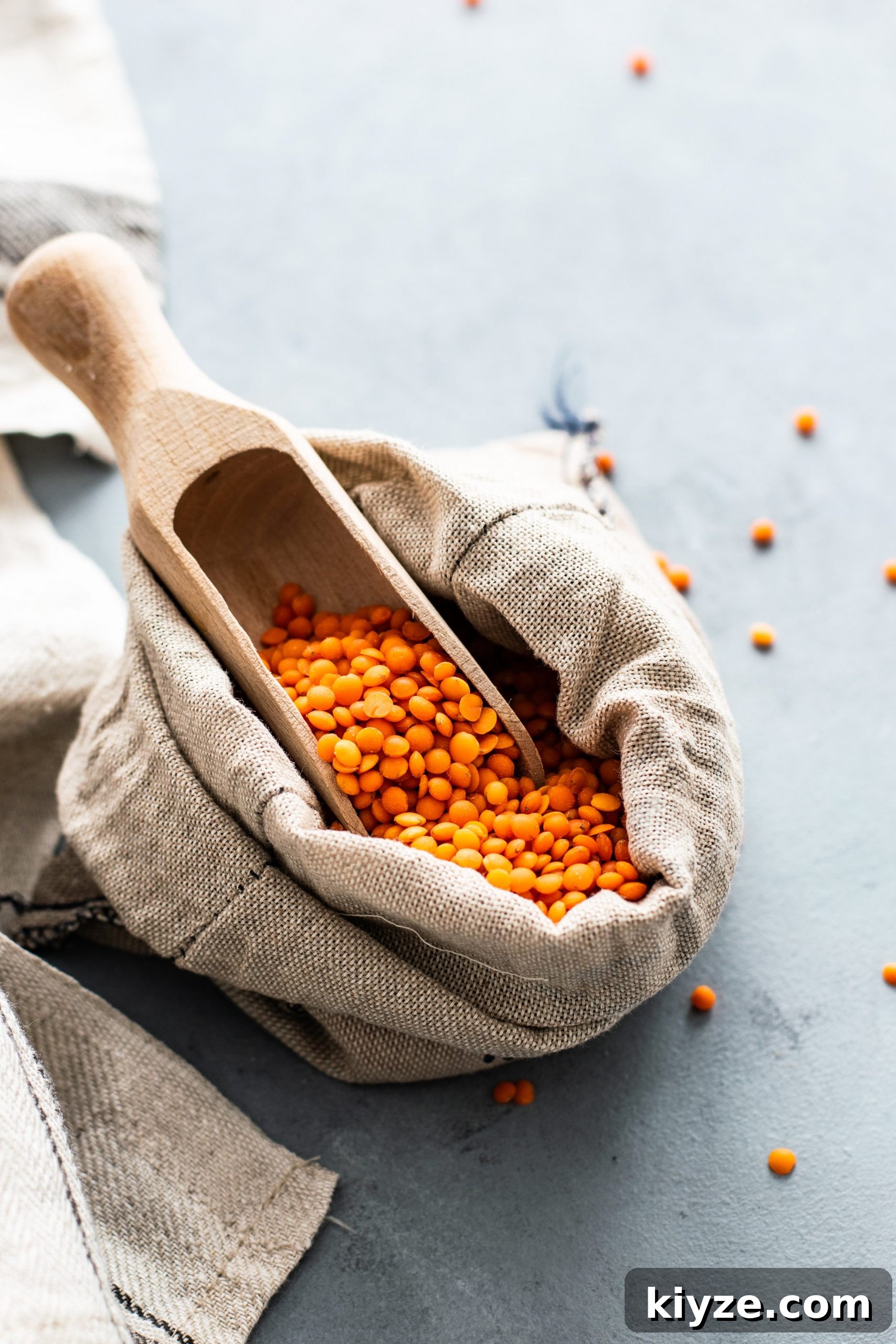
Your guide to prepping legumes & lentils
Legumes, when prepared correctly, are an excellent plant-based protein
“Suggesting that we shouldn’t eat cooked legumes because raw legumes cause disease is like saying that we shouldn’t eat cooked chicken because we can get Salmonella from eating raw chicken.” – Chris Kresser
Preparing lentils and legumes is easier than it seems
For simplicity, this article will refer to legumes and lentils collectively as “beans.”
Beans can be a nutritious and affordable component of a balanced diet, offering valuable plant-based protein and fiber. However, if not prepared thoughtfully they can be harder to digest and may reduce mineral absorption due to compounds like phytic acid. With a few simple steps you can significantly improve their digestibility and nutritional value.
Below are practical tips for storing, selecting, soaking, and cooking beans.
Storage
Whenever possible, choose dried beans over canned. Dried beans avoid added sodium and preservatives, are more economical, and store well when kept properly. Store dried beans in an airtight container in a cool, dry place and aim to use them within six months. After that time many varieties become tough and may not soften well even with extended cooking.
Choose the right beans
Some bean varieties are gentler on digestion than others. If you are sensitive, start with adzuki beans, red lentils, mung beans, chickpeas, and split peas. Varieties like lima beans, navy beans, and soybeans tend to be firmer and more difficult to digest, so you may want to avoid them or use additional preparation methods.
Preparation
Always rinse beans thoroughly whether they are canned or dried. For dried beans, soaking is an important step that helps break down anti-nutrients and reduce cooking time.
Here is a straightforward soaking method you can use:
- Use about 4 parts water to 1 part beans.
- Soak for 10 to 24 hours in warm water, keeping the container covered.
- Add an acid to the soaking water to help neutralize phytic acid — 2 tablespoons of lemon juice or apple cider vinegar per cup of dried beans works well.
- After soaking, drain and rinse the beans before cooking according to your recipe.
As a general rule, larger beans need longer soaking times. Many people simply set beans to soak overnight and cook them the next day. Even a plain overnight soak in water is better than skipping soaking altogether.
Cooking and spices
Certain spices and aromatics can aid digestion and add flavor. Traditional cuisines often include additions such as cumin, fennel, ginger, turmeric, and asafoetida when cooking beans. These ingredients may help reduce bloating and support easier digestion while enhancing the dish.
Use these straightforward techniques—proper storage, careful selection, soaking with an acid, and digestive spices—to make beans more digestible, more nutritious, and a more enjoyable part of your meals.