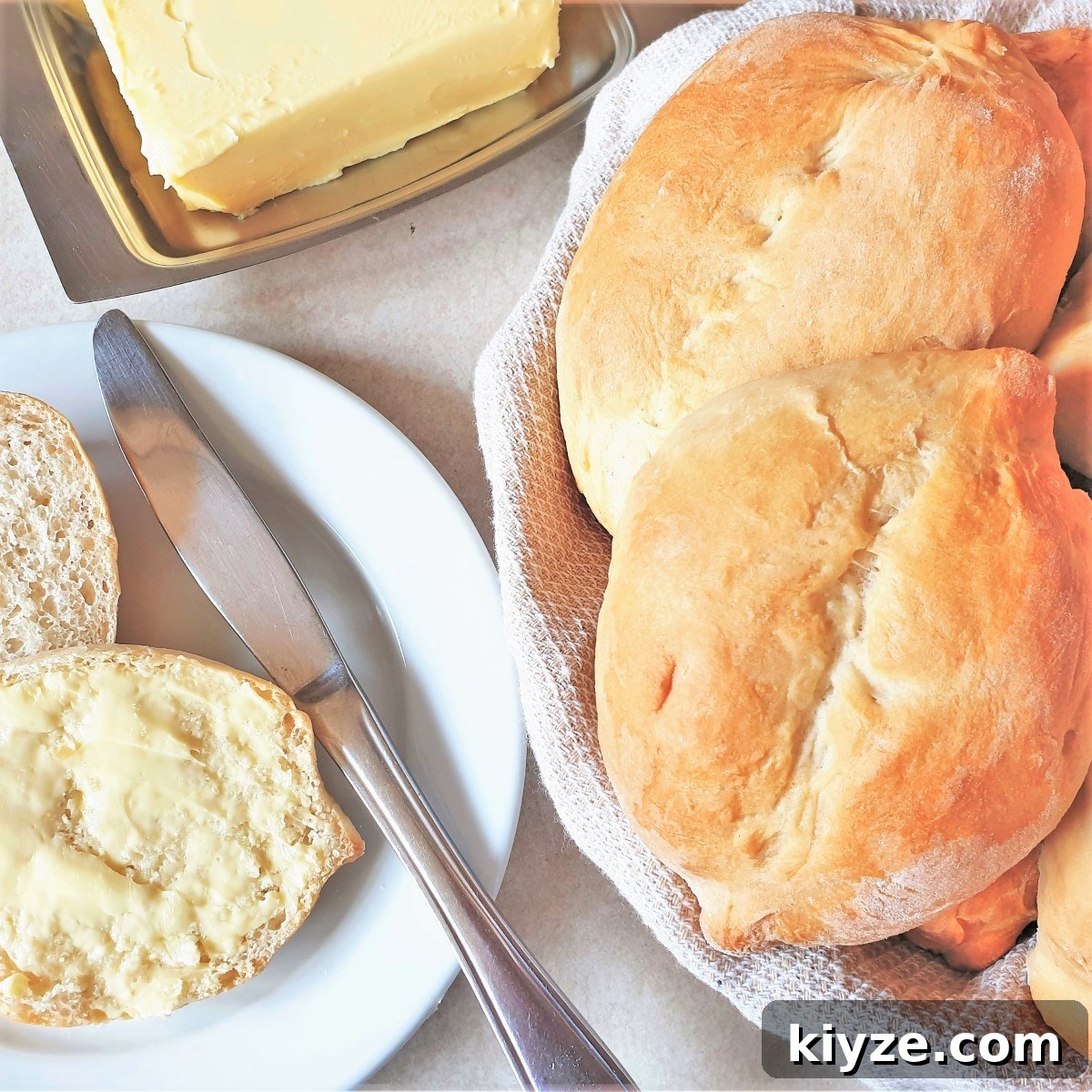
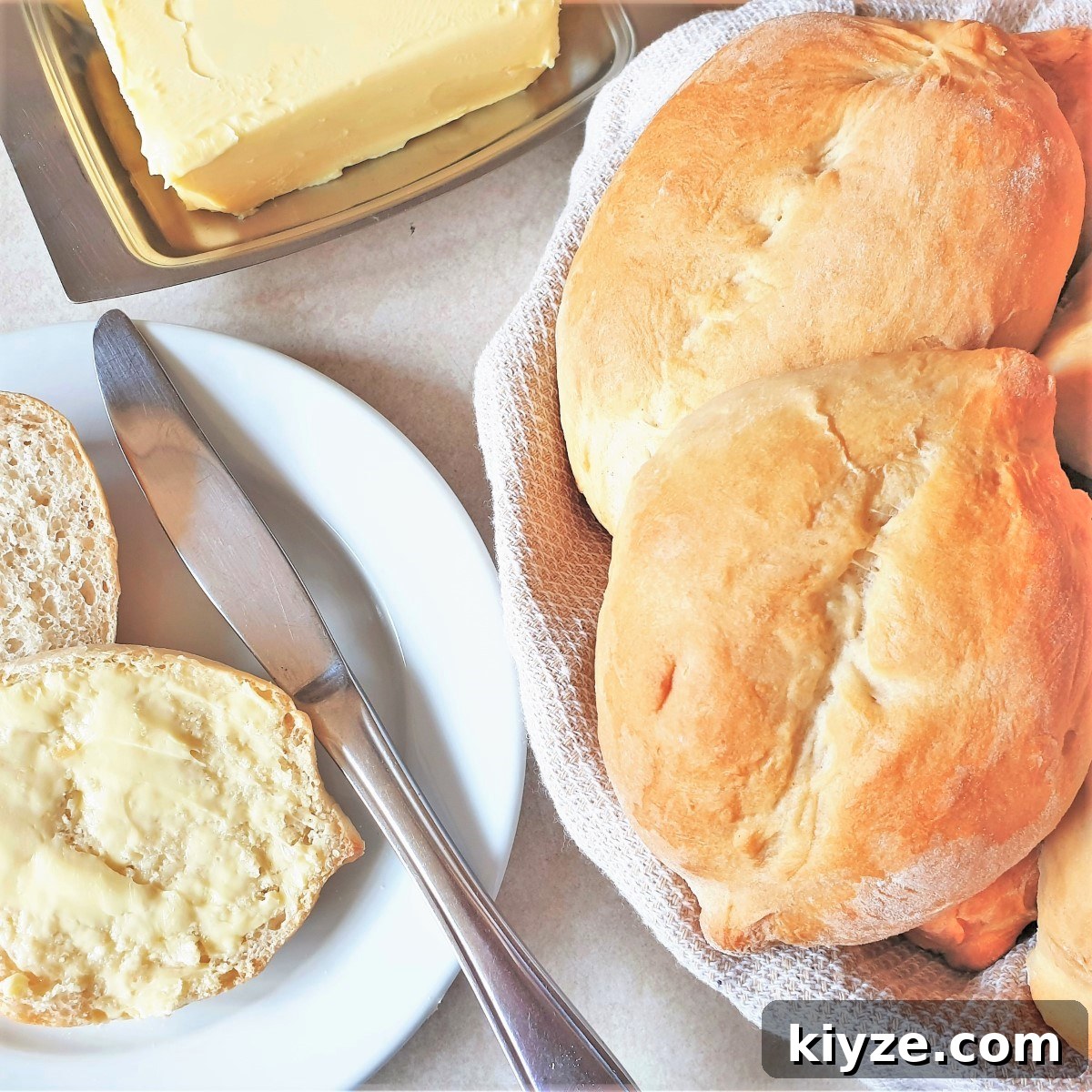
Crusty on the outside and soft and chewy inside, these homemade crusty Portuguese rolls are ideal for sandwiches. They’re also perfect for dunking into soup or stew, or serving as dinner rolls.
As an Amazon Associate I earn from qualifying purchases.
Ask most South Africans to name their favourite bread roll and you’ll often hear “Portuguese rolls“. Sold by the thousands in bakeries and supermarkets across the country, these distinctively shaped, crusty rolls also appear on restaurant bread boards and are commonly turned into garlic rolls.
Since moving back to the UK—where these rolls are harder to find—I’ve been trying to recreate the perfect crusty Portuguese roll at home. This recipe finally matches the rolls I remember: a crunchy exterior with a soft, chewy interior.
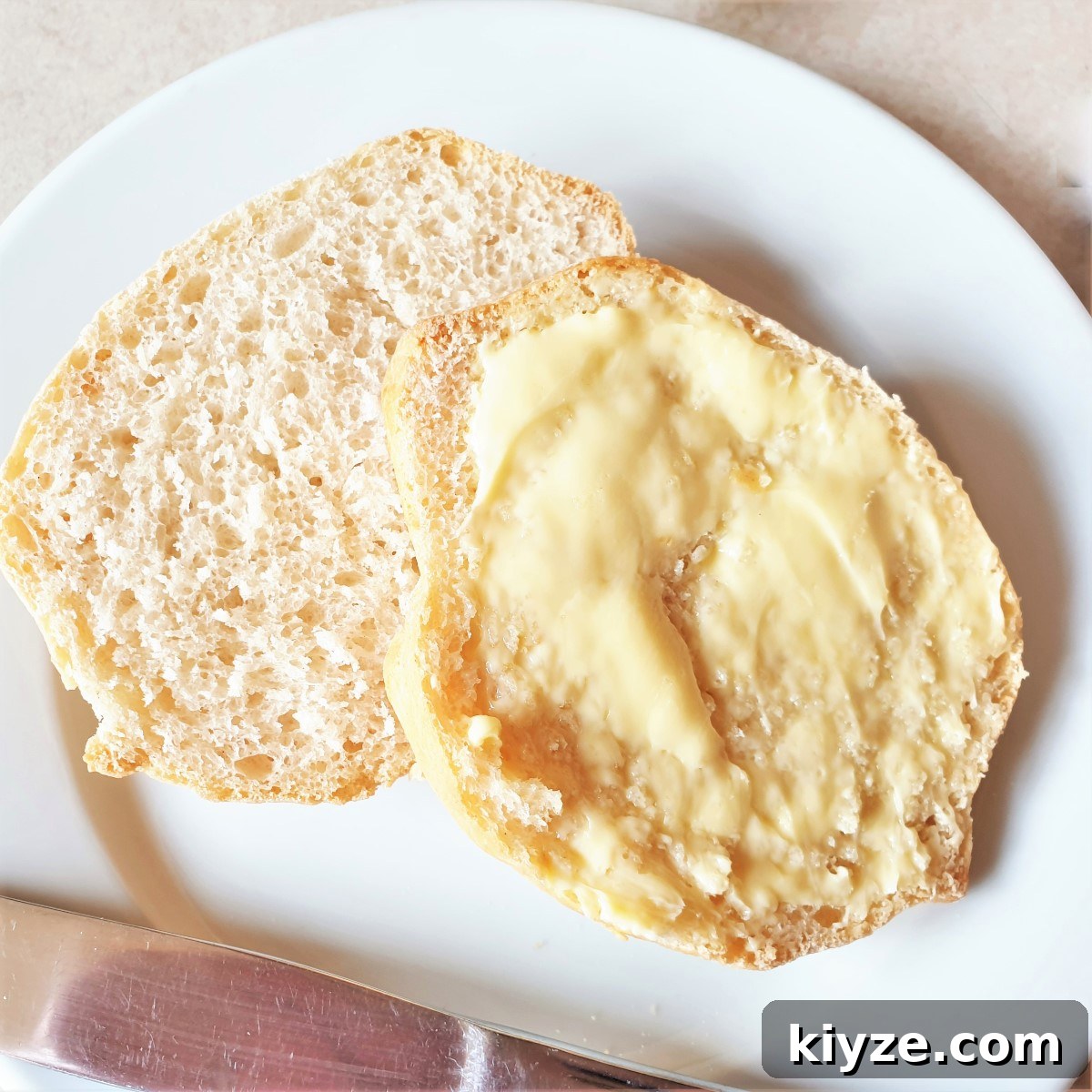
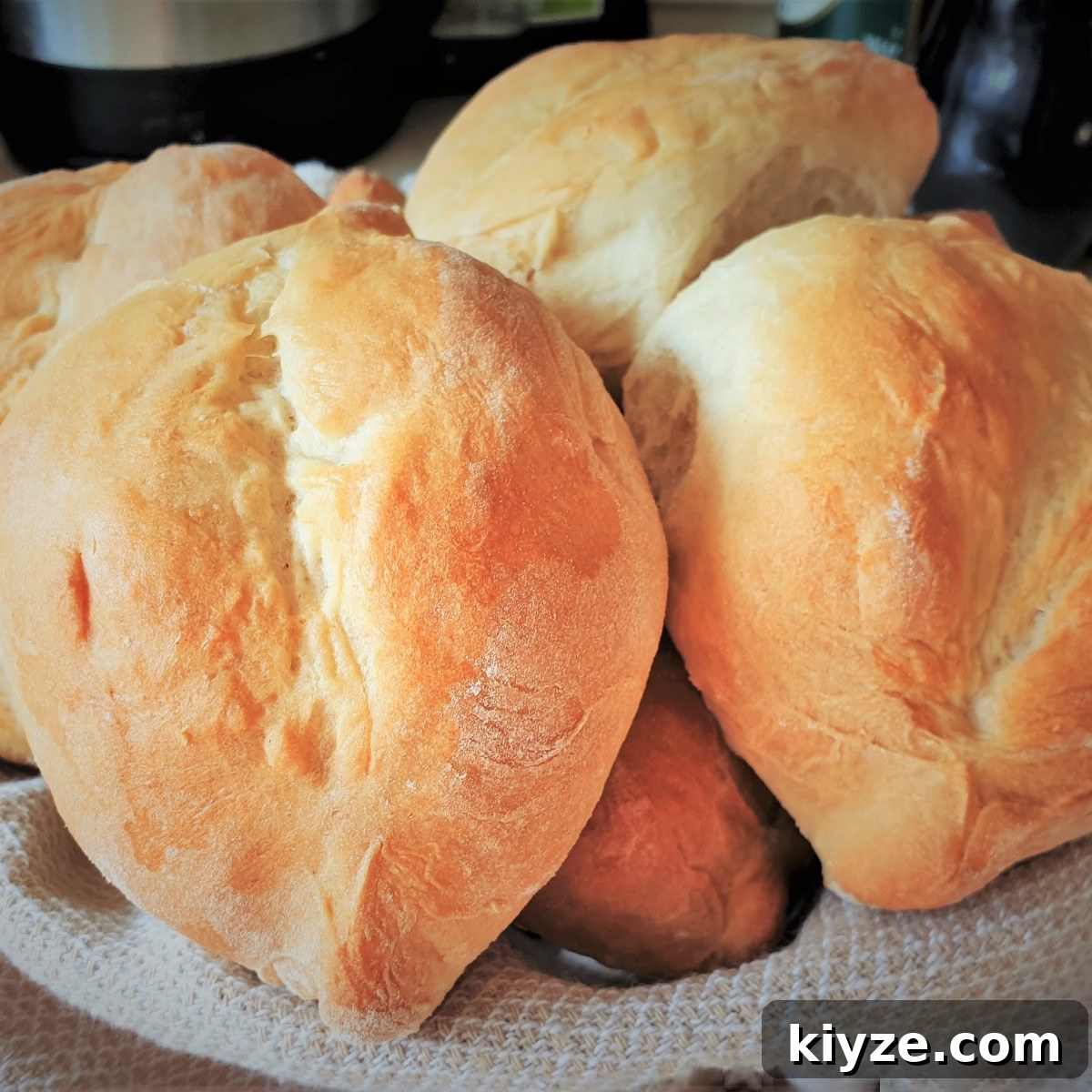
Bite through the crisp crust and you’ll find a slightly spongy, tender crumb that soaks up sauces, soups and stews beautifully. They’re especially good alongside rich dishes such as trinchado. A light dusting of flour on the outside remains from shaping the dough and adds to their rustic appearance.
A simple trick to boost crustiness is to place a deep baking tray filled with water on the bottom shelf of the oven as it preheats. Keep that water in while the rolls bake—steam helps the crust develop a satisfying crunch.
These rolls are also called papo secos, which literally translates from Portuguese as “dry talk”—a curious name for such a delicious roll. Maybe the reference comes from their lightly floured surface.
Recipe notes
- Prep time – 20 minutes
- Rising and proofing time – 2 hours
- Cooking time – 20 minutes
- Yield – 12 rolls
- Calories – 179 per roll
- Main equipment – Kenwood Chef stand mixer (optional). A mixer makes kneading easier, but you can knead by hand.
How to make Portuguese rolls at home
These Papo Secos are straightforward to make. A stand mixer with a dough hook saves effort, but hand-kneading for about 10 minutes produces equally good results if you don’t mind the extra work.
You’ll need standard bread ingredients: strong white (bread) flour, instant yeast, a little sugar, lukewarm milk and water, plus butter and salt to enrich the dough and give the crumb a soft texture.
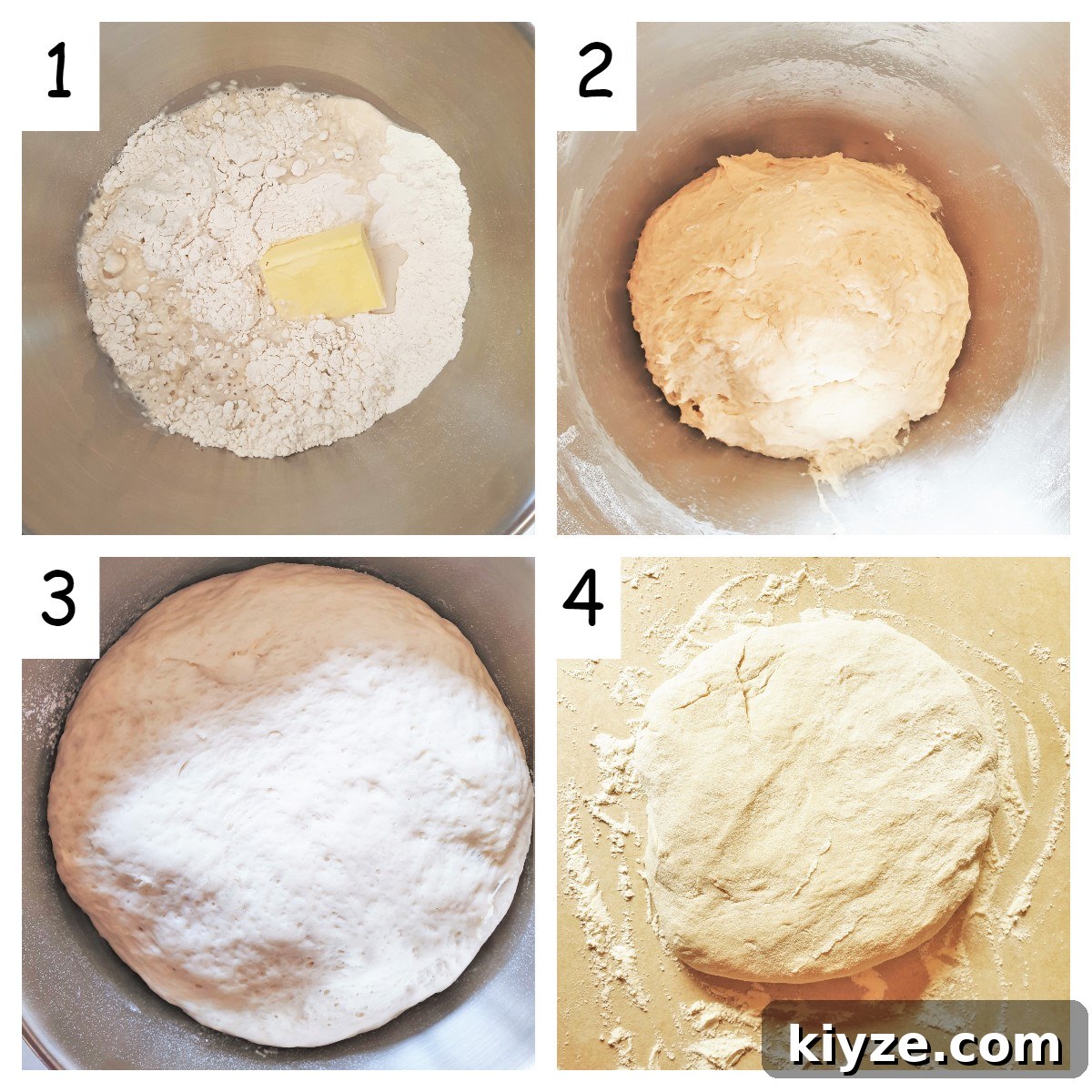
Measure the milk and water into a jug and warm them until lukewarm. Stir in the sugar and instant yeast and let it start to foam. Meanwhile, add the bread flour, salt and butter to the bowl of your mixer (or a large mixing bowl if kneading by hand). The butter does not need to be mixed in at this stage.
Once the yeast has begun to froth, pour the liquid into the flour. Mix on low speed for about 2 minutes to combine, then increase to medium and continue for another 5 minutes until the dough forms a soft ball; it may still be slightly sticky.
If kneading by hand, combine the liquid and flour with a flat knife until roughly mixed, then knead for at least 10 minutes, adding a little extra flour if the dough is too sticky.
Cover the dough and leave it in a warm, draught-free place for about 1 hour, until doubled in size.
Punch the dough down, flatten it into a disk and transfer to a well-floured surface to shape.
Shape the papo secos
Shaping gives these rolls their classic look, but you can make them round if you prefer.
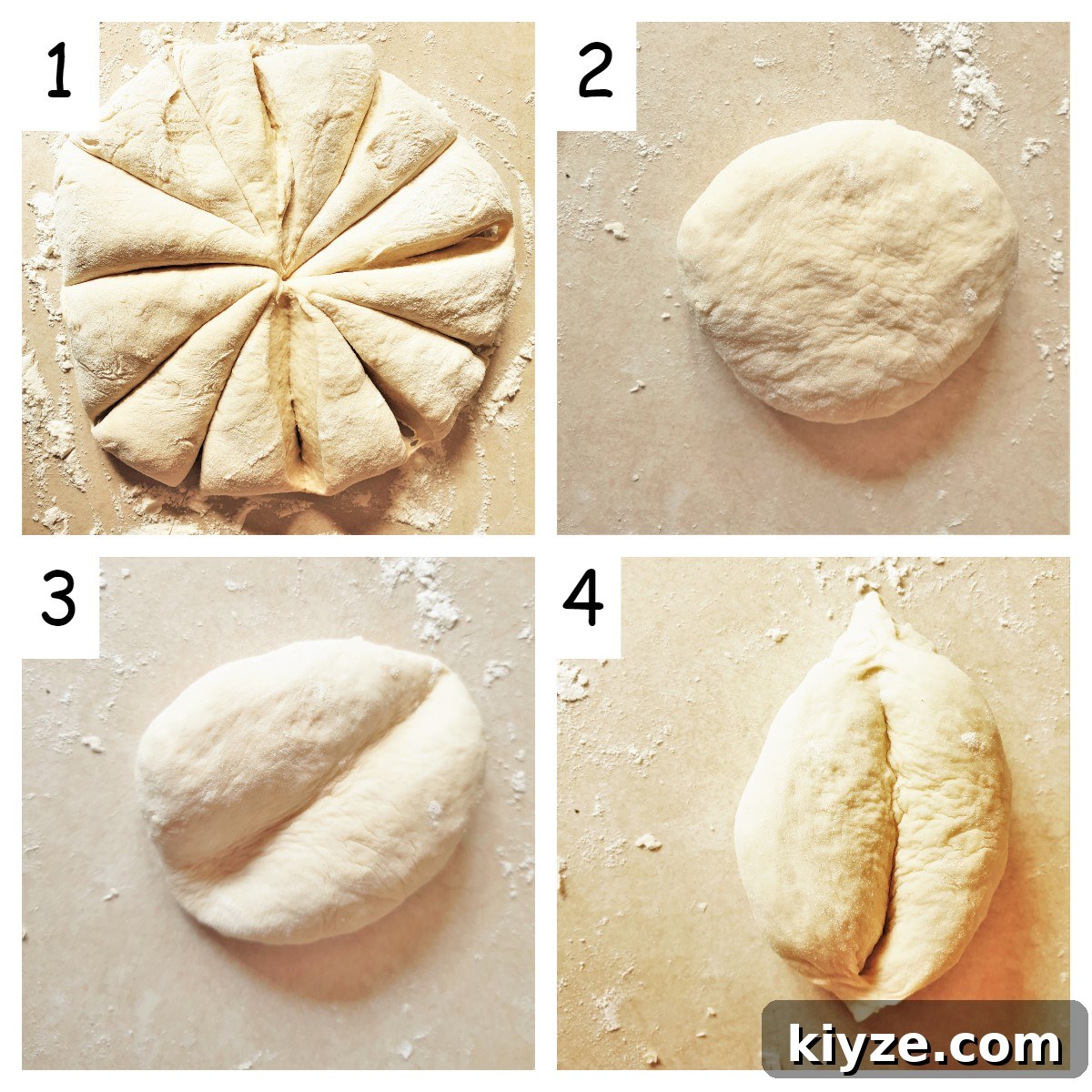
Divide the dough into 12 equal pieces and roll each into a ball.
Flatten each ball slightly, press the side of your hand into the centre to make a deep indentation, then bring the sides up and pinch the ends together to seal. This creates the distinctive elongated shape.
Proof and bake
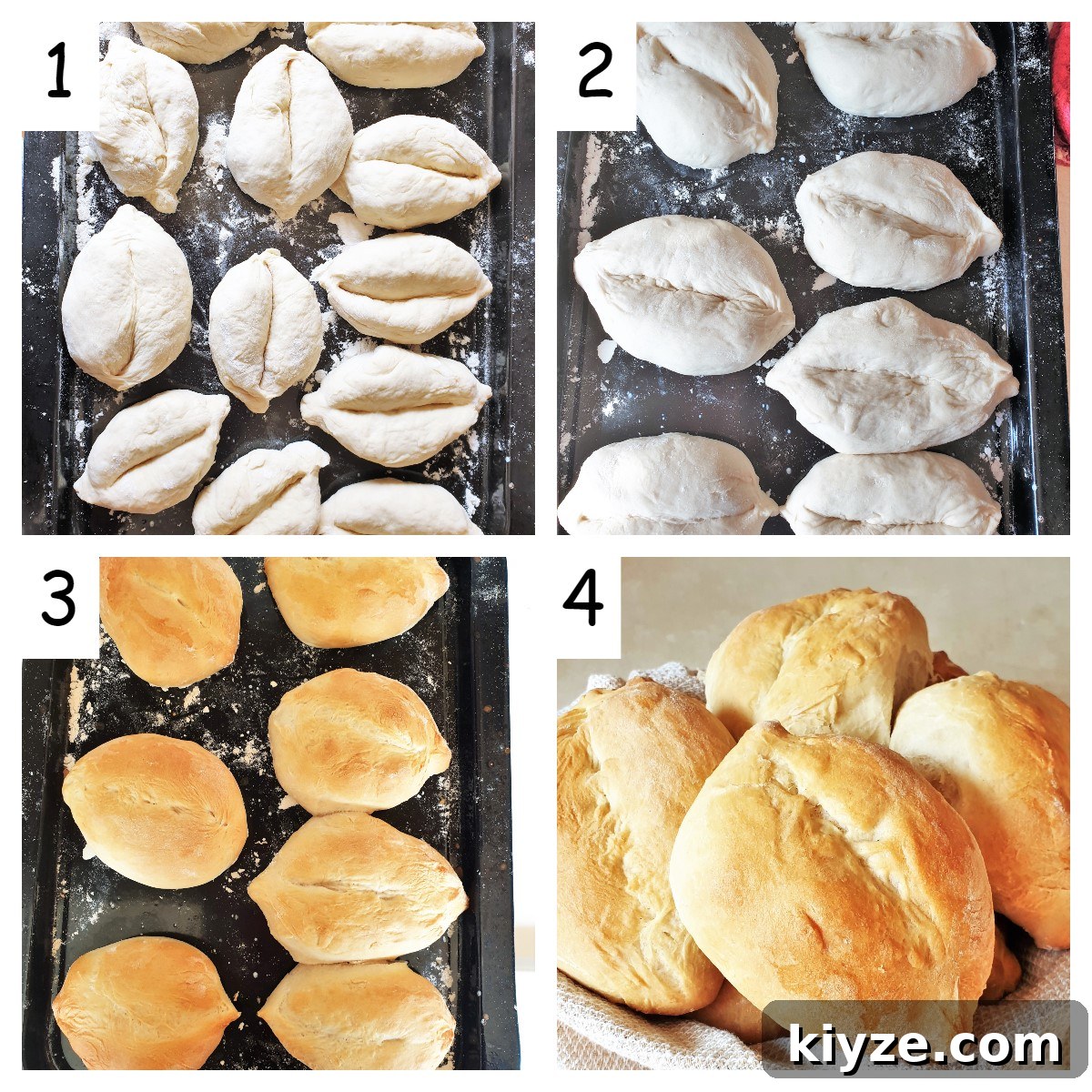
Place the shaped rolls a few centimetres apart on a lightly floured or parchment-lined baking sheet to prevent sticking. Cover with a clean cloth and proof for another hour until doubled in size. Don’t crowd them—leave room to expand.
Ten minutes before baking, put a deep tray filled with water on the oven’s bottom shelf and preheat to 190°C / 375°F. Brush the tops of the rolls lightly with milk and bake in the centre of the oven for 20 minutes, until golden brown and crisp.
Remove the rolls from the oven and cool uncovered for best crust texture.
Your questions answered
They’re best eaten the day they’re baked but will keep up to 2 days stored in a plastic bag or bread bin. To refresh, sprinkle a little water on the crust and heat in a hot oven for a few minutes to restore crispness.
Yes. Freeze leftover baked rolls in a plastic bag for up to 6 months. Reheat straight from frozen on a baking tray for about 5 minutes to crisp the crust. You can also freeze proofed (unbaked) rolls and bake from frozen—add a couple of extra minutes to the baking time.
Yes—this recipe doubles well. If kneading by hand, add most of the liquid first (about three quarters) and add the remainder gradually to avoid an overly sticky dough.
No. You can roll them into simple round rolls or smaller dinner rolls. If they are smaller, reduce baking time and watch them closely—about 15 minutes may be sufficient.
What to serve with Portuguese rolls
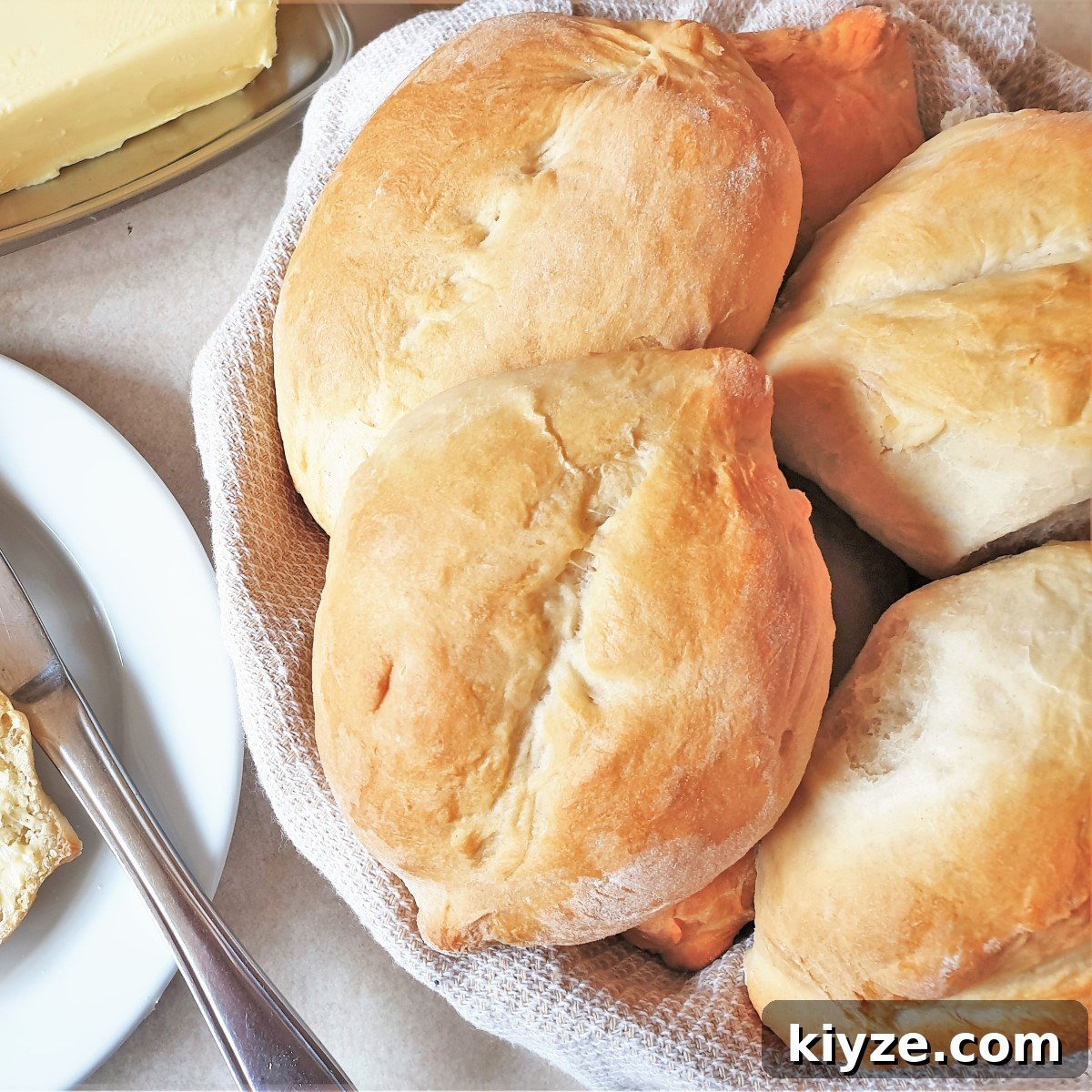
These rolls are versatile. Fill them with ham and tomato or cheese for simple sandwiches, or use them for burgers with boerewors patties. They shine when dunked into soups and stews—try them with hearty beef vegetable soup or spiced chicken liver dishes.
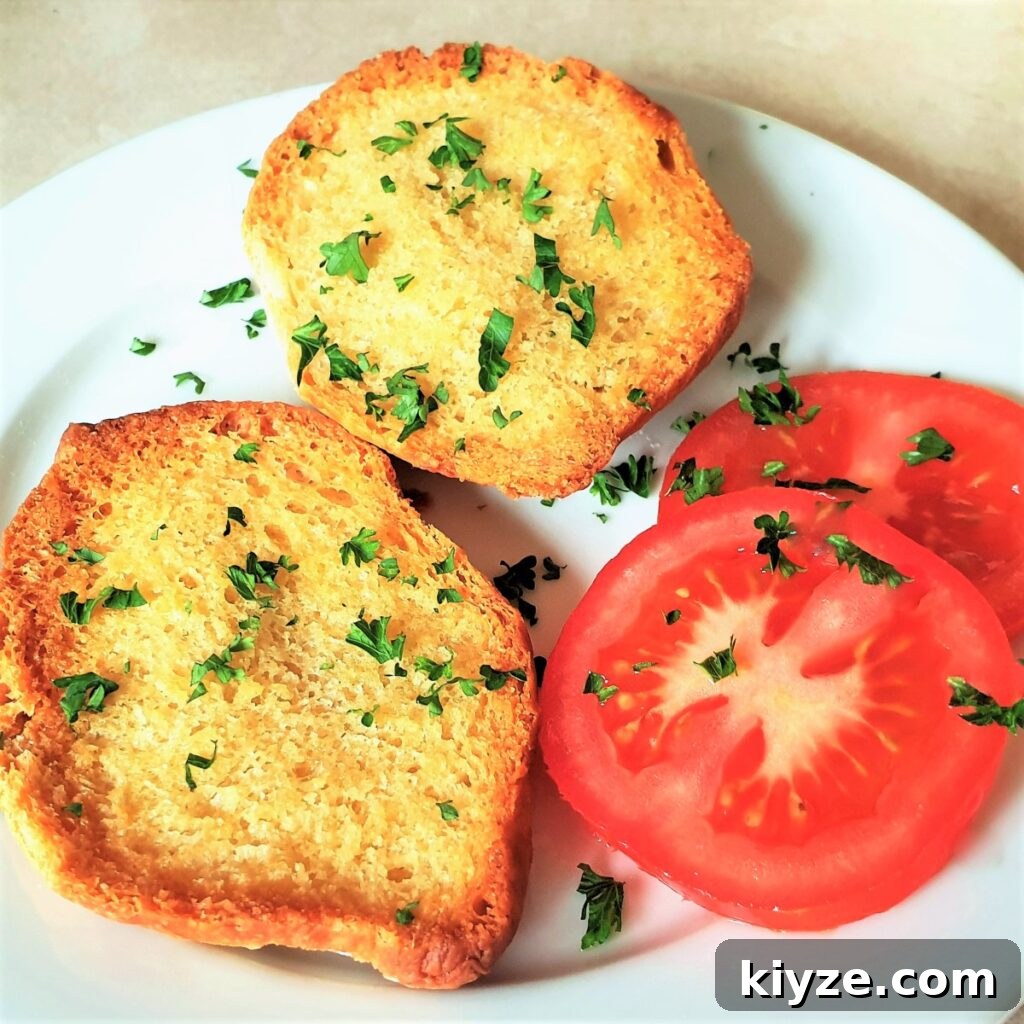
They’re excellent split and spread with lots of butter, or turned into garlic rolls under the grill until golden and crispy.
If you’d like to be notified of new recipes, consider subscribing to the site’s newsletter to receive a free recipe e-book with popular cakes and desserts.
Pin for later
Save this recipe to your Homemade Bread board so you can find it when you want to bake.
Other bread recipes
If you enjoy baking bread, try these other recipes for inspiration:
- No-knead crusty artisan bread
- Homemade hot dog rolls
- No-knead soft dinner rolls
- Easy wholemeal soda bread
- No-knead seeded Irish soda bread with buttermilk
- Crusty German bread rolls (Brotchen)
Recipe – Crusty Portuguese rolls (papo secos)
📋The recipe
Crusty Portuguese rolls (papo secos)
Equipment
- Kenwood Chef (or other stand mixer) – optional
- Baking sheet
Ingredients
- 3¾ cups (520g) bread flour
- 2½ tablespoons (35g) butter
- 1 teaspoon salt
- ½ cup (120ml) lukewarm milk
- ¾ cup (180ml) lukewarm water
- ½ tablespoon (7g) instant dried yeast
- 1 teaspoon sugar
Instructions
- 10 minutes before baking, place a deep tray filled with water on the oven’s bottom shelf and preheat to 190°C / 375°F.
- Combine lukewarm milk and water in a jug, stir in yeast and sugar and allow to start foaming.
- Place flour, butter and salt in the mixer bowl (or a large mixing bowl if kneading by hand).
- Pour the milk mixture into the flour. Mix on low for 2 minutes, then medium for 5 minutes until a soft dough forms.
- If mixing by hand: combine and then knead for at least 10 minutes, adding a touch more flour if needed.
- Cover and leave in a warm place for 1 hour until doubled in size.
- Punch down the dough, shape into a disk and transfer to a well-floured surface.
- Divide into 12 pieces, roll into balls, flatten slightly and press an indentation in the centre. Bring sides up and pinch ends together to seal.
- Place rolls a few centimetres apart on a floured or parchment-lined baking sheet.
- Cover and proof for another hour until doubled.
- Brush rolls with milk and bake for 20 minutes until golden brown and crisp.
- Remove and cool uncovered.
Notes
The flour or baking parchment prevents sticking. Don’t space the rolls too close together, and use a baking tray of water to encourage a crispy crust.
Nutrition
Calories: 179 kcal | Carbohydrates: 33 g | Protein: 5 g | Fat: 2.7 g | Fiber: 1.3 g
Nutrition info is calculated with an online tool and is for guidance only.
If you made this recipe and enjoyed it, please leave a star rating in the comments. For questions or feedback you can email [email protected]. Subscribe to the mailing list to receive a free cookbook.
To browse more recipes, visit the recipe index on the site.