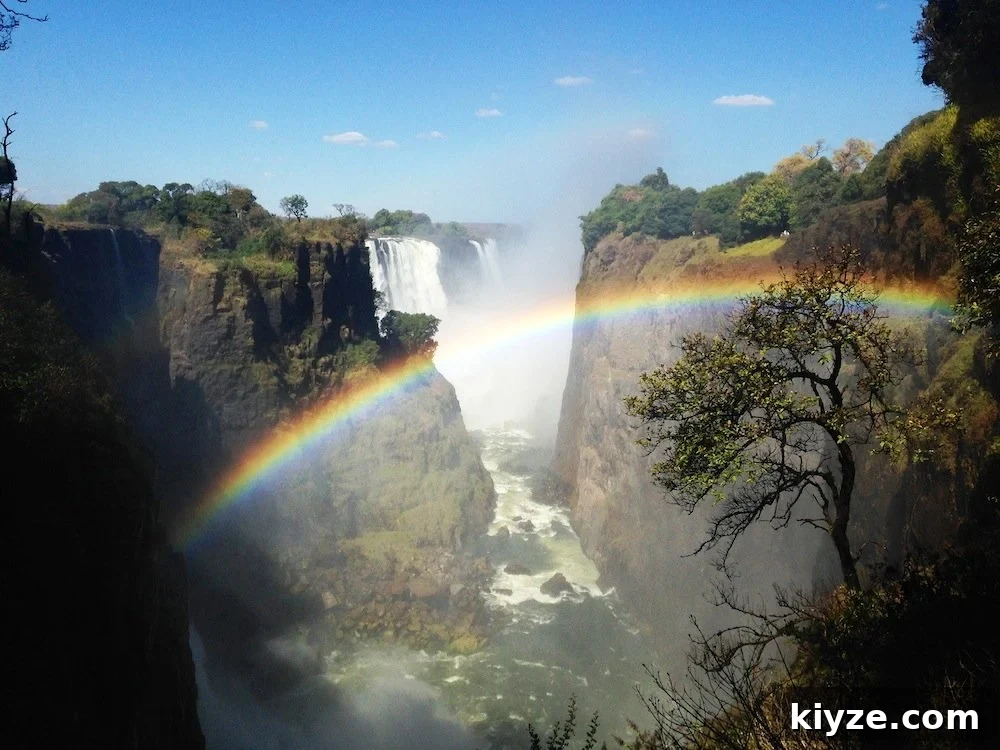
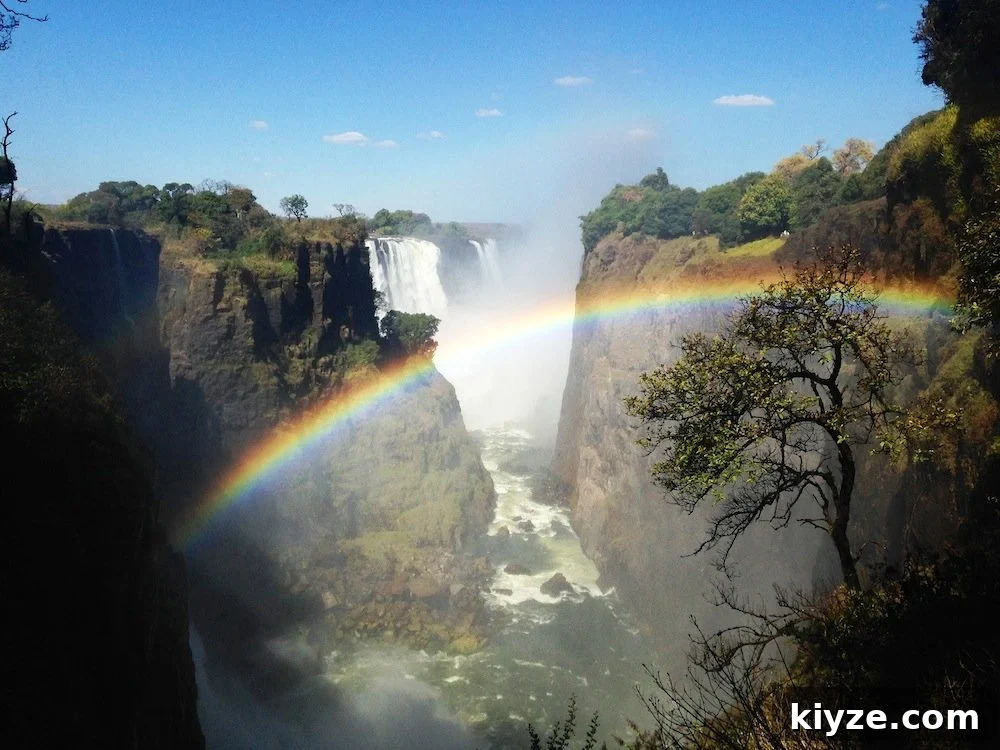
Buckle up — this is a long, photo-filled account, but it’s worth it. This was one of the most memorable experiences since we arrived in Africa.
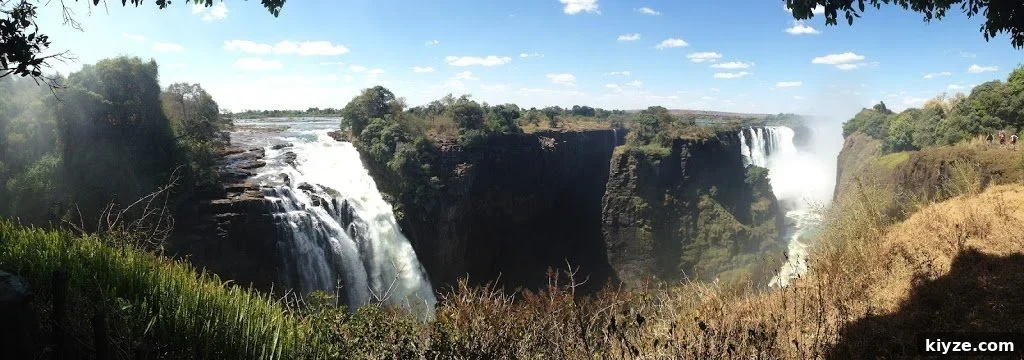
After spending a night in Gauteng, my fiancé and I traveled to Victoria Falls. This extraordinary waterfall drops about 355 feet and stretches across the Zambezi River, forming the border between Zimbabwe and Zambia. David Livingstone, the first European known to view the falls, named them after Queen Victoria, but the local name is Mosi-oa-Tunya, meaning “the smoke that thunders.” The sound and spray truly live up to that name. While Victoria Falls isn’t the absolute tallest or longest waterfall, it is the largest single sheet of falling water in the world.
Here’s a recap of our adventure.
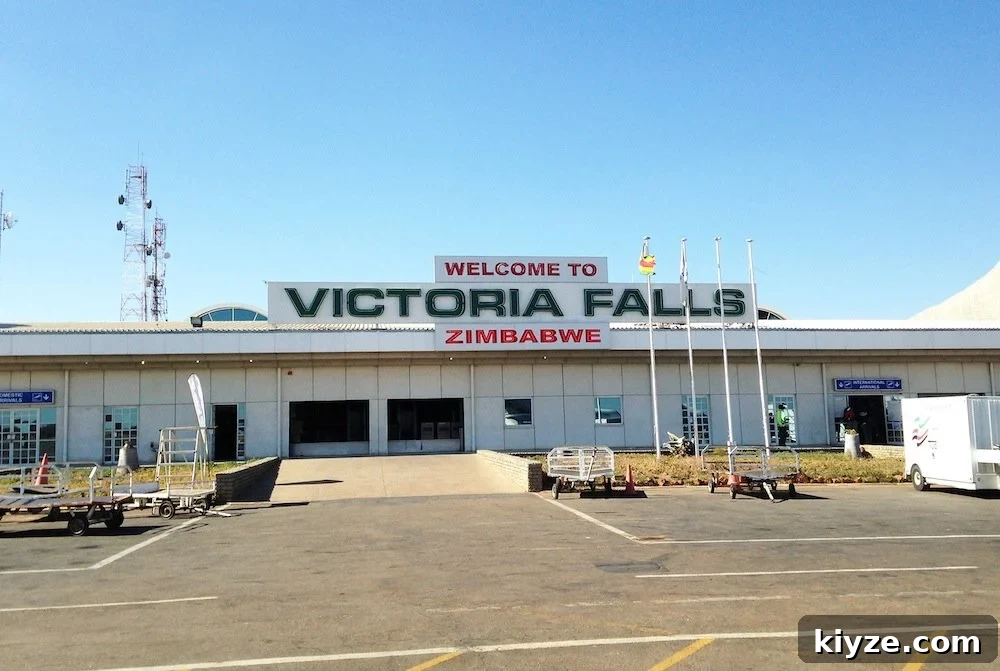
We left Gauteng after a short flight delay and landed in Victoria Falls, Zimbabwe, in the late afternoon. At the airport we purchased visas on arrival. A practical tip: Zimbabwe currently uses the US dollar as a primary currency and visas are paid in cash, so plan accordingly. There is an ATM at the airport, but it often dispenses large bills, which can be difficult to break in town. We paid $45 each for double-entry visas so we could cross to Zambia as planned. Many businesses accept US dollars, South African rand, and Zambian kwacha, but cash is king here, so visit a local bank if you need smaller change.
The Victoria Falls airport is tiny — we stepped directly onto the tarmac after disembarking. There are only two international gates, which makes arrivals and departures pleasantly simple.
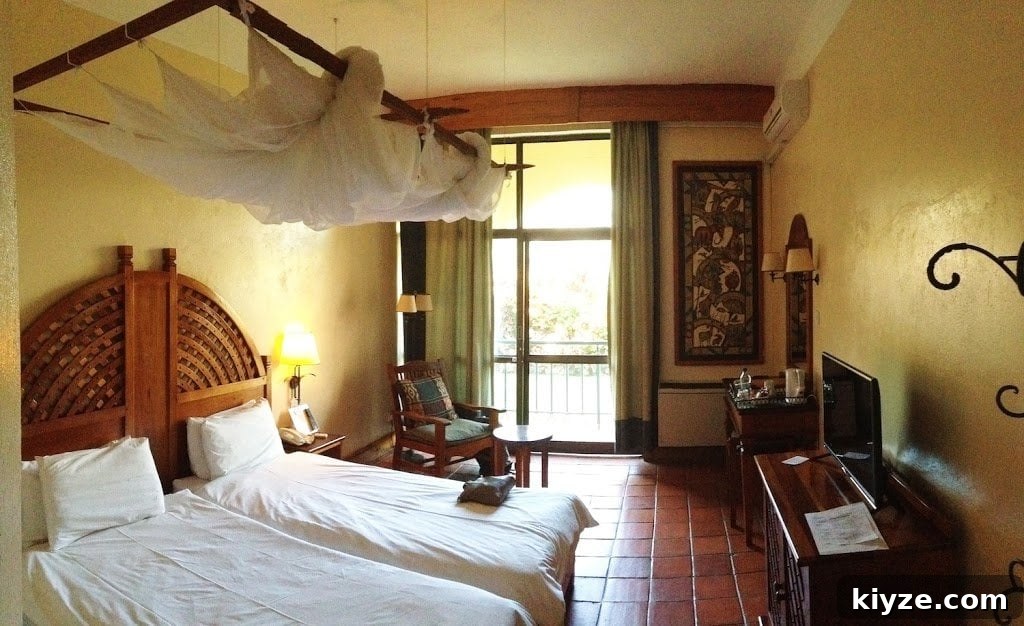
We booked the trip through KDR Travel and Tours, who arranged airport transfers and were easy to work with. We stayed at the Rainbow Hotel on the Zimbabwean side — a lovely mid-range option in a region that also has more luxurious resorts. We only spent two nights there, so we didn’t linger at the hotel much. Here’s a photo of our room:
After checking in, we relaxed at the pool bar. Southern Africa is well-known for wine, but there are some very enjoyable local beers too — my fiancé fell for Zambezi Lager and even bought a t-shirt at the airport. It was a pleasant, warm evening and the beer was a nice complement to our arrival.
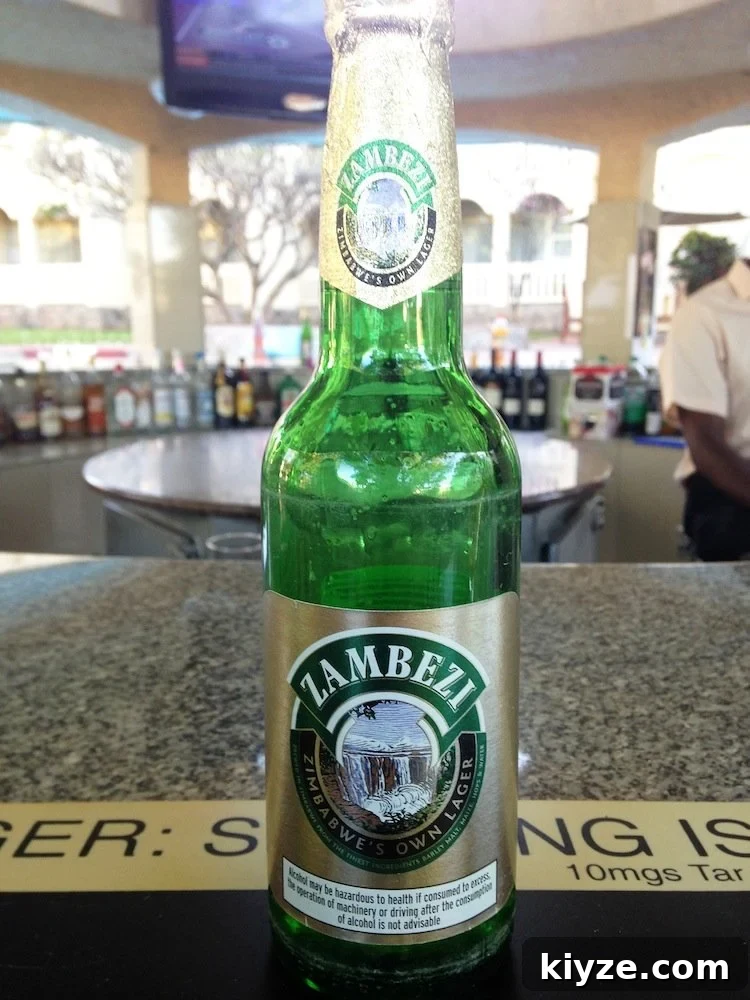
Since we didn’t have time to visit Victoria Falls National Park that night, we booked a dinner cruise on the Zambezi. Our shuttle was late and the cruise was scheduled to depart soon after pickup, so we worried we’d miss it. The hotel activities coordinator intervened and after a tense few minutes a car arrived. We reached the dock just as the boat was leaving; thankfully the crew turned back when our driver radioed them. Walking onto a boat full of diners who had been forced to wait was mortifying, but once I had a glass of wine and settled into our seats, everyone relaxed and the evening was lovely.
Early into the cruise we spotted hippos in the river — not uncommon along the Zambezi — and later we glimpsed elephants on the banks, although the evening light made photography difficult. The sunset that night was spectacular, with clear skies and warm temperatures. We returned to the dock after dark and caught a shuttle back to the hotel, where we enjoyed a quiet evening and an early night before a big day ahead.
We rose early to cross the border into Zambia. After breakfast the hotel staff helped arrange a taxi to the Zimbabwe border post. Our passports were stamped on the Zimbabwe side and then we walked across the Victoria Falls Bridge toward Zambia, enjoying incredible views of the falls from the bridge. Thrill-seekers kayaked below and others bungee-jumped from the bridge — both activities that made me glad I was staying on solid ground.
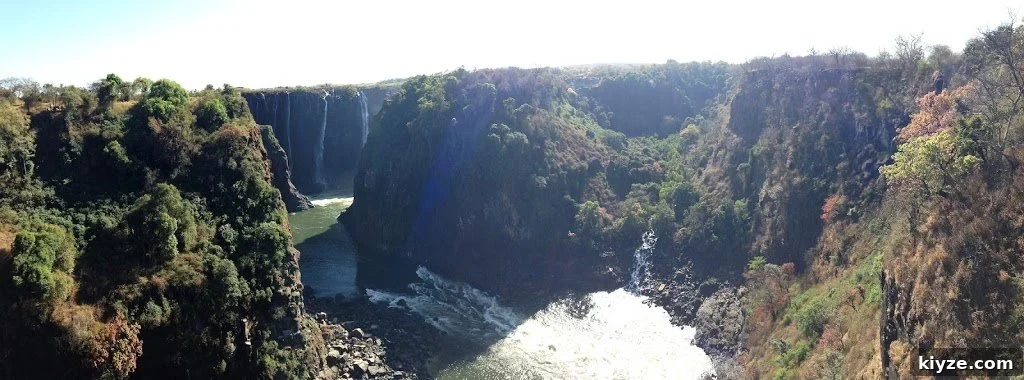
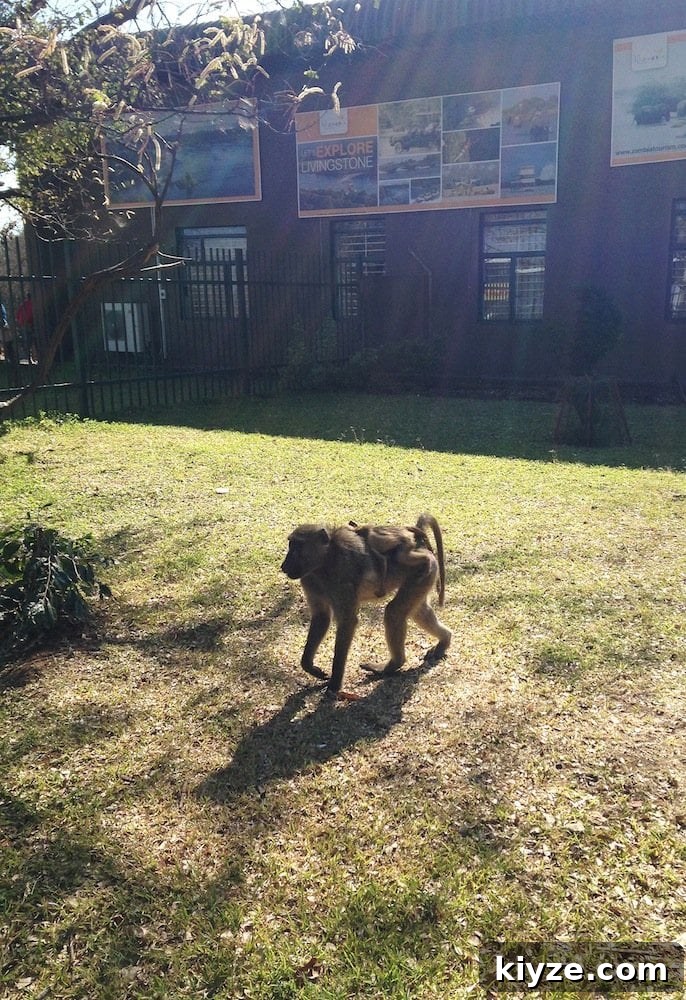
After crossing into Zambia we passed Mosi-oa-Tunya National Park, where signs warn of local wildlife. At the Zambian border post we had temperatures checked and purchased single-entry visas for $20 each (cash only). Baboons were common at the crossing and one even had a baby clinging to her back — charming until you remember how opportunistic they can be around food and belongings.
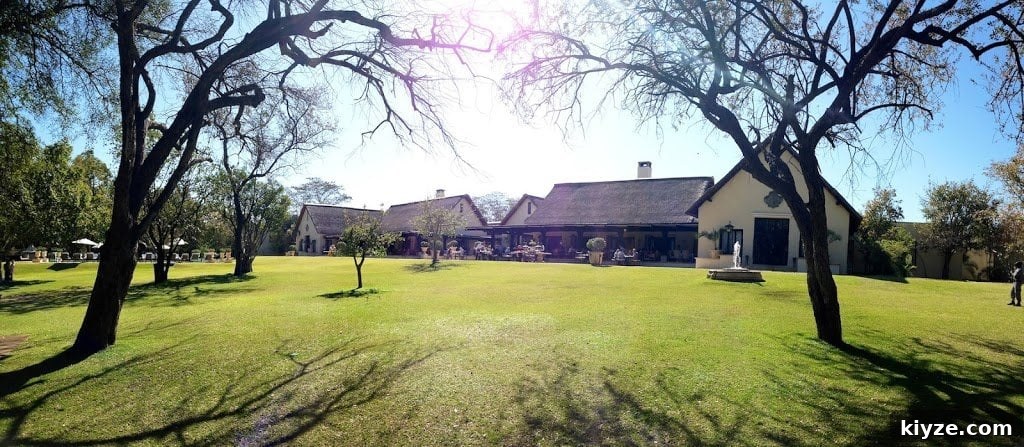
From the border we took a taxi to the Royal Livingstone Hotel to meet our group for the experience I was both terrified and excited about: Devil’s Pool. The Royal Livingstone is a classic property with manicured lawns where zebras grazed casually — an amazing sight. We met two other Americans and a few other travelers at the dock, then took a short boat ride to Livingstone Island, where David Livingstone first viewed the falls. The spray from the falls was visible from the boat and grew louder as we approached.
On the island we left our belongings in safe hands and handed a camera to the guide who would balance near the edge to take photos. We then swam across a strong current to a natural rock pool that forms at the lip of the falls when river levels are right — Devil’s Pool. The guides were very experienced and instructed us on how to swim against the current and where to stand or sit so we could safely enjoy the view. Much of the crossing is shallow enough to walk, and the guides stay close to ensure everyone’s safety.
Standing in Devil’s Pool is indescribable: the rushing water, the spray, and the dizzying view straight down into the gorge make it one of the most exhilarating experiences I’ve ever had. I was terrified and thrilled at once, but the guides’ competence and the shared excitement of the group made it unforgettable.
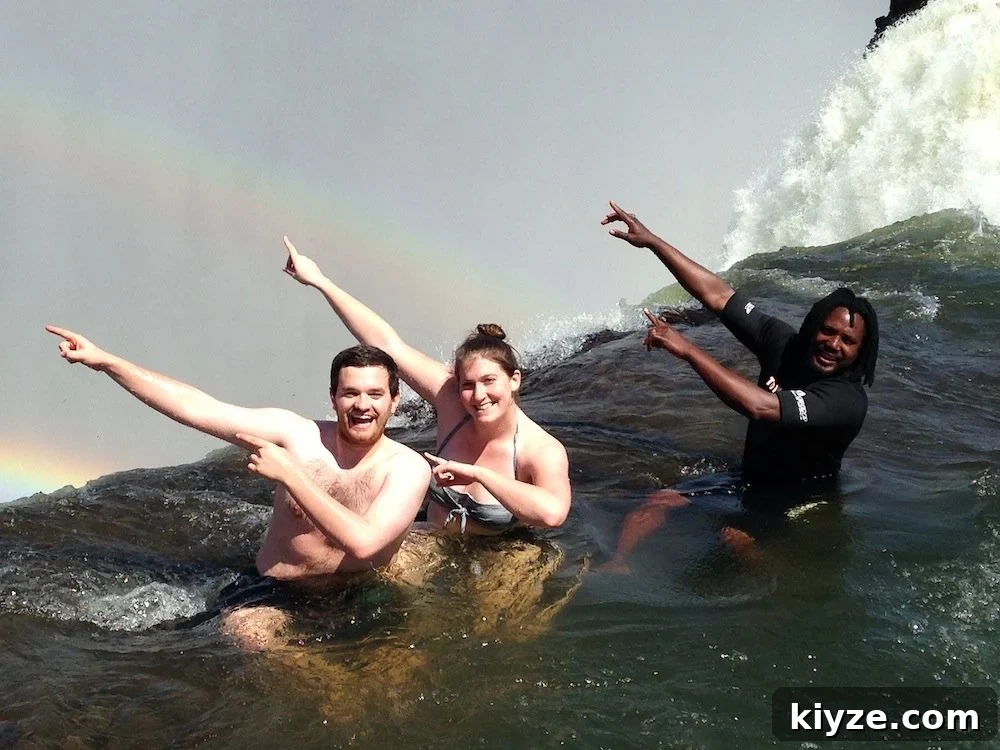
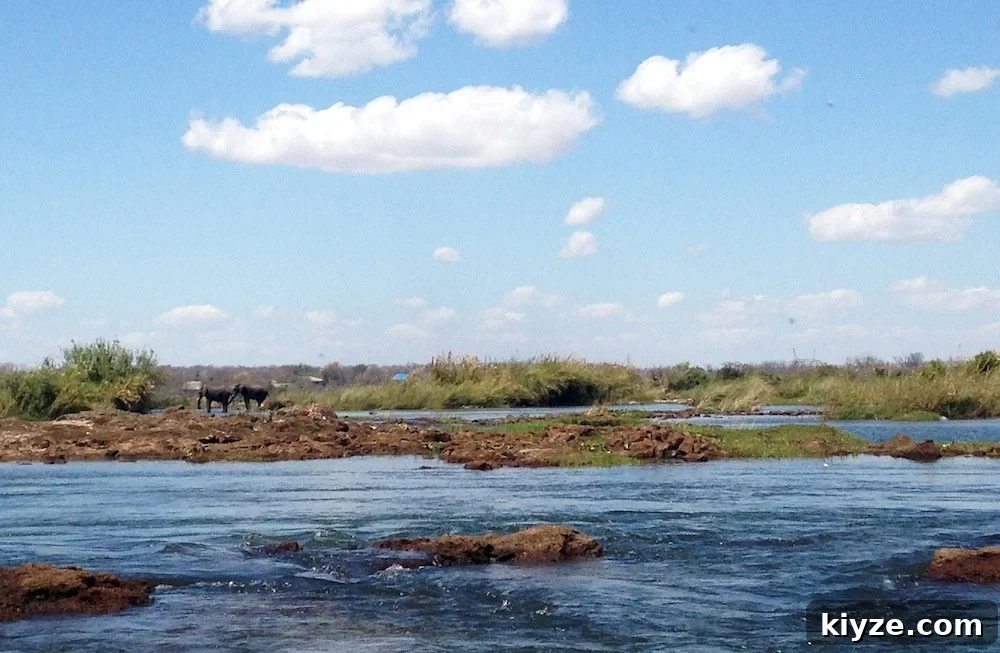
After the swim we returned to the island where a hearty breakfast was served with the falls as our backdrop — a peaceful time to relive the experience with fellow travelers. On the boat ride back we spotted more elephants on the riverbank, a highlight for both of us. The Royal Livingstone’s grounds also hosted small, curious monkeys that occasionally ventured near guests.
We returned to the Zambia border post for an exit stamp and crossed back into Zimbabwe, where re-entry took a bit longer due to crowds. Practical advice: be sure you are vaccinated against yellow fever and carry your vaccination card (“yellow book”), and consult a doctor about malaria prophylaxis before traveling to this region.
Once back in Zimbabwe we visited Victoria Falls National Park for spectacular viewpoints of the falls from the Zimbabwean side. The park offers numerous vantage points where you can stand close enough to feel the spray and see the full breadth of the waterfall and its rainbows. After exploring the park we enjoyed a cool slushy and a taxi ride back to the hotel.
That evening we tried a lively, tourist-friendly restaurant recommended by our taxi driver called Boma. The experience included traditional dress, face painting, drumming lessons, and a buffet of regional dishes — sorghum beer, maize meal, pumpkin soup, warthog, fish, peanut-based dishes, and more. It was festive and fun, and a great way to end our time in Victoria Falls.
Our return flight was delayed, but we had allowed plenty of time between connections and made the onward flight to Cape Town. This trip to Victoria Falls ranked among our most memorable adventures. It’s an incredible destination where you can easily visit both Zimbabwe and Zambia and combine dramatic natural scenery with wildlife viewing and adrenaline-filled activities. I highly recommend it.
Thanks for reading — this may well be my longest post yet!